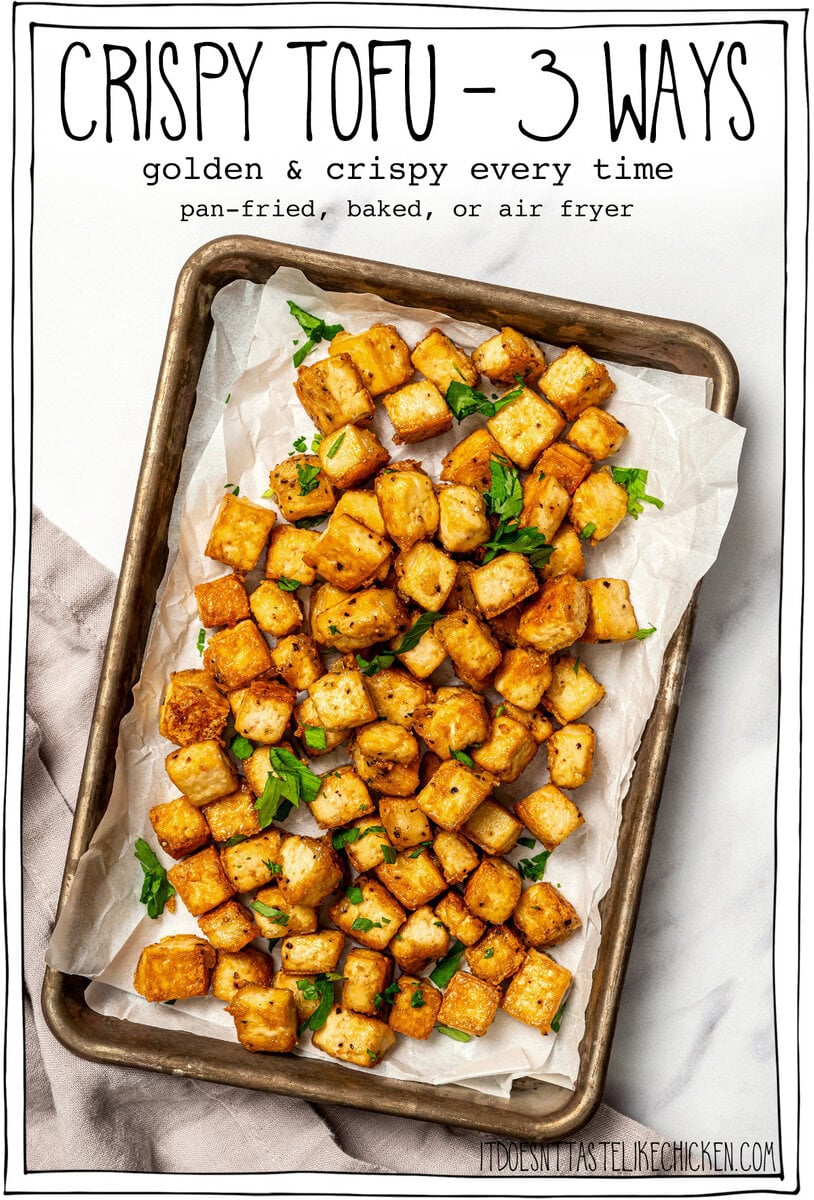
This comprehensive guide details a versatile and reliable method for achieving perfectly crispy tofu, a staple ingredient that can elevate a wide array of culinary creations. Whether prepared through pan-frying, baking, or air frying, this technique consistently yields tofu with a desirable golden-brown exterior and a satisfyingly tender, chewy interior. The resulting crispy tofu is an ideal addition to grain bowls, vibrant salads, hearty wraps, stir-fries, and curries, or can be enjoyed as a standalone snack. This recipe offers flexibility, allowing individuals to select their preferred cooking method based on available time or desired outcome, ensuring delicious and consistently crispy results every time. For those new to working with tofu, a foundational understanding of its preparation is often beneficial, and resources detailing various cooking techniques and ingredient selection are readily available.
The Universal Appeal of Crispy Tofu
The enduring popularity of crispy tofu stems from its remarkable adaptability and its ability to absorb a multitude of flavors. Its neutral base makes it a canvas for marinades, sauces, and spices, allowing it to seamlessly integrate into diverse global cuisines. This versatility has cemented its status as a go-to protein source for plant-based diets and has gained traction in mainstream culinary practices due to its perceived health benefits and culinary flexibility. The quest for the perfect crispy texture is a common goal among home cooks, as a soggy or bland tofu can detract from an otherwise well-prepared dish. This particular method aims to eliminate those challenges, providing a consistently successful outcome.
Key Elements for Achieving Optimal Crispiness
The success of crispy tofu hinges on several critical factors, primarily related to moisture content and the cooking environment. Tofu, particularly firm or extra-firm varieties, contains a significant amount of water. Removing excess moisture is paramount to achieving a crispy exterior, as water inhibits browning and crisping. This is typically achieved through pressing the tofu, a process that expels water and allows the protein structure to firm up.
Furthermore, the application of a coating, often cornstarch or a similar starch, plays a crucial role. This coating creates a barrier that, when heated, dehydrates and crisps up, forming the desired crunchy texture. The choice of cooking fat or method also contributes significantly. High-heat cooking methods, whether it’s oil in a pan, the circulating hot air in an oven or air fryer, are essential for driving off residual moisture and creating a desirable Maillard reaction, which is responsible for browning and flavor development.
Methodological Approaches to Crispy Tofu
This recipe outlines three distinct yet equally effective methods for preparing crispy tofu, catering to different kitchen equipment and time constraints:
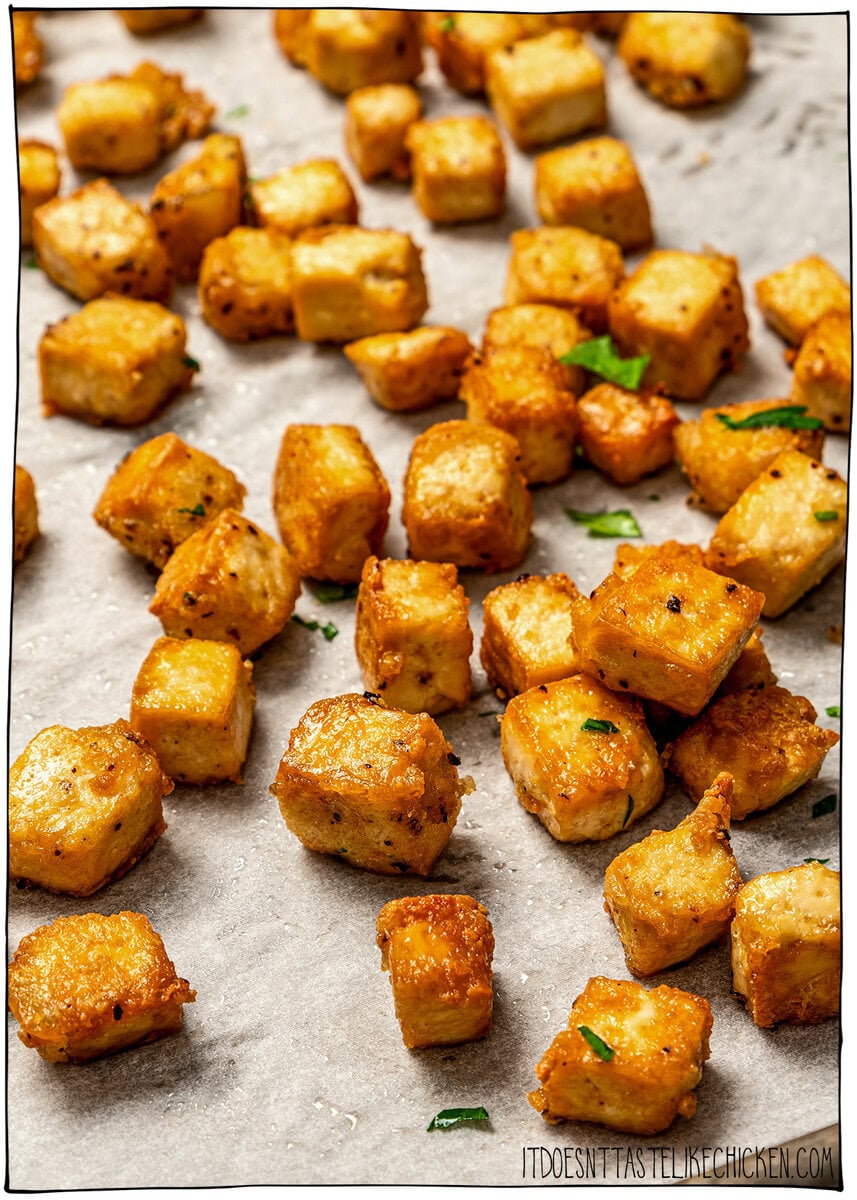
Pan-Fried Tofu: A Classic Approach
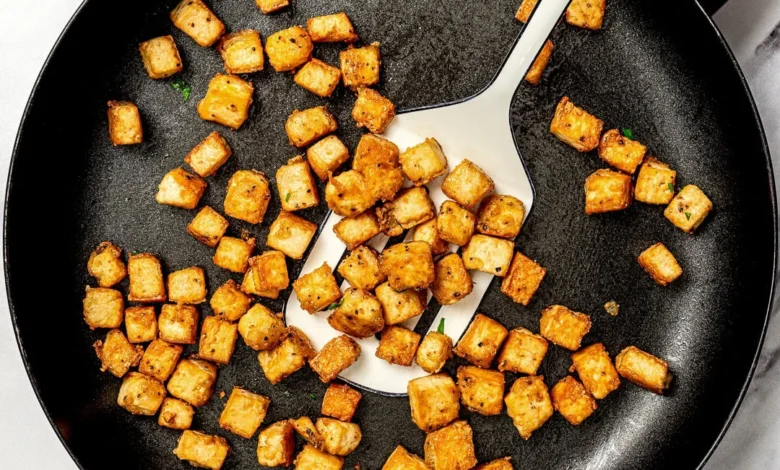
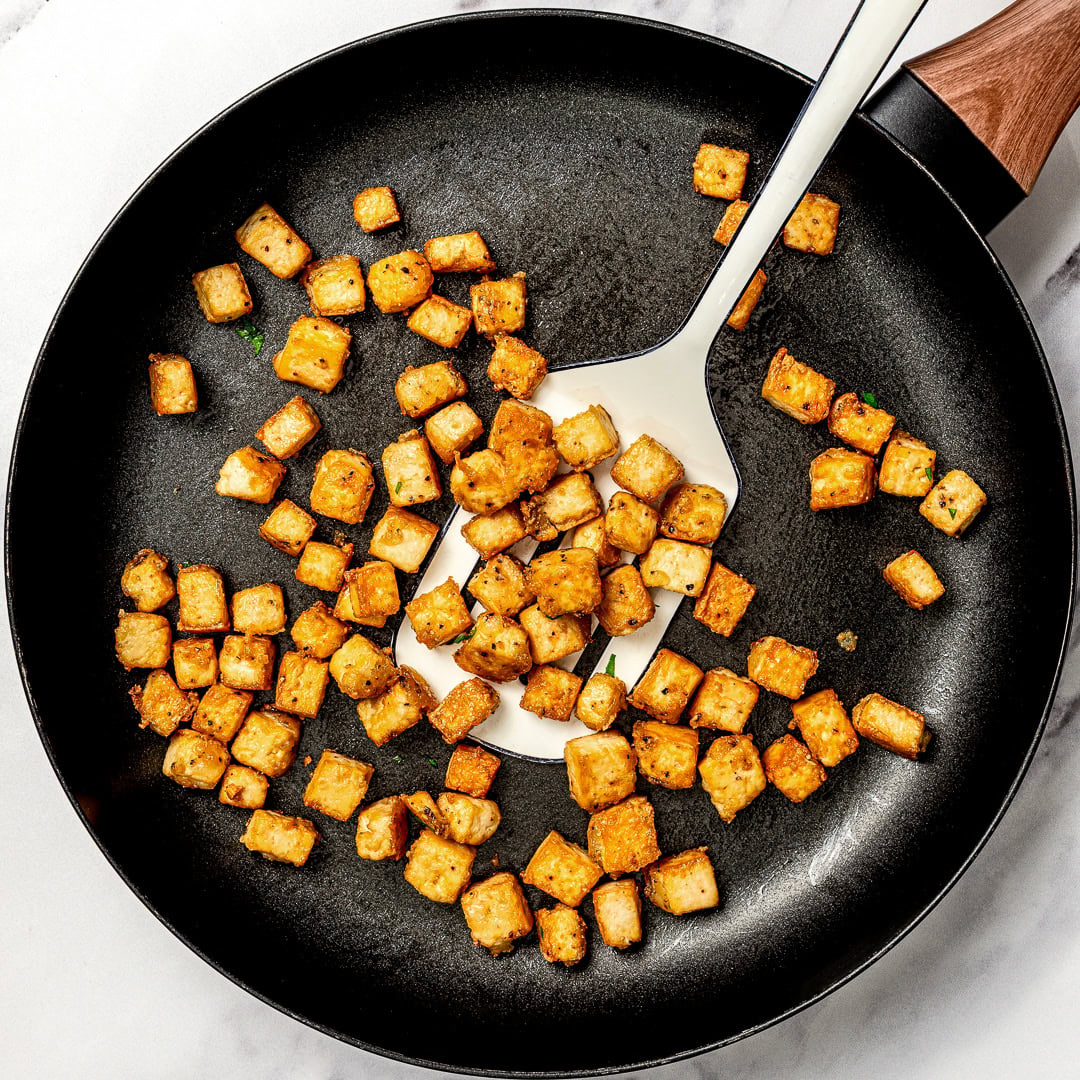
Pan-frying is a time-honored method that delivers rapid results and a satisfyingly crisp crust. This technique involves heating oil in a skillet over medium-high heat and cooking the coated tofu in batches to ensure even browning. The key is to avoid overcrowding the pan, which can lead to steaming rather than frying, thereby compromising crispiness. The oil not only facilitates heat transfer but also contributes to the golden hue and the characteristic crunch.
- Process Overview: After pressing and coating the tofu, it is carefully placed in a preheated, oiled skillet. The tofu is then cooked for several minutes per side, until all sides are golden brown and crispy. This method is ideal for those seeking immediate results and a rich, fried texture.
Baked Tofu: A Healthier Alternative
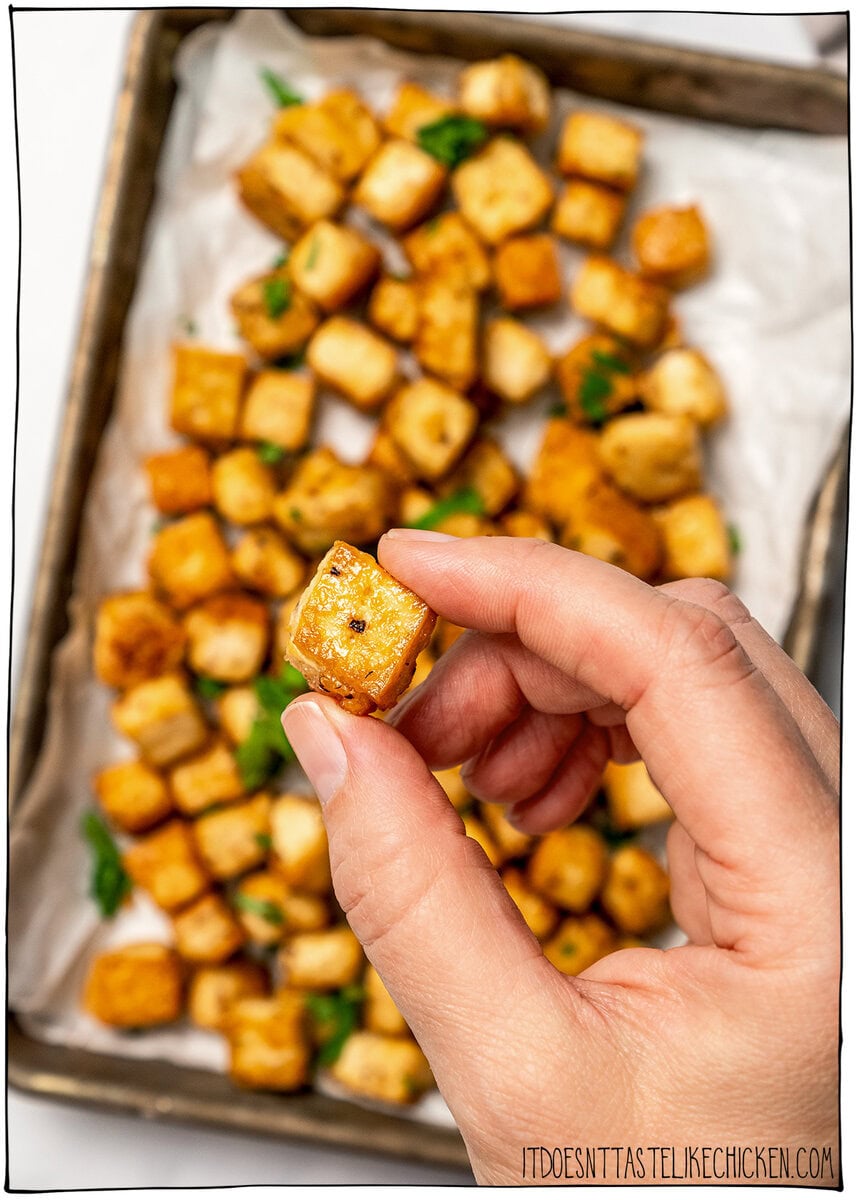
Baking offers a less oil-intensive way to achieve crispy tofu. By utilizing the dry heat of an oven, the tofu is gently dehydrated and crisped. This method is particularly appealing for those aiming to reduce their fat intake without sacrificing texture. Spreading the tofu in a single layer on a baking sheet is crucial to allow hot air to circulate evenly around each piece, promoting uniform crisping.
- Process Overview: Coated tofu is arranged on a baking sheet lined with parchment paper for easy cleanup. The oven is preheated to a relatively high temperature, and the tofu is baked, often with a flip halfway through, until it achieves the desired level of crispness. This method requires a slightly longer cooking time but is more hands-off.
Air Fryer Tofu: The Modern Convenience
The air fryer has revolutionized home cooking by providing a quick and efficient way to achieve crispy results with minimal oil. Its convection technology circulates hot air at high speeds, mimicking the effects of deep-frying but with significantly less fat. This method is lauded for its speed and its ability to produce exceptionally crispy tofu.
- Process Overview: Coated tofu is placed in the air fryer basket, ensuring not to overcrowch. The air fryer is set to a high temperature, and the tofu is cooked for a short duration, often with a shake or flip midway through, until golden and crisp. This is often the fastest method for achieving optimal crispiness.
Ingredients for Success
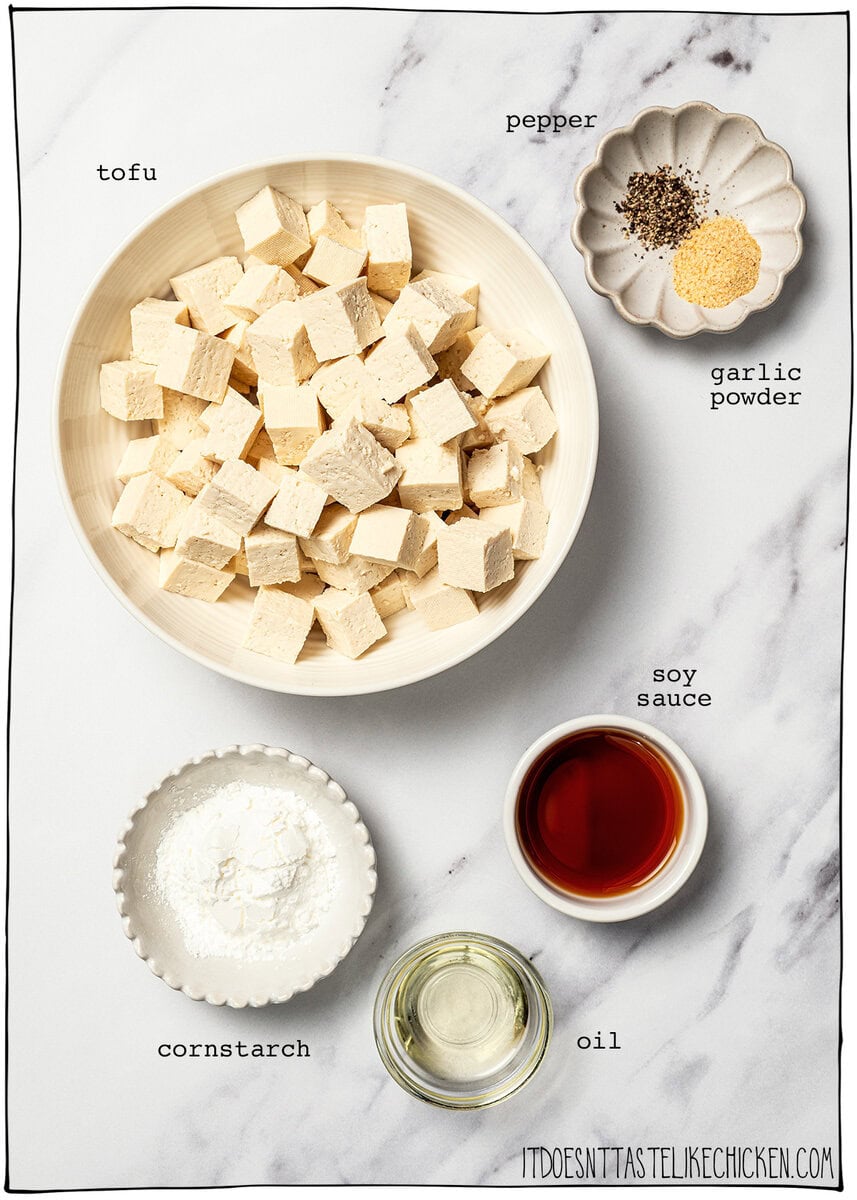
The fundamental ingredients for achieving perfectly crispy tofu are surprisingly simple, focusing on the tofu itself and a few key enhancers:
- Tofu: Extra-firm or firm tofu is recommended. These varieties have a lower moisture content and a denser texture, making them ideal for crisping. Silken or soft tofu is generally not suitable for this application as it is too delicate and high in water content.
- Cornstarch: This is the primary coating agent. Its fine texture and starch content create a superior crisp exterior when heated.
- Oil (Optional, for pan-frying and sometimes baking): A neutral-flavored oil with a high smoke point, such as vegetable oil, canola oil, or avocado oil, is suitable. For healthier options, oil can be omitted for baking and air frying.
- Seasonings: Salt is essential for flavor enhancement. Black pepper and other desired spices, such as garlic powder, onion powder, or paprika, can be added to the cornstarch mixture for an extra layer of flavor.
The Art of Preparation: Pressing and Coating
The preparation steps are as vital as the cooking methods themselves:
- Pressing the Tofu: This is a non-negotiable step for achieving crispy tofu. Blocks of tofu are typically wrapped in paper towels or a clean kitchen towel and placed under a heavy object (like books or a cast-iron skillet) for at least 30 minutes, or ideally longer. Alternatively, a tofu press can be used for more efficient moisture removal. The goal is to remove as much water as possible.
- Cutting the Tofu: Once pressed, the tofu is cut into desired shapes, typically cubes or triangles, approximately 1-inch in size. Uniformity in size ensures even cooking.
- Coating the Tofu: In a bowl, cornstarch is combined with salt and any other desired seasonings. The pressed and cut tofu is then gently tossed in this mixture until each piece is evenly coated. This step is crucial for creating the crispy shell.
Storage and Reheating Considerations
Leftover crispy tofu can be stored in an airtight container in the refrigerator for up to three days. However, its texture will inevitably soften over time. To restore crispiness, reheating in a skillet over medium heat or in an air fryer for a few minutes is highly recommended. Microwaving is generally not advised, as it tends to make tofu rubbery.
Nutritional Profile and Health Considerations
Tofu is a plant-based protein powerhouse, offering a complete amino acid profile. It is also a good source of iron and calcium, particularly when fortified. The nutritional content of crispy tofu will vary depending on the cooking method and the amount of oil used. Pan-fried tofu will generally have a higher fat content due to the oil used, while baked and air-fried versions can be significantly lower in fat, especially if oil is used sparingly or omitted entirely.
- Protein Content: A standard serving of tofu provides a substantial amount of protein, contributing to satiety and muscle maintenance.
- Fat Content: The type and amount of oil used directly impact the fat content. Opting for baking or air frying can significantly reduce overall fat intake.
- Sodium Content: This can be influenced by added salt and any marinades or sauces used. Individuals monitoring sodium intake should be mindful of these factors.
- Carbohydrate Content: Tofu is relatively low in carbohydrates, making it a suitable option for various dietary approaches.
Conclusion: A Culinary Cornerstone
The ability to consistently produce crispy tofu opens up a world of culinary possibilities. This foundational recipe, with its adaptable methods and straightforward ingredients, empowers home cooks to create a versatile and delicious ingredient that can enhance a multitude of dishes. Whether served as a protein-rich main, a textural element in a salad, or a satisfying snack, perfectly crispy tofu is a testament to simple ingredients transformed through thoughtful preparation and cooking techniques. Its widespread appeal and adaptability ensure its continued relevance in kitchens worldwide, solidifying its status as a culinary cornerstone for plant-based and health-conscious eating.