The Global Rise and Culinary Mechanics of Basque Burnt Cheesecake: From a San Sebastián Tapas Bar to Worldwide Phenomenon

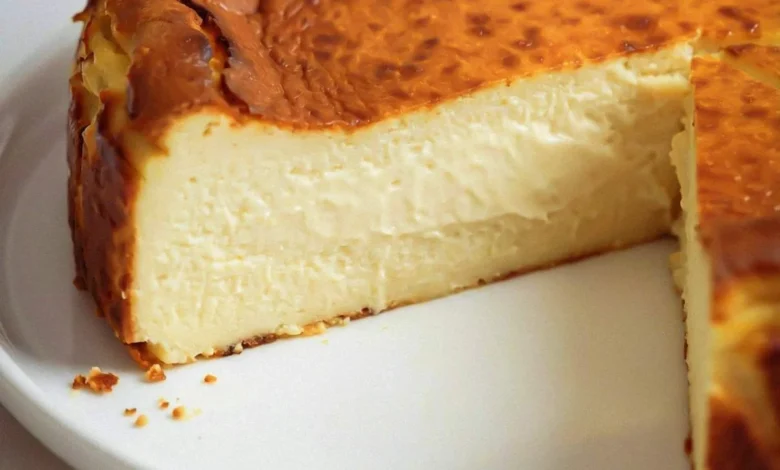
The global culinary landscape has experienced a profound shift over the past decade, moving away from hyper-engineered, structurally pristine desserts toward rustic, unpretentious creations that celebrate the chemistry of caramelization. Among these, the Basque burnt cheesecake—historically known as tarta de queso vasca—has transitioned from a regional specialty in northern Spain to an international baking staple found in elite patisseries and home kitchens alike. This crustless, highly oxidized confection defies traditional pastry conventions by embracing a deeply browned, seemingly scorched exterior while maintaining a luxuriously fluid, custardy center. As food scientists, culinary historians, and home bakers continue to deconstruct its immense popularity, the dessert stands as a masterclass in how simple ingredients, when subjected to extreme thermodynamic conditions, can produce extraordinary gastronomic results.
Origins and Cultural Chronology
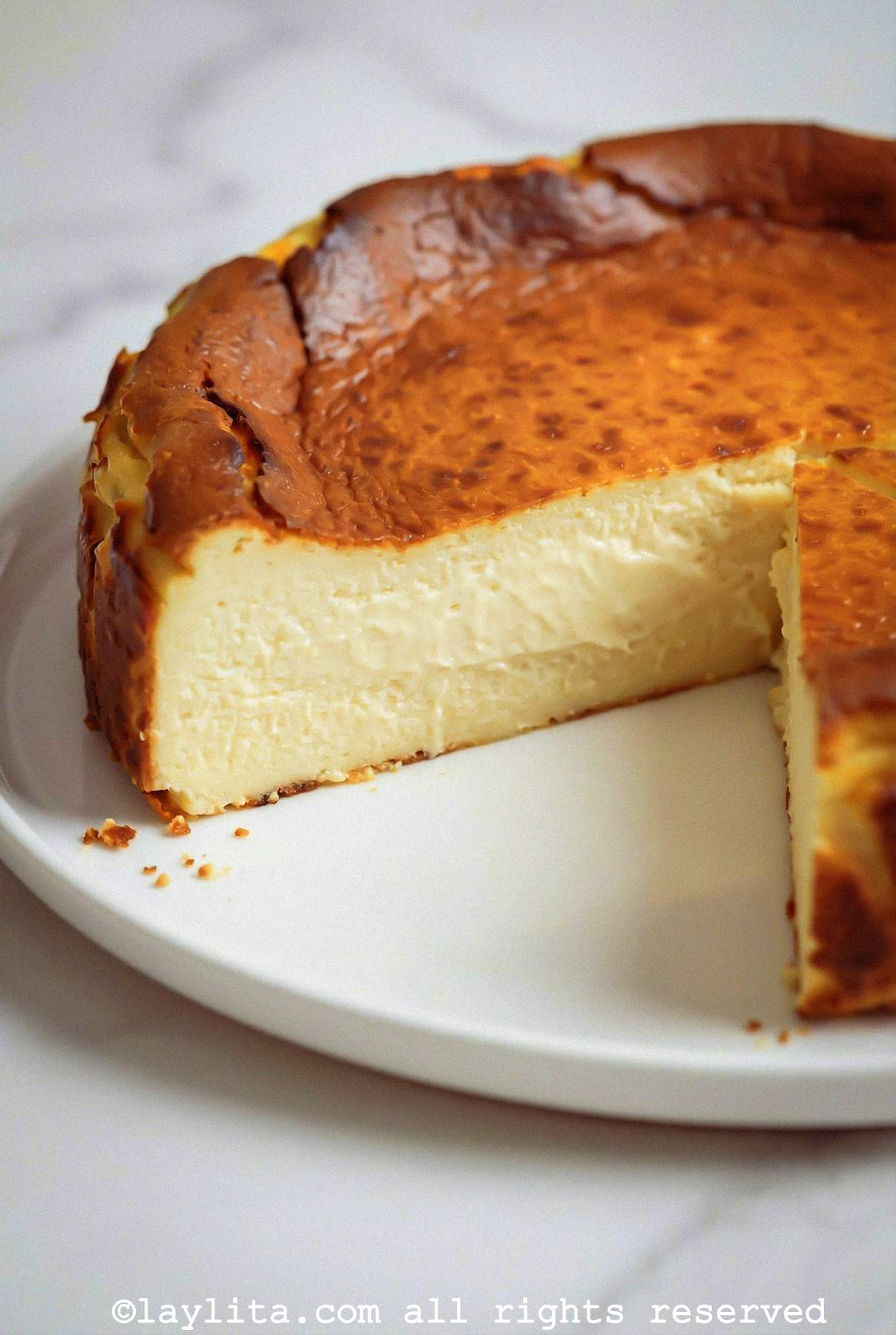
The genesis of the Basque burnt cheesecake dates back to 1990 in San Sebastián, a coastal city in Spain’s Basque Country renowned globally for its rigorous culinary standards and vibrant pintxo bar culture. Santiago Rivera, the proprietor of La Viña, a modest establishment situated in the city’s historic Old Town, sought to create a unique dessert to offer patrons following savory meals of local seafood and cured meats. Unlike traditional cheesecakes that trace their lineage to ancient Greece or the modern American New York-style iteration—characterized by graham cracker crusts, delicate water baths, and pale, uniform surfaces—Rivera envisioned a minimalist approach.
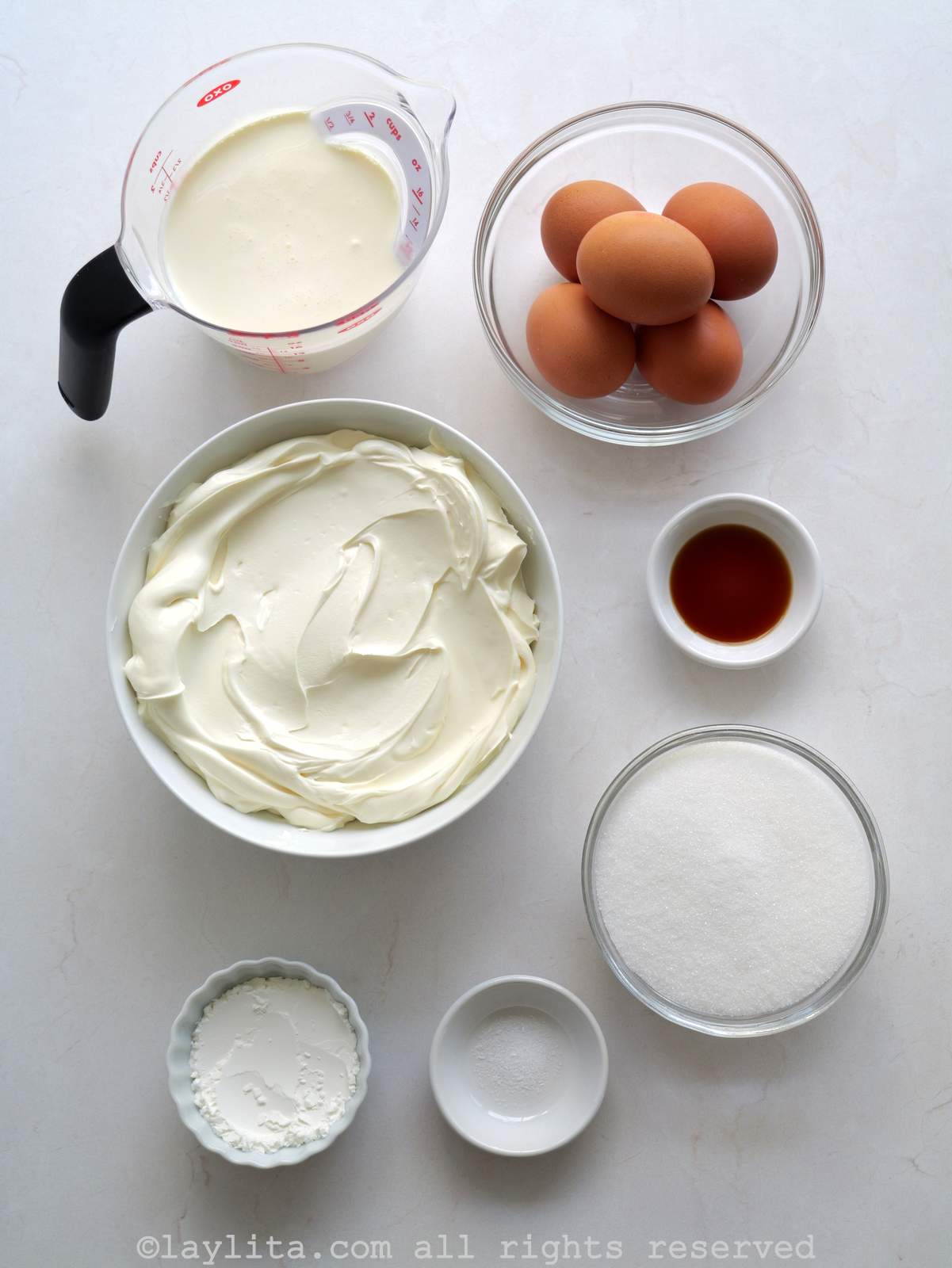
His formulation discarded the crust entirely, utilizing only a handful of fundamental components: full-fat cream cheese, granulated sugar, fresh eggs, heavy whipping cream, a touch of vanilla, and a minimal stabilizing agent of flour or cornstarch. Rather than baking the mixture gently to prevent surface blemishes, Rivera subjected the cake to a scorching oven temperature. The resulting dessert featured an aggressively caramelized, mahogany-topped exterior born of the Maillard reaction, contrasting sharply with an interior that remained extraordinarily soft and velvety. For decades, La Viña served the tarta de queso primarily to local diners and regional tourists, maintaining a quiet status as a Basque culinary secret.
The Global Diffusion and Digital Gastronomy
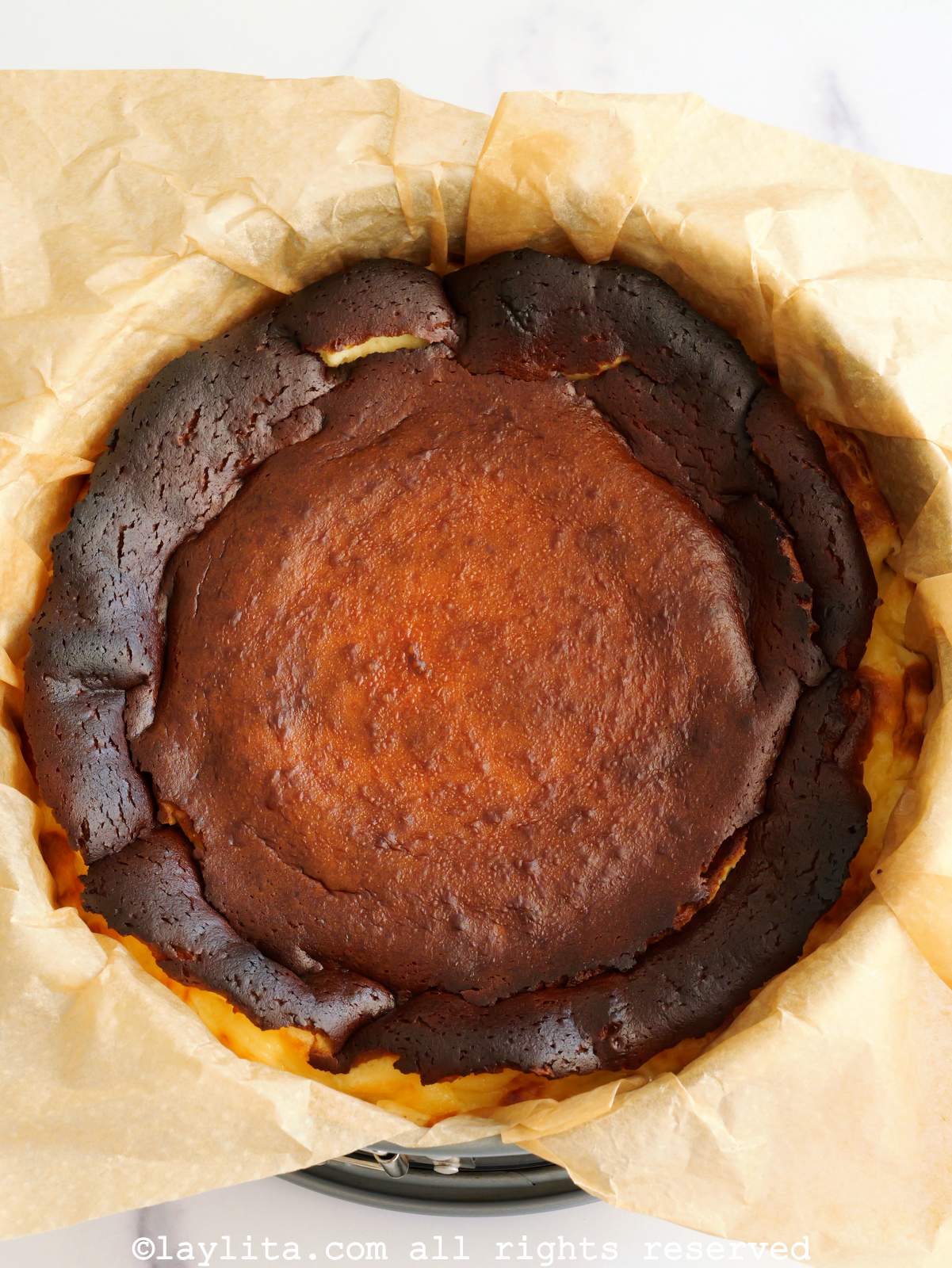
The internationalization of the Basque cheesecake began in earnest during the mid-2010s, accelerated by culinary tourism, international chef collaborations, and the digital dissemination of food media. As food writers and traveling pastry chefs discovered La Viña, the recipe was replicated and adapted abroad. In cities such as Tokyo, Istanbul, and New York, specialized bakeries opened with concepts built entirely around the burnt cheesecake aesthetic.
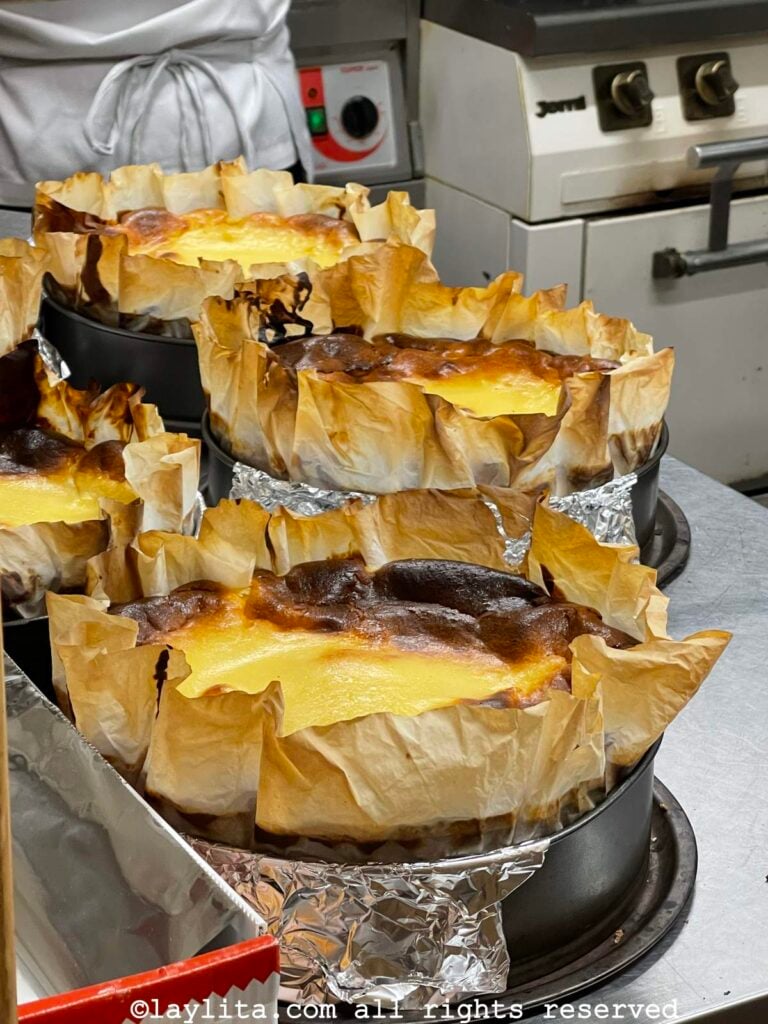
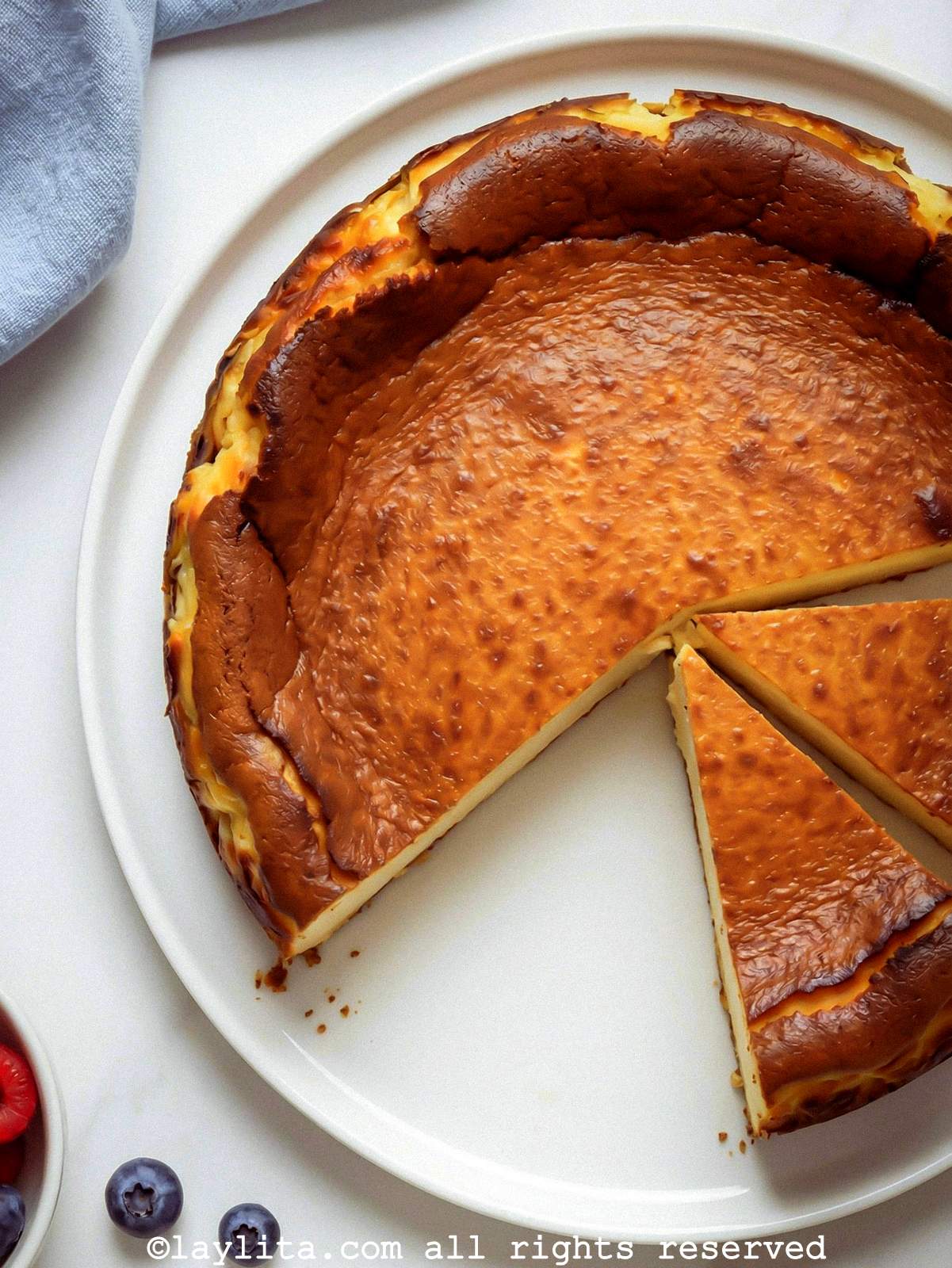
By the late 2010s and early 2020s, the recipe found a massive digital audience on platforms like Instagram and TikTok. Culinary analysts attribute its viral success to several visual and psychological factors. Unlike multi-tiered cakes requiring advanced decorating skills or delicate mousses prone to collapsing, the Basque cheesecake is explicitly defined by its rustic, imperfect appearance. Cracks, uneven rises, and dark, charred tops are not defects to be mitigated; they are mandatory markers of authenticity. Furthermore, the visual appeal of slicing into the dessert to reveal a slow, luxurious center provided high-engagement content for digital media consumers during periods of increased home cooking worldwide.
Culinary Mechanics and Technical Precision
From a baking science perspective, the preparation of a Basque burnt cheesecake subverts conventional pastry logic. Traditional cheesecakes require low-temperature baking, often insulated within a water bath (bain-marie), to ensure even heat distribution, prevent protein coagulation in the eggs, and inhibit surface cracking. The Basque method discards these safeguards entirely.
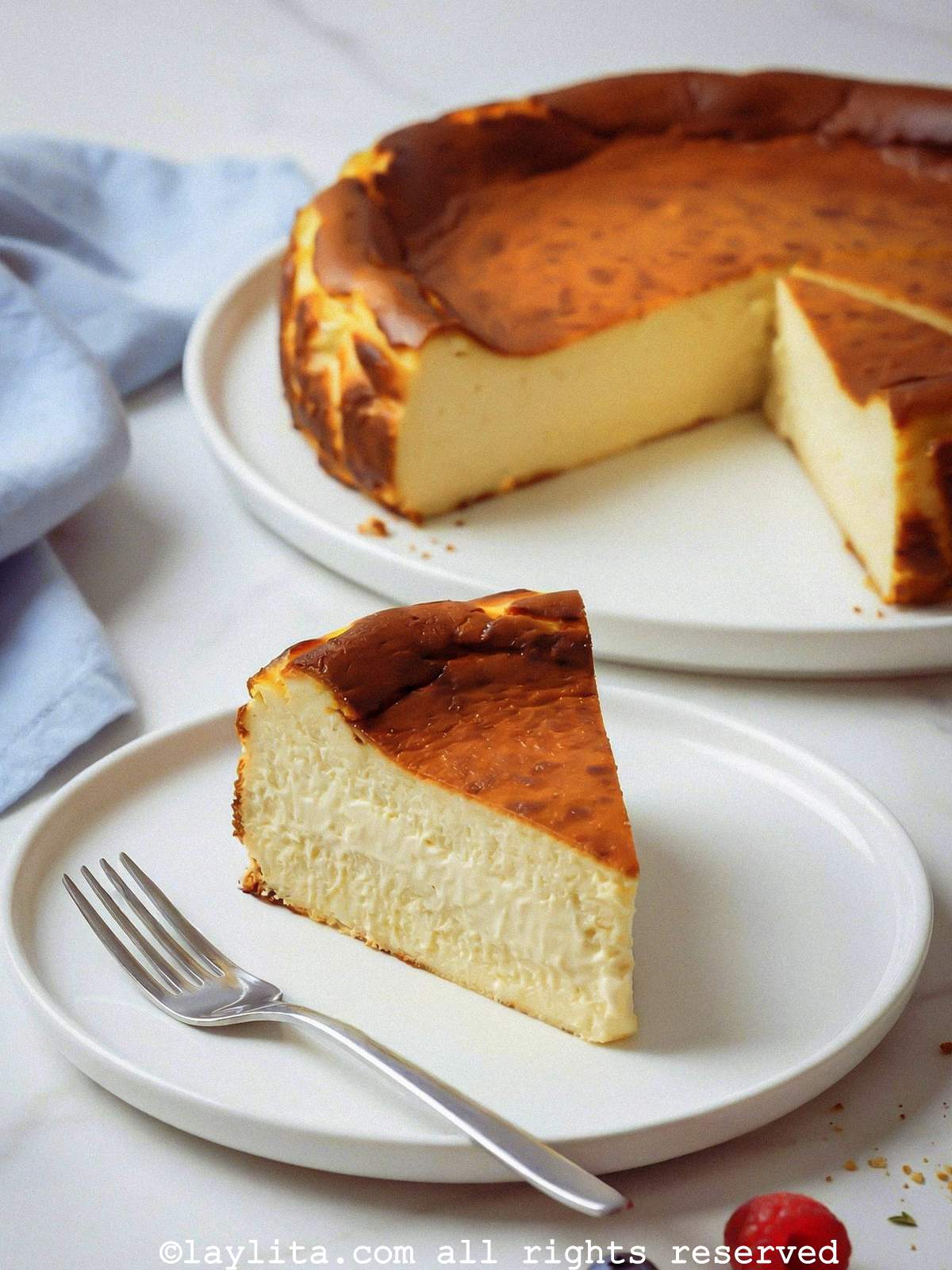
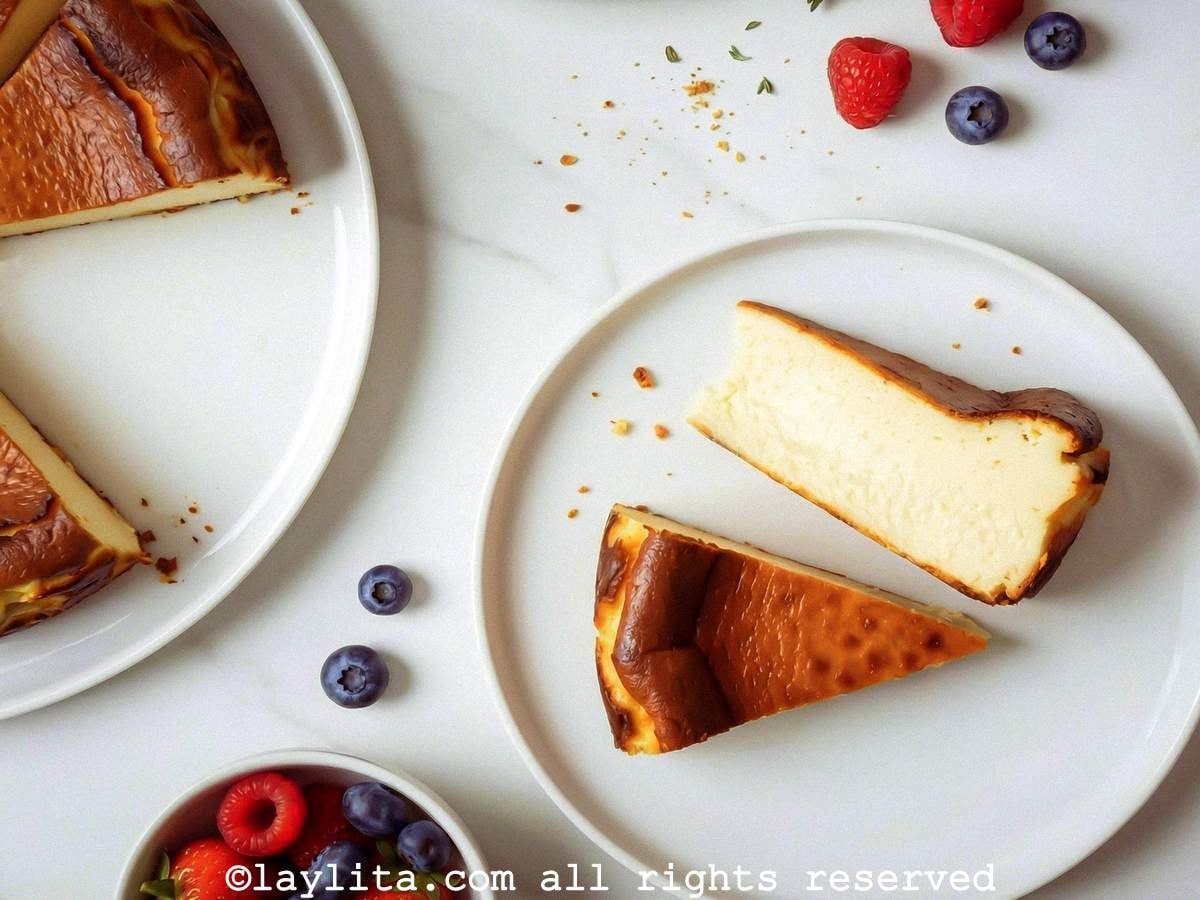
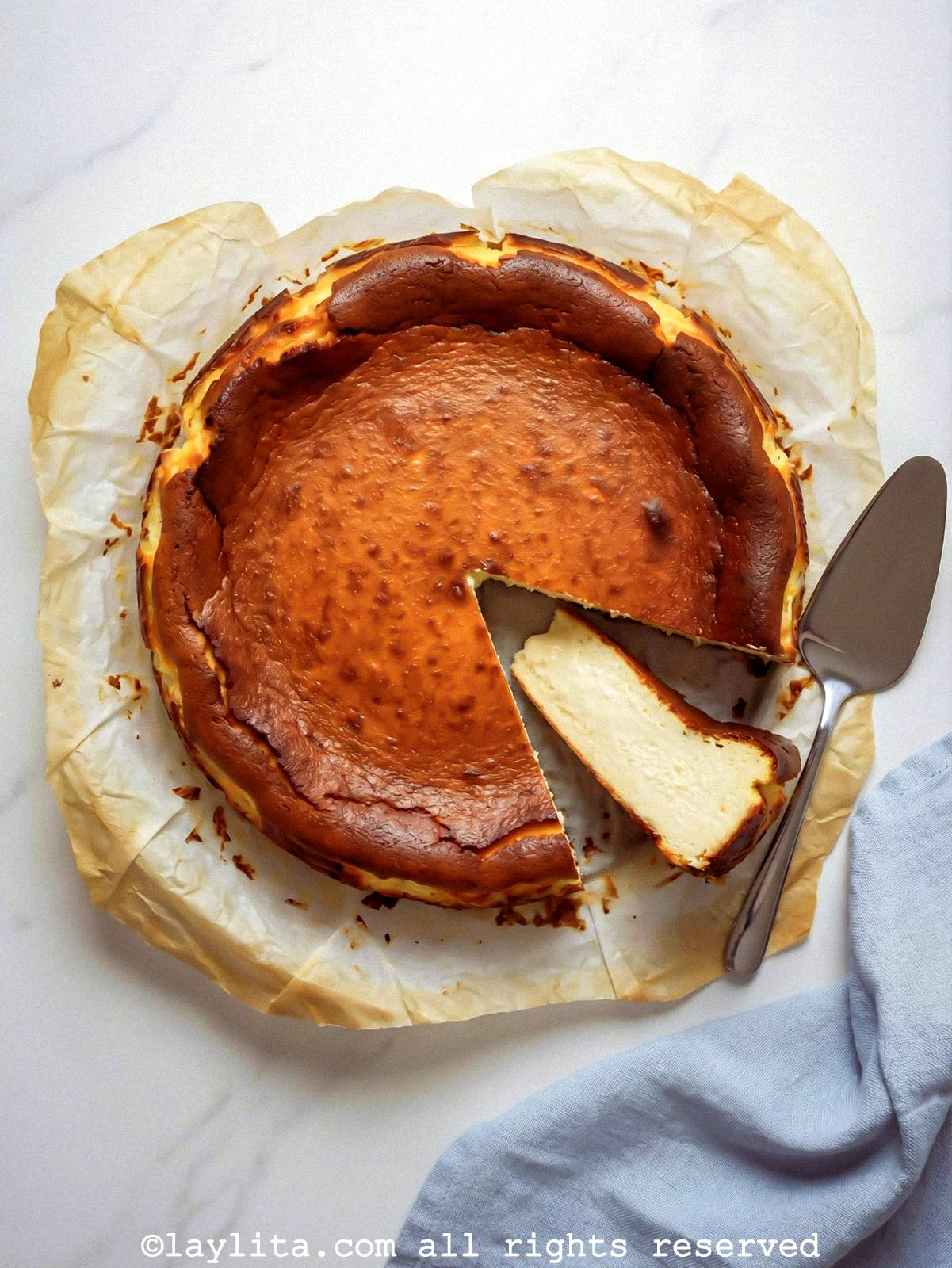
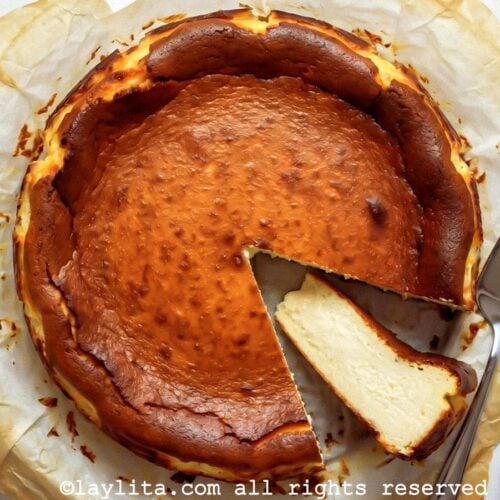
The batter is baked in a high-heat environment, typically ranging between 400°F and 425°F (200°C to 220°C). This intense thermal energy rapidly caramelizes the sugars and initiates complex browning reactions across the top and sides of the cake. Simultaneously, the heavy cream and high fat content of the cream cheese insulate the interior, preventing the core from cooking as quickly as the perimeter. Consequently, when the cake is removed from the oven, the exterior is deeply colored and firm, while the center retains a deliberate wobble or jiggle.
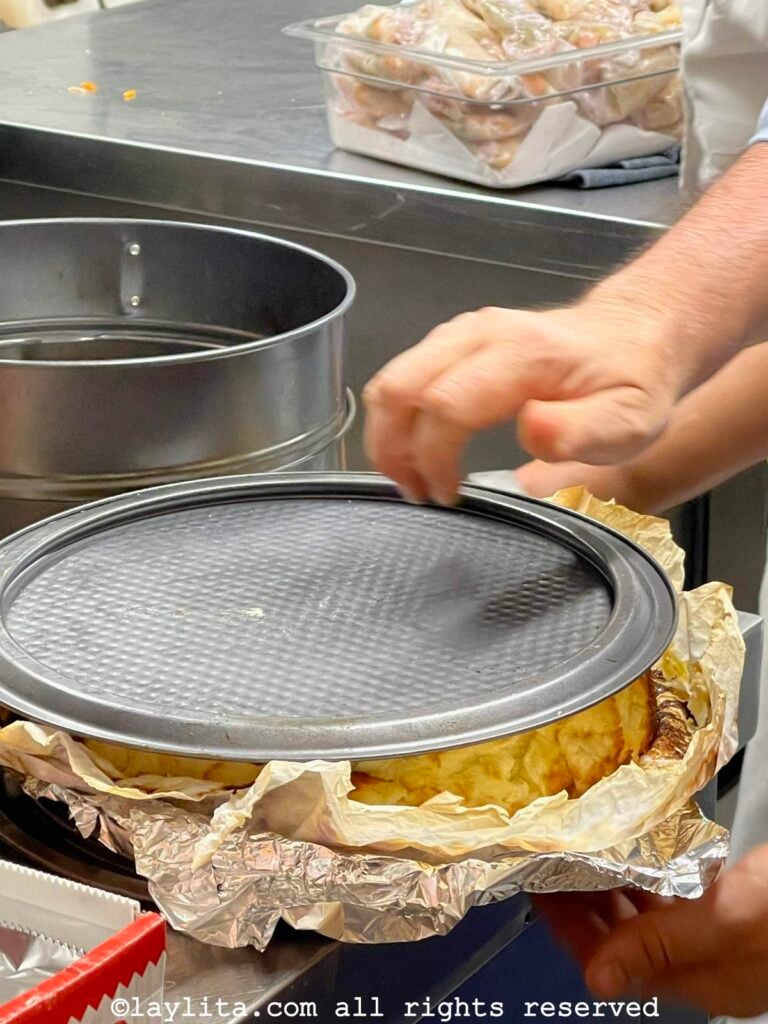
Patience is required during the subsequent cooling and resting phases. As the cheesecake transitions from ambient temperature to refrigeration, the internal proteins set further, transforming the liquid-like center into a rich, custardy, melt-in-the-mouth texture. Culinary experts emphasize that slicing the cake while warm yields a completely different eating experience compared to serving it fully chilled after resting for several hours or overnight.
Socio-Economic and Market Implications
The widespread adoption of the Basque burnt cheesecake has generated notable implications for the commercial baking industry and specialty retail sectors. Cream cheese manufacturers and dairy purveyors have reported increased baseline consumption figures, directly tied to home-baking trends emphasizing European-style artisanal desserts. Furthermore, independent patisseries have leveraged the dessert’s high profit margins and low labor complexity—due to the absence of rolling, laminating, or intricate decorating—to bolster revenue streams.
Restaurants that previously viewed cheesecake as a heavy, dated menu item have successfully reintroduced contemporary iterations of the Basque style, often pairing the rich, savory-sweet profile with tart fruit compotes, such as strawberry-rhubarb or blackberry coulis, to balance the palate. The accessibility of the recipe has also democratized gourmet baking, empowering home cooks to produce a dessert of restaurant-quality prestige without requiring specialized pastry equipment or professional training.
As culinary trends continue to evolve toward transparent, ingredient-focused, and heritage-driven recipes, the Basque burnt cheesecake endures not merely as a social media phenomenon, but as a permanent addition to the global pastry canon. Its journey from a single bar counter in San Sebastián to dining tables across the globe underscores the universal appeal of simplicity paired with bold, uncompromising execution.