
Roasted New Red Potatoes

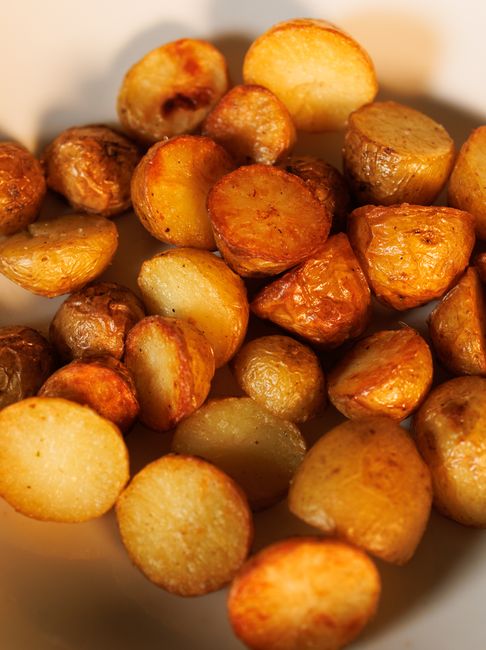
The Ultimate Guide to Roasting New Red Potatoes: Crispy Skin, Fluffy Interior, and Endless Versatility
New red potatoes, with their delicate skins and creamy, tender flesh, are a springtime and summer staple. Roasting them is a transformative cooking method that unlocks their inherent sweetness and creates an irresistible textural contrast: a satisfyingly crisp exterior giving way to a yielding, fluffy interior. This comprehensive guide delves into the science and art of roasting new red potatoes, offering detailed instructions, troubleshooting tips, and a wealth of ideas to elevate this humble ingredient into a star dish.
The key to perfectly roasted new red potatoes lies in understanding the role of heat, fat, and surface area. High oven temperatures, typically between 400°F and 425°F (200°C to 220°C), are crucial for achieving that desirable crispness. This intense heat promotes the Maillard reaction, a complex chemical process responsible for browning and developing hundreds of flavor compounds. Simultaneously, the moisture within the potato cells evaporates, leading to a drier, more tender interior. Fat, whether it’s olive oil, melted butter, or rendered animal fat, acts as a conductor of heat, distributing it evenly across the potato’s surface and preventing sticking. It also contributes to browning and adds richness to the final product. Finally, adequate spacing between the potato pieces on the baking sheet is paramount. Overcrowding the pan will steam the potatoes rather than roast them, resulting in a soggy, unappetizing outcome. Aim for a single layer with a small amount of breathing room around each piece.
Selecting the right new red potatoes is the first step towards success. Look for firm, smooth-skinned potatoes with no soft spots or blemishes. Size matters; aim for uniformly small to medium-sized potatoes, roughly 1 to 2 inches in diameter. This ensures even cooking. If you encounter larger new red potatoes, consider cutting them in half or quarters to maintain consistency. The thin, edible skin of new red potatoes is a significant advantage for roasting. Unlike their mature counterparts, they don’t require peeling, saving time and preserving nutrients. The skin crisps up beautifully in the oven, adding a delightful chewiness and rustic appeal. When it comes to washing, a gentle scrub under cool running water with a vegetable brush is sufficient to remove any dirt. Avoid soaking, as excess moisture can hinder the crisping process.
The preparation of new red potatoes for roasting is straightforward yet critical. After washing, thoroughly pat them dry with paper towels or a clean kitchen towel. This step cannot be overstated for achieving crispiness. Any surface moisture will inhibit browning and lead to steaming. Once dry, the potatoes can be roasted whole if they are small, or cut into halves or quarters. The size of the cut pieces will influence cooking time; smaller pieces will cook faster. For a uniform roast, it’s important to ensure all pieces are roughly the same size.
Seasoning is where the true magic begins, transforming simple potatoes into a flavorful delight. The foundation of any good roasted potato seasoning is salt and pepper. Kosher salt or sea salt is preferred for its texture and ability to draw out moisture. Freshly ground black pepper adds a pungent kick. Beyond the basics, a world of flavor possibilities opens up. Garlic, whether minced fresh, powdered, or even roasted whole cloves tossed with the potatoes, imparts an aromatic depth. Herbs are a natural pairing for potatoes. Rosemary, thyme, oregano, and sage, either fresh or dried, offer distinct profiles. For a Mediterranean flair, consider adding lemon zest, dried Italian herbs, or a pinch of red pepper flakes for heat. Smoked paprika provides a subtle smoky sweetness and vibrant color. Nutritional yeast can add a cheesy, umami flavor without dairy. The key is to toss the potatoes thoroughly with oil and seasonings, ensuring every surface is coated. This ensures even flavor distribution and promotes browning.
Preheating the oven is a non-negotiable step for successful roasting. As mentioned earlier, a hot oven is essential. A temperature of 400°F to 425°F (200°C to 220°C) is the sweet spot. Some chefs advocate for starting at a higher temperature and then reducing it, or vice versa, to achieve specific textures, but for most home cooks, maintaining a consistent high heat is the most reliable method. Place the oven rack in the middle position to ensure even heat circulation around the pan.
Choosing the right baking sheet is also important. A rimmed baking sheet is essential to contain any stray oil or seasonings. Heavy-duty aluminum foil or parchment paper can be used to line the baking sheet for easy cleanup, though some believe direct contact with the metal pan promotes better browning. If using parchment paper, ensure it’s oven-safe for the chosen temperature. Avoid using glass baking dishes, as they tend to retain heat and can lead to uneven cooking.
The roasting process itself requires careful attention. Once the seasoned potatoes are spread in a single layer on the preheated baking sheet, they are ready for the oven. The cooking time will vary depending on the size of the potato pieces and the oven’s accuracy, but generally ranges from 25 to 45 minutes. The crucial element is to flip or toss the potatoes halfway through the cooking time. This ensures that all sides are exposed to the heat and achieve that desirable golden-brown crispness. Use a spatula or tongs to carefully turn the potato pieces. Resist the urge to overcrowd the pan; this is a common mistake that leads to steaming. If necessary, use two baking sheets.
Determining doneness is crucial. The potatoes are ready when they are tender when pierced with a fork and have developed a deeply golden-brown, crispy exterior. You should see some caramelization on the edges. The aroma will also be a giveaway – a rich, nutty, and slightly sweet scent will fill the kitchen.
Troubleshooting common issues is part of mastering any cooking technique. If your roasted potatoes are not crispy, several factors could be at play. Insufficient oven temperature is a prime suspect. Ensure your oven is accurately preheated. Overcrowding the pan is another common culprit; redistribute the potatoes with more space. Not drying the potatoes thoroughly before seasoning can also lead to sogginess. Ensure they are bone dry. Using too much oil can also hinder crisping; a light, even coating is sufficient. If your potatoes are sticking to the pan, you may not have used enough oil, or the pan may not be non-stick. A well-seasoned cast iron skillet can be an excellent tool for achieving superior crispiness.
If your potatoes are burning on the outside but are still raw inside, your oven temperature might be too high, or the pieces might be too small. Reduce the temperature slightly or increase the size of your cuts. Uneven browning can occur if the pan is not rotated or if the potatoes are not tossed halfway through. Ensure you are tossing them thoroughly for even exposure to heat.
The versatility of roasted new red potatoes is one of their greatest strengths. They are a perfect side dish for a wide array of main courses, from grilled steaks and roasted chicken to pan-seared fish and vegetarian entrees. Their inherent flavor complements almost any cuisine.
Beyond a simple side, roasted new red potatoes can be incorporated into numerous dishes. They are excellent in potato salads, offering a more interesting texture and flavor than boiled potatoes. Their crisp exterior holds up well in dressings. Toss them with fresh herbs, chopped celery, red onion, and a creamy or vinaigrette-based dressing for a vibrant salad. They make a fantastic addition to breakfast hashes, piled high with eggs, bacon, or sausage. Their inherent heartiness makes them a satisfying base.
For a more substantial meal, consider transforming them into loaded baked potatoes. Halve the roasted potatoes, scoop out some of the interior, mix it with cheese, sour cream, chives, and bacon bits, then stuff it back into the skins and return to the oven until bubbly. They can also be mashed for a richer, more flavorful mash than traditional boiled potatoes, with the skins adding a subtle texture and nutritional boost. Roasting caramelizes the sugars in the potatoes, resulting in a naturally sweeter and more complex mashed potato.
Consider incorporating them into a hearty lentil soup or a rustic stew, adding a delightful bite and absorbing the flavors of the broth. Their slightly firmer texture compared to boiled potatoes prevents them from becoming mushy. They are also a wonderful addition to frittatas and quiches, providing substance and a pleasing texture. Simply chop them and scatter them among the other ingredients before baking.
When it comes to seasoning for specific dishes, think about the overall flavor profile. For a Mexican-inspired meal, toss them with chili powder, cumin, and a squeeze of lime. For an Indian-inspired dish, consider turmeric, garam masala, and fresh cilantro. For a hearty Italian meal, rosemary and garlic are classic pairings. Don’t be afraid to experiment with global flavors; the neutral canvas of the roasted potato is incredibly adaptable.
Storage and reheating are also important considerations. Leftover roasted new red potatoes can be stored in an airtight container in the refrigerator for up to 3-4 days. Reheating is best done in the oven or a toaster oven at around 350°F (175°C) until heated through and re-crisped. Microwaving can result in a softer texture.
In conclusion, mastering the art of roasting new red potatoes is a fundamental skill for any home cook. By understanding the principles of heat, fat, and surface area, and by paying attention to selection, preparation, and seasoning, you can consistently produce perfectly roasted potatoes that are both delicious and incredibly versatile. Their ability to transform from a simple side dish into a star ingredient in a multitude of culinary creations makes them an invaluable addition to your repertoire. Whether served as a classic accompaniment or reimagined in innovative dishes, roasted new red potatoes are a testament to the power of simple ingredients prepared with care and precision.


