The American culinary landscape is defined by its regional diversity, yet few desserts bridge the gap between tradition and modern convenience as effectively as the peach cobbler. As summer temperatures peak and stone fruits reach their optimal ripeness, this specific iteration of the Easy Peach Cobbler emerges as a focal point for home bakers seeking a balance between gourmet flavor and accessible preparation. Characterized by a bubbling fruit base and a unique cake-like topping that deviates from the traditional biscuit-style crust, the recipe represents a broader trend in domestic science: the optimization of heritage comfort foods for the contemporary kitchen.
The Historical Evolution of the American Cobbler
The origins of the cobbler are deeply rooted in the early American colonial experience, emerging as a pragmatic adaptation of British suet puddings. When English settlers arrived in the New World, they lacked the specific ingredients and equipment—such as suet and steaming basins—required to replicate traditional British puddings. Consequently, they began "cobbling" together desserts using available local fruits and basic dough remnants.

By the mid-19th century, the cobbler had become a staple of frontier cooking. Its design was inherently functional; it could be baked in a Dutch oven over an open fire, making it an ideal dish for travelers and settlers moving westward. Over decades, regional variations began to crystallize. In the Deep South, the peach cobbler became the definitive version, largely due to the proliferation of peach orchards in states like Georgia and South Carolina. While some regions preferred a "slump" or a "grunt" (stovetop versions) or a "pandowdy" (where the crust is broken into the fruit), the baked cobbler remained the most prestigious iteration.
The modern "Easy Peach Cobbler" is a direct descendant of these historical improvisations. Unlike the more labor-intensive pie, which requires a chilled, rolled-out crust, the cobbler’s "cake-like" topping represents a mid-20th-century shift toward batter-based desserts. This evolution prioritized a texture that could absorb the "pot likker" or syrup of the fruit, creating a hybrid experience that sits between a sponge cake and a traditional dumpling.
Agricultural Context and the Economics of Stone Fruit
The viability and popularity of peach-based desserts are intrinsically linked to the health of the American peach industry. According to data from the United States Department of Agriculture (USDA), California, South Carolina, and Georgia remain the primary producers of peaches in the nation. However, the industry has faced significant volatility in recent years due to shifting climatic patterns.
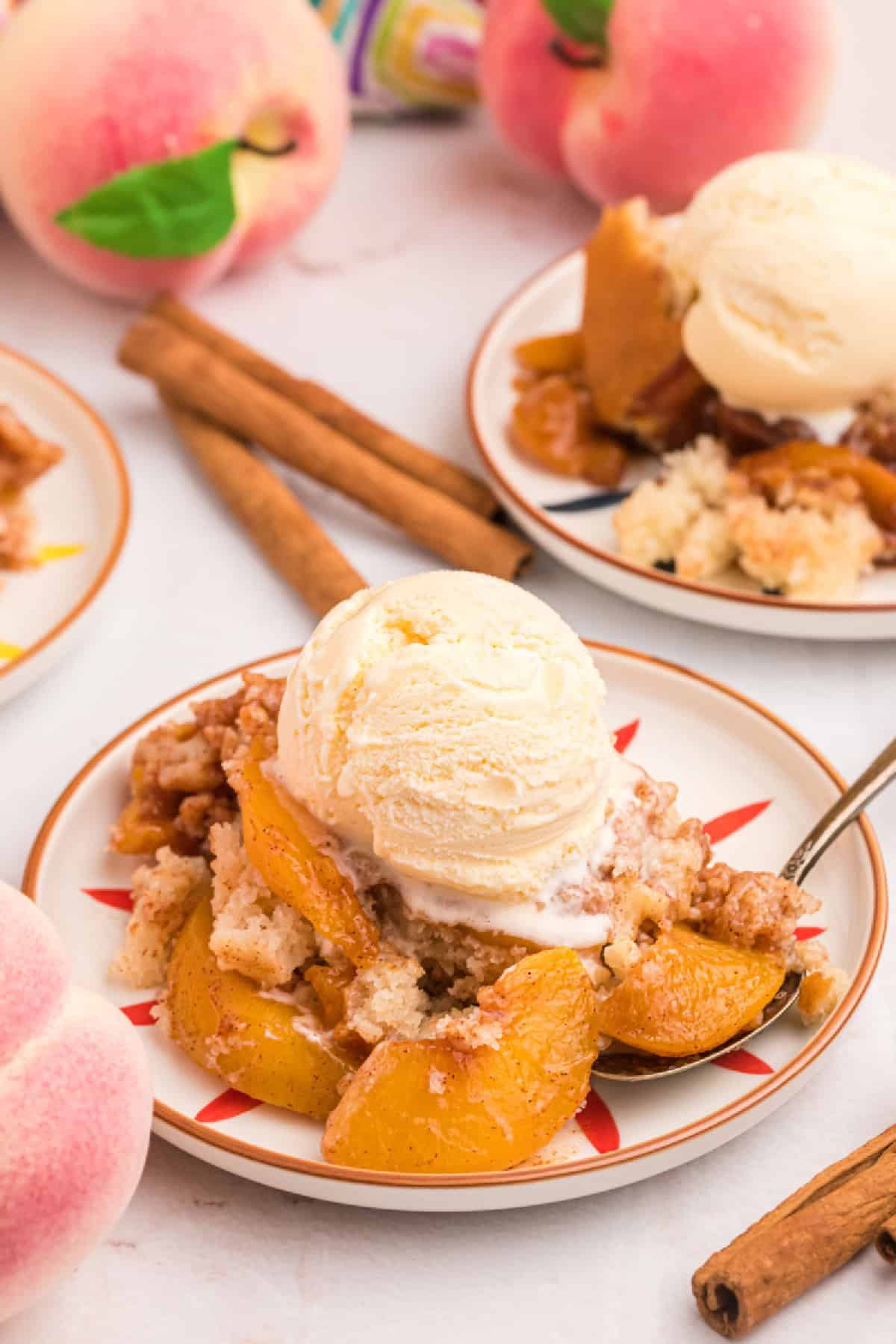
In 2023, for instance, peach growers in the Southeast experienced a catastrophic loss—some reporting up to 90% crop failure—due to unseasonably warm winters followed by late-season frosts. Such agricultural fluctuations directly influence consumer behavior and recipe development. The "Easy Peach Cobbler" addresses this economic reality by offering a flexible ingredient list. The recipe’s endorsement of frozen peaches as a viable alternative to fresh produce is a strategic response to the rising costs and seasonal scarcity of high-quality stone fruits.
Frozen peaches are typically processed at the peak of ripeness, flash-freezing nutrients and sugars. From a culinary perspective, frozen fruit often releases more moisture upon thawing than fresh fruit does during baking. The batter-based topping of this cobbler is specifically engineered to handle this excess hydration, utilizing the fruit’s natural juices to steam the underside of the crust while the top remains golden and crisp.
Technical Composition and Chemical Interactions
The success of the Easy Peach Cobbler relies on specific chemical interactions between its primary components: the fruit filling and the buttery topping. Each serving, which contains approximately 350 calories, is a study in the balance of acidity, sweetness, and leavening.
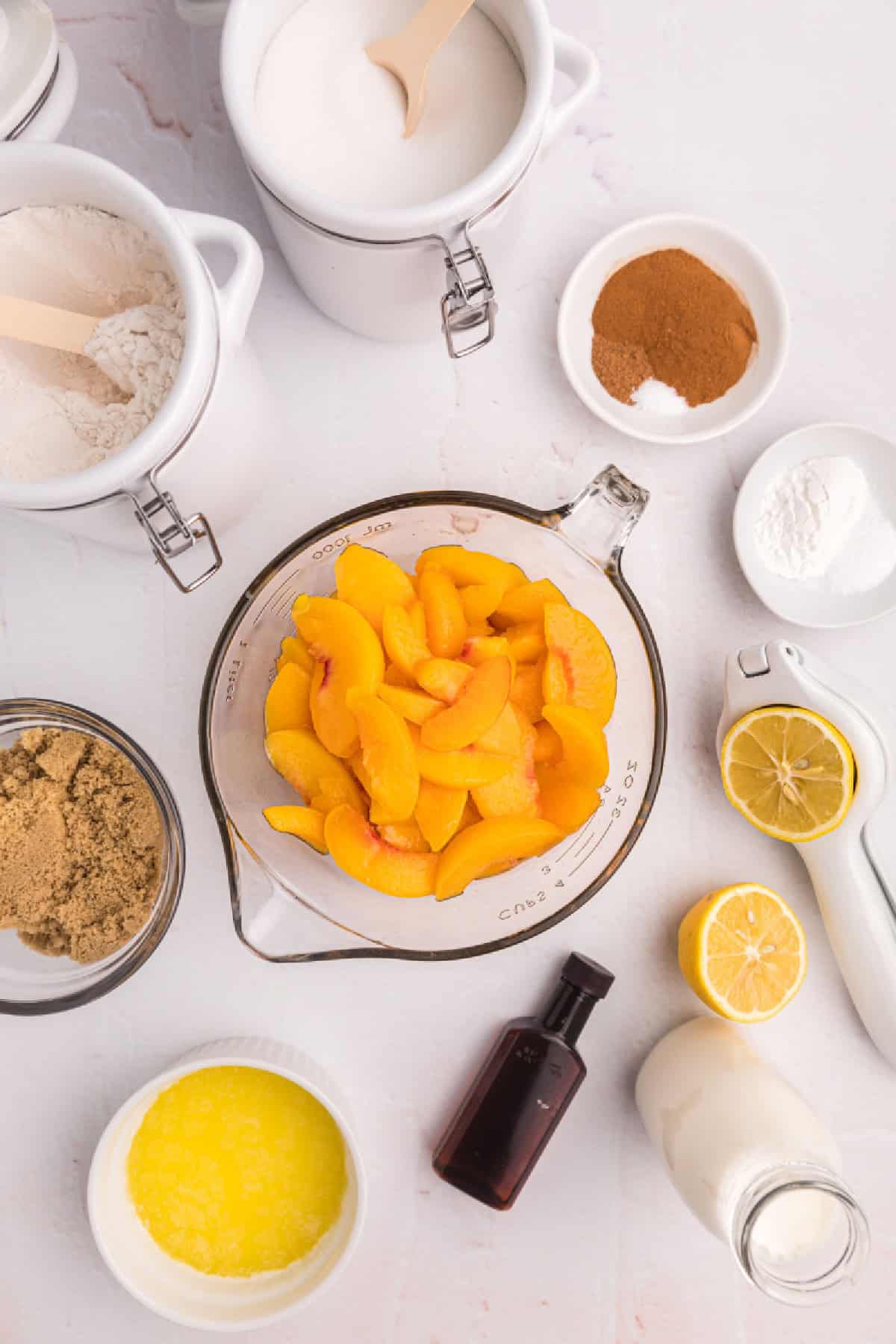
The Fruit Filling
The filling utilizes cinnamon and nutmeg, spices that have historically been used to enhance the perceived sweetness of fruit without requiring excessive amounts of refined sugar. When peaches are heated, their cell walls break down, releasing pectins and sugars. The inclusion of these spices creates a complex flavor profile that masks the potential tartness of underripe fruit or the slightly muted flavors of frozen varieties.
The Cake-Like Topping
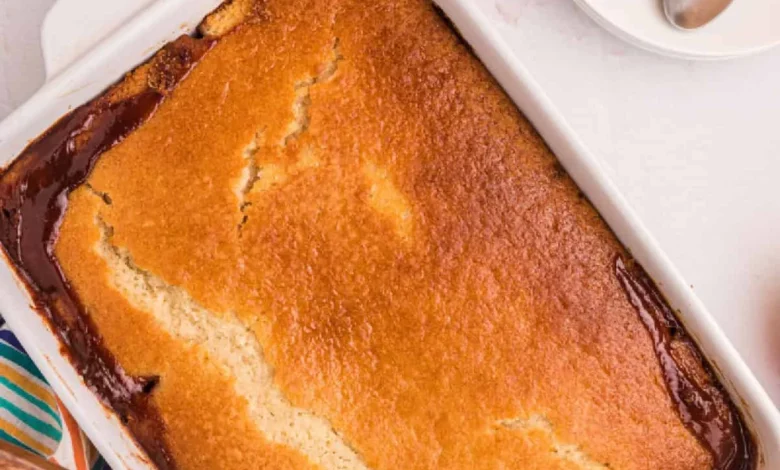
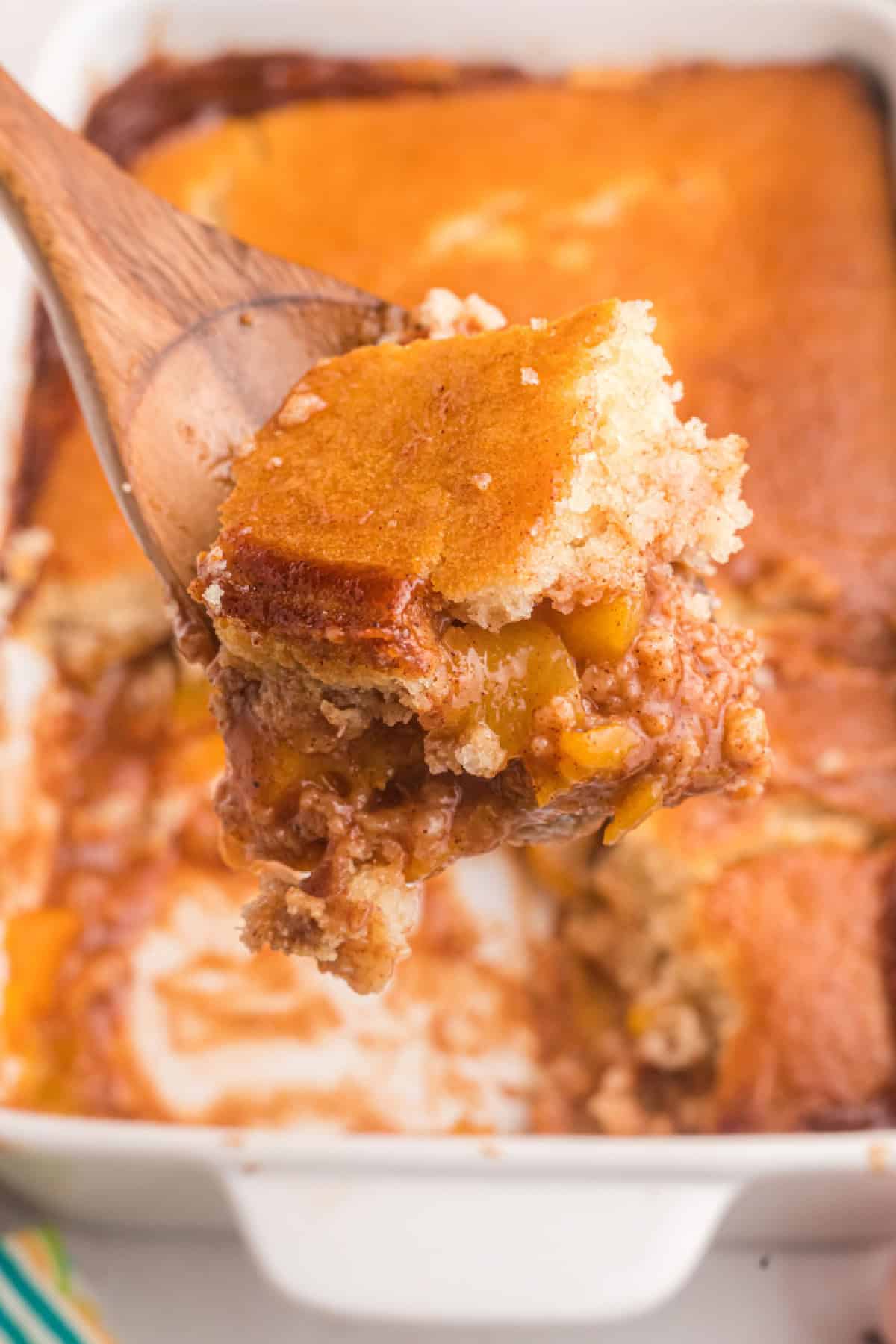
The "soft, buttery topping" described in the recipe is technically a high-fat batter. Unlike a biscuit topping, which relies on cold fat (butter or lard) to create flaky layers through steam expansion, this batter-style topping uses creamed or melted fats to produce a tender, uniform crumb. As the cobbler bakes, the batter expands upward due to chemical leaveners (baking powder), while the bottom layer of the batter interfaces with the boiling fruit juice. This creates a "custard zone"—a layer of dough that is saturated with peach syrup, providing the "jammy" texture that defines the dish.
Nutritional Profile and Consumer Trends
A detailed analysis of the recipe’s nutritional data reveals a dessert that aligns with traditional American indulgence while providing certain micronutrients. Each of the 12 servings provides:
- Calories: 350 kcal
- Total Carbohydrates: 64g
- Sugar: 45g
- Vitamin A: 466 IU (derived primarily from the peaches and butter)
- Calcium: 127mg
The high sugar content (45g per serving) places this dish firmly in the category of occasional treats. However, the presence of Vitamin A and fiber (2g) offers a marginal nutritional advantage over purely synthetic or processed snacks. In the context of the modern "Slow Food" movement, the act of baking a cobbler from scratch—even an "easy" version—is seen by sociologists as a rejection of ultra-processed commercial baked goods. It allows the consumer to control the quality of the fats and the source of the fruit, contributing to a more mindful consumption pattern.
Regional Reactions and Culinary Implications
Culinary experts and food historians often view the simplicity of the cobbler as its greatest strength. Reaction from the domestic baking community suggests that the "Easy Peach Cobbler" fills a specific niche for "potluck diplomacy." Because the dish is easily scalable and transportable, it remains a favorite for community gatherings, holidays, and family reunions.
Chef and food writer reactions to batter-style cobblers often highlight the "crust-to-fruit ratio." While purists may argue for the traditional dropped-biscuit topping, modern consumers frequently favor the batter-style for its consistency. "The batter-style cobbler is foolproof," notes one culinary analyst. "It eliminates the risk of a dry, floury biscuit. Instead, you get a moist, cohesive dessert that mimics the comfort of a warm bread pudding."
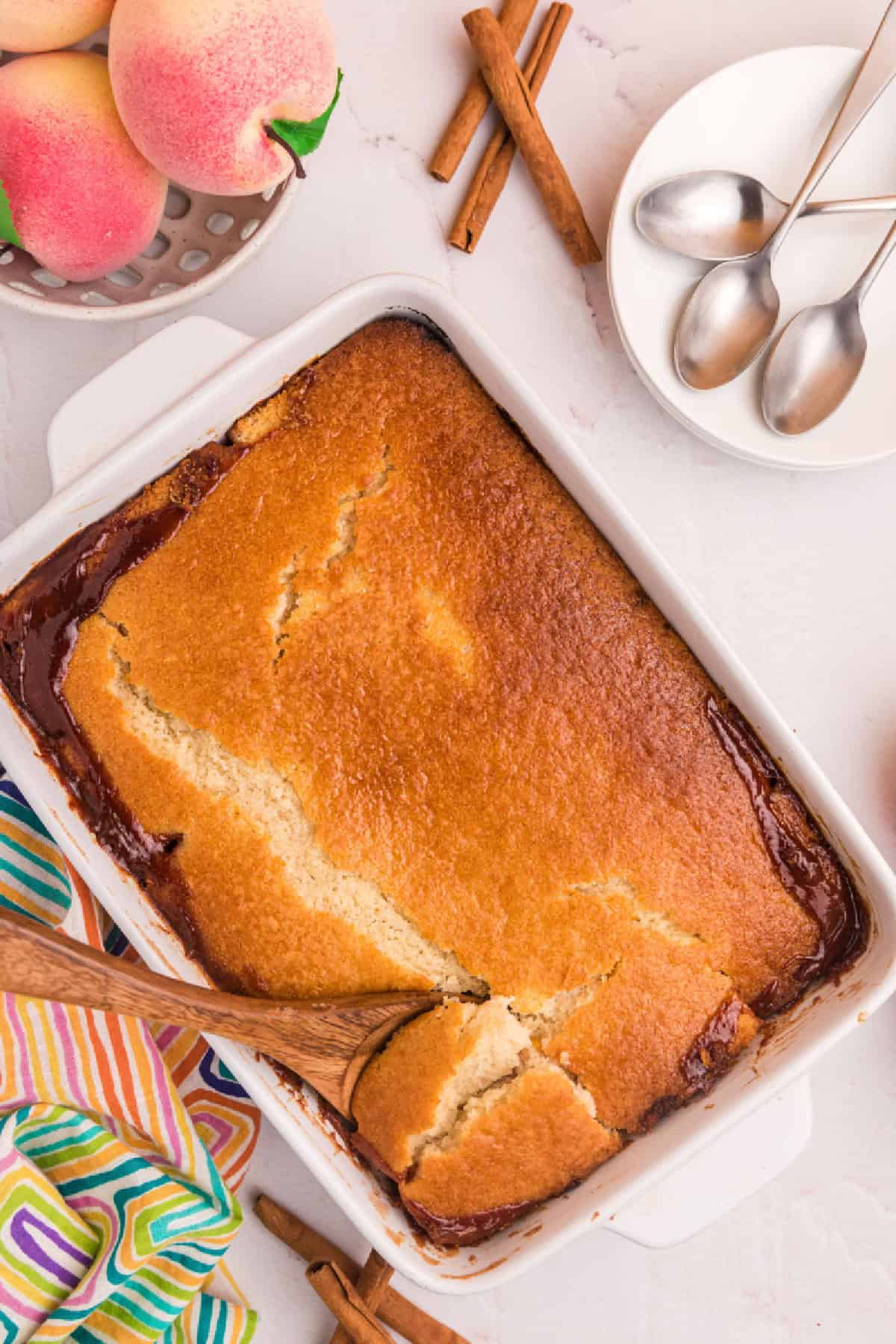
Furthermore, the recommendation to serve the dish with vanilla ice cream is not merely a suggestion but a calculated temperature and texture contrast. The heat of the cobbler (served at approximately 140°F to 160°F) causes the ice cream to melt into a crème anglaise-like sauce, which further enriches the buttery topping and balances the spice profile of the cinnamon and nutmeg.
Chronology of Preparation and Service
The production of the Easy Peach Cobbler follows a strict 75-minute timeline, divided into preparation and thermal processing:
- Preparation (0–30 Minutes): This phase involves the maceration of the peaches. If using fresh fruit, the peeling and slicing process is critical; slices must be uniform to ensure even cooking. If using frozen fruit, a partial thaw is often recommended to prevent the "thermal shock" of adding ice-cold fruit to a preheated oven, which can lead to an undercooked bottom crust.
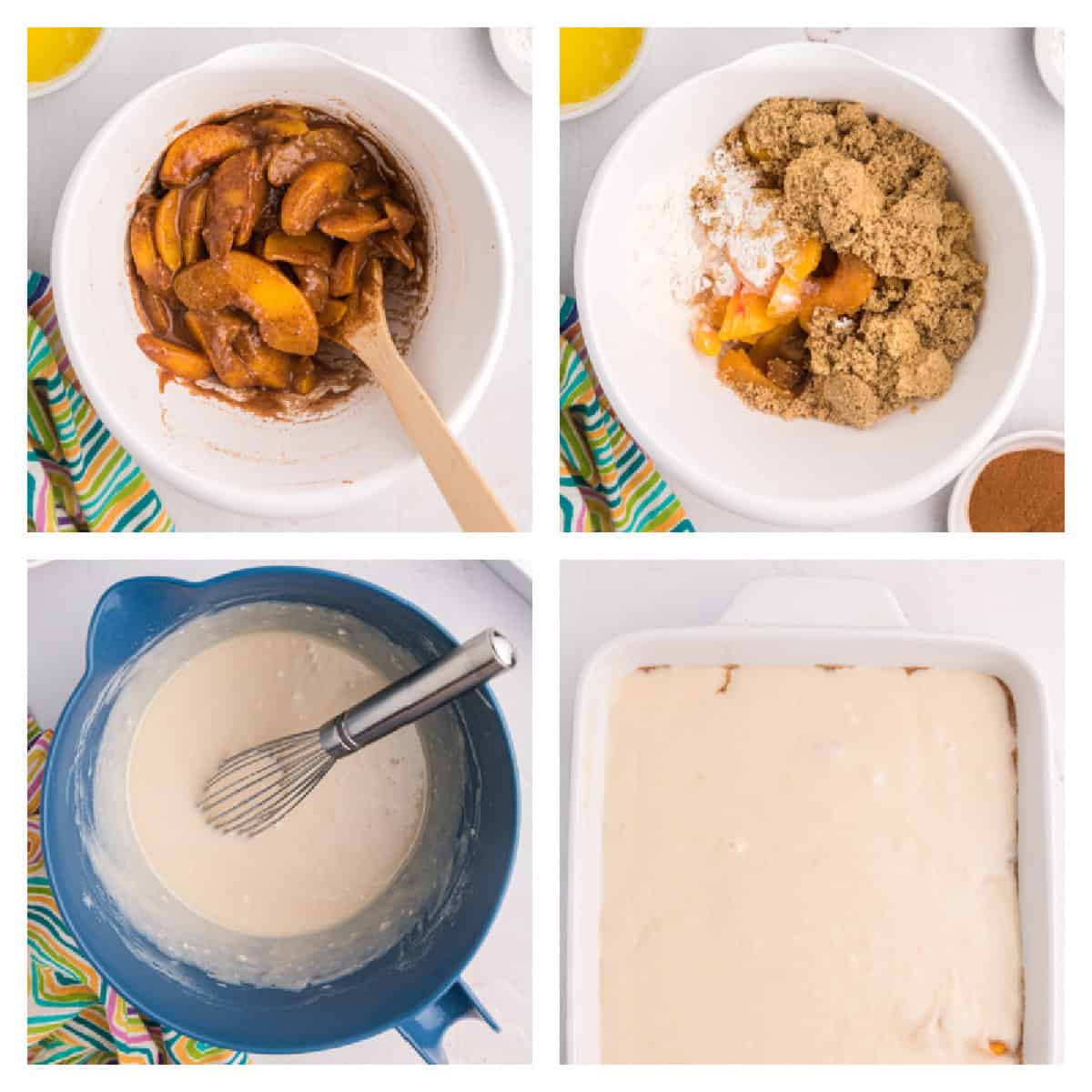
- Assembly (30–35 Minutes): The layering process is vital. In this specific "easy" version, the fruit is placed in the dish and the batter is spread over it. This allows the fruit to boil up through the batter, creating the characteristic "cobbled" appearance.
- Baking (35–70 Minutes): The 45-minute bake time at standard oven temperatures (typically 350°F to 375°F) allows for the Maillard reaction to occur on the crust. This chemical reaction between amino acids and reducing sugars gives the topping its golden-brown color and toasted flavor.
- Resting (70–75 Minutes): A crucial, often overlooked step. Resting the cobbler for 5 to 10 minutes after removal from the oven allows the fruit pectins to set, ensuring the filling is jammy rather than watery when served.
Broader Impact on Domestic Culture
The enduring popularity of the Easy Peach Cobbler reflects a larger shift in American domesticity toward "at-home" entertaining. As the cost of dining out continues to rise, the "Easy" category of recipes has seen a surge in digital engagement. This recipe, in particular, democratizes the baking experience, removing the "intimidation factor" associated with pastry arts.
Moreover, the cobbler serves as a seasonal marker. In an era where global supply chains make most produce available year-round, the peach cobbler remains one of the few dishes that still commands a seasonal reverence. It encourages consumers to engage with local farmers’ markets during the summer months, thereby supporting local agricultural ecosystems.
In conclusion, the Easy Peach Cobbler is more than a simple dessert; it is a culinary artifact that encapsulates American history, agricultural resilience, and the science of comfort food. By bridging the gap between the rustic frontier kitchen and the modern efficient household, it ensures that the legacy of the American stone fruit harvest continues to be celebrated across generations. Whether utilizing the peak-season bounty of a Georgia orchard or a convenient bag of frozen slices in the mid-winter, the cobbler remains a versatile, reliable, and culturally significant staple of the American table.