Panera’s Broccoli Cheddar Soup: An Analysis of the Cultural Phenomenon and Culinary Mechanics of a Comfort Food Staple


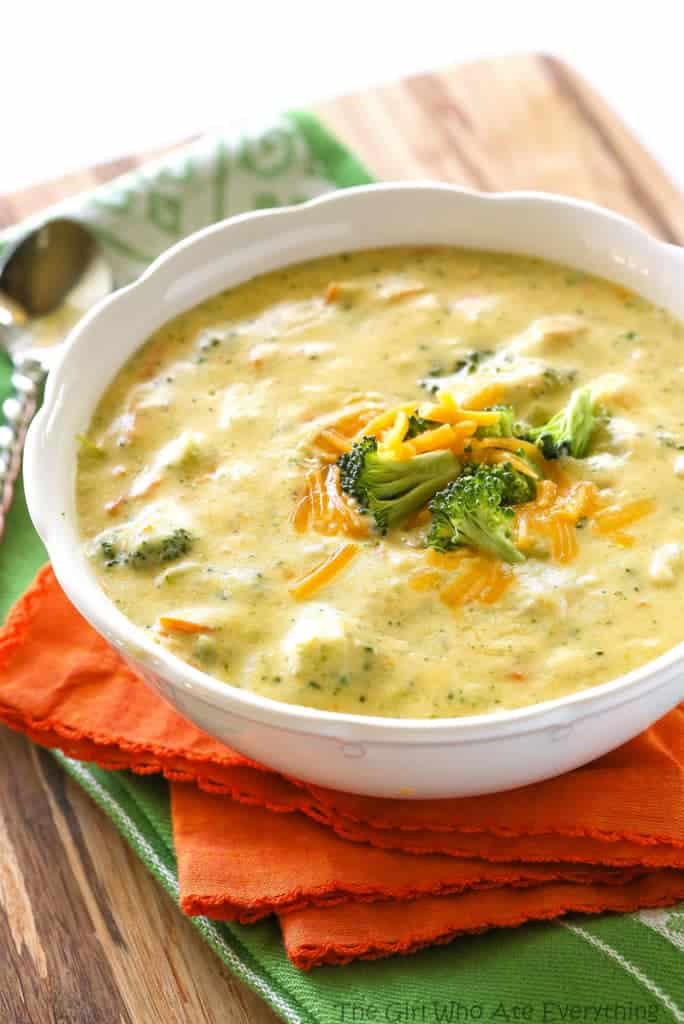
The prominence of Panera Bread’s Broccoli Cheddar Soup within the American fast-casual landscape represents a significant case study in the intersection of consumer demand, recipe development, and the enduring appeal of "comfort food" in the 21st century. Originally introduced as a seasonal offering, the soup has transcended its initial menu placement to become a core product, driving substantial foot traffic and defining the brand’s identity for millions of patrons. Achieving a balance between industrial-scale consistency and the perceived warmth of home-cooked meals, this particular dish has inspired a secondary industry of home-cooking replications, as consumers seek to recreate the specific flavor profile and textural characteristics of the restaurant version in their own kitchens.
Historical Context and Menu Evolution
Panera Bread, founded in 1987 as Au Bon Pain and later rebranded, identified early in its corporate expansion that soups were a primary driver of customer loyalty. By the early 2000s, the company began focusing on "clean" ingredients—a marketing initiative that sought to distance the brand from traditional fast-food tropes. The Broccoli Cheddar Soup emerged during this period as a flagship item. Unlike many competitors that utilized powdered bases or heavy preservatives, Panera positioned its soup as a premium, freshly prepared alternative.
The strategy proved successful. By 2010, internal market research indicated that the Broccoli Cheddar soup was one of the highest-selling items across the entire menu, often outperforming main-course sandwiches during colder months. This trajectory solidified the soup’s role not just as a side dish, but as a "destination item" that could sustain sales during economic downturns, when consumers prioritize affordable, calorically dense, and psychologically comforting meals.
Culinary Architecture and Ingredient Profile
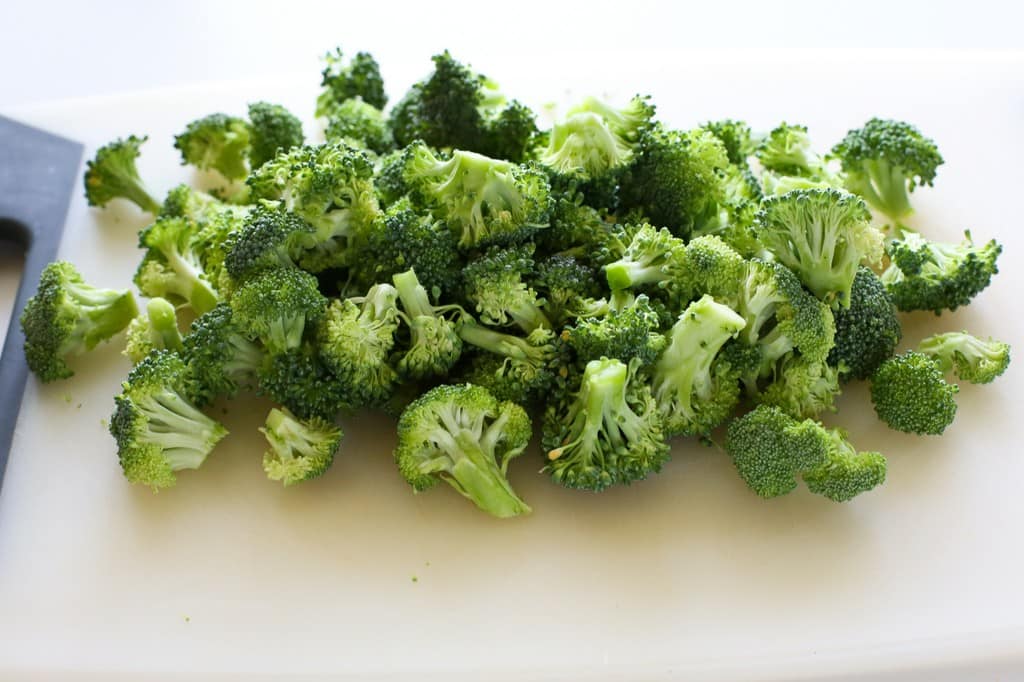
From a culinary perspective, the success of the soup lies in its specific emulsion of sharp cheddar cheese and a vegetable-forward base. The dish relies on a traditional roux—a mixture of flour and fat—to provide viscosity. The inclusion of chopped broccoli florets and julienned carrots provides both nutritional fiber and structural integrity.
The technical challenge in home-cooking this recipe involves maintaining the emulsion of the cheese. When commercial-grade cheddar is subjected to extreme heat, the proteins and fats often separate, resulting in a grainy texture. Professional kitchen techniques often involve removing the vessel from direct heat before the final addition of dairy components. This step is critical; it allows the residual heat of the soup to melt the cheese without breaking the emulsion. For the home cook, replicating this process requires precise temperature management, a detail that many amateur recipes overlook but which is essential for achieving the silkiness found in a restaurant setting.
Comparative Analysis: Restaurant vs. Home Preparation
The rise of the "copycat" recipe movement, where culinary influencers and home cooks attempt to deconstruct restaurant favorites, highlights a shift in domestic cooking habits. Data from food-tracking platforms suggests that search volume for "Broccoli Cheddar Soup recipes" spikes by approximately 40% annually at the onset of autumn. This seasonality underscores the emotional connection consumers have with the dish.
While restaurant versions are often criticized for high sodium content, which typically ranges between 600mg and 900mg per serving, home-prepared versions offer the opportunity for modification. By substituting traditional roux with gluten-free thickeners, such as cornstarch slurries or pureed cauliflower, home cooks can adapt the recipe to meet modern dietary requirements without sacrificing the mouthfeel that defines the dish. Furthermore, the use of freshly grated sharp cheddar—as opposed to pre-shredded varieties, which are often coated in cellulose to prevent clumping—significantly improves the melting profile and overall flavor intensity of the final product.
Economic and Dietary Implications
The widespread popularity of this soup carries broader implications for the food service industry. As consumers continue to scrutinize the ingredient lists of fast-casual chains, the ability of a recipe like Broccoli Cheddar to remain popular while undergoing "clean label" transitions—such as the removal of artificial colors and preservatives—serves as a blueprint for other menu items.
From a nutritional standpoint, the dish is characterized by a moderate caloric load, generally hovering around 400 to 420 calories per serving. While this fits within the parameters of a standard lunch, the nutritional profile is heavily reliant on saturated fats derived from the dairy base. Public health experts often note that while the soup provides essential vitamins from the broccoli, the overall health profile is heavily influenced by the portion size and the accompanying sides, such as the signature sourdough baguettes, which significantly increase the carbohydrate count of the meal.
Chronology of Culinary Adoption
- 1990s: Panera Bread begins standardizing soup recipes to ensure consistency across growing franchise locations.
- 2005-2010: The "Broccoli Cheddar" becomes the brand’s top-selling soup, leading to its inclusion in national retail grocery partnerships.
- 2015: The rise of digital recipe platforms facilitates the mass distribution of home-style versions, with "copycat" content becoming a staple of food blogging.
- 2020-Present: Post-pandemic dining habits solidify the demand for "comfort-ready" meals, leading to increased investment in retail-ready packaging and at-home cooking kits for similar profiles.
Professional Feedback and Best Practices
Culinary experts emphasize that the success of the dish in a home environment is contingent upon the quality of the base. Using a high-quality vegetable or chicken stock provides a depth of flavor that cannot be achieved with water. Additionally, the transition from a roux-based thickener to a vegetable-based thickener—using the broccoli stems themselves—is a technique gaining traction among those seeking a more nutrient-dense version of the classic.
The consensus among food writers and home chefs who have rigorously tested the recipe is that adherence to timing is the most vital variable. Adding the broccoli too early results in a loss of texture, leading to a mushy final product, whereas adding the cheese too early results in the aforementioned graininess. The "rest period," where the soup is allowed to sit off the heat, is the final, essential step to ensuring the ingredients harmonize.

Future Market Outlook
The resilience of the Broccoli Cheddar soup as a staple menu item suggests that consumer interest in traditional, creamy, vegetable-based soups remains robust. As the industry moves toward more sustainable and plant-forward options, it is likely that future iterations of this soup will explore non-dairy alternatives, such as cashew-based creams or nutritional yeast, to maintain the flavor profile while appealing to a broader demographic of vegan and lactose-intolerant consumers.
Ultimately, the enduring popularity of this dish proves that the most successful culinary concepts are those that provide both sensory satisfaction and a degree of familiarity. Whether ordered at a counter or simmered in a Dutch oven at home, the Broccoli Cheddar soup occupies a unique space in the modern diet, serving as a reliable constant in an ever-changing food landscape. The transition of this dish from a specialized restaurant item to a household staple highlights the democratization of culinary knowledge and the ongoing desire of consumers to master the mechanics of the food they love.