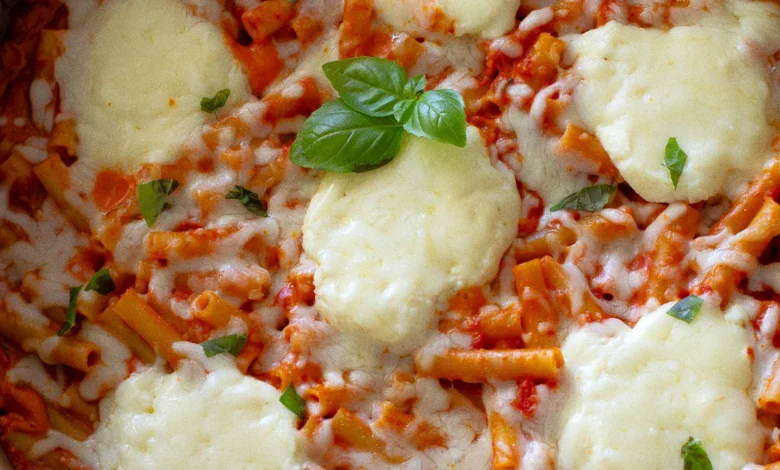
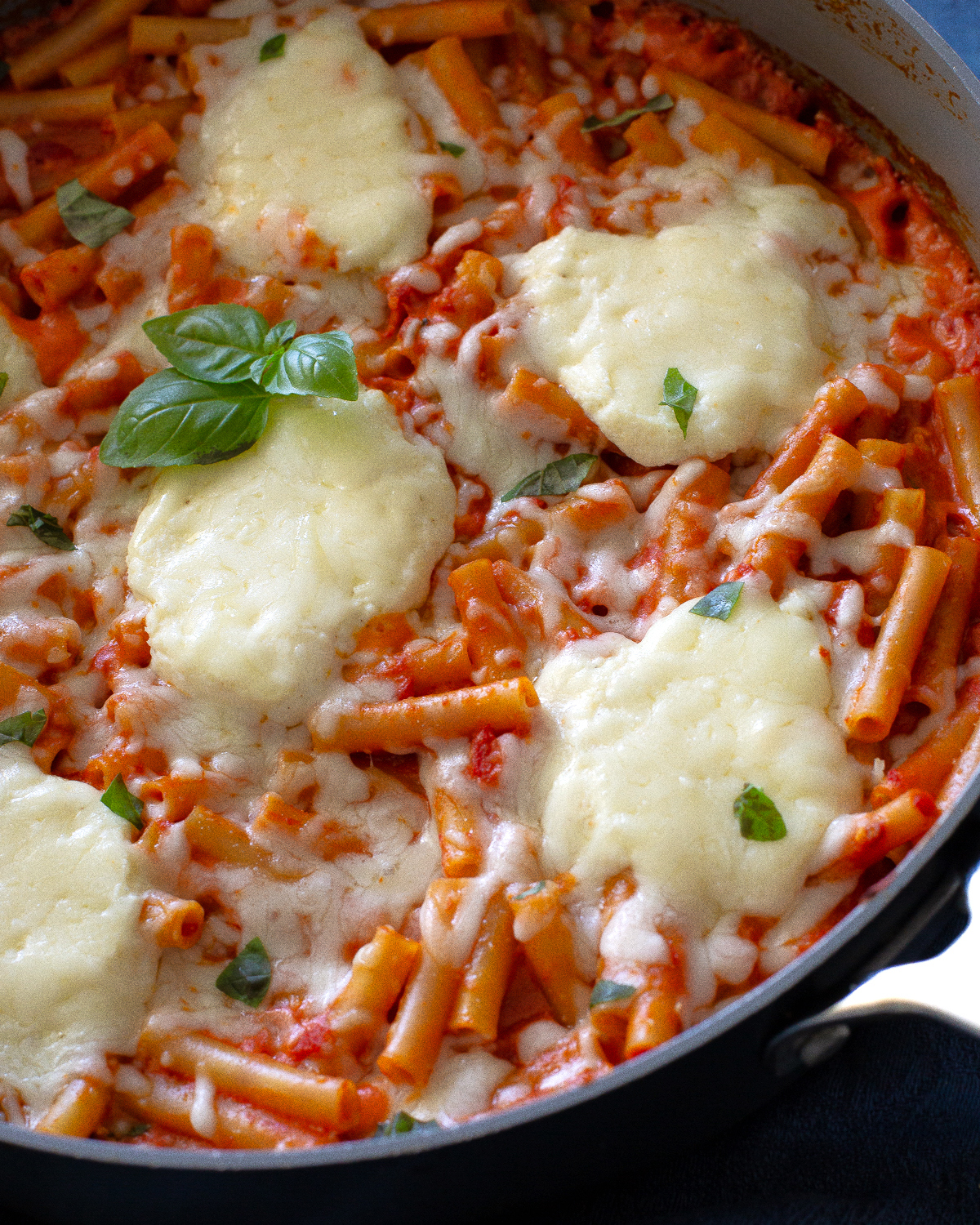
The landscape of modern home gastronomy has undergone a significant transformation as the demand for efficiency intersects with a persistent desire for authentic, high-quality flavors. Within this shift, the One-Pan Baked Ziti Skillet has emerged as a quintessential example of the "one-pot" movement, a culinary trend designed to minimize labor and cleanup while maximizing the depth of traditional Italian-American profiles. This specific preparation, popularized by culinary developers such as Christy Denney, streamlines a historically labor-intensive process—the traditional baked pasta—into a sequence that requires fewer than 20 minutes from start to finish. By utilizing a single skillet for the entire process, from the simmering of the aromatics to the final melting of the cheese, the recipe addresses the primary barriers to weekday home cooking: time constraints and the logistical burden of multi-vessel preparation.
The Evolution of Baked Ziti: From Tradition to Efficiency
To understand the significance of the one-pan skillet method, one must examine the historical context of baked ziti. Traditionally known as ziti al forno, the dish has deep roots in the Campania and Sicily regions of Italy. In its original form, the process was an elaborate Sunday ritual. It involved boiling a large pot of salted water, par-cooking the tubular pasta, preparing a separate slow-simmered ragù or marinara in a second pot, and finally combining the components with various cheeses in a third vessel—a ceramic or glass baking dish—before a lengthy period of oven-roasting.
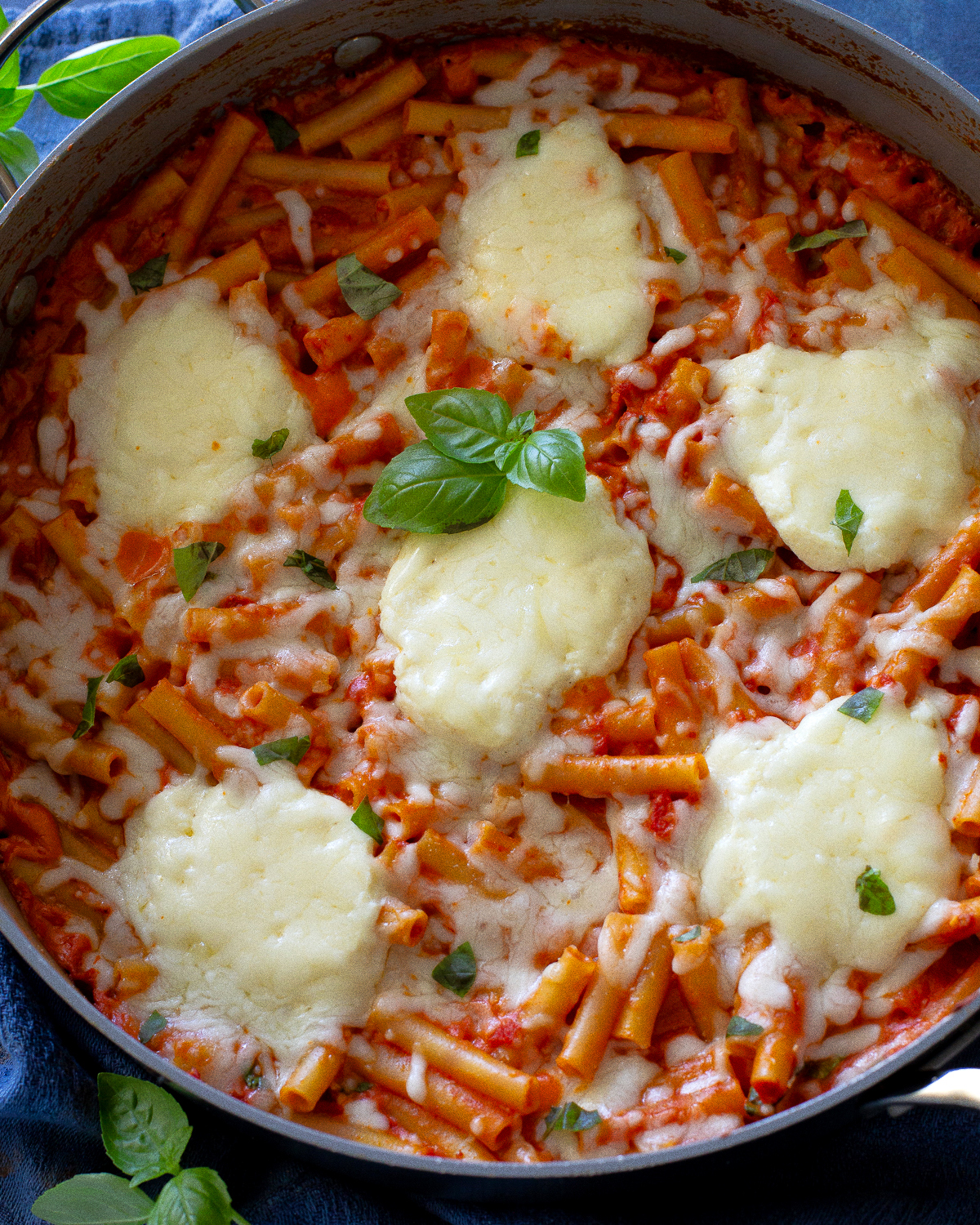
The transition to a skillet-based, stovetop-centric model represents a departure from these multi-stage rituals. The One-Pan Baked Ziti Skillet replaces the boiling-and-straining phase by cooking the pasta directly in the sauce. This technique, often referred to by professional chefs as the "risotto method" for pasta, allows the noodles to absorb the seasoned liquids of the crushed tomatoes and garlic directly. This not only saves time but also results in a starch-enriched sauce that adheres more effectively to the ziti, creating a cohesive texture that is often missing in traditional versions where the sauce and pasta are cooked in isolation.
Technical Composition and Ingredient Analysis
The success of the 20-minute skillet ziti relies on a specific chemical and culinary balance between its core components. The foundational elements include crushed tomatoes, fresh garlic, dried or fresh ziti pasta, ricotta cheese, basil, and Parmesan.
- The Base (Crushed Tomatoes and Garlic): Unlike a traditional marinara that might simmer for hours to break down whole tomatoes, this version utilizes crushed tomatoes to provide immediate body and thickness. The inclusion of garlic provides an immediate aromatic punch, essential for a dish that lacks the luxury of long-term flavor development.
- The Pasta (Ziti): The choice of ziti is functional. Its hollow, smooth, tubular shape is designed to trap sauce both internally and externally. In a one-pan environment, the ziti acts as a thickener; as it releases its glutenous starches into the simmering tomato base, the sauce transforms from a thin liquid into a velvety coating.
- The Dairy (Ricotta and Parmesan): The ricotta serves as the primary texturizing agent. When dolloped into the hot skillet, it creates pockets of creamy contrast against the acidic tomato base. The Parmesan provides the necessary salinity and umami, acting as a flavor stabilizer for the fresh herbs.
Chronology of Preparation: The 20-Minute Workflow
The logistical progression of the One-Pan Baked Ziti Skillet is a study in culinary timing. Industry analysts often point to this specific timeline as the "gold standard" for modern meal solutions.
- Minutes 1-3: Aromatic Foundation. The process begins with the heating of the skillet and the sautéing of garlic. This stage is critical for infusing the oil with base flavors before the liquids are introduced.
- Minutes 4-15: The Absorption Phase. Crushed tomatoes and a measured amount of water or broth are added to the skillet, followed by the dry ziti. The mixture is brought to a simmer. Because the pasta is not pre-boiled, it absorbs the seasoned tomato liquid, a process that typically takes between 10 to 12 minutes depending on the desired al dente texture.
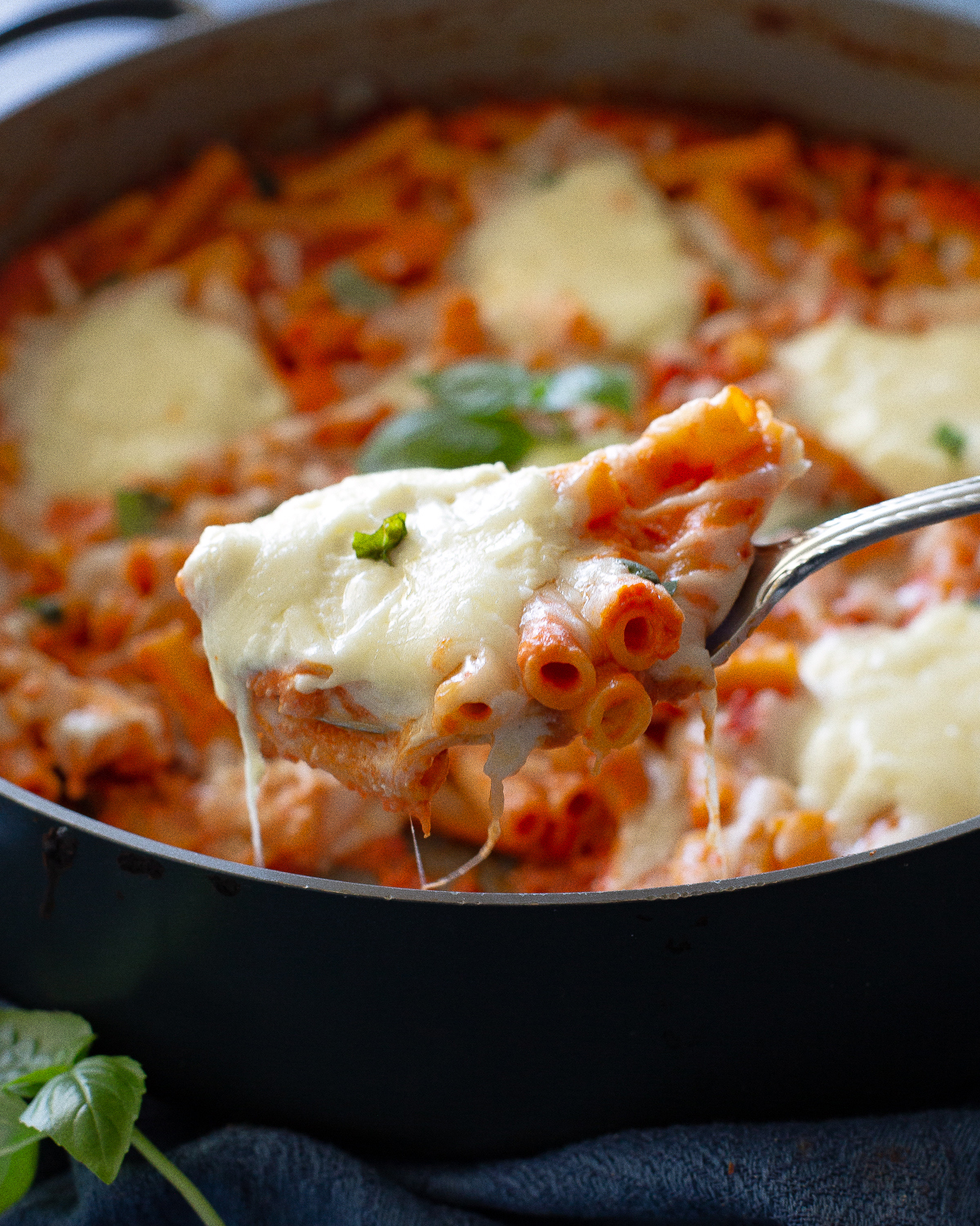
- Minutes 16-18: Incorporation and Creaming. Once the pasta is tender, the heat is reduced. Ricotta is folded in, creating the signature marbled appearance of a traditional baked ziti. Fresh basil is added at this late stage to preserve its volatile oils and vibrant color.
- Minutes 19-20: The Finishing Touch. The skillet is topped with Parmesan or mozzarella. While the dish can be completed entirely on the stovetop by covering the pan with a lid to melt the cheese, a brief stint under a broiler is recommended for those seeking the "browned, toasty top" characteristic of traditional oven-baked pasta.
Supporting Data: The Rise of One-Pan Cooking
The popularity of the One-Pan Baked Ziti Skillet is supported by broader consumer behavior data within the food and beverage industry. According to market research conducted over the last five years, there has been a 45% increase in search queries related to "one-pot" and "one-pan" meals. This trend is largely driven by the millennial and Gen Z demographics, who prioritize "active time" reduction in the kitchen.
Furthermore, data from kitchenware retailers indicates a surge in the sale of high-quality cast iron and stainless steel skillets that are "oven-safe." This suggests a consumer shift toward versatile hardware that can transition from the burner to the broiler, facilitating recipes like the skillet ziti. The environmental impact of this cooking style is also noteworthy; utilizing a single burner for 20 minutes consumes significantly less kilowatt-hours of electricity or therms of natural gas compared to preheating a large oven for 30 minutes followed by a 45-minute bake time.
Expert Reactions and Culinary Implications
Culinary professionals have offered a nuanced perspective on the "skillet-baked" trend. While some traditionalists argue that the depth of flavor achieved through long-simmered sauces cannot be replicated in 20 minutes, many nutritionists and chefs praise the method for its accessibility.
"The democratization of Italian cuisine through one-pan methods allows families to move away from processed, frozen meals and toward fresh ingredients," says one industry analyst. "By removing the complexity of boiling water and managing multiple timers, the barrier to entry for home cooking is lowered."
From a technical standpoint, the "all-in-one" cooking method is lauded for its nutritional retention. When pasta water is drained in a traditional recipe, a portion of the water-soluble vitamins and the majority of the starch are lost. In the skillet method, these elements remain in the pan, contributing to both the nutritional profile and the structural integrity of the sauce.
Broader Impact and Future Outlook
The One-Pan Baked Ziti Skillet is more than just a recipe; it is a response to the evolving domestic landscape. As the "work-from-home" era continues to blur the lines between professional and personal time, the kitchen has become a space where efficiency is paramount. This dish represents a broader movement toward "hybrid cooking"—utilizing high-quality pantry staples (like canned crushed tomatoes) and fresh aromatics to produce a meal that rivals restaurant quality in a fraction of the time.
Moreover, the versatility of the skillet method allows for significant customization, an essential factor in modern dining. Consumers can easily integrate proteins such as ground turkey or plant-based crumbles, or increase fiber content by substituting whole-wheat or chickpea-based ziti. This adaptability ensures that the one-pan model remains relevant across various dietary preferences and nutritional requirements.
In conclusion, the One-Pan Baked Ziti Skillet stands as a hallmark of contemporary culinary logic. It honors the flavor profiles of the past while discarding the logistical inefficiencies that often prevent modern households from engaging in traditional cooking. By centralizing the process into a single 12-inch skillet and a 20-minute window, it provides a sustainable, repeatable model for nutritious and flavorful home dining. As the industry continues to innovate, it is likely that the "one-pan" philosophy will expand into even more complex cuisines, further simplifying the art of the home-cooked meal.