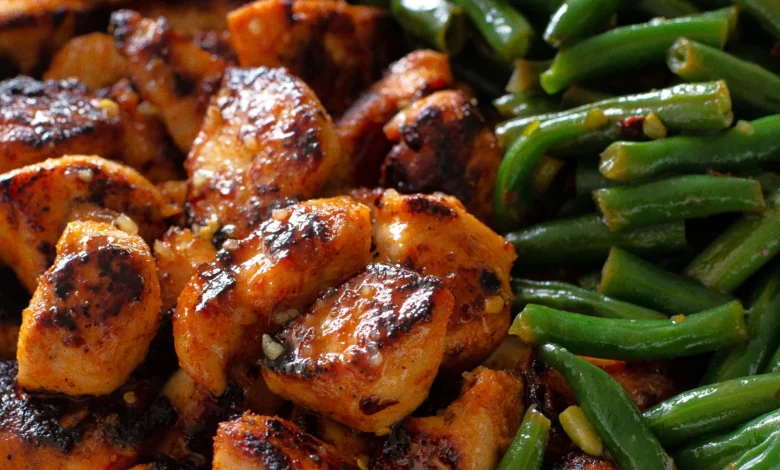
The modern culinary landscape is increasingly defined by the intersection of nutritional density and time efficiency, a trend exemplified by the emergence of high-protein, rapid-preparation meals. Among these developments, the Honey Lime Chicken and Green Beans dish has gained prominence as a versatile solution for households seeking to balance flavor complexity with a preparation time of under 20 minutes. This dish utilizes a combination of lean poultry, fresh legumes, and a balanced glaze to address the growing demand for "clean eating" options that do not require extensive kitchen labor. As consumers move away from highly processed convenience foods, the focus has shifted toward recipes that leverage the natural chemistry of ingredients—specifically the interplay between sugars, acids, and fats.
The Evolution of the 20-Minute Meal in Domestic Gastronomy
The historical context of the "quick dinner" has shifted significantly over the last three decades. In the late 20th century, speed was often synonymous with pre-packaged, sodium-heavy frozen dinners or "heat-and-eat" boxed kits. However, data from the food industry indicates a pivot toward fresh-ingredient-based speed cooking. The Honey Lime Chicken and Green Beans recipe represents this shift, focusing on "one-pan" or "skillet-based" techniques that minimize cleanup while maximizing the Maillard reaction—the chemical reaction between amino acids and reducing sugars that gives browned food its distinctive flavor.
Culinary analysts note that the 20-minute threshold is a psychological benchmark for the average working professional. Recipes that exceed this timeframe often see a decline in weekday adoption. By utilizing chicken breast—a protein known for its fast cooking time—and green beans, which require minimal trimming and rapid steaming or sautéing, the dish fits within the constraints of the contemporary "rush hour" lifestyle.
Nutritional Profile and Ingredient Analysis
The selection of ingredients in the Honey Lime Chicken and Green Beans dish provides a comprehensive nutritional profile. According to USDA nutritional data, chicken breast serves as a primary source of lean protein, essential for muscle repair and metabolic function. When prepared in a skillet with a controlled amount of fat, it remains a low-calorie centerpiece for the meal.
The Role of Green Beans in Modern Diets
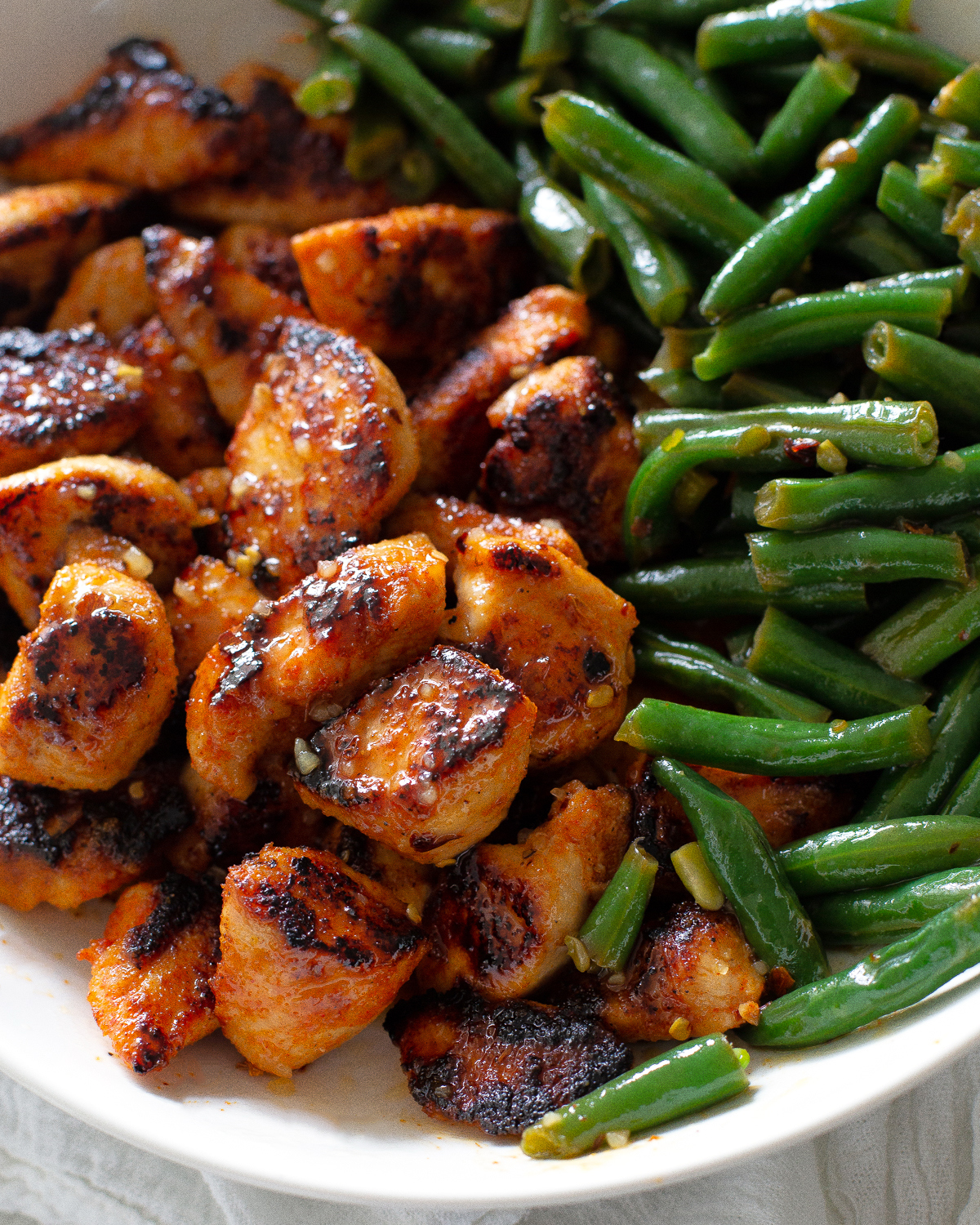
Green beans (Phaseolus vulgaris) are a focal point of this dish, offering a high volume of fiber with low caloric density. Nutritionally, fresh green beans are a significant source of Vitamin K, which is vital for bone health, and Vitamin C, a powerful antioxidant. The recipe’s emphasis on fresh over frozen beans is supported by culinary science; fresh beans maintain a structural integrity and "snap" that frozen counterparts, which undergo cell-wall breakdown during the freezing and thawing process, often lack.
Data suggests that while frozen vegetables are nutritionally comparable to fresh ones—and in some cases superior if flash-frozen at peak ripeness—the texture of the legume is paramount in a sauté-based dish. The recipe suggests that if frozen beans are used, they must be thoroughly thawed and patted dry. This is to prevent "steaming" in the pan rather than "searing," as excess moisture prevents the temperature of the oil from reaching the levels necessary for browning.
The Chemistry of the Honey-Lime Glaze
The "Honey Lime Butter" component of the dish serves as an emulsified sauce that bridges the gap between the savory chicken and the earthy beans. The flavor profile relies on three distinct pillars:
- Sweetness: Honey provides a natural sugar that caramelizes quickly under high heat, offering a sticky coating for the protein.
- Acidity: Lime juice acts as a brightener, cutting through the richness of the butter and the sweetness of the honey. The citric acid also serves as a tenderizer for the chicken fibers.
- Fat: Butter provides the mouthfeel and acts as a carrier for the fat-soluble flavor compounds in the lime and honey.
The inclusion of "spicy" elements—often inferred through the addition of red pepper flakes or chili powder—creates a "swicy" (sweet and spicy) profile that has dominated food trends in the 2020s.
Economic Impact and Home Cooking Trends
The rise of recipes like Honey Lime Chicken and Green Beans is also a reflection of economic pressures. As inflation affects the cost of dining out, particularly in the "fast-casual" sector, consumers are increasingly looking for ways to replicate restaurant-quality flavors at home.
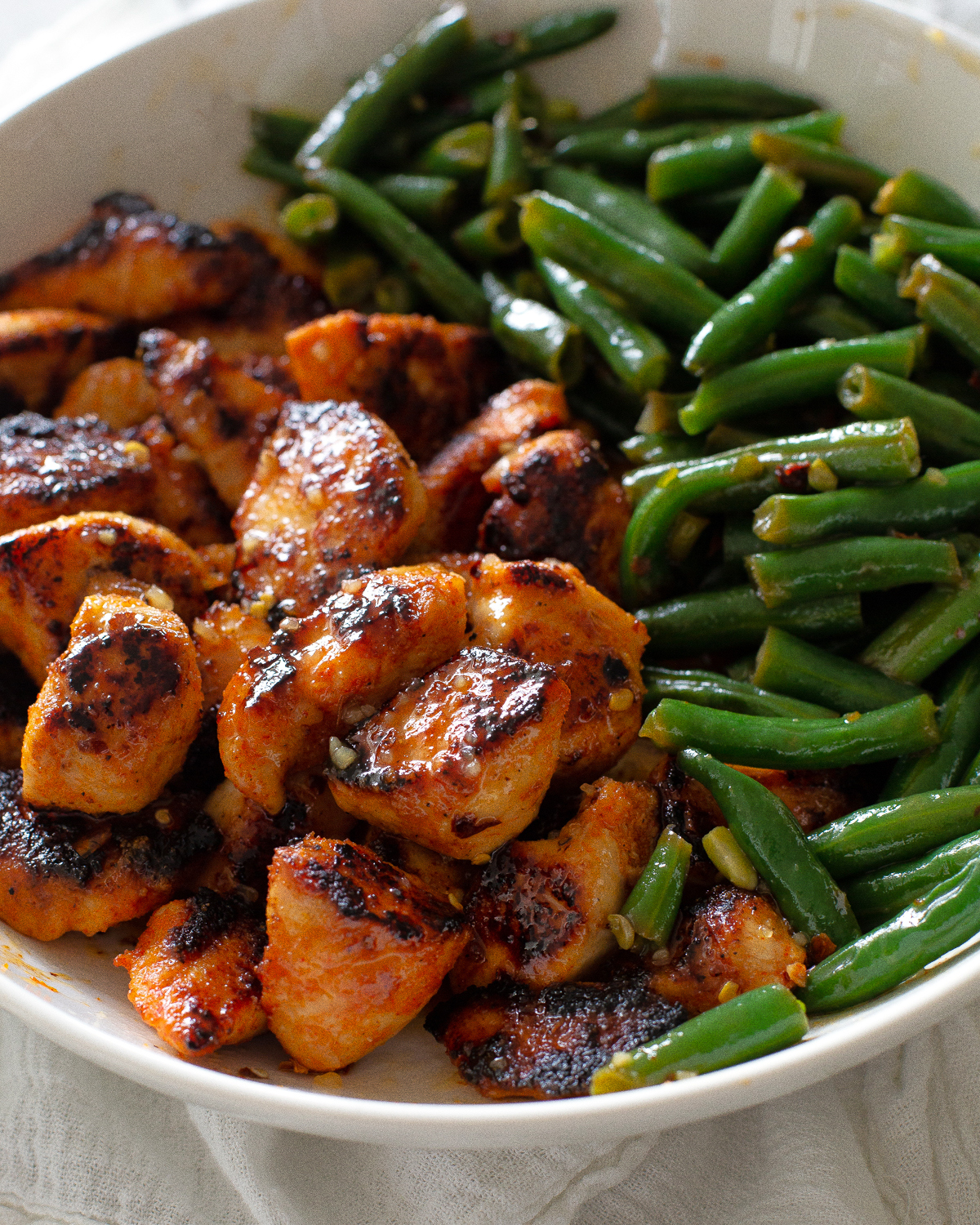
A cost-per-serving analysis of this dish suggests a significant saving compared to similar offerings at national chains. On average, a four-serving portion of this meal made with store-bought ingredients costs approximately 60% less than four equivalent entrees from a mid-tier restaurant. Furthermore, the "meal prep" suitability of the recipe—noted for its ability to maintain flavor and texture after 24 hours of refrigeration—addresses the needs of the "lunch-box economy," where employees bring home-cooked leftovers to work to mitigate rising food costs.
Technical Execution and Equipment Requirements
The recipe specifically calls for a 12-inch skillet with a lid. This choice of equipment is not arbitrary. A 12-inch surface area allows for the chicken to be spread out sufficiently to ensure browning rather than crowding, which leads to boiling. The lid is a critical component for the "hybrid cooking" method:
- The Sear: High-heat cooking of the chicken to develop flavor.
- The Steam: Utilizing the residual moisture and the lid to quickly cook the green beans until they are "crisp-tender."
This method is favored by efficiency experts as it eliminates the need for a separate pot of boiling water, thereby reducing water usage and the time required to reach a boil.
Broader Implications for Public Health
Public health officials have long advocated for the "half-plate" rule, where half of a dinner plate is composed of vegetables. The Honey Lime Chicken and Green Beans recipe aligns with this recommendation by giving the legume equal billing with the protein. By making vegetables more palatable through the use of a honey-lime glaze, such recipes can increase vegetable consumption among demographics that traditionally avoid greens.
Furthermore, the "under 20 minutes" claim addresses one of the primary barriers to healthy eating: perceived lack of time. Studies by the Journal of Nutrition Education and Behavior have shown that individuals who believe they do not have time to cook are significantly more likely to consume ultra-processed foods. Demonstrating that a fresh meal can be prepared in the time it takes for a delivery service to arrive is a key strategy in combating dietary-related illnesses.
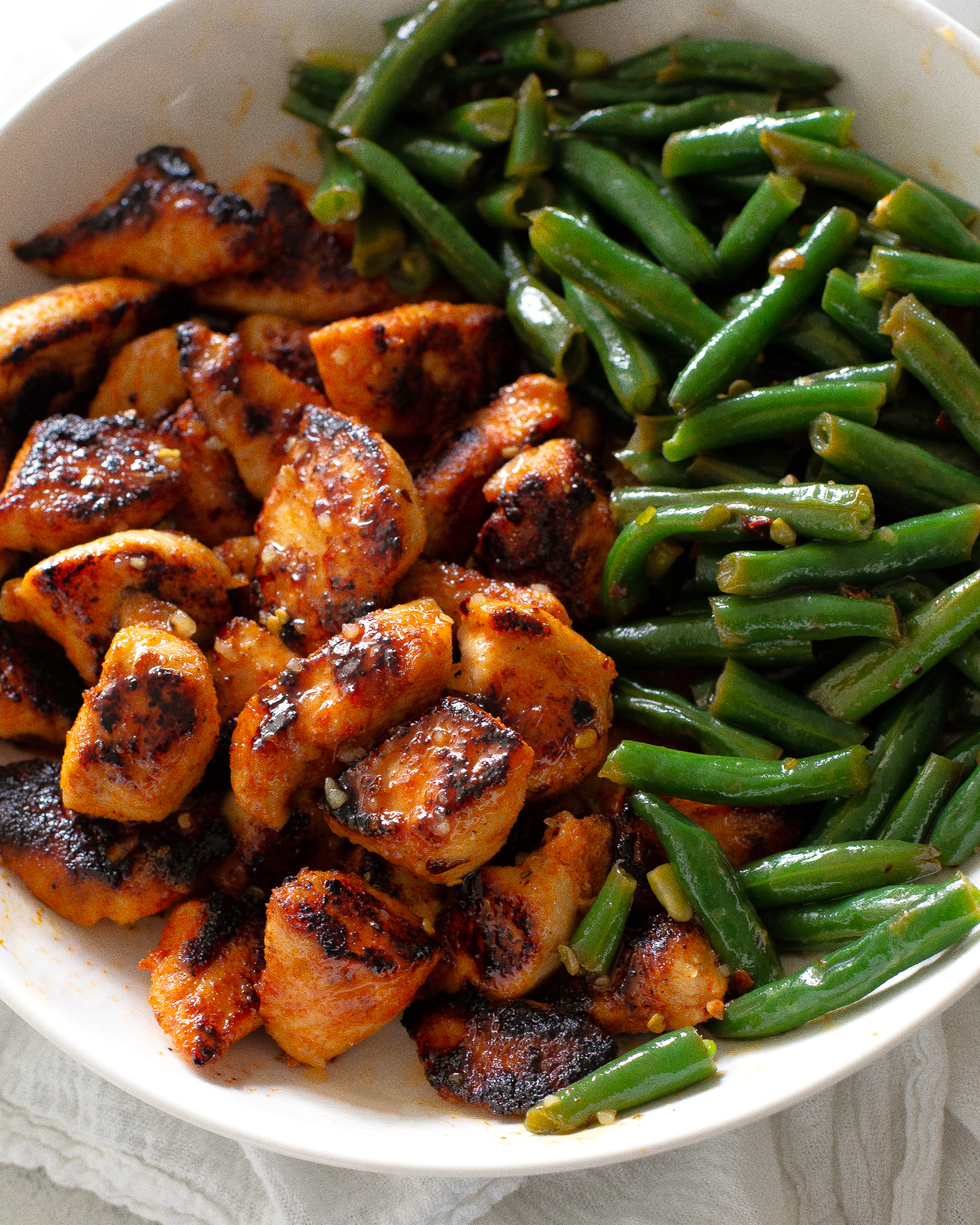
Chronology of Flavor: From Preparation to Consumption
The workflow of the Honey Lime Chicken and Green Beans dish follows a logical progression designed for maximum output with minimum effort:
- Preparation: Trimming the chicken into bite-sized pieces and washing the fresh green beans.
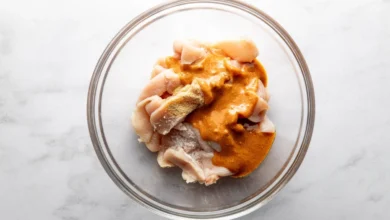
- The Glaze Synthesis: Mixing the honey, lime, and butter components to ensure the sauce is ready for immediate application.
- The Sauté Phase: Cooking the chicken in the skillet until a golden-brown crust is achieved.
- The Integration Phase: Adding the green beans and the sauce, then covering the pan to allow the steam to finish the vegetables.
- Final Reduction: Removing the lid to allow the sauce to thicken and coat the ingredients in a glossy finish.
Industry Reactions and Expert Commentary
Culinary instructors often cite this specific flavor combination—honey and lime—as a "gateway" profile for novice cooks. "The balance of acid and sugar is a fundamental lesson in seasoning," says one regional culinary arts director. "When a home cook sees how a squeeze of lime can transform a heavy sauce into something vibrant, they are more likely to experiment with fresh ingredients in the future."
Nutritionists also point out that the dish is easily adaptable for various dietary restrictions. By substituting honey with agave or maple syrup, or using a plant-based butter alternative, the dish can be modified for vegan-adjacent diets, though the chicken remains the primary protein. For those on gluten-free diets, the recipe is naturally compliant, provided the seasonings used are free of anti-caking agents containing gluten.
Conclusion: The Future of Efficient Home Cooking
The Honey Lime Chicken and Green Beans recipe is more than a simple dinner option; it is a manifestation of the "functional food" movement, where the goal is to provide high-quality nutrition in a format that fits the constraints of modern life. As the trend toward meal prepping and "one-skillet" wonders continues to grow, the culinary industry expects to see more variations of this formula—lean protein plus fiber-rich vegetable plus an acidic-sweet glaze.
In a world where time is a premium commodity, the ability to produce a flavorful, healthy meal in under 20 minutes remains a powerful tool for the domestic cook. The Honey Lime Chicken and Green Beans dish stands as a testament to the fact that speed does not have to come at the expense of substance or sophisticated flavor.