Crispy, Puffy Homemade Chalupas: A Culinary Journey to Recreate a Fast-Food Favorite

The siren call of late-night cravings can often lead to culinary exploration, and for many, that journey has led to the recreation of beloved fast-food items in the comfort of their own kitchens. This article delves into the creation of crispy, puffy homemade chalupas, a dish that captures the essence of the Taco Bell classic, offering a fresh, satisfying alternative that can be prepared in approximately 50 minutes. The recipe, originating from a personal quest to satisfy a specific craving, highlights the appeal of a soft, fried bread shell—akin to a non-sweet, taco-shaped donut—filled generously with seasoned ground beef and a customizable array of toppings.
Understanding the Chalupa: A Tale of Two Traditions
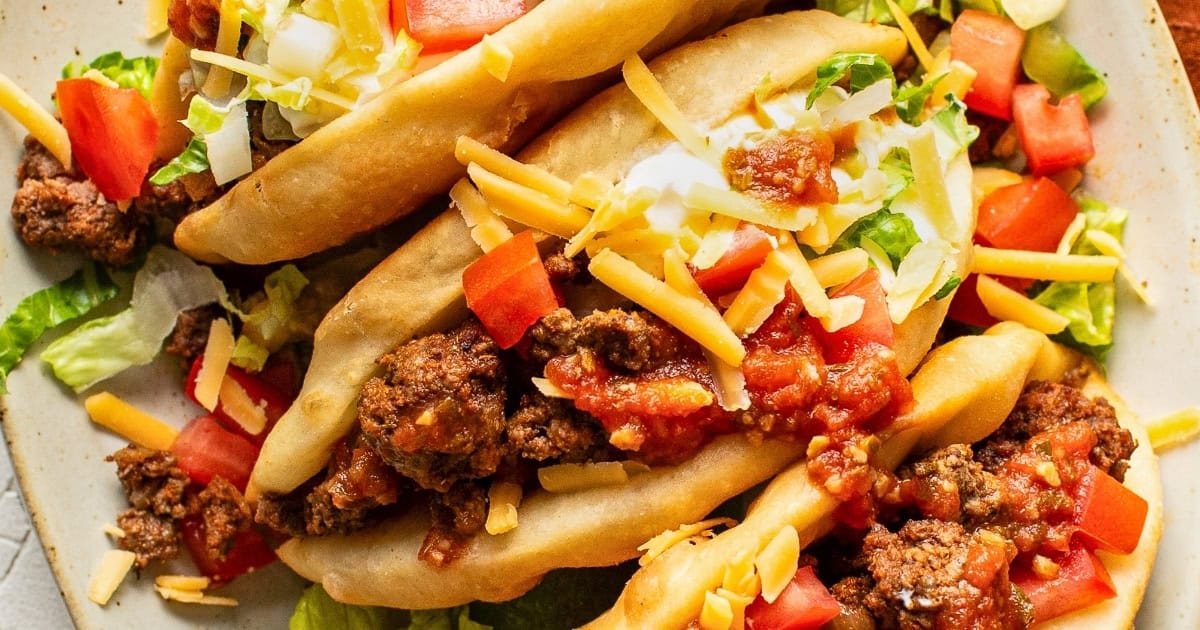
While the popular image of a chalupa is often associated with fast-food chains like Taco Bell, the term encompasses a broader culinary heritage with distinct regional interpretations. The version discussed here, characterized by its puffy, fried bread shell, bears a striking resemblance to Navajo fry bread, a simple dough puffed to a soft, crisp exterior when immersed in hot oil. This Americanized iteration, while delicious, differs significantly from its traditional Mexican counterpart.
Authentic Mexican chalupas are typically crafted from masa, a dough made from corn, which is pressed and fried to a crisp texture. These are then topped with simpler ingredients such as salsa, cheese, and meat, placing them closer in profile to a tostada than to the puffy fry bread. While both variations offer unique gustatory experiences, the recipe at hand focuses on replicating the beloved puffy shell that defines the fast-food chalupa.
The Anatomy of a Homemade Chalupa: Ingredients and Preparation
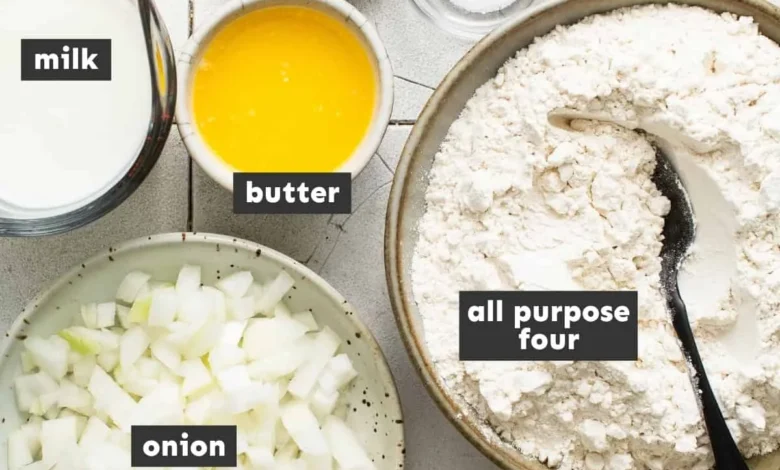
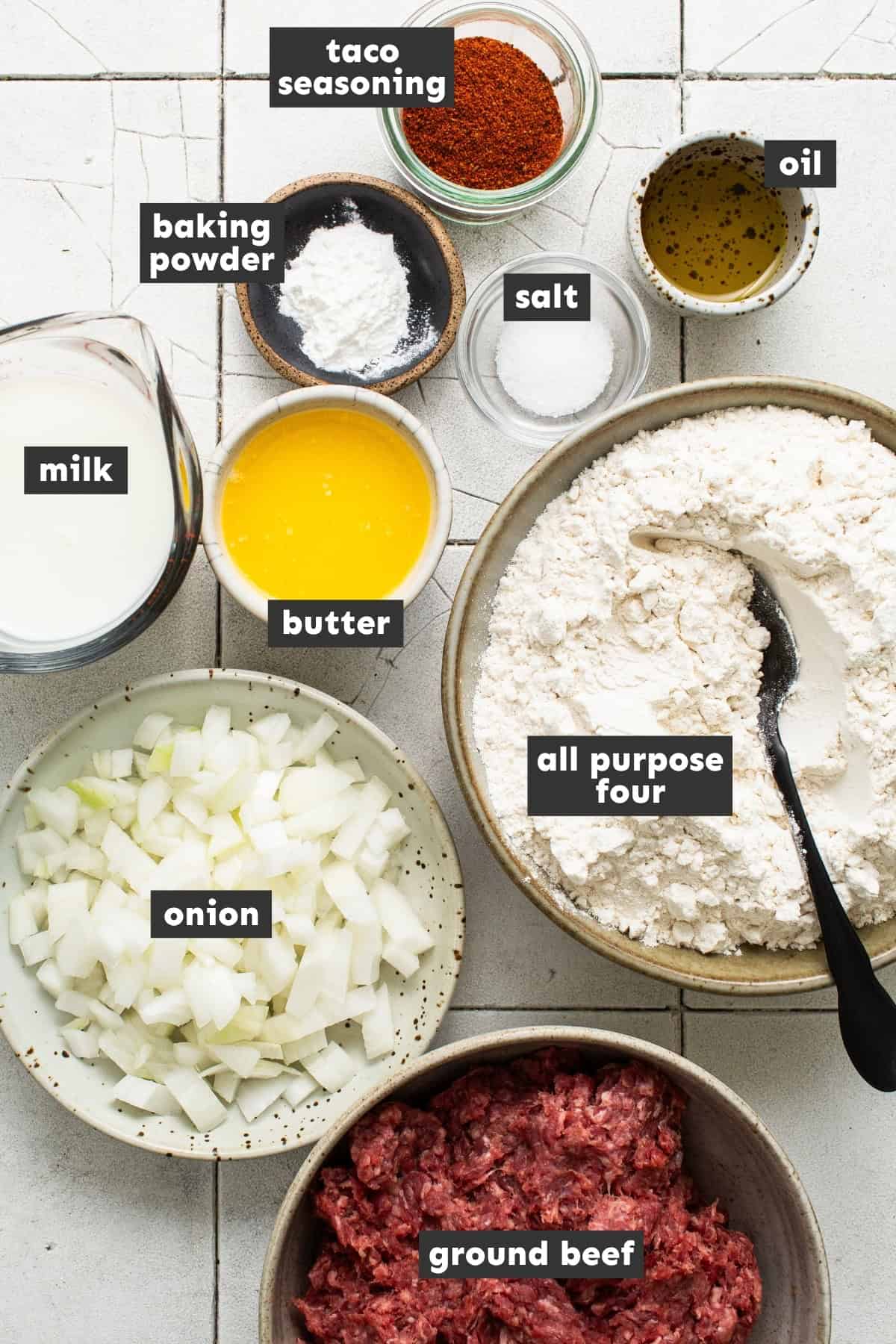
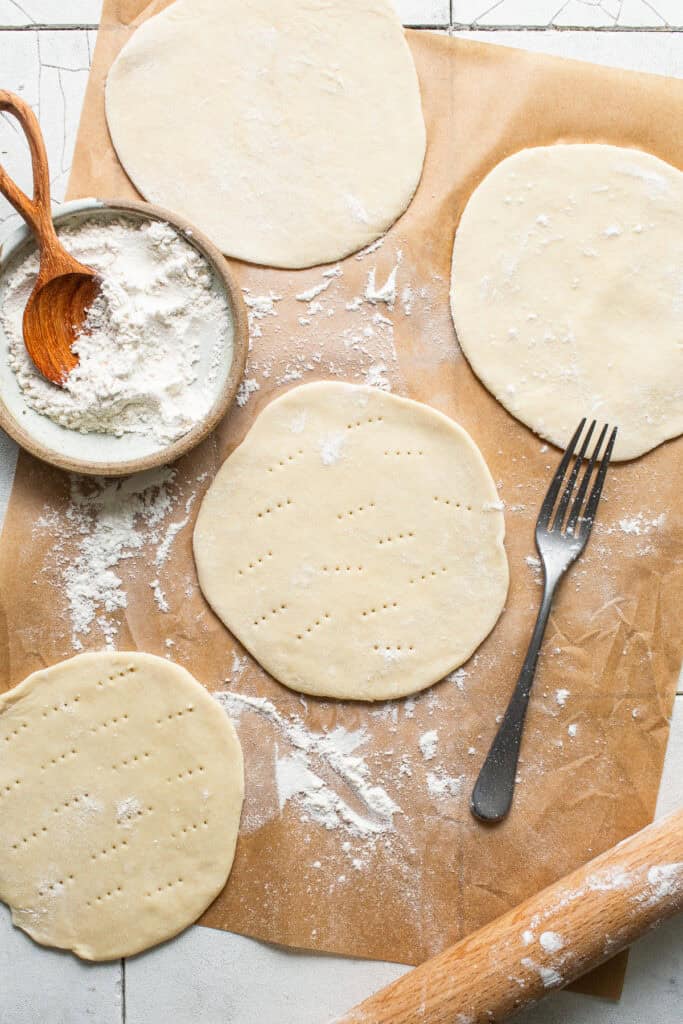
The creation of these homemade chalupas hinges on a straightforward yet effective combination of ingredients and a methodical approach to preparation. The core of the dish lies in the shell, for which a simple dough is the foundation. This dough is then divided into eight equal portions, rolled into approximately five-inch circles, and crucially, pricked with a fork. This puncturing step is vital for preventing the dough from puffing up excessively and unevenly during the frying process, ensuring a manageable and aesthetically pleasing shell.
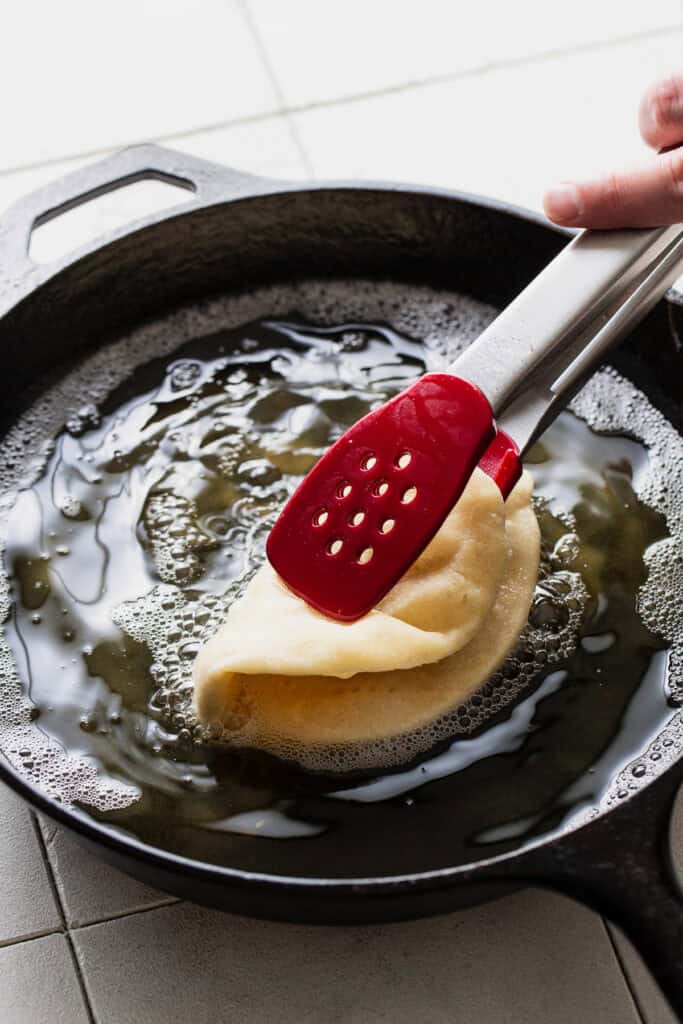
The frying of the chalupa shells is a critical stage that demands attention to oil temperature. The dough circles are fried individually for about 30 seconds per side. Following this initial fry, the key to achieving the characteristic taco shape is to gently fold the shell in half using tongs while it is still pliable in the hot oil. This technique allows the shell to hold its folded form as it continues to cook to a golden-brown crispness.

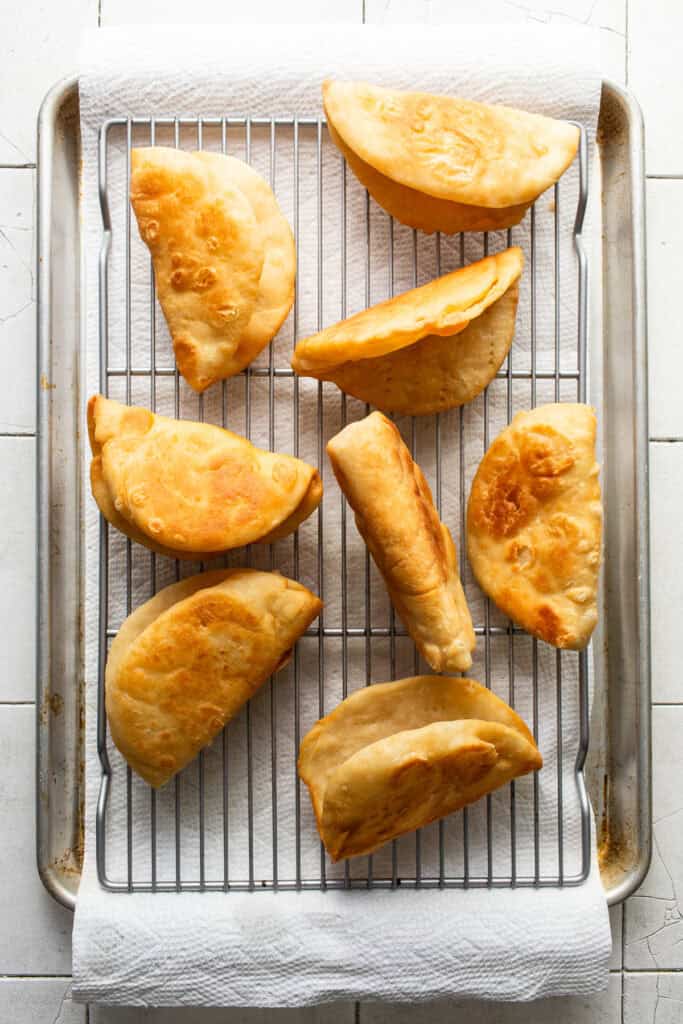
Once fried to perfection, the shells are drained on paper towels to remove any excess oil, a step that contributes to a less greasy final product. Concurrently, the seasoned ground beef filling is prepared. This typically involves sautéing ground beef with onions and a blend of taco seasonings, infusing it with the savory flavors that are a hallmark of this popular fast-food item.
Assembling the Masterpiece: A Customizable Culinary Canvas
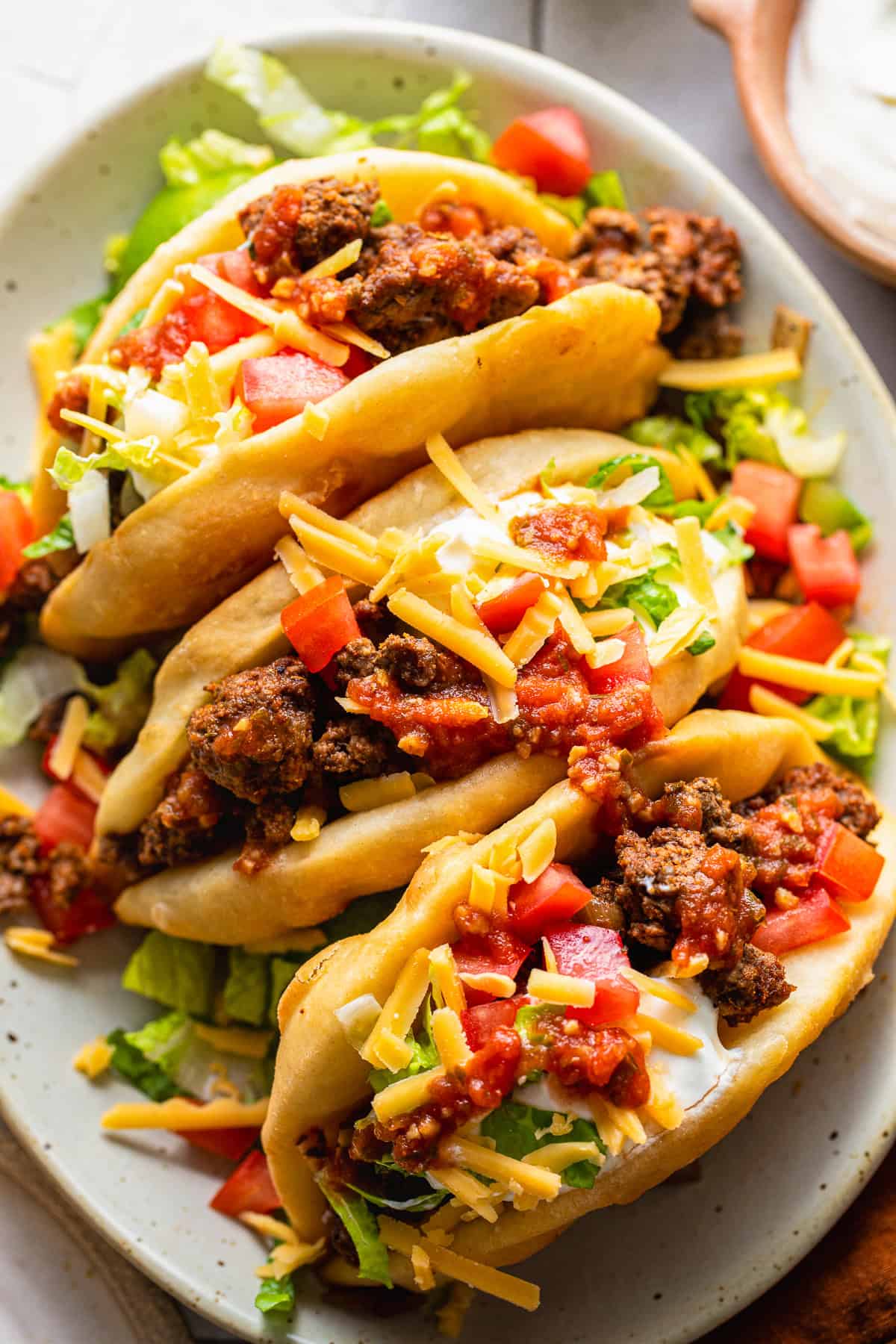
The final and perhaps most enjoyable step in creating homemade chalupas is the assembly. The fried shells serve as edible vessels, ready to be filled with the seasoned ground beef. The beauty of this recipe lies in its inherent customizability. Once the beef is in place, individuals are encouraged to "pile it as high as they want" with their preferred toppings.
Common and highly recommended toppings include shredded cheese, diced tomatoes, crisp lettuce, a dollop of sour cream, and for an added kick, salsa or hot sauce. This allows for a personalized culinary experience, catering to individual tastes and preferences. The act of building one’s own chalupa adds an interactive element to the meal, making it a fun and engaging option for family dinners or gatherings.
For those seeking to enhance the meal further, the article suggests complementary dishes. Serving the chalupas alongside homemade ground beef tacos, pico de gallo, and a side of Mexican rice can create a truly immersive and satisfying Tex-Mex feast. This approach acknowledges the Americanized nature of the chalupa while still celebrating the broader flavors and culinary traditions of Mexican cuisine.
Navigating Potential Pitfalls: Recipe Tips and FAQs
The journey to perfect homemade chalupas is generally smooth, but like any culinary endeavor, there are common questions and potential challenges that can arise.
Can I make the shells ahead of time?
While chalupa shells are undeniably best when fresh, they can be prepared in advance. The fried shells should be allowed to cool completely before being stored in an airtight container for up to two days. To revive their crispness before serving, they can be briefly reheated in an air fryer. This foresight allows for efficient meal preparation, especially for larger gatherings.
Why did my shells turn out greasy?
A greasy chalupa shell is almost always an indicator that the frying oil was not hot enough. The ideal oil temperature for frying these shells is around 350°F (175°C). If the oil is too cool, the dough will absorb excess oil as it sits in the fryer for a prolonged period, leading to a greasy texture. Ensuring the oil reaches and maintains the correct temperature is crucial for achieving the desired crispness and minimizing oil absorption.
Can I make these without frying them?
Frying is the quintessential method for achieving the classic Taco Bell-style chalupa shell. However, for those who prefer to avoid deep-frying, an alternative method involves cooking the dough on both sides in a griddle or hot skillet, similar to preparing a flour tortilla. While this will result in a different texture and shape—more akin to a tostada base—the dish can still be delicious and satisfying, albeit with a departure from the iconic puffy shell.
Nutritional Considerations
The provided nutritional information offers a snapshot of the estimated caloric and macronutrient content per serving of one chalupa. A single chalupa is estimated to contain approximately 363 calories, with 26 grams of carbohydrates, 16 grams of protein, and 21 grams of fat. This includes about 6 grams of saturated fat, 3 grams of polyunsaturated fat, and 10 grams of monounsaturated fat. Trans fat content is estimated at 0.5 grams, with cholesterol at 53 milligrams. Sodium content is around 467 milligrams, and potassium at 276 milligrams. Fiber is estimated at 1 gram, with sugar at 2 grams. Vitamin A is listed at 302 IU, Vitamin C at 1 mg, Calcium at 71 mg, and Iron at 3 mg. It is important to note that these figures are automatically calculated and serve as an approximation, subject to variations based on specific ingredients and preparation methods.
The pursuit of recreating familiar fast-food flavors at home offers a rewarding culinary experience. The homemade chalupa, with its customizable nature and satisfying texture, stands as a testament to the joy of bringing beloved tastes from restaurant menus into one’s own kitchen, allowing for both fidelity to the original and personalized culinary expression.
Related posts: