Historical Context and Evolution
The recipe’s journey began more than ten years ago during a period of collaboration between plant-based food bloggers. Somer McCowan, a prominent figure in the vegan community and a known contributor to platforms like Forks Over Knives, provided the original framework for this mushroom-based soup. Her contribution was not merely a set of instructions but a demonstration of the communal support systems inherent in the early days of online recipe development.
The recent update to the recipe—which now emphasizes efficiency and simplified logistics—follows the passing of McCowan, serving as both a functional kitchen guide and a commemorative nod to her influence on plant-based gastronomy. The transition from the 2013 version to the current iteration reflects a broader trend in culinary media: moving away from complex, multi-step procedures that require the dangerous transfer of boiling liquids between vessels and toward more streamlined, blender-centric methodologies.
Nutritional Profile and Dietary Implications
In an era where plant-based consumers are increasingly focused on macronutrient density, this soup stands out for its high protein content. Each serving provides 14 grams of protein, a figure that can be further increased to over 20 grams through the incorporation of white beans or silken tofu. This shift toward high-protein vegan options is supported by current dietary data, which indicates that consumers are actively seeking plant-derived proteins that do not rely solely on processed meat alternatives.
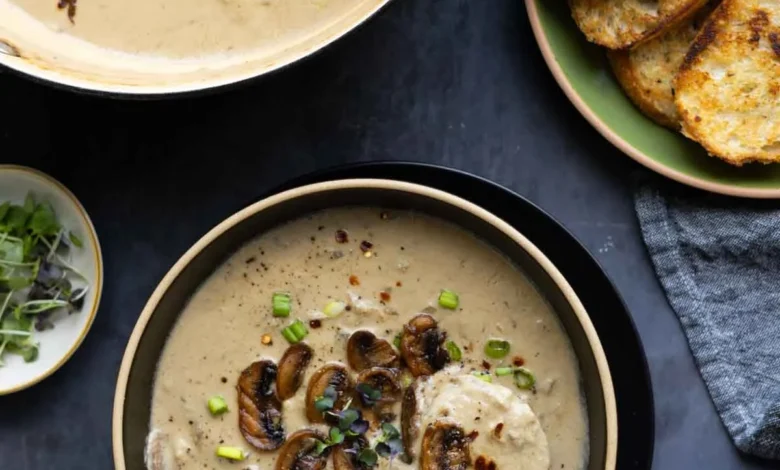
The base of the soup relies on a combination of cashews, mushrooms, and vegetable stock. From a nutritional standpoint, the use of cashews provides essential healthy fats and a creamy texture without the need for dairy, making the dish inherently cholesterol-free. By offering modifications for soy-free and nut-free diets—such as substituting hemp seeds or legumes—the recipe addresses the growing market demand for inclusive meal planning, catering to individuals with common food allergies who often struggle to find safe, creamy, and satisfying soup options.
Technical Adjustments and Culinary Methodology
The technical revision of the recipe focuses on safety and consistency. In the original 2013 method, the process required boiling the entire batch of stock and mushrooms before transferring portions to a blender—a practice that presents a significant risk of thermal burns and potential kitchen accidents. The updated methodology, developed by the current editorial team, advocates for blending only a portion of the onion and mushroom mixture with the cashew-based cream before reintegrating it into the primary stock.
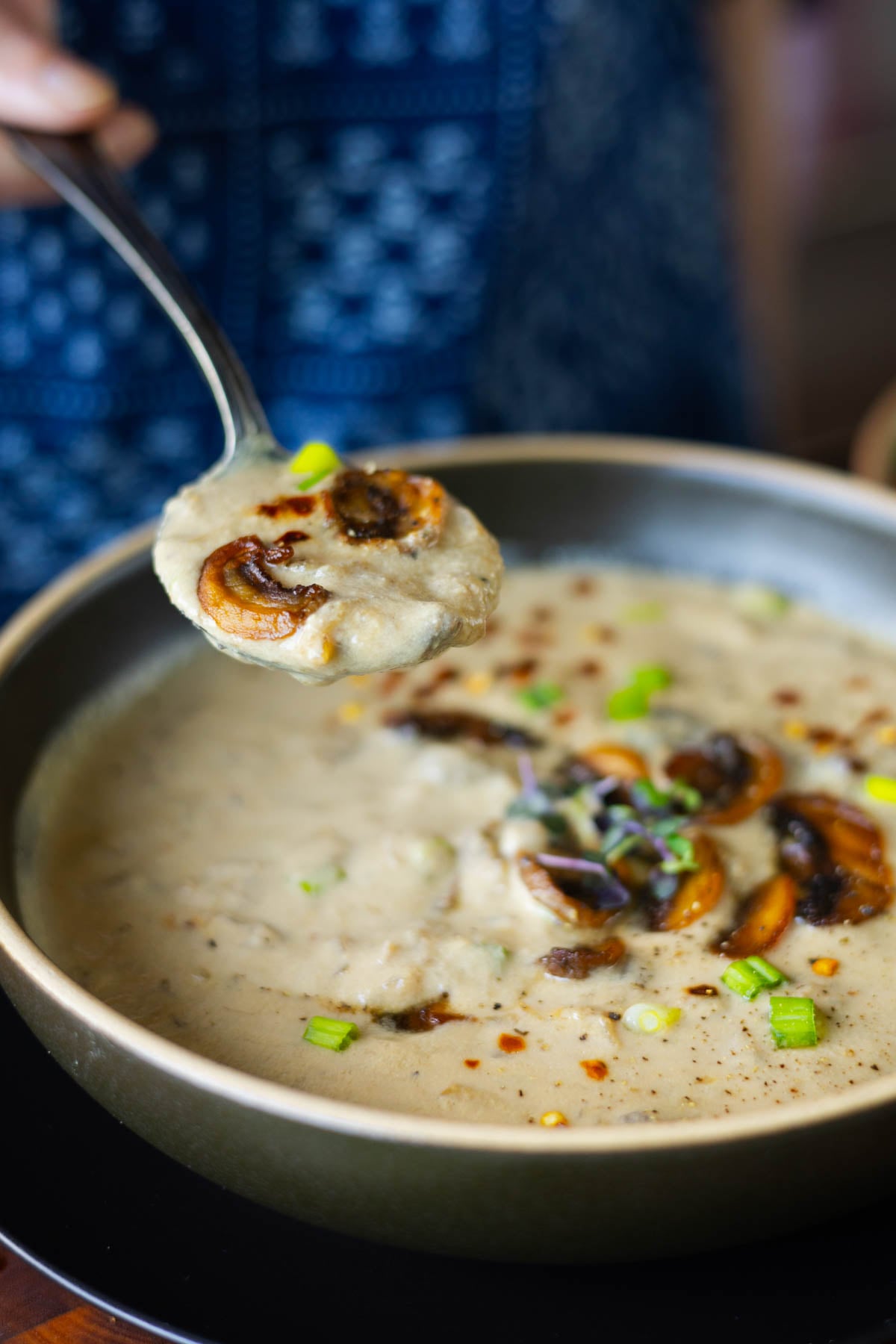
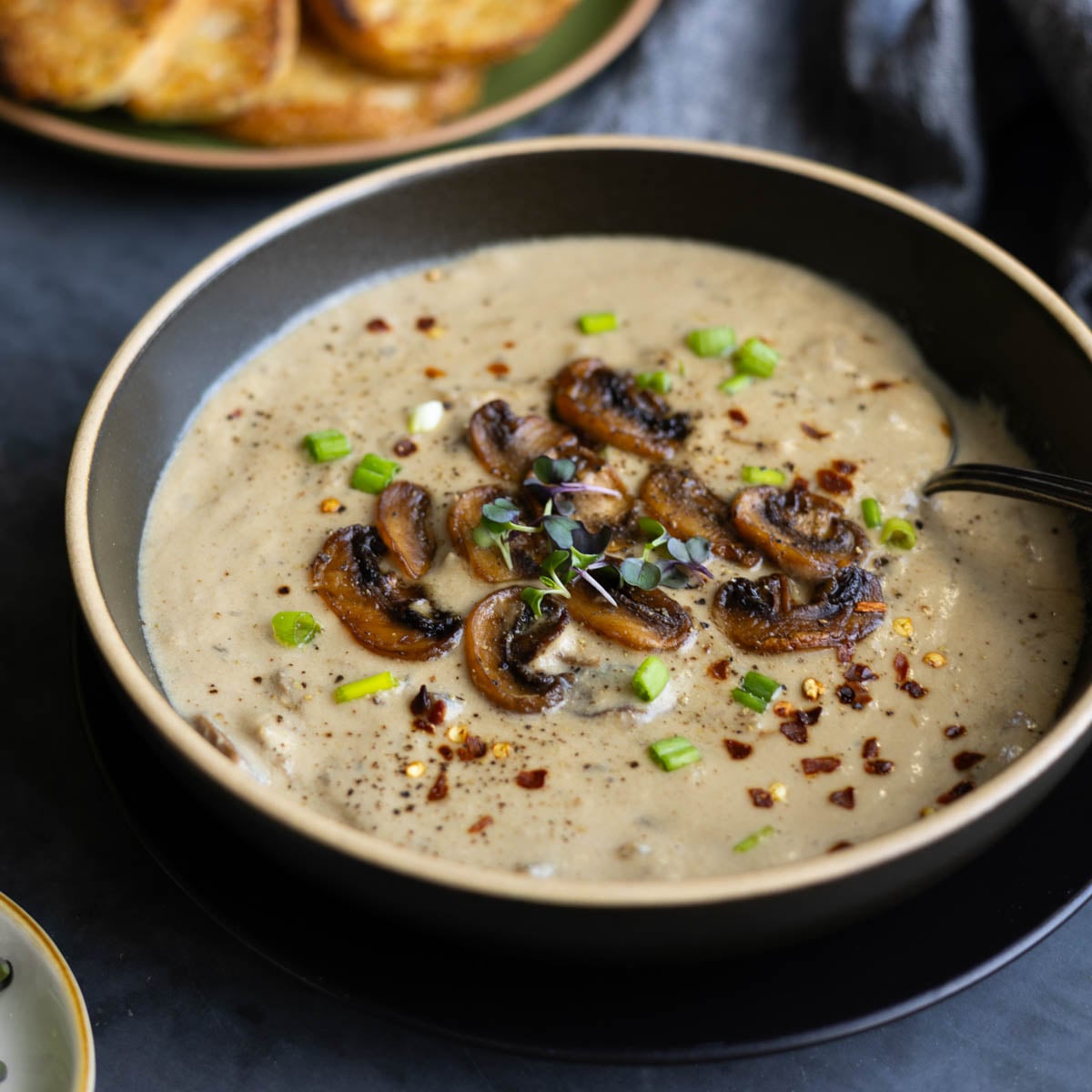
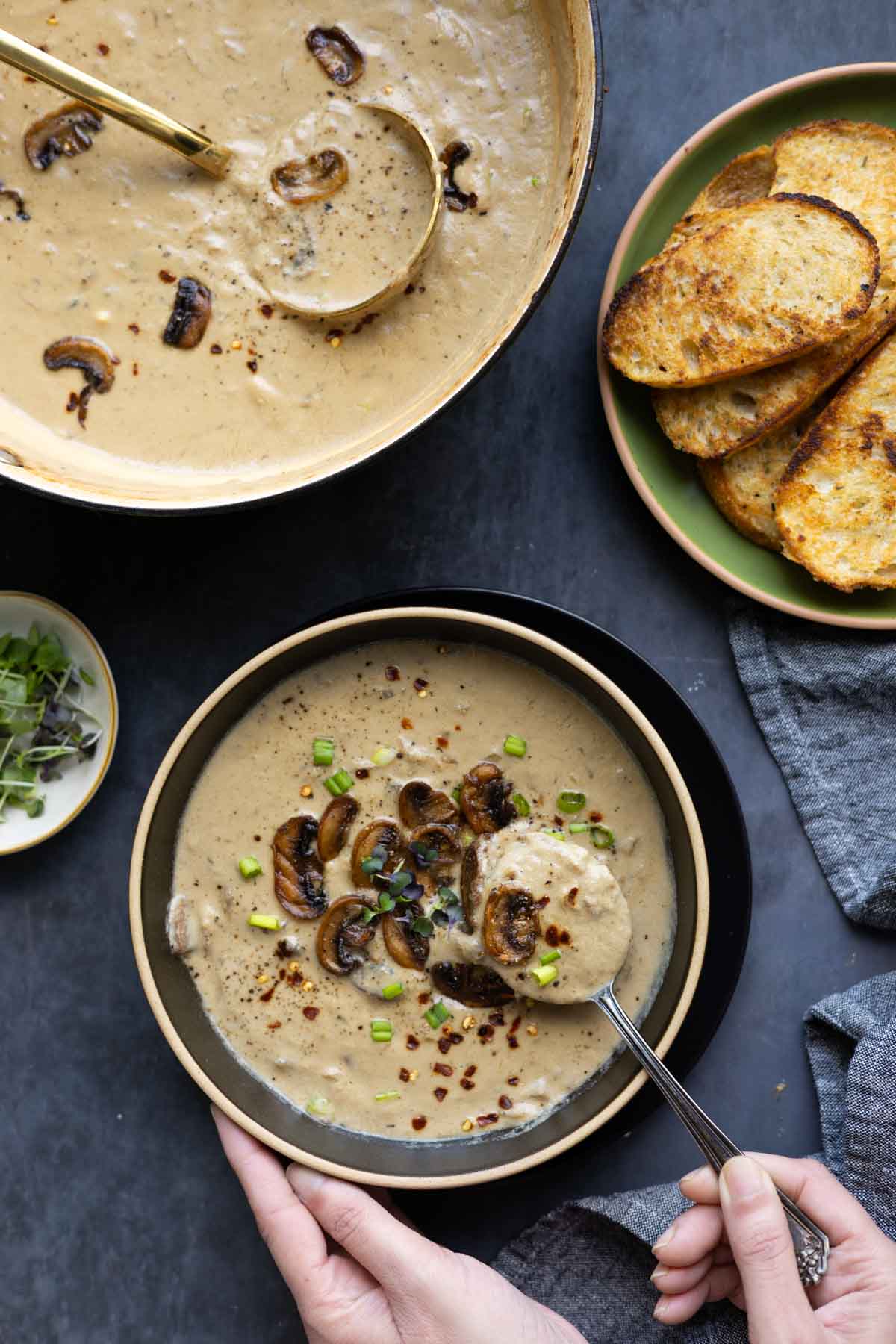
This change is more than a matter of safety; it is a structural improvement. By blending the aromatics with the thickening agent, the soup achieves a more uniform consistency. The remaining mushrooms, which are browned separately to provide texture and visual appeal, are added back to the liquid at the final stage. This technique ensures that the soup maintains a "meaty" mouthfeel despite being entirely plant-based, addressing a common critique of vegan cream soups.
Culinary Versatility and Market Adaptability
The recipe’s adaptability is one of its primary strengths in a commercial or home-kitchen setting. The instructions explicitly suggest the use of wine or balsamic vinegar to balance the umami-rich flavors of the mushrooms. This flexibility allows for regional variations, enabling cooks to utilize ingredients that are readily available in their local markets. The suggestion to include miso or fresh herbs further demonstrates how a standard, base-level recipe can be scaled or elevated for more complex culinary applications.
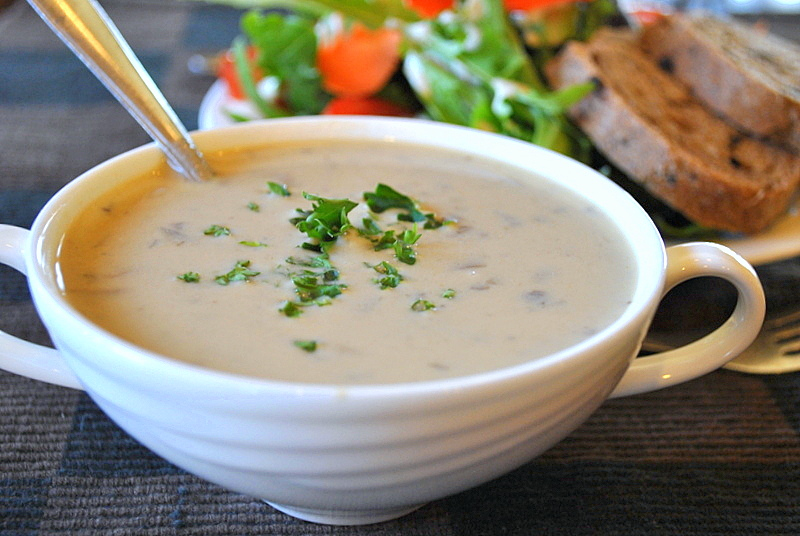
Data regarding home-cooking habits suggests that "one-pot" or "30-minute" meals are significantly more likely to be adopted by families and time-constrained individuals. By meeting these time-efficiency benchmarks while maintaining a gourmet-adjacent quality, the recipe remains relevant in a crowded media landscape. The ability to store the soup for up to three days in a standard refrigerator also aligns with the current consumer focus on meal-prepping and food waste reduction.
Broader Impact on Plant-Based Food Culture
The legacy of Somer McCowan, as highlighted through this recipe, emphasizes the social aspect of cooking. McCowan’s work in the vegan community, particularly her involvement with the Virtual Vegan Potluck and her success stories featured in major publications, solidified her reputation as a pioneer. The continued circulation of her recipe serves as a reminder that the development of plant-based recipes is an ongoing, collaborative effort rather than a static endeavor.
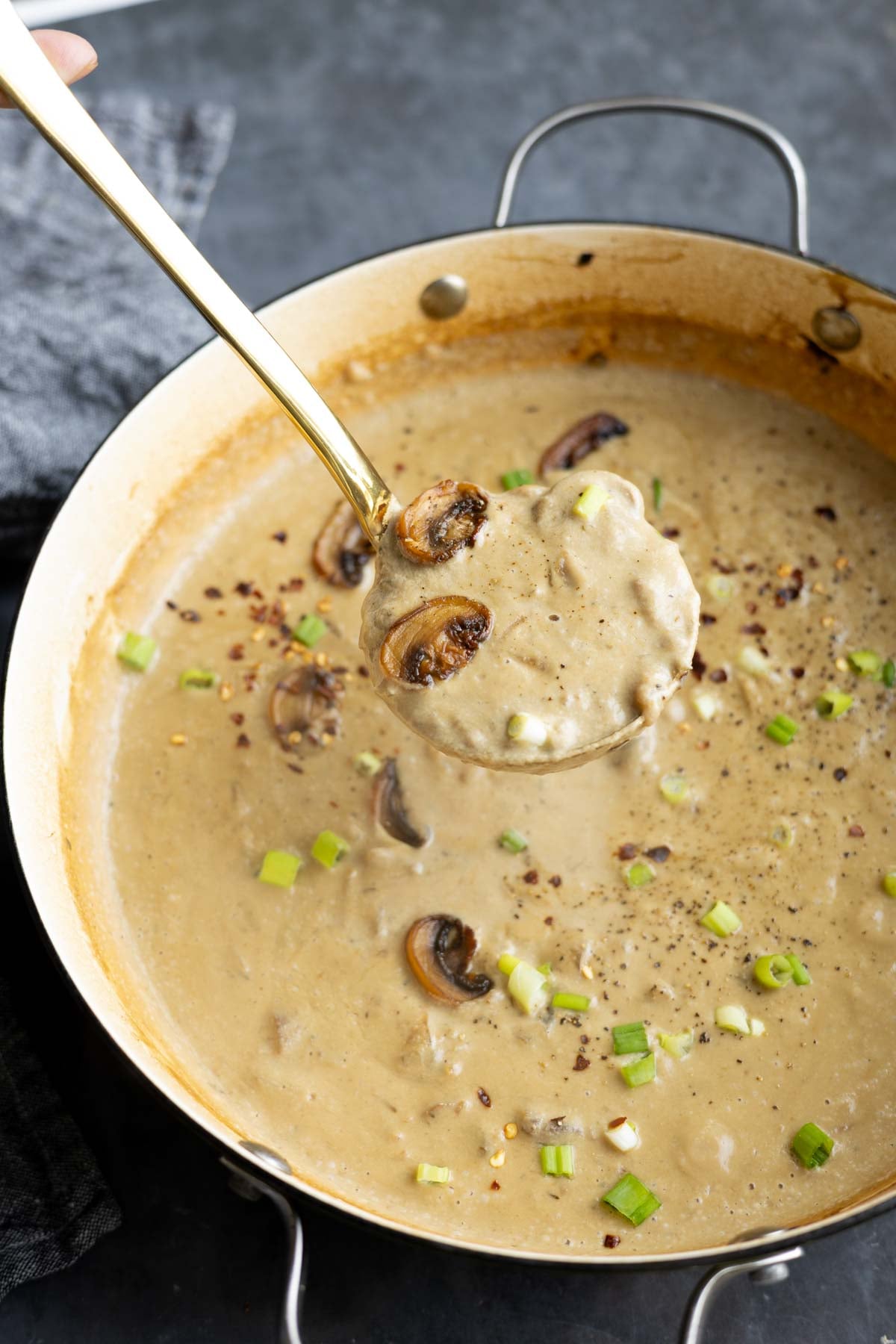
The ongoing refinement of such recipes has wider implications for the food industry. As more consumers adopt plant-based diets, the standard for what constitutes a "high-quality" meal has risen. Consumers no longer accept bland or overly processed alternatives. Instead, there is a clear preference for whole-food ingredients like mushrooms, nuts, and legumes that are prepared with techniques that enhance, rather than mask, their natural flavors.
Conclusion and Future Outlook
The Easy Vegan Cream of Mushroom Soup is a testament to the longevity of well-conceived recipes. By balancing nutritional density—specifically the 14g to 20g protein range—with a straightforward, 30-minute preparation time, the recipe meets the rigorous demands of the modern home cook. Its history, rooted in the spirit of community and collaboration, adds a layer of depth that is rare in contemporary digital food writing. As plant-based eating continues to transition from a niche interest to a mainstream dietary standard, the importance of reliable, nutritious, and time-efficient recipes will only increase. Whether prepared with standard pantry staples or elevated with seasonal herbs and artisanal additions, the dish remains a foundational example of how classic comfort food can be successfully reimagined for the 21st century.