The Silent Threat on Pacific Northwest Highways: How a Tire Chemical is Decimating Coho Salmon and What Scientists and Tribes are Doing to Stop It

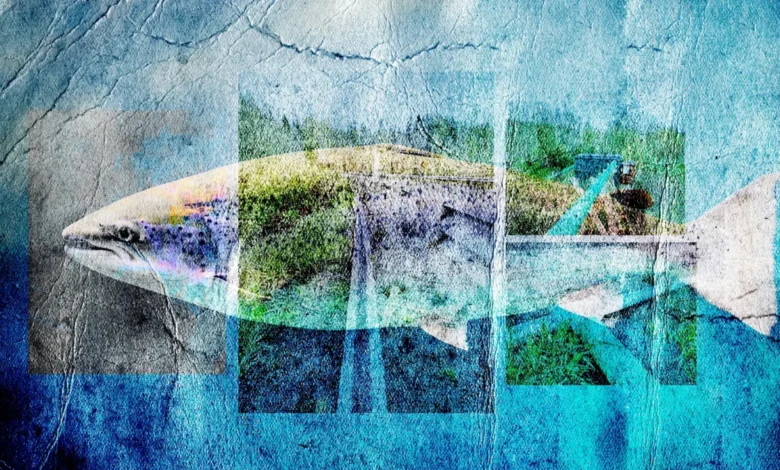
Every autumn, the rivers and streams of the Pacific Northwest bear witness to one of nature’s most enduring migrations. Coho salmon, having spent years navigating the vast and perilous open ocean, return to the exact freshwater environments where they were born to spawn. This journey is the culmination of a complex lifecycle vital not only to the regional ecosystem, but also to the cultural identity and traditional diets of Indigenous communities like the Nisqually Tribe. Yet, in recent decades, a modern, invisible threat has turned these historic spawning grounds into graveyards.
As winter rains sweep across western Washington, they wash the detritus of modern transportation from impervious asphalt into local watersheds. Among these invisible pollutants is a ubiquitous chemical compound used to weatherize automobile tires. When this chemical reacts with atmospheric ozone, it transforms into a highly toxic derivative known as 6PPD-quinone. For coho salmon traversing urbanized and semi-rural streams, contact with this compound is frequently a death sentence, causing disorientation, gasping, and mortality within mere hours.
The discovery of 6PPD-quinone has mobilized a coalition of tribal natural resource departments, academic researchers, environmental nonprofits, and state agencies. Racing against time, these groups are attempting to engineer solutions at the intersection of infrastructure, chemistry, and policy before this iconic fish population suffers irreversible decline.
Unmasking the Culprit: A Scientific Breakthrough
For years, fisheries biologists and conservationists in cities like Seattle and Tacoma were baffled by a recurring phenomenon known as "urban runoff mortality syndrome." Returning adult coho salmon would suddenly exhibit erratic behavior—spiraling, swimming near the surface, and gasping for air—before dying before they could spawn. Researchers noted that this phenomenon occurred almost exclusively after heavy rainstorms washed roadway runoff directly into urban streams.
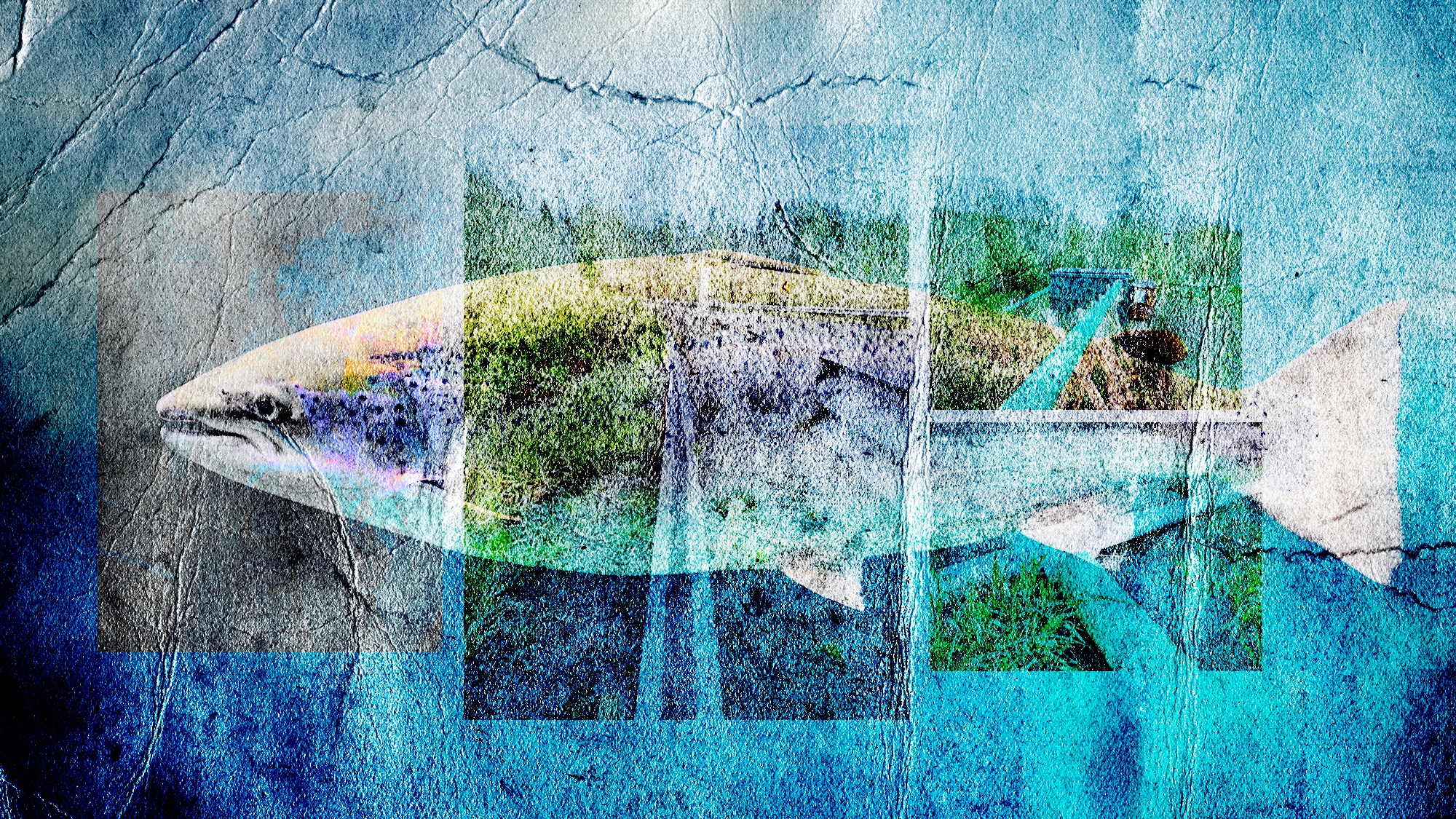
The turning point in solving this ecological mystery occurred in December 2020, when a team of researchers at the Center for Urban Waters at the University of Washington, Tacoma, published a landmark study in the journal Science. Led by environmental chemist Zhenyu Tian, the research team utilized cutting-edge high-resolution mass spectrometry to break down the chemical composition of toxic stormwater samples.
By systematically isolating and analyzing individual compounds based on molecular weight, Tian and his colleagues pinpointed 6PPD-quinone. The parent chemical, 6PPD, is a standard additive mixed into rubber manufacturing to prevent tires from degrading and cracking when exposed to ozone. However, as tires wear down on roadways, microscopic rubber particles are shed onto the pavement. When these particles interact with rainwater and ozone, 6PPD oxidizes into 6PPD-quinone.
For the salmon recovery community, identifying the exact chemical was both a revelation and a sobering realization. David Troutt, the natural resources director for the Nisqually Tribe, noted that while the discovery was terrifying given the ubiquitously woven role of automobiles in modern society, it finally provided a tangible target for remediation.
The Nisqually Tribe on the Front Lines of Defense
The ancestral lands of the Nisqually Tribe encompass thousands of acres in western Washington, deeply intertwined with the health of local waterways such as Ohop Creek. Highway 7 cuts directly through this landscape, intersecting regional spawning grounds where juvenile coho spend the critical early phases of their lives before migrating to the sea.
Given the cultural and nutritional centrality of salmon to the Nisqually people—who harvested a portion of the millions of pounds of coho consumed annually across the United States—the Tribe has spent decades spearheading habitat restoration and conservation initiatives. Upon learning of the 6PPD-quinone threat in late 2020, the Nisqually Department of Natural Resources immediately sought actionable interventions.
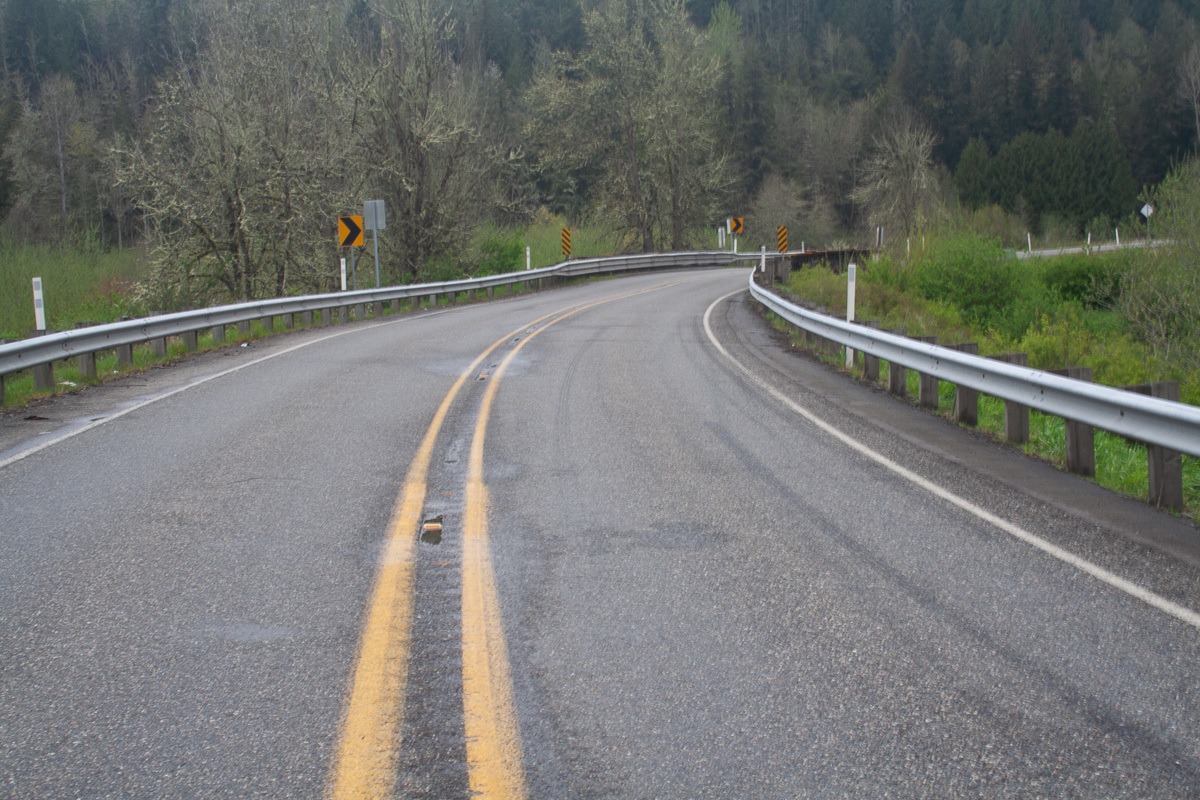
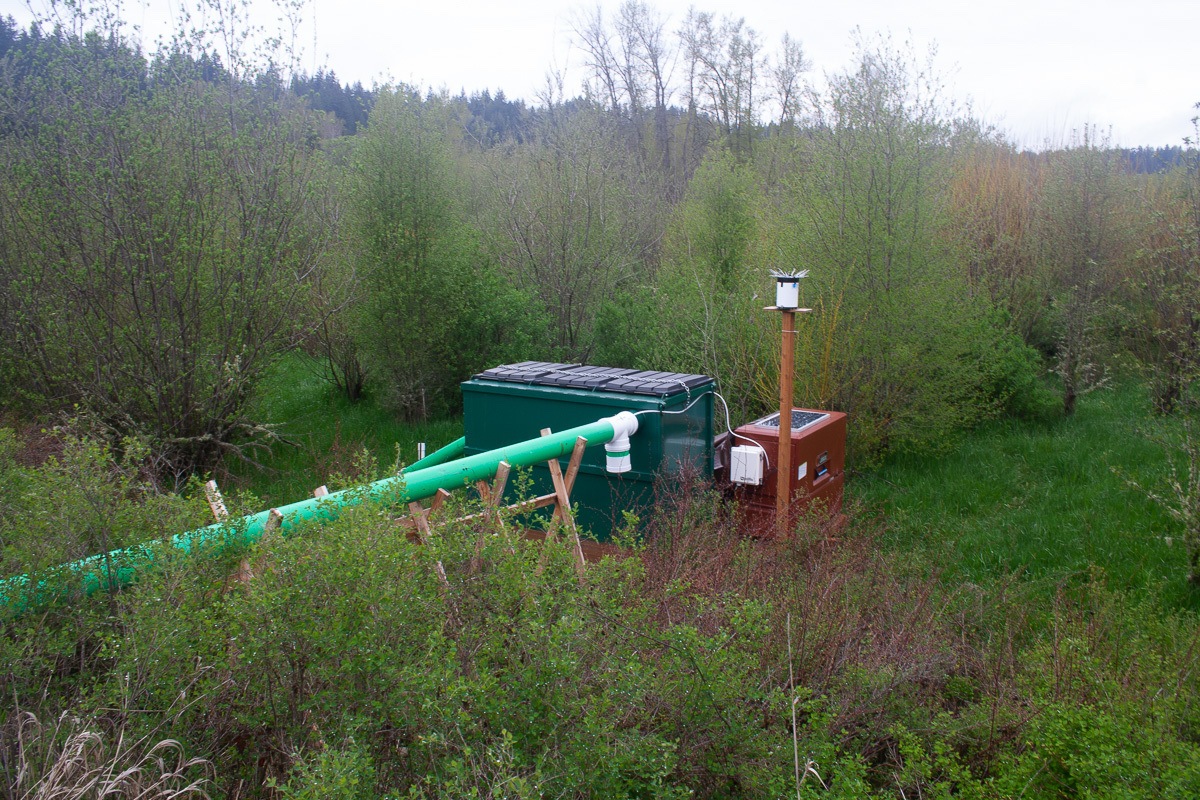
Partnering with Long Live the Kings, a Seattle-based nonprofit dedicated to salmon recovery, the Tribe constructed a pilot biofiltration system along Highway 7 at Ohop Creek. The engineering behind the system is designed to intercept stormwater runoff before it reaches the stream. Instead of flowing directly into the habitat, rainwater from the highway is channeled into a dumpster-sized containment box. Inside this unit, the water is filtered through a proprietary blend of sand and organic matter engineered to strip out toxic compounds before the treated water is safely released back into the surface watershed.
This installation builds upon pioneering research conducted by Jenifer McIntyre, an assistant professor at Washington State University, who collaborated with organizations like Cedar Grove Composting and municipal partners in Bellevue, Washington. Their previous iterations—often referred to as Bioretention Urban Retrofits, or "BURitos"—demonstrated that organic filtration media could successfully neutralize heavy metals and organic contaminants, significantly reducing the overall toxicity of urban stormwater.
Regulatory Pressures and the Quest for Source Elimination
While localized biofiltration systems offer a vital defensive shield for critical spawning grounds, experts emphasize that end-of-pipe treatments alone cannot solve a crisis as widespread as tire wear pollution.
David Troutt and other environmental leaders stress that true remediation requires source elimination: the formulation of a salmon-safe, ecologically benign alternative to 6PPD. Finding such a compound and redesigning global tire manufacturing standards is an urgent imperative, yet regulatory and industrial transitions take time. Even if an ideal replacement were discovered immediately, legacy tire particles embedded in asphalt and soil would continue to leach toxins into watersheds for up to two decades.
Consequently, multi-layered regulatory and legislative frameworks are beginning to take shape. In July 2021, Dr. McIntyre testified before the U.S. House of Representatives regarding the existential threat posed by 6PPD-quinone. Simultaneously, state agencies such as the Washington State Department of Ecology have engaged with industrial stakeholders, municipal leaders, and the U.S. Tire Manufacturers Association.
Regulatory authorities are actively exploring how facilities operating under the National Pollutant Discharge Elimination System (NPDES)—the federal permit program authorized by the Clean Water Act—can monitor and mitigate stormwater discharges containing tire-derived toxins. These discussions aim to establish stricter municipal stormwater management guidelines and encourage proactive infrastructure investments across the Pacific Northwest.
Broader Implications and Unanswered Questions
As researchers look to the future, significant gaps remain in our understanding of 6PPD-quinone’s broader ecological footprint. While its acute toxicity to coho salmon is well-documented, scientists are still investigating the precise physiological mechanisms at play. Questions persist regarding whether the toxin attacks the central nervous system or disrupts blood chemistry, and whether other aquatic species—or even humans—suffer sub-lethal or long-term impacts from chronic exposure.
Furthermore, the sheer volume of 6PPD already distributed across global roadways presents an unprecedented logistical challenge for environmental engineers.
Back in the Nisqually Valley, the pilot biofiltration system along Highway 7 is viewed as a foundational prototype rather than a standalone cure. Tribe leadership and their conservation partners are carefully monitoring the system’s performance, with the long-term goal of scaling up installations across vulnerable roadways throughout the region.
As state legislators and transportation departments weigh the financial and structural demands of widespread stormwater retrofitting, the race continues to protect a cornerstone species. For the Nisqually Tribe and conservationists across the Pacific Northwest, securing the future of the coho salmon requires bridging cutting-edge environmental chemistry with aggressive infrastructure adaptation, ensuring that the ancient migration up freshwater streams is not cut short by the modern highway.