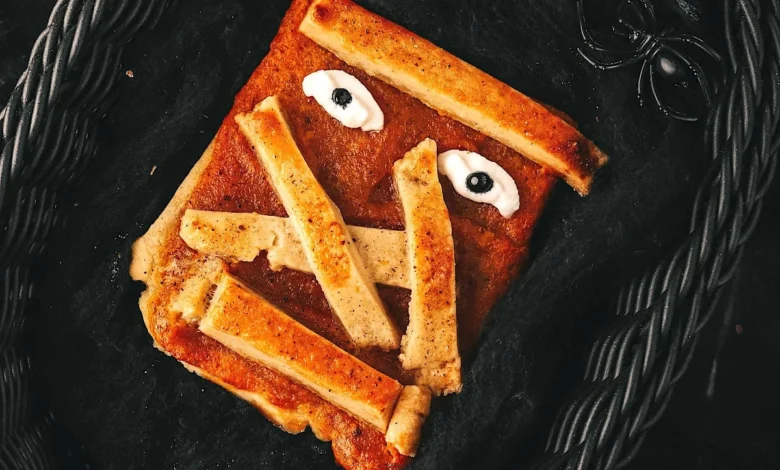
As the autumn season reaches its peak and consumers increasingly turn their attention toward seasonal holiday planning, celebrated Mediterranean chef Giorgos Tsoulis has unveiled a creative culinary addition to the global baking landscape: the Pumpkin Mummy Tartlet. Designed to bridge the gap between gourmet autumn baking and lighthearted holiday traditions, the recipe merges traditional spiced pumpkin desserts with modern, whimsical presentation styles intended to appeal to both adult connoisseurs and families. The release of this recipe highlights a broader commercial and cultural shift in home baking toward visual storytelling, seasonal nostalgia, and interactive kitchen activities during the October festivities.
The Rise of Themed Seasonal Baking
In recent years, the culinary industry has observed a significant surge in consumer demand for themed, artisanal treats during major holidays like Halloween. According to retail and food-industry data, consumer spending on seasonal baking supplies, specialty spices, and decorative confectionery peaks between September and October annually. Home bakers and culinary artists are increasingly challenged to produce items that not only deliver complex flavor profiles but also offer high visual impact for social media platforms and family gatherings.
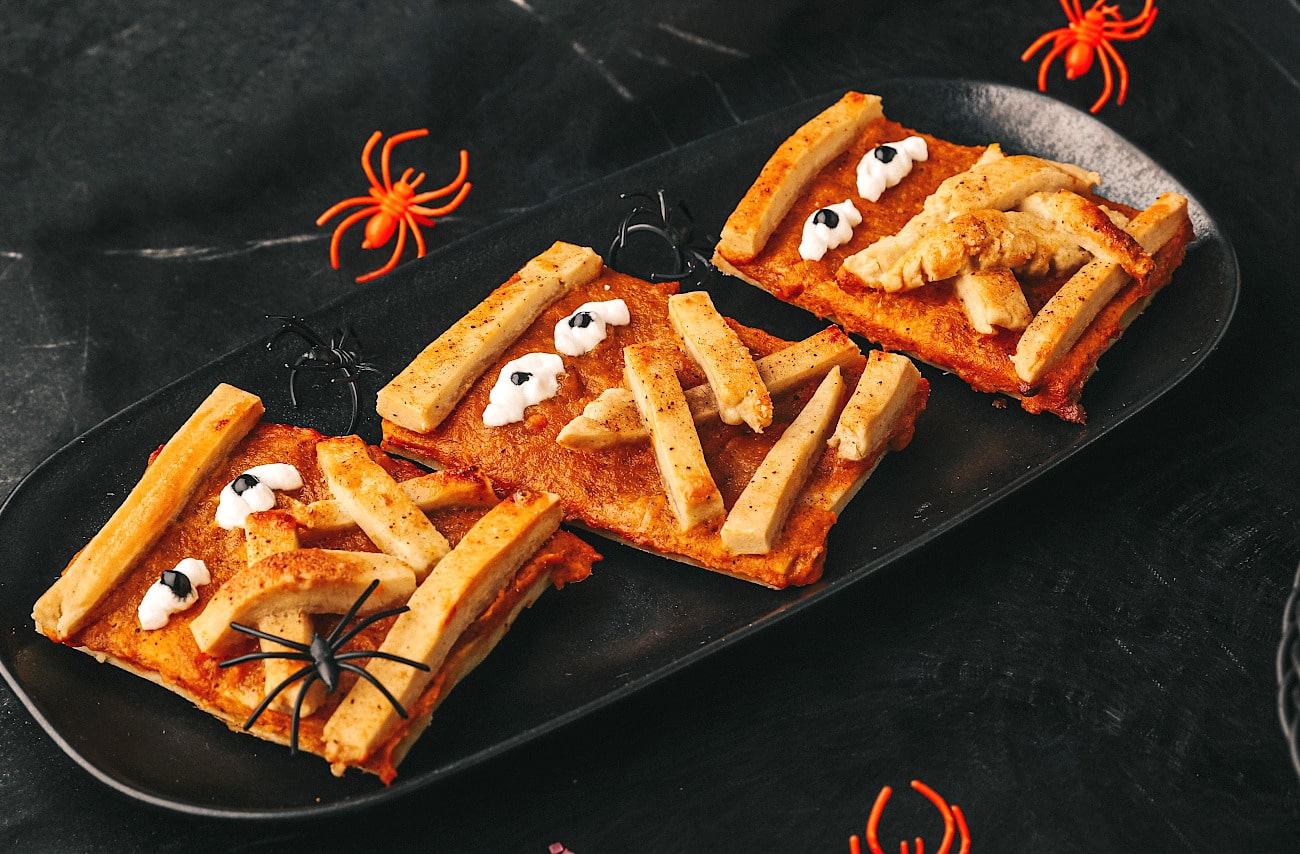
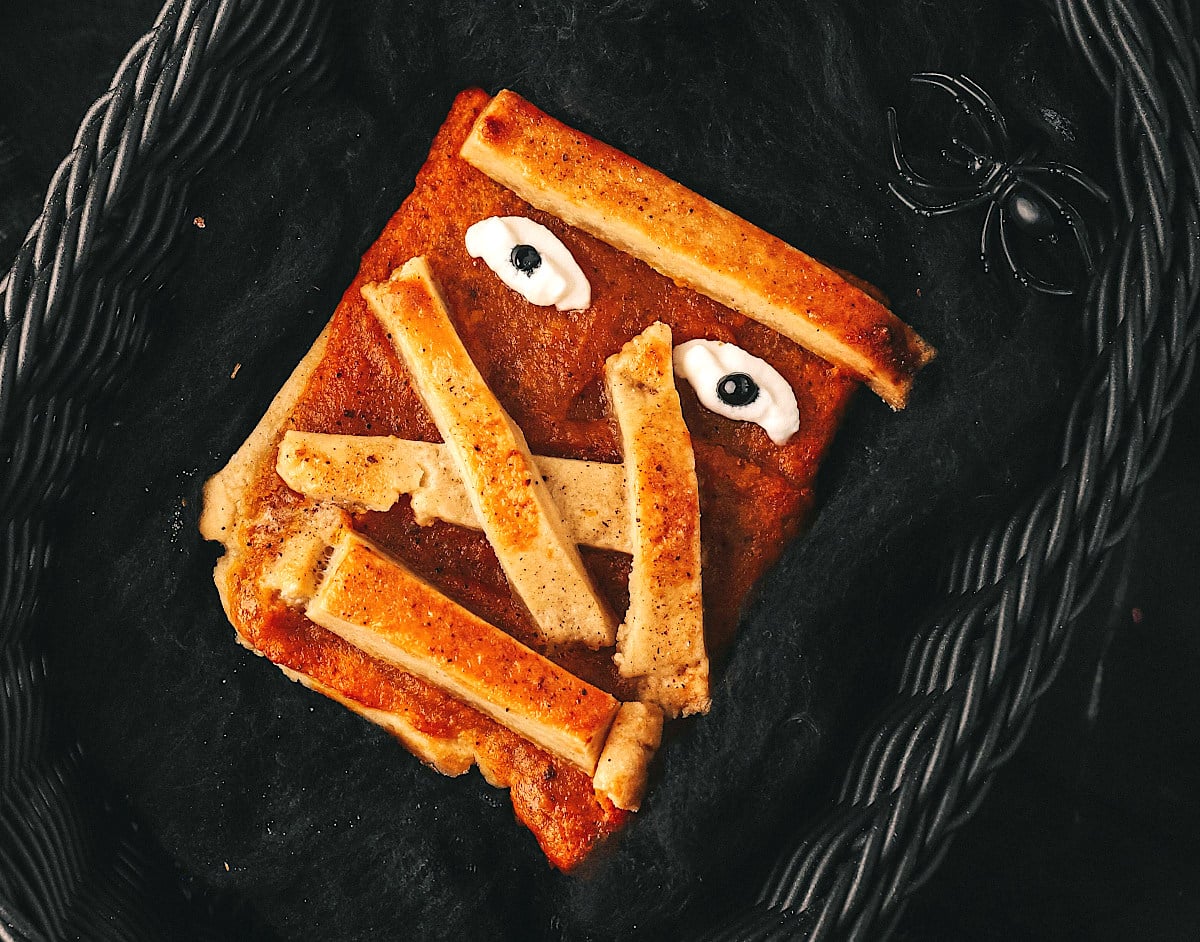
Chef Tsoulis’s pumpkin mummy tartlets arrive precisely within this cultural window. By combining a classic fall flavor profile—featuring warm spices such as cinnamon, nutmeg, and cloves—with an innovative pastry design, the recipe addresses the modern consumer’s desire for elevated comfort food. The tartlets feature a buttery, golden pastry base filled with a rich, creamy pumpkin custard. Strips of extra pastry are meticulously draped across the top to mimic traditional mummy bandages, framing small fondant eyes that peek through the crust.
Chronology of Culinary Innovation and Recipe Development
The conceptualization and public release of the pumpkin mummy tartlets follow a structured timeline typical of professional chef-driven content strategies for holiday periods.
In the weeks leading up to October, culinary professionals and recipe developers analyze emerging food trends, ingredient availability, and consumer preferences. For Tsoulis, the development process began with standardizing the pastry-to-filling ratio to prevent structural integrity issues common in custard-based tarts.
A critical phase in the chronology of the recipe involves moisture control. Professional culinary testing established that pumpkin puree must be thoroughly cooled and drained of excess water before incorporation into the filling. Failure to eliminate excess moisture risks saturating the buttery pastry, compromising the structural crispness required for a high-quality tartlet.
Once the structural parameters were finalized, the aesthetic elements were refined. The assembly process—involving rolling, cutting, and crisscrossing pastry strips—was timed to ensure the recipe remained accessible for home cooks while delivering professional-grade visual results. The total preparation and cooking timeline for the recipe spans approximately two hours and fifteen minutes, broken down into twenty-five minutes of active preparation, forty minutes of baking time, and one hour allocated for cooling and setting.
Ingredients and Nutritional Considerations
The pumpkin mummy tartlet recipe is engineered to yield twelve individual servings, making it practical for parties, school events, and family dessert spreads. The ingredient list is bifurcated into components for the pastry, the spiced pumpkin filling, the egg wash for brushing, optional decorative sprinkling, and fondant detailing for the eyes.

From a nutritional perspective, the incorporation of pumpkin puree introduces dietary fiber, vitamin A, and antioxidants, aligning with consumer desires for seasonal foods that retain nutritional value despite their indulgent presentation. However, the inclusion of rich pastry dough, butter, and sweeteners categorizes the tartlet firmly within the realm of celebratory holiday desserts. Food scientists and nutritionists often note that incorporating authentic agricultural produce like pumpkin into baked goods serves as an effective method for introducing seasonal vegetables to younger demographics who might otherwise avoid them in savory dishes.
Professional Background of Chef Giorgos Tsoulis
The creator of the recipe, Giorgos Tsoulis, is a prominent figure in modern Mediterranean gastronomy. Specializing in contemporary Greek and regional European cuisines, Tsoulis has built an international following through his extensive work in high-end restaurant kitchens, television culinary programs, and digital media platforms.
Beyond commercial hospitality, Tsoulis has established a distinct reputation for advocacy in sustainable cooking and health-conscious eating. As a sustainable cuisine ambassador for WWF Hellas, he plays an active role in educational initiatives such as the European #Eat4Change program and the #Farm2Fork initiative. These programs aim to educate consumers on the environmental impacts of food choices, encouraging the utilization of local, seasonal ingredients to minimize the carbon footprint of domestic and commercial kitchens. While the Halloween tartlets are primarily designed as an entertaining holiday project, Tsoulis’s broader culinary philosophy consistently emphasizes ingredient integrity, minimizing food waste, and sustainable agricultural practices.
Broader Market Impact and Cultural Implications
The introduction and widespread digital sharing of recipes like the pumpkin mummy tartlets underscore the evolution of Halloween from a primarily children-focused costume holiday into a major retail and culinary event for all demographics. Market analysts frequently categorize Halloween as one of the most lucrative periods for the baking and confectionery sectors, rivaling traditional winter holidays in terms of consumer engagement.
Furthermore, the popularity of such recipes reflects the democratization of gourmet cooking through digital platforms. By providing step-by-step instructions, high-resolution visual guides, and professional chef tips—such as managing moisture content in pumpkin puree—digital recipe platforms empower home cooks to replicate complex pastry techniques in domestic kitchens.
As culinary trends continue to favor interactive, aesthetically driven food experiences, recipes that combine traditional flavor heritage with contemporary visual artistry are expected to remain staple features of holiday food media. The pumpkin mummy tartlets serve as a case study in how established chefs adapt classic seasonal ingredients to meet modern consumer demands for creativity, presentation, and shared culinary experiences.