Strategic Morning Meal Preparation Trends Rise in Urban Indonesian Households Amid Fast-Paced Lifestyles

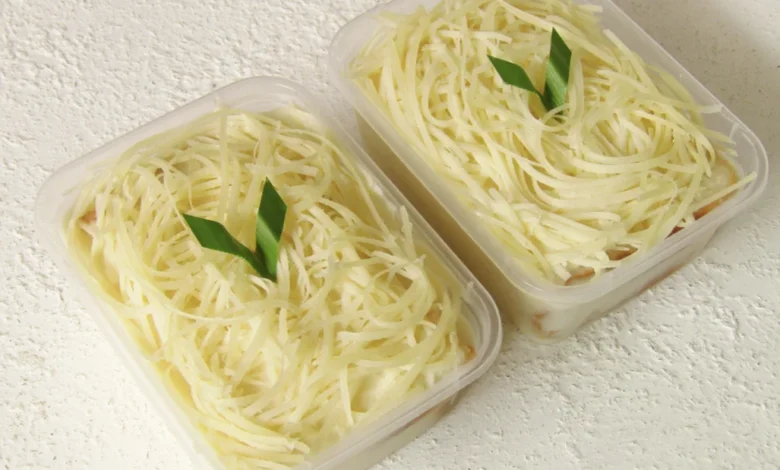
The modern Indonesian household faces a persistent daily dilemma: balancing the demand for nutritious, comforting family breakfasts with the relentless pace of contemporary urban schedules. In response to this logistical challenge, a growing number of families across Jakarta and other major metropolitan areas are adopting advanced meal preparation strategies, shifting the burden of morning cooking to the evening hours. This evolving domestic trend is transforming how urban professionals and parents approach the morning routine, merging efficiency with culinary satisfaction through make-ahead comfort foods like creamy bread pudding variations, locally known as setup roti tawar.
As traffic congestion lengthens commutes and corporate expectations demand earlier arrivals, the traditional Indonesian breakfast—often requiring active morning frying, boiling, or steaming—is increasingly being replaced by pre-assembled culinary solutions. Sociological observations indicate that urban families are reclaiming their mornings by decentralizing food preparation tasks. Rather than spending critical morning minutes scrambling for ingredients, households are leveraging refrigerators and airtight containers to store fully or semi-prepared dishes overnight, ensuring that the first meal of the day remains a harmonious family gathering rather than a rushed logistical hurdle.
The Evolution of Meal Prep in Indonesian Domestic Culture
Meal preparation, commonly referred to globally as "meal prepping," has historical roots in traditional Indonesian food preservation and batch cooking, such as preparing sambal goreng or rendang for multiple days. However, the contemporary application of meal prep focuses heavily on perishable, ready-to-eat breakfast items designed for immediate consumption after brief chilling or reheating.
According to domestic lifestyle analysts, the COVID-19 pandemic significantly accelerated this trend. With remote and hybrid work models redefining the boundaries of home and office, families spent more time together in kitchens, prompting a re-evaluation of home economics. Even as corporate life has largely returned to pre-pandemic on-site mandates, the habit of strategic food planning has endured. Consumers now view advanced food preparation not merely as a quarantine necessity, but as an essential lifestyle management tool designed to reduce cognitive load during high-stress morning hours.
Market research within the fast-moving consumer goods (FMCG) sector supports this observation. Data indicates an upward trajectory in the sales of food storage containers, refrigeration units, and versatile pantry staples such as condensed milk, coconut milk, and sliced white bread. Consumers are actively seeking recipes that require minimal morning intervention while delivering high sensory satisfaction, particularly dishes that blend creamy textures with familiar, comforting flavor profiles.
Culinary Profile: The Rise of Setup Roti Tawar
At the forefront of this domestic culinary shift is setup roti tawar, a modernized, localized dessert-style breakfast dish that transforms humble white bread into an indulgent, velvety morning meal. Characterized by layers of softened bread soaked in a rich, sweet sauce composed of liquid milk, coconut milk, granulated sugar, sweetened condensed milk, and cornstarch, the dish relies on overnight refrigeration to achieve its signature dense yet creamy consistency.
Culinary historians note that setup roti tawar represents a fusion of colonial Dutch pudding influences and traditional Indonesian ingredients like coconut milk (santan) and pandan-adjacent aromatic preferences. The dish is typically served chilled, making it an ideal make-ahead option. By preparing the dish the night before, the bread absorbs the dairy and coconut mixture evenly, eliminating the need for any morning cooking steps. A final garnish of grated cheddar cheese adds a savory counterpoint to the sweet, milky base, satisfying contemporary preferences for sweet-savory flavor combinations.
Nutritionists and culinary experts point out that while white bread and sweetened condensed milk are calorie-dense, portion control and strategic ingredient pairing can fit into a balanced lifestyle when consumed mindfully. Ingredients such as dairy milk provide calcium and protein, while the inclusion of thickening agents like cornstarch ensures a satisfying texture that contributes to morning satiety.
Economic and Practical Implications of Evening Meal Planning
The transition toward evening meal preparation carries notable economic and psychological implications for urban households. From a financial perspective, batch planning and advanced preparation minimize food waste—a critical metric in a nation where household food waste remains a significant environmental and economic concern. By calculating exact quantities of white bread, milk, and condensed milk required for a specific number of servings, families can optimize their grocery spending and reduce impulse purchases of costly convenience foods during morning commutes.
Psychologically, eliminating morning decision fatigue contributes to lower baseline stress levels for working parents. Mornings characterized by predictable, pre-prepared routines foster a calmer domestic environment, allowing families to sit together for a brief meal before children depart for school and adults head to offices. This aligns with broader public health recommendations emphasizing the importance of family mealtime for childhood development and mental well-being.
Furthermore, the trend has direct implications for the retail food sector. Supermarkets and minimarkets in urban centers have adapted their product placements, frequently grouping bread, shelf-stable milk, coconut milk products, and sweetened condensed milk near store entrances to capitalize on shoppers looking for quick, multi-ingredient solution meals. Brand collaborations and digital recipe campaigns launched by dairy manufacturers aim to capture this evening-prep demographic by providing step-by-step guidance tailored to busy lifestyles.
Culinary Methodology: Preparing Setup Roti Tawar for Family Breakfasts
For households seeking to integrate setup roti tawar into their weekly meal rotation, understanding the precise preparation parameters ensures optimal food safety, texture, and flavor development. The recipe is intentionally designed for accessibility, requiring minimal kitchen equipment and a total preparation duration of approximately 30 minutes.
Recipe Specifications
- Preparation and Cooking Duration: 30 minutes (excluding overnight chilling time)
- Difficulty Level: Beginner / Easy
- Yield: 3 servings
- Origin: Indonesia
- Category: Bread-based Confection / Breakfast Dish
Required Ingredients
To execute this recipe efficiently, ensure all components are readily available in your pantry and refrigeration units:
- White bread slices (standard sandwich bread), trimmed or untrimmed according to preference
- Full cream liquid milk (for a rich dairy base)
- Coconut milk (santan), freshly pressed or packaged (to impart a traditional aromatic depth)
- Granulated sugar (adjusted to taste)
- Sweetened condensed milk (specifically utilizing quality formulations such as Frisian Flag Creamy Kental Manis to enhance creaminess and depth of flavor)
- Cornstarch (tepung maizena), dissolved in a small quantity of water to act as a thickening agent
- Cheddar cheese, freshly grated (utilizing a fine or medium shred for topping)
Step-by-Step Preparation Method
- Prepare the Cooking Vessel: Select a medium-sized saucepan suitable for preparing liquid-based sauces. Ensure the interior is clean and dry to prevent scorching during the simmering process.
- Combine the Liquid Base: Pour the measured liquid milk and coconut milk into the saucepan. Turn the heat to medium-low to prevent the dairy components from curdling or separating.
- Incorporate Sweeteners: Add the granulated sugar and sweetened condensed milk into the warming milk mixture. Stir continuously using a wooden spoon or silicone spatula until the sugar is completely dissolved.
- Thicken the Vla Sauce: Once the liquid mixture begins to steam gently, pour in the dissolved cornstarch slurry while stirring vigorously. Maintain continuous motion to prevent lumps from forming. Continue simmering until the mixture achieves a smooth, glossy, and thick consistency. Remove the saucepan from the heat source and allow it to cool slightly.
- Layer the Bread: In a heat-resistant serving dish or meal-prep container, arrange a foundational layer of white bread slices. Cut the slices as necessary to fit the contours of the container snugly.
- Apply the Creamy Sauce: Pour a generous portion of the warm vla sauce evenly over the layer of bread, ensuring every surface is adequately saturated. Repeat the layering process—alternating bread and sauce—until the ingredients are exhausted, concluding with a final layer of the creamy sauce on top.
- Garnish: Distribute the freshly grated cheddar cheese evenly across the top surface of the assembled dish, creating a balanced flavor profile that bridges sweet and savory notes.
- Refrigerate for Texture Development: Cover the container securely with a lid or food-grade plastic wrap. Place the dish into the refrigerator for a minimum of 4 hours, or ideally overnight. This extended chilling period allows the bread structure to absorb the moisture completely, resulting in the desired dense, pudding-like texture.
- Serve: Retrieve the chilled setup roti tawar directly from the refrigerator and serve in individual portions to family members as a refreshing, comforting start to the morning.
Broader Sociological and Nutritional Outlook
As urban centers in Indonesia continue to expand and commute times lengthen, domestic adaptations like setup roti tawar highlight the resilience and creativity of modern households. By redefining traditional comfort foods into make-ahead formats, families are successfully reconciling the pressures of contemporary work culture with the deeply cultural desire for home-cooked morning nourishment.
Public health advocates and culinary educators emphasize that while convenience foods and sweet breakfast dishes play a valid role in managing daily schedules, maintaining dietary diversity remains essential. Integrating fresh fruits or protein sources alongside carbohydrate- and dairy-centric dishes like setup roti tawar can help ensure that families receive a well-rounded nutritional profile. Ultimately, the rise of evening meal preparation signals a permanent shift toward intentional domestic management—one where time-saving strategies directly support family bonding and culinary enjoyment at the start of each day.
Related posts: