The Ultimate Guide to Egg and Pepper Dumplings: A Modern Take on Traditional Chinese Comfort Food

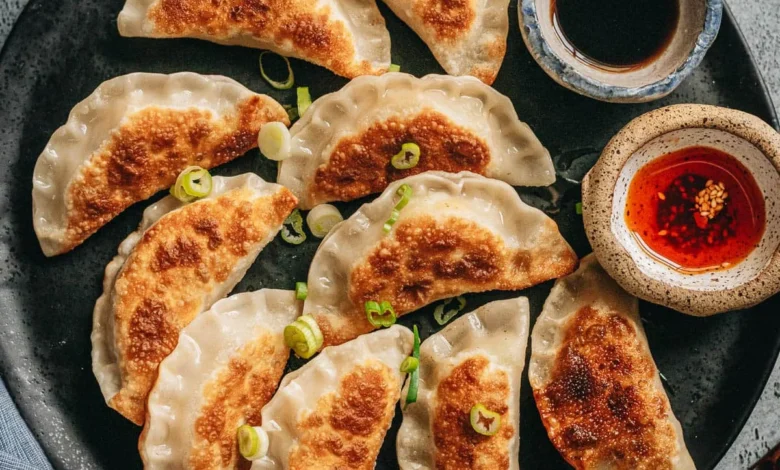
The culinary landscape of Chinese dumplings extends far beyond the ubiquitous pork-and-chive variants typically found on international menus. While meat-filled parcels often dominate commercial markets, regional and home-cooking traditions have long embraced vegetarian alternatives that elevate humble ingredients into sophisticated culinary creations. Among these, egg and pepper dumplings—known traditionally as jīdan làjiāo jiǎozi—represent a harmonious intersection of texture, flavor, and culinary economy. This dish relies on a delicate balance of soft, protein-rich scrambled eggs, deeply savory brown mushrooms, and the mild, grassy crunch of fresh green peppers, offering a compelling option for both home cooks and culinary enthusiasts seeking alternatives to heavy meat fillings.

The Evolution of Vegetarian Dumpling Fillings in Chinese Cuisine
Historically, dumplings in northern China were developed as a practical means of preserving food, sustaining families through harsh winters, and celebrating monumental occasions such as the Lunar New Year. While livestock meat was traditionally reserved for special festivities or affluent households, agrarian communities frequently utilized pantry staples and seasonal garden produce to create nutrient-dense meals.
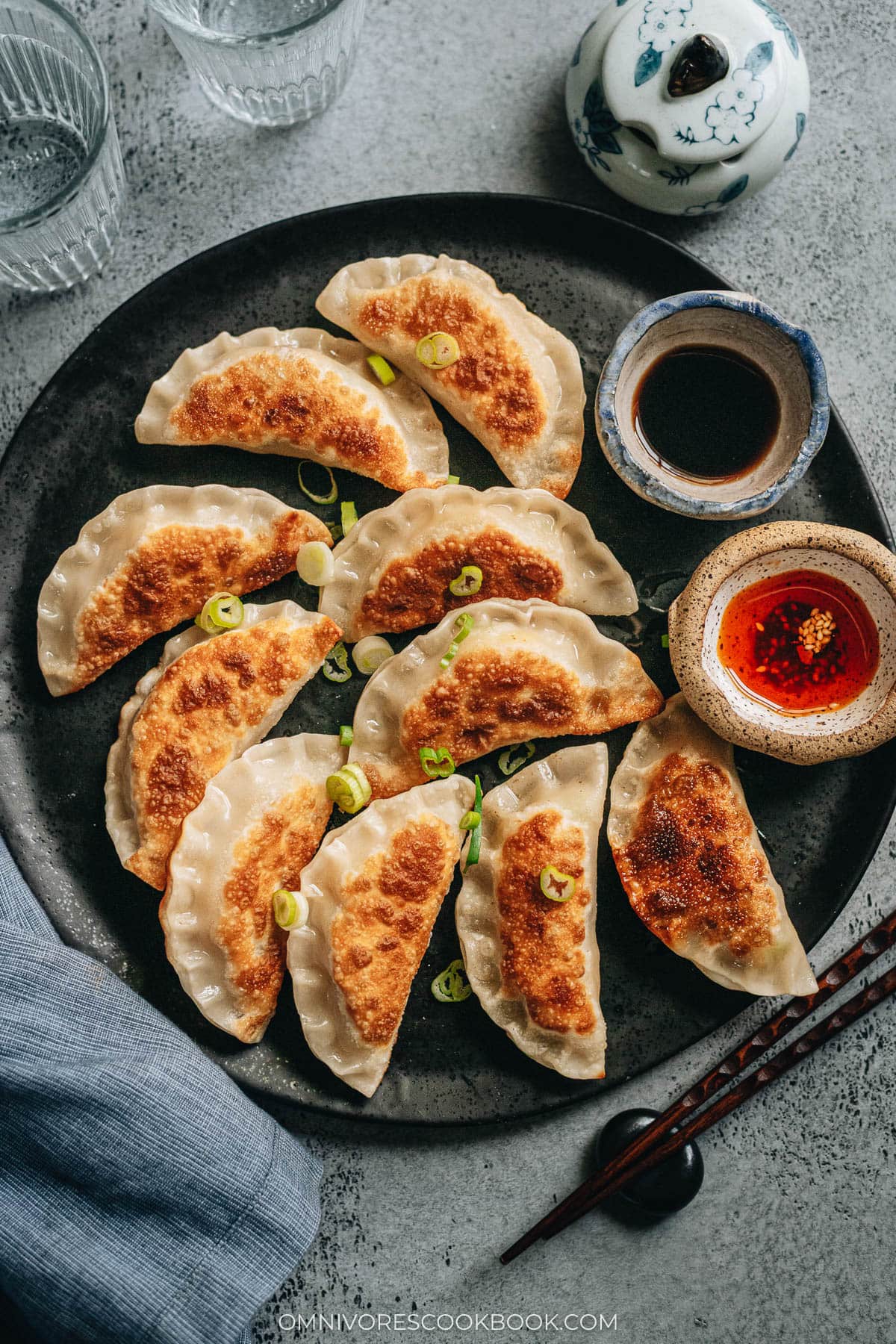
Eggs, long regarded as a versatile and accessible source of protein, naturally emerged as the primary binder and substance for non-meat fillings. Paired with aromatics, seasonal fungi, and crisp vegetables, egg-based fillings gained popularity for their light yet satisfying profile. Over generations, regional variations evolved, incorporating local peppers and mushrooms to introduce depth and complexity without the need for animal proteins. Culinary historians note that the modern incorporation of ingredients like oyster sauce and sesame oil reflects a broader evolution in home cooking, where traditional techniques are enhanced by contemporary flavor pairings.
Anatomy of the Filling: Ingredient Selection and Preparation
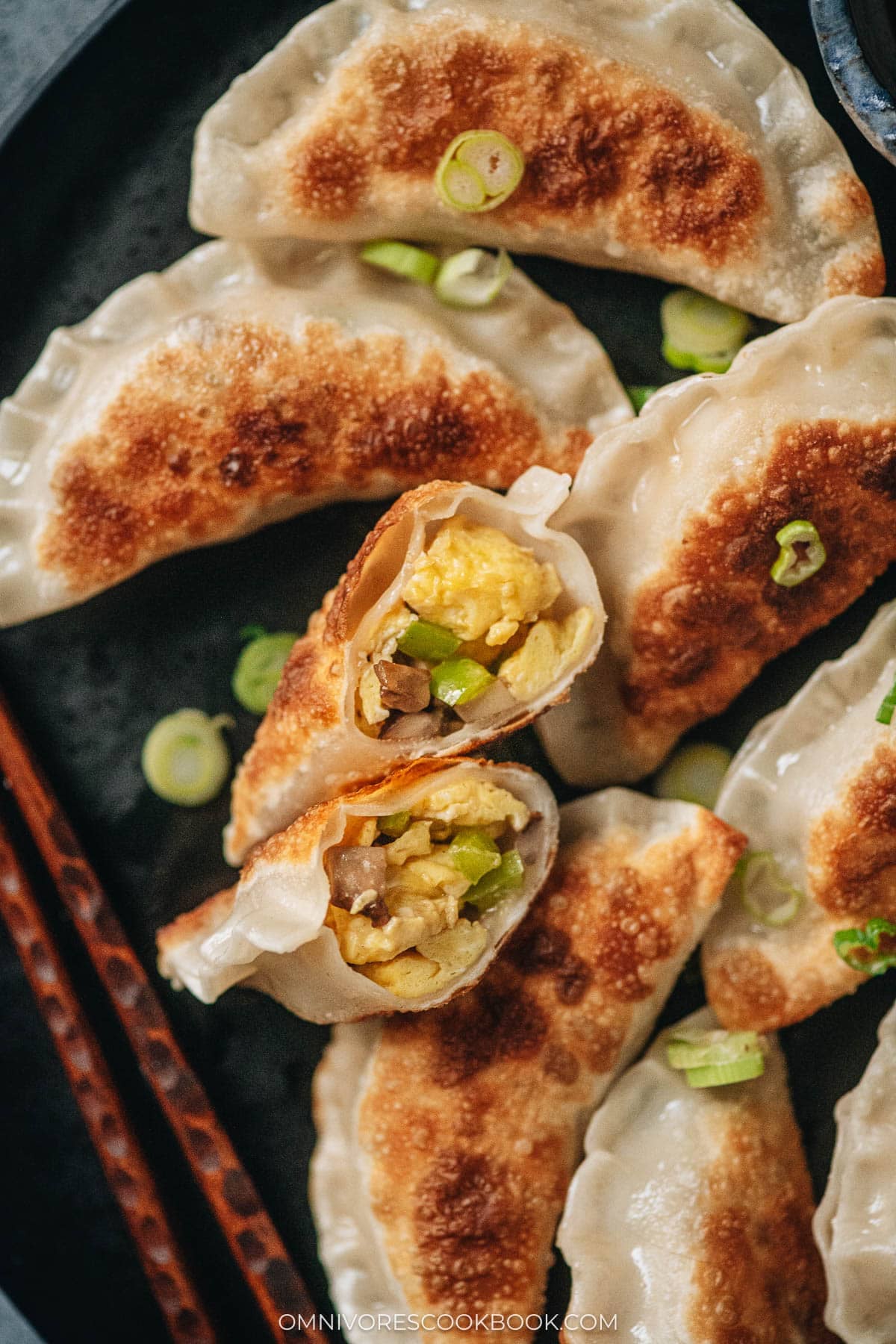
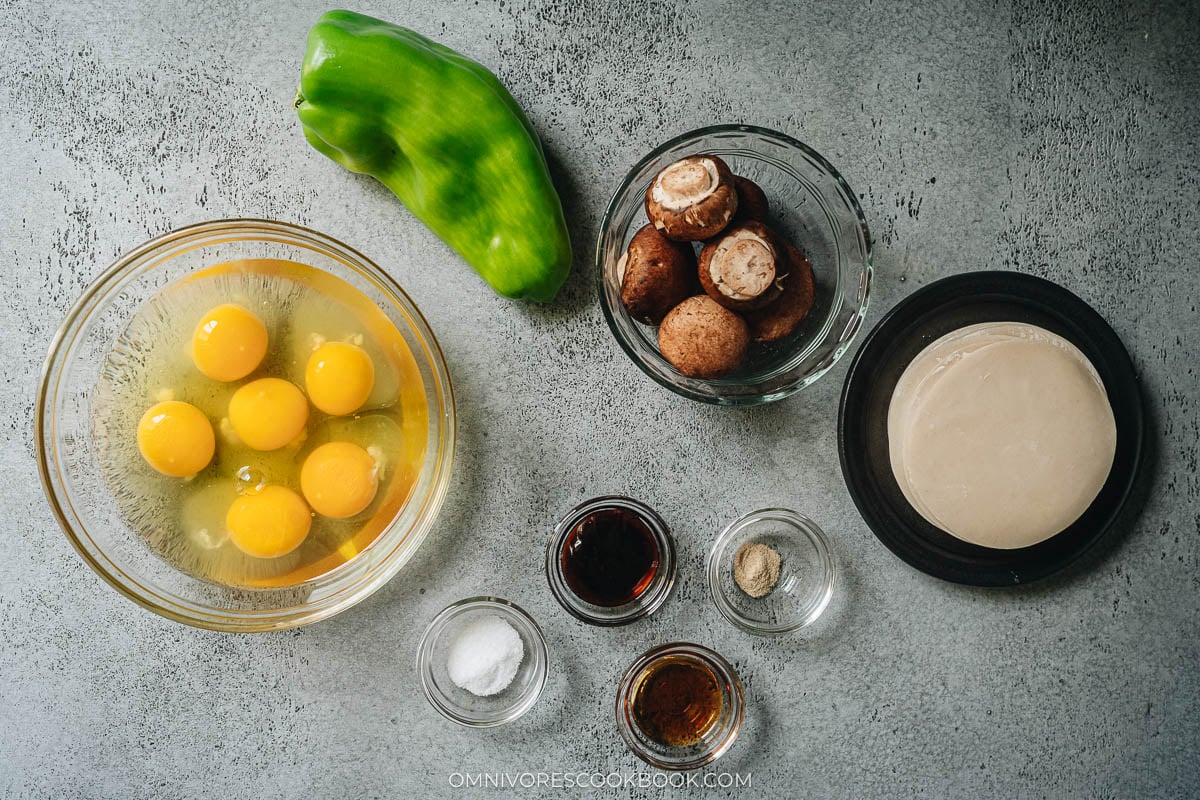
Achieving structural and sensory balance in an egg-and-pepper dumpling requires careful attention to ingredient preparation, moisture control, and seasoning ratios. Because eggs serve as the primary structural component and dominant flavor profile, culinary experts emphasize the importance of using high-quality whole eggs.
- Eggs: Beaten and softly scrambled over medium-low heat, the eggs form a tender, cloud-like foundation. Rapid or high-heat cooking can result in a rubbery texture, which compromises the delicate mouthfeel of the finished dumpling.
- Brown Mushrooms: Finely diced brown mushrooms are introduced to provide umami depth. To prevent excess moisture from compromising the structural integrity of the dumpling wrapper, the mushrooms must be sautéed until all native liquid has completely evaporated and the pieces achieve a golden-brown finish.
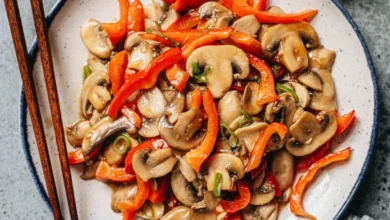
- Green Peppers: Cubanelle peppers, diced to match the precise dimensions of the mushrooms, provide a mild, refreshing crunch and a subtle grassy note that cuts through the richness of the egg. For individuals desiring a spicier profile, substitutions such as Anaheim or jalapeño peppers can be integrated in equivalent proportions.
- Seasonings: A minimalist approach governs the seasoning blend, which typically incorporates oyster sauce, white pepper, salt, and a finishing touch of sesame oil. Professional guidelines suggest that the raw filling mixture should taste slightly over-salted prior to wrapping, as the neutral density of the surrounding dough mutes the seasoning during the cooking process.
- Wrappers: Traditional Northern-style dumpling wrappers, known for their thicker, chewier consistency, are favored for their ability to securely encase generous portions of filling without tearing. Alternatively, thinner gyoza-style wrappers offer a more delicate exterior with enhanced crispness upon pan-frying.
Methodology: Crafting, Folding, and Preservation
The production process requires precision, particularly during the assembly and thermal processing phases.
Preparation Chronology:
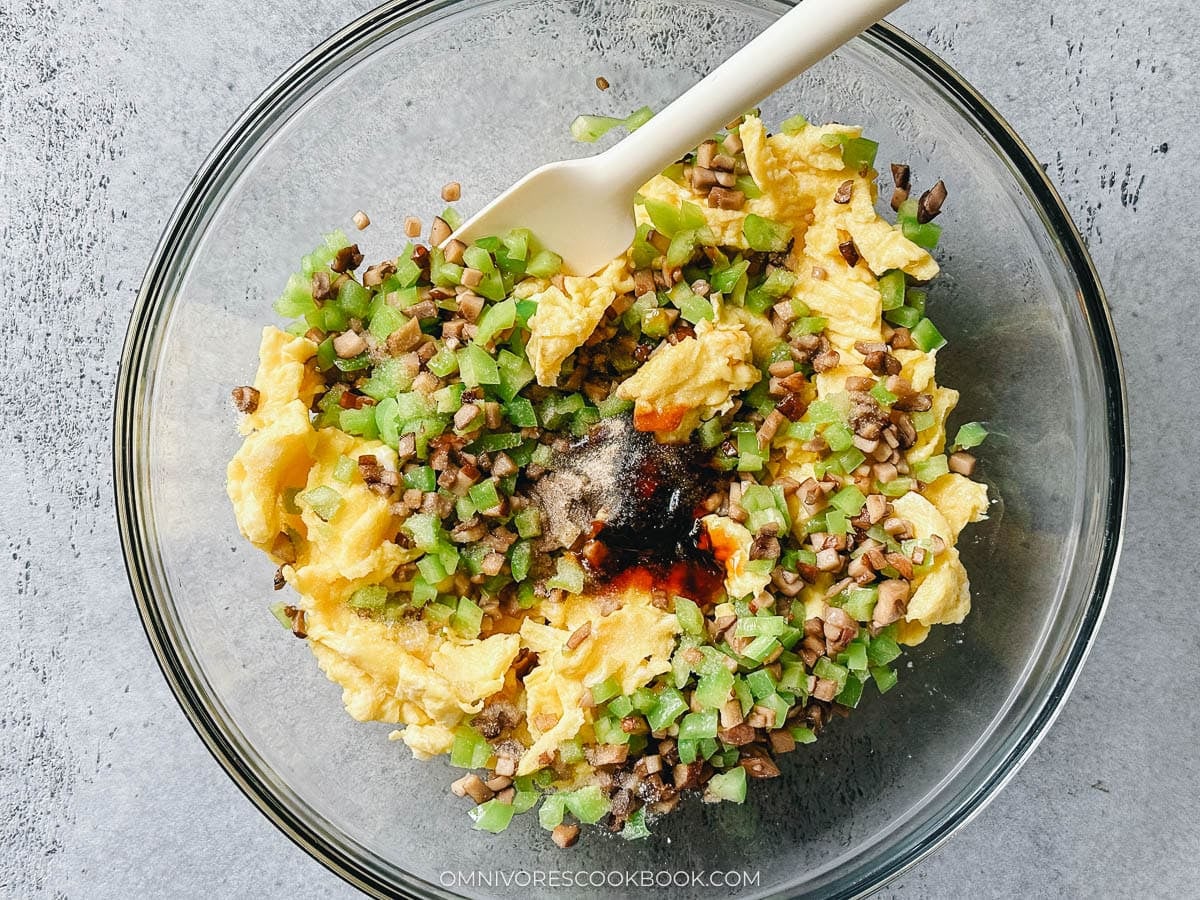
- Step 1: Whisk and softly scramble the whole eggs in a non-treated skillet, ensuring the curds remain small and tender. Transfer to a mixing vessel to cool.
- Step 2: In the same pan, sauté finely minced brown mushrooms until completely dry and caramelized. Combine with the cooled eggs.
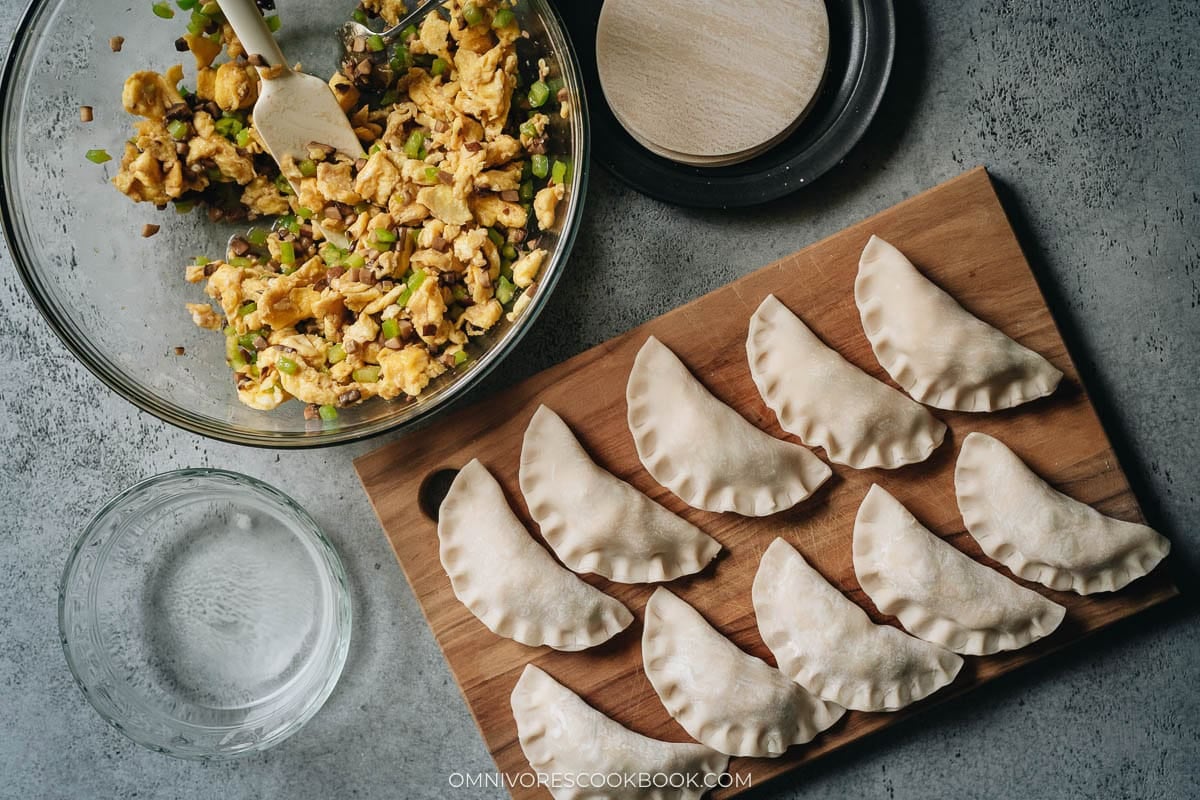
- Step 3: Fold in the raw, finely diced green peppers alongside the measured oyster sauce, white pepper, salt, and sesame oil. Allow the composite filling to reach ambient temperature.
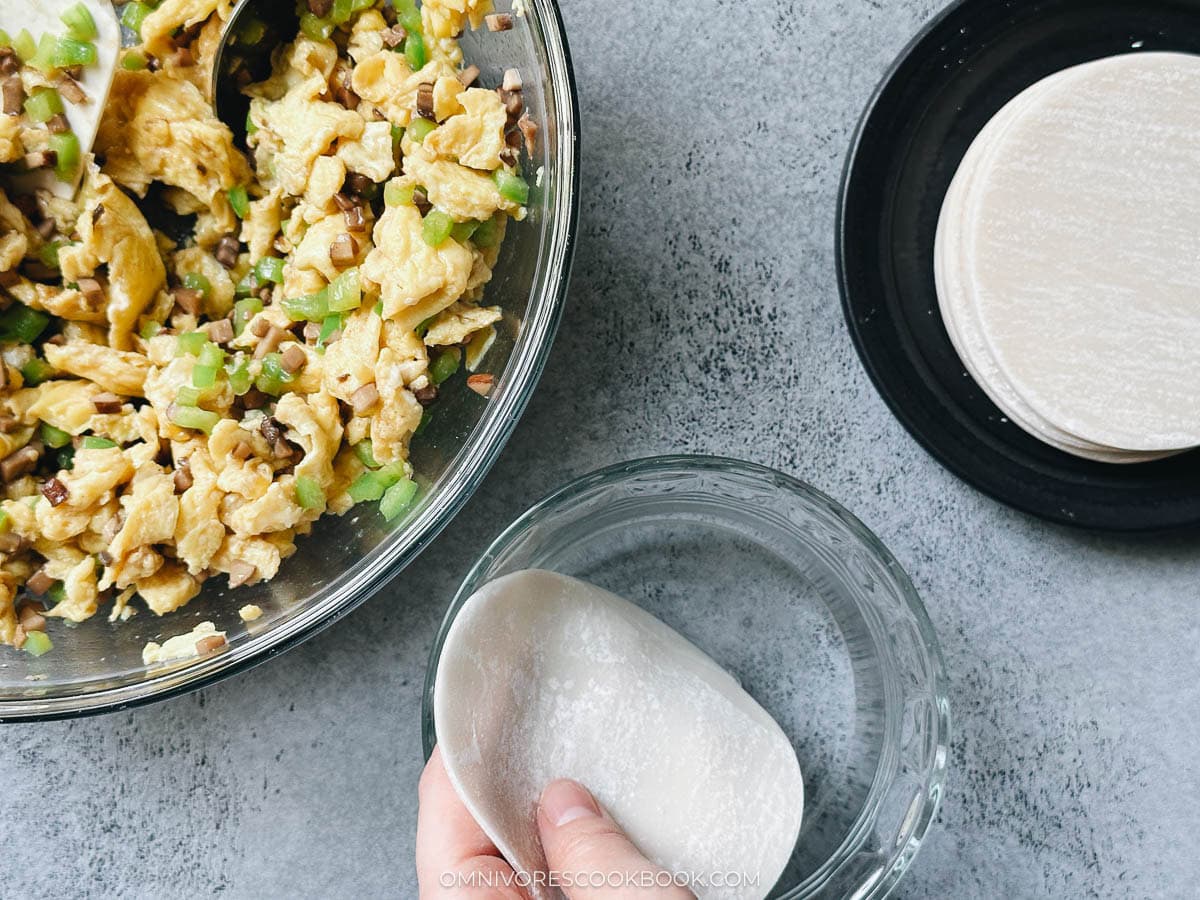
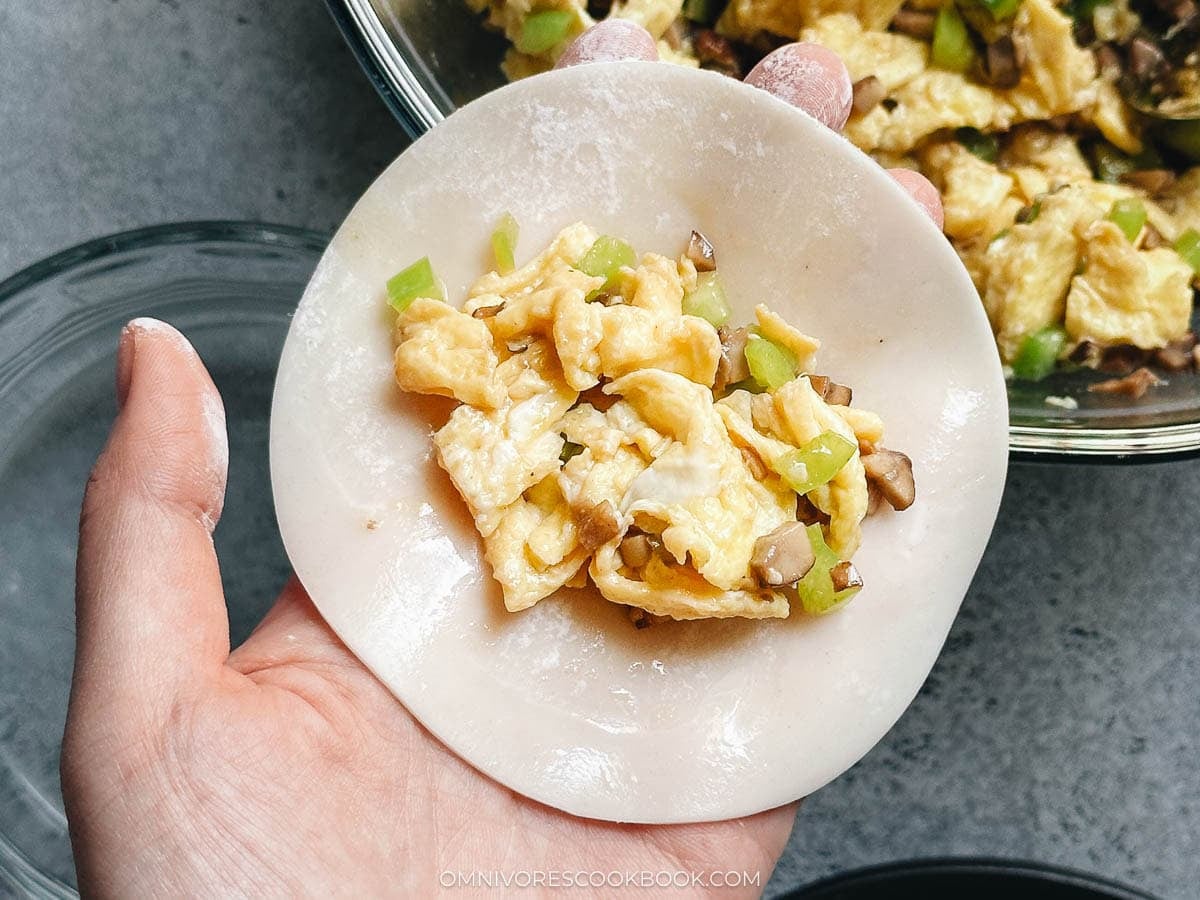
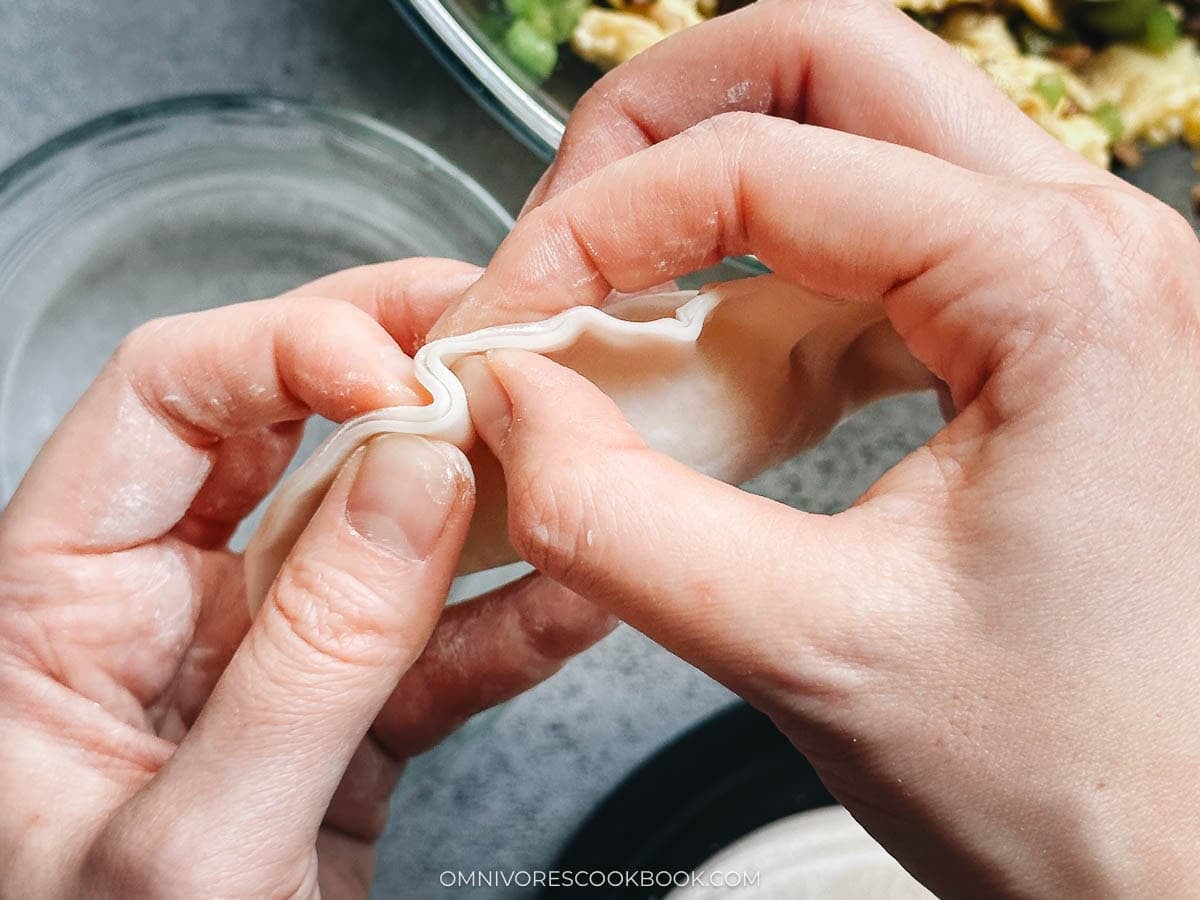
- Step 4: Lay out dumpling wrappers, moisten the outer perimeter with water, deposit approximately one tablespoon of filling into the center, and secure the edges utilizing a simple half-moon fold. This minimalist folding technique accommodates a higher volume of egg filling compared to complex pleating methods, which can trap air pockets and rupture.
For storage, assembled raw dumplings can be arranged on a parchment-lined baking tray and flash-frozen for up to one month before transfer to airtight storage containers. Culinary experts advise against freezing cooked egg-and-pepper dumplings, as the thawed egg proteins tend to release trapped moisture, resulting in an unappealingly rubbery texture.
Thermal Processing Techniques: Pan-Frying and Steaming
The standard preparation method for egg and pepper dumplings involves potstickers-style pan-frying (guotie), which contrasts a crackly, golden-brown base with a tender, chewy upper crust.
Chefs recommend heating a neutral cooking oil in a non-stick skillet over medium heat, arranging the dumplings in a single layer without overcrowding the pan. Overcrowding induces localized steaming rather than crisping, leading to soggy exteriors. Once the bottoms achieve a pale golden hue, a measured volume of water is introduced, and the skillet is immediately covered to steam the filling and cook the dough through. After two to three minutes, the cover is removed, allowing any remaining moisture to evaporate and leaving a distinct, crispy crust on the base of each parcel.
Nutritional Profile and Dietary Implications
From a nutritional standpoint, egg and pepper dumplings offer a balanced macronutrient distribution. Standard dietary analyses indicate that a single serving yields approximately 56 kilocalories, consisting of 7.7 grams of carbohydrates, 2.2 grams of protein, and 1.8 grams of fat. The inclusion of dietary fiber from the peppers and mushrooms, combined with the moderate sodium and minimal saturated fat content, aligns with contemporary dietary preferences for nutrient-dense, lighter comfort foods.
Broader Culinary Impact and Serving Traditions
As global interest in diverse Asian cuisines continues to expand, home cooks increasingly seek approachable, meatless recipes that do not sacrifice flavor complexity. Egg and pepper dumplings serve as an accessible gateway into handmade dumpling production, requiring fewer specialized ingredients than complex regional pork or seafood variations.
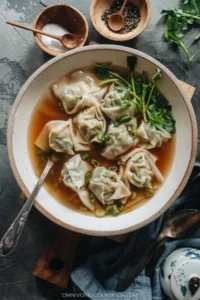
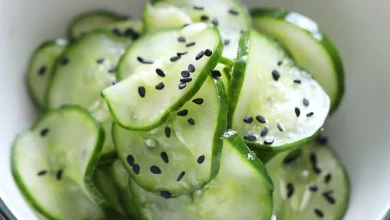
When served, these dumplings are traditionally accompanied by a dipping sauce composed of Chinkiang black vinegar, minced garlic, and a drop of chili oil, which provides a sharp acidity that balances the savory richness of the egg and mushroom filling. Whether featured as a standalone vegetarian entree, integrated into celebratory spreads during the Lunar New Year alongside assorted meat-based parcels, or served as an appetizer accompanied by hot and sour soup and cucumber salad, egg and pepper dumplings remain a testament to the ingenuity of traditional Chinese home cooking.