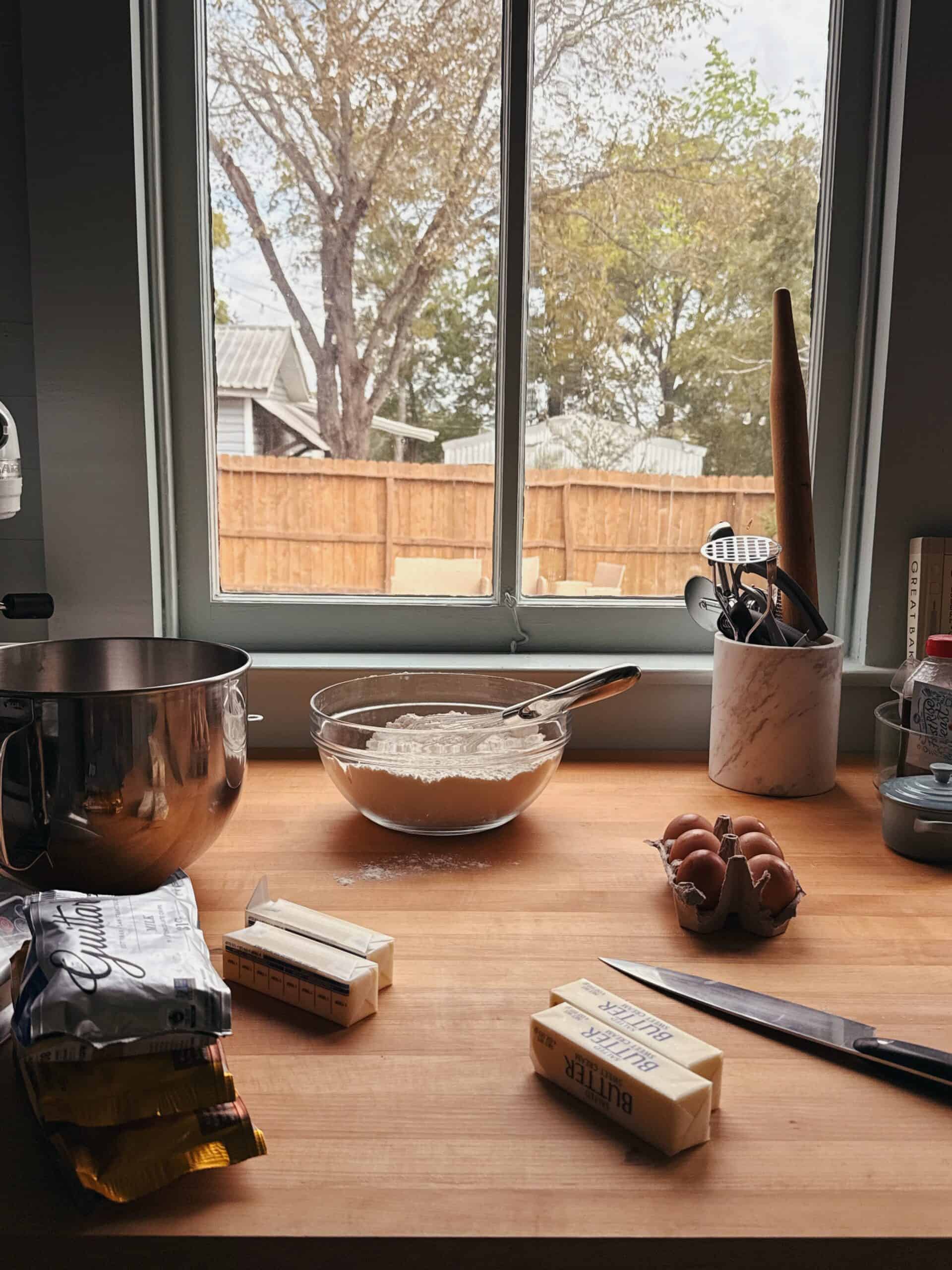
The culinary landscape continues to evolve through decentralized digital influence, as home cooks increasingly turn to niche bloggers for specialized recipes that transcend traditional cookbook offerings. A standout addition to this season’s repertoire is the Banana Bread Syrup, a viral creation by food writer Quin that has gained significant traction for its versatility. The syrup, which mirrors the complex, spiced profiles of traditional baked banana bread, has demonstrated a unique capacity to serve as both a coffee additive and a dessert topping. Culinary analysts suggest that the rise of such “flavor-profile syrups” reflects a broader consumer trend toward home-barista customization, a market segment that has seen a 14% year-over-year increase in specialized ingredient demand.
Beyond the home kitchen, the intersection of digital content creation and real-world repercussions remains a subject of intense scrutiny. Recent media reports have highlighted two distinct cases that illustrate the volatile nature of the information ecosystem. The first, documented by the New York Times, involves the long-term professional and personal fallout experienced by Tanya Zuckerbrot, the founder of the F-Factor diet, following a sustained, unverified social media campaign led by an influencer. This case, which began in 2020, underscores the profound legal and reputational risks when unverified allegations gain viral momentum. In a secondary, perhaps more alarming development, a professor recently reported a complete disruption of their life after a TikTok tarot card reader publicly accused them of involvement in a quadruple homicide. These incidents serve as case studies in the unchecked power of digital platforms to disseminate misinformation that bypasses traditional editorial gatekeeping.
The Evolution of Digital Content and Culinary Trends
The current culinary trend cycle is characterized by a "remix" culture where influencers adapt traditional baking flavors into liquid forms. The Banana Bread Syrup, while appearing simple, utilizes a complex reduction process that captures the volatile compounds of caramelized sugars and banana esters. This trend is part of a larger movement toward "elevated pantry staples." Market research indicates that independent food bloggers are now primary drivers of grocery store innovation, with large-scale food manufacturers frequently tracking viral recipe trends to inform new product development. The integration of coconut-based beverages, such as the growing demand for coconut-water-based hydration packets like the Beam Glow series, further demonstrates a pivot toward functional, health-conscious, yet flavor-forward consumer goods.
The Algorithmic Impact on Public Discourse
The broader societal implications of AI and digital media have reached a point of critical tension. A recent episode of the New York Times’ The Daily podcast, titled "When A.I. Comes for Your Purpose in Life," has sparked widespread discussion regarding the displacement of intellectual labor. The episode examines how mathematicians and highly specialized researchers are confronting the reality of automation. For many in these fields, the crisis is not merely economic but existential. Data from the Bureau of Labor Statistics and independent tech think tanks suggest that while AI is currently enhancing productivity in mathematical modeling, it is simultaneously eroding the perceived value of "slow, bumbling, curious" human cognition. This shift has prompted a philosophical debate about the future of professional identity in an age where machine intelligence can replicate logical reasoning, if not the human experience of discovery.
Misinformation and the TikTok Phenomenon
The legal and social implications of digital defamation represent a growing crisis for platform governance. In the case of the F-Factor diet, the controversy originated from influencer Tanya Zuckerbrot’s diet protocol. What began as a dispute over nutritional efficacy morphed into a multi-year campaign of accusation. The fallout resulted in litigation that highlighted the difficulty of restoring one’s reputation once a "digital scarlet letter" has been applied.
The TikTok tarot reader incident represents a more recent and dangerous frontier. By leveraging the parasocial bond inherent in spiritual content, the creator was able to weaponize hearsay to a massive audience. Legal experts have noted that while libel laws exist, they are often insufficient to manage the velocity of content distribution on short-form video platforms. The "TikTok sleuth" phenomenon—where users attempt to solve crimes or investigate public figures in real-time—often lacks the verification protocols of traditional investigative journalism, leading to high-stakes errors that destroy livelihoods before the judicial process can intervene.
Data Trends in Social Media Accountability
Analysis of recent defamation trends reveals the following:
- Velocity of Dissemination: Misinformation on TikTok and Instagram reaches peak virality within 48 to 72 hours of initial posting.
- Audience Retention: Once an accusation is posted, the original content often maintains 30-40% higher engagement than subsequent corrections or apologies.
- Legal Challenges: Proving "actual malice" in the context of influencer-driven content is currently the primary hurdle for plaintiffs in the United States, as digital platforms often claim immunity under existing communication statutes.
The Intersection of Lifestyle and Materialism
Despite the weight of these digital crises, domestic habits continue to provide a grounding mechanism for many. The upcoming holiday season is seeing a return to "utility-focused gifting." Consumer data from Etsy and Amazon indicates a surge in interest for high-quality, long-lasting organizational items, such as quilted travel jewelry cases and modular packing pouches. This shift away from ephemeral, decorative gifts toward practical, high-utility items suggests a collective desire for organization and order in an increasingly chaotic information environment. The choice of these items, often sourced from independent artisans, aligns with the broader move toward supporting small-batch production over mass-market retail.
Future Implications for Digital Media
As we move into the final quarter of 2026, the contrast between the intimacy of home life—defined by the scent of banana bread syrup and the comfort of a well-organized travel case—and the turbulence of the global information environment is stark. The core question remains: how do we reconcile our reliance on the digital tools that keep us connected with the reality that these same tools are capable of eroding our privacy, our reputations, and our sense of purpose?
The events of this past week highlight that the digital age is entering a phase of reckoning. Whether it is the displacement of human mathematical curiosity by AI or the weaponization of personal narratives by social media personalities, the common denominator is the need for greater discernment. As society moves forward, the demand for verified information, coupled with a renewed focus on local, tactile experiences, may serve as the necessary counterbalance to the rapid, often volatile, evolution of the digital landscape. Policy makers are currently reviewing the potential for stricter accountability measures for platforms that host defamation, though the challenge of balancing free speech with the right to personal safety remains an unresolved legal impasse. In the interim, the individual remains the final filter for the content they consume and the narratives they choose to amplify.
Related posts: