The Evolution of a Classic: How a South Minneapolis Coffeehouse Staple Became the Ultimate Holiday Pear Streusel Tart

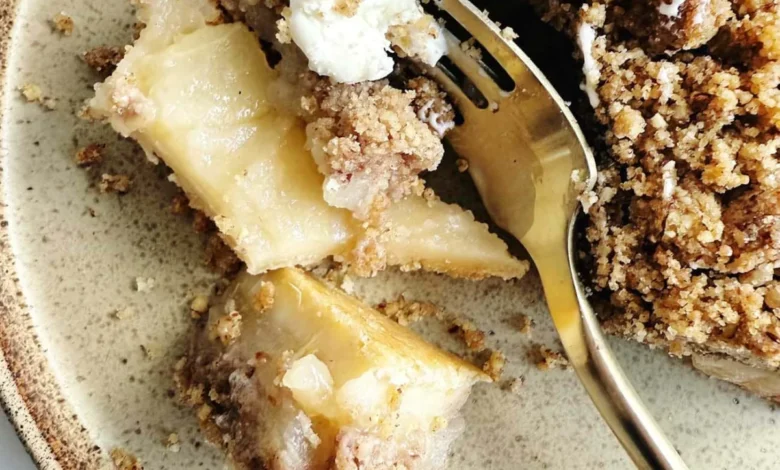
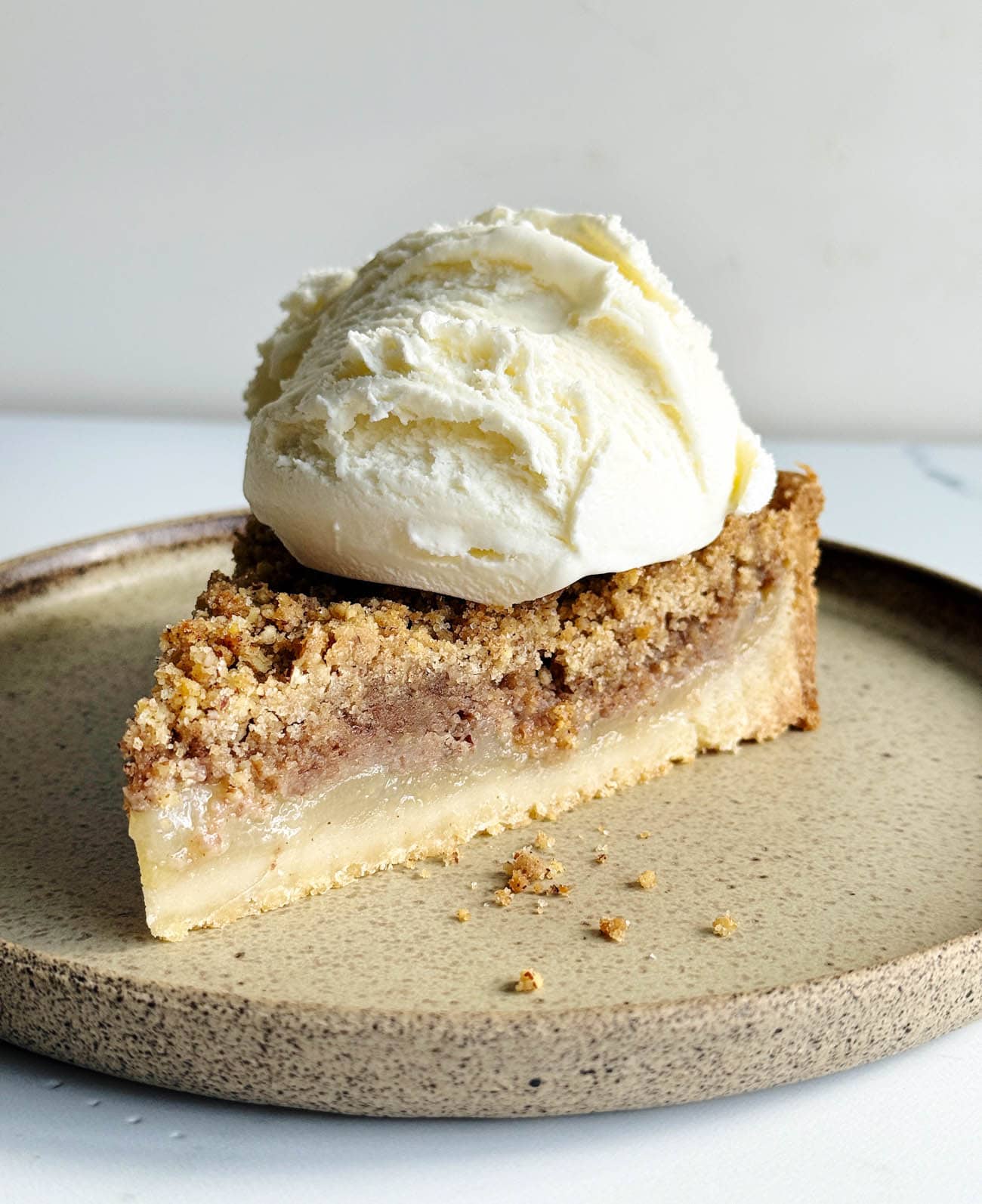
The culinary landscape of the American Midwest has long been shaped by neighborhood bakeries, independent coffeehouses, and the quiet comfort of inherited kitchen wisdom. Among the enduring contributions to regional comfort food is a specific iteration of the pear streusel tart, a dessert with roots tracing back to the vibrant cafe culture of south Minneapolis in the early 2000s. Originally adapted from a foundational recipe published in the revered cookbook All About Pies & Tarts—a specialized spin-off derived from the iconic Joy of Cooking series—this dessert has quietly evolved over two decades of professional and domestic kitchen testing. Today, it stands as a masterclass in texture and balance, bridging the gap between late-autumn harvest baking and the formal presentation of holiday tables.
Chronology and Origins in the Twin Cities Coffee Scene
The genesis of this modern tart dates back to the turn of the millennium, a period characterized by a renaissance in independent specialty coffee shops across the urban centers of Minnesota. In these communal spaces, baking programs relied heavily on high-yield, deeply comforting pastries that could withstand hours in a display case while retaining moisture and structural integrity.
During the early 2000s, a baker working within the south Minneapolis coffee circuit adopted a streusel tart recipe from the pages of All About Pies & Tarts. The publication, lauded by culinary historians for demystifying pastry arts for the home cook, provided a reliable blueprint for fruit-forward tarts. Over subsequent years, as the baker transitioned between different independent establishments across the Twin Cities, the recipe traveled with them, serving as a dependable menu staple.
What began as a faithful adaptation of a classic text gradually underwent iterative refinements. Professional constraints—such as the need for operational efficiency during high-volume morning rushes—spurred structural adjustments, most notably the transition toward a simplified, forgiving crust methodology. By the time the recipe settled into its definitive modern form, it had transformed from a commercial bakery workhorse into a nuanced, artisanal dessert tailored for both casual autumn gatherings and formal holiday feasts.
Culinary Anatomy: Technical Innovations in Pastry Craft
The enduring success of the pear streusel tart lies in its careful calibration of contrasting textures: the crisp, buttery foundation, the tender and aromatic fruit filling, and the crunchy, nutty crown. Culinary experts note that achieving this equilibrium requires deliberate attention to several technical components.
The Pat-in-the-Pan Crust
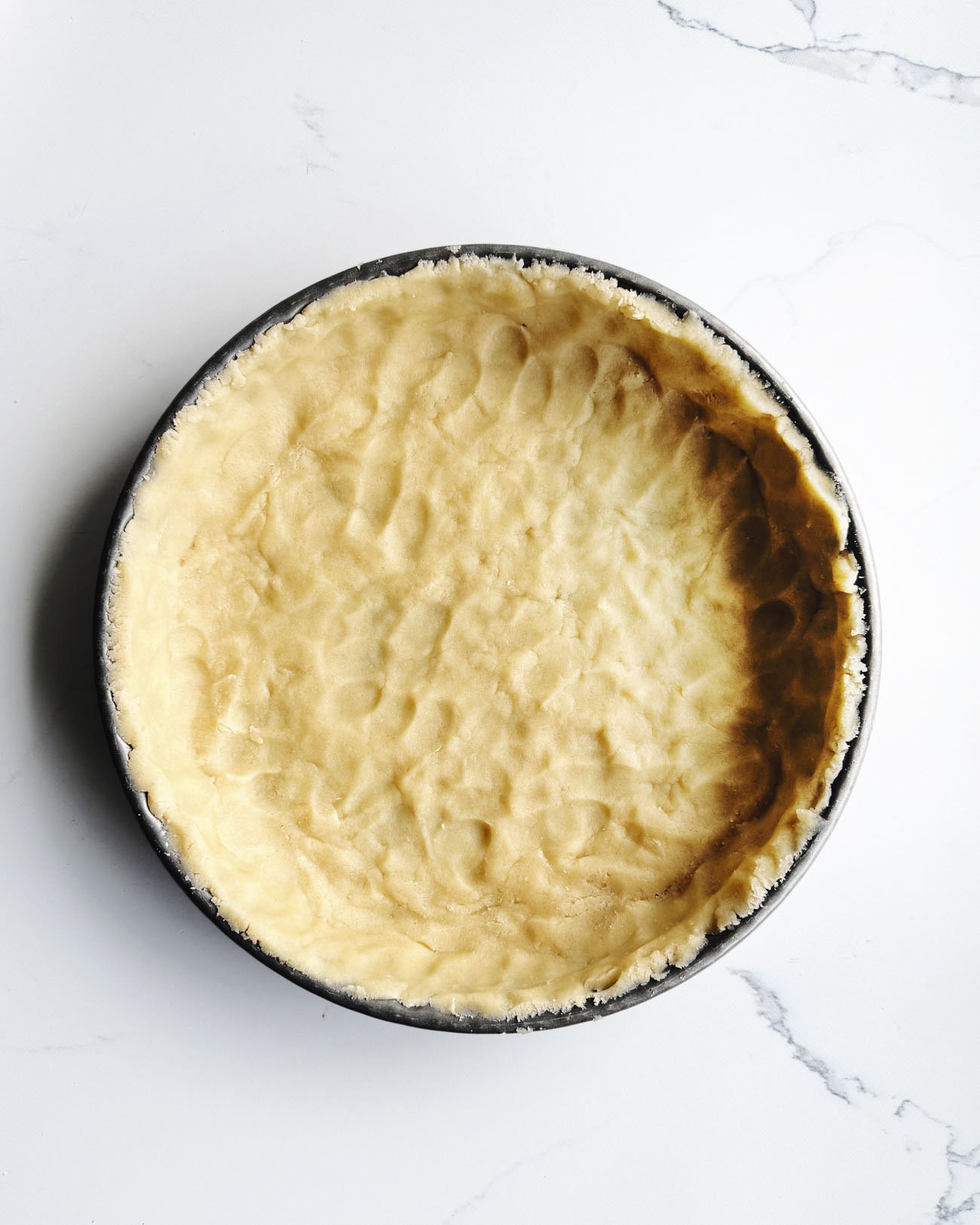
Traditional pastry crusts often demand rigorous chilling, precise rolling, and anxious transfers that can deter novice bakers. The revised formulation utilizes a pat-in-the-pan method, a technique valued for both its structural resilience and time-saving properties. According to kitchen testing notes, this dough is intentionally forgiving; minor tears or patches during pressing can be seamlessly mended without compromising the final structural integrity of the dessert.
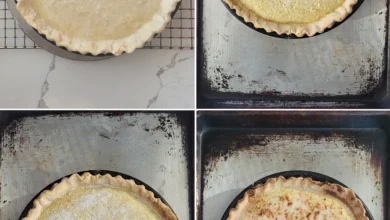
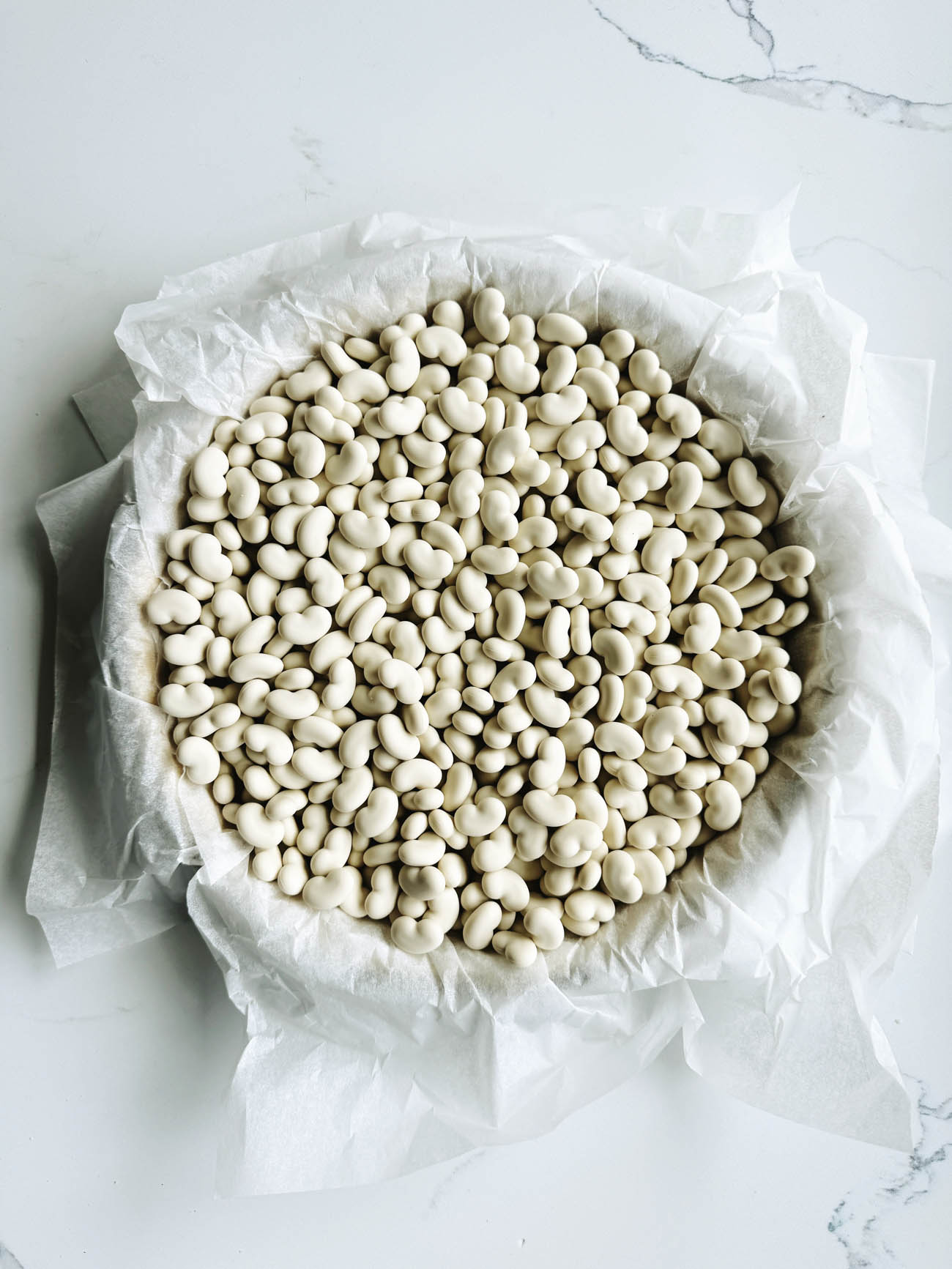
However, professional bakers emphasize that blind baking remains a non-negotiable step. Without proper pre-baking, moisture from the fruit compromises the bottom layer, leading to structural failure and a soggy texture. Modern kitchen innovations, such as reusable silicone baking beans popularized by pastry authorities like Erin McDowell, have streamlined this process, offering an eco-friendly and dishwasher-safe alternative to traditional ceramic weights or dried legumes.
Selection of Fruit: The Bartlett Advantage
The choice of pear variety significantly dictates the success of the tart. Culinary data consistently points to the Bartlett pear as the optimal selection for baked fruit applications requiring high moisture release and a smooth, buttery texture. Unlike firmer winter varieties that retain their structural rigidity under heat, Bartlett pears soften effectively, yielding a naturally sweet, highly concentrated juice that marries with the surrounding filling. Furthermore, the baking duration is intrinsically linked to the ripeness of the fruit; bakers must monitor visual cues—specifically active bubbling within the filling—to ensure proper pectin activation and moisture reduction before extraction from the oven.
Flavor Profiling and the Pecan Streusel Crown
While traditional fruit tarts often rely solely on the natural sugars of the fruit, this iteration incorporates precise aromatic adjustments. The filling is elevated through the addition of fresh lemon juice, which cuts through the sweetness and balances the heavy fats of the butter-laden crust. Pure vanilla extract and freshly grated nutmeg provide depth, introducing warm, woody notes that complement the autumnal flavor profile.
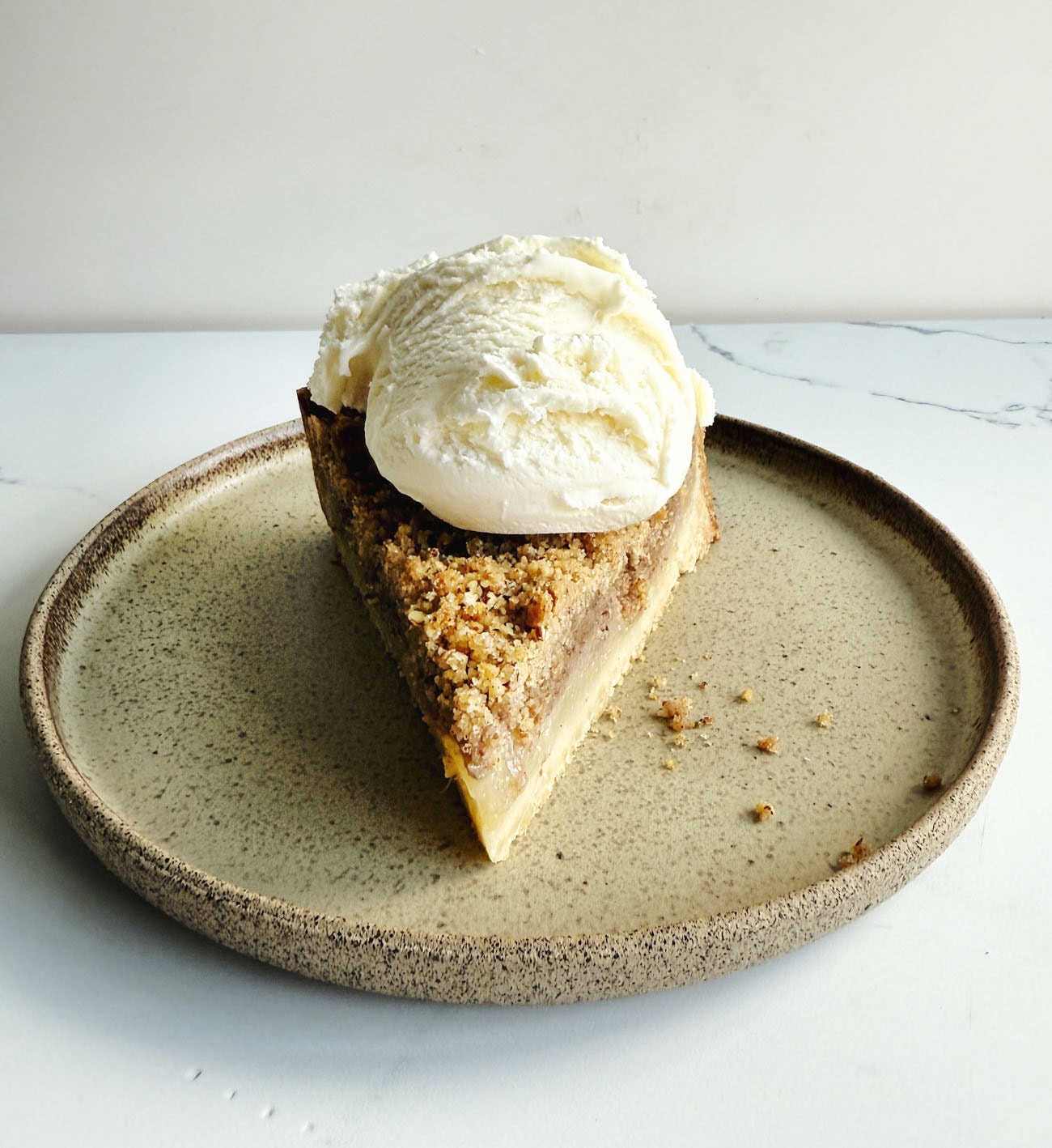
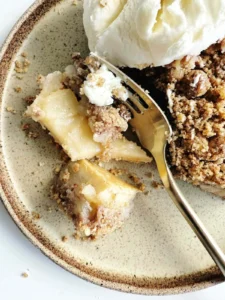
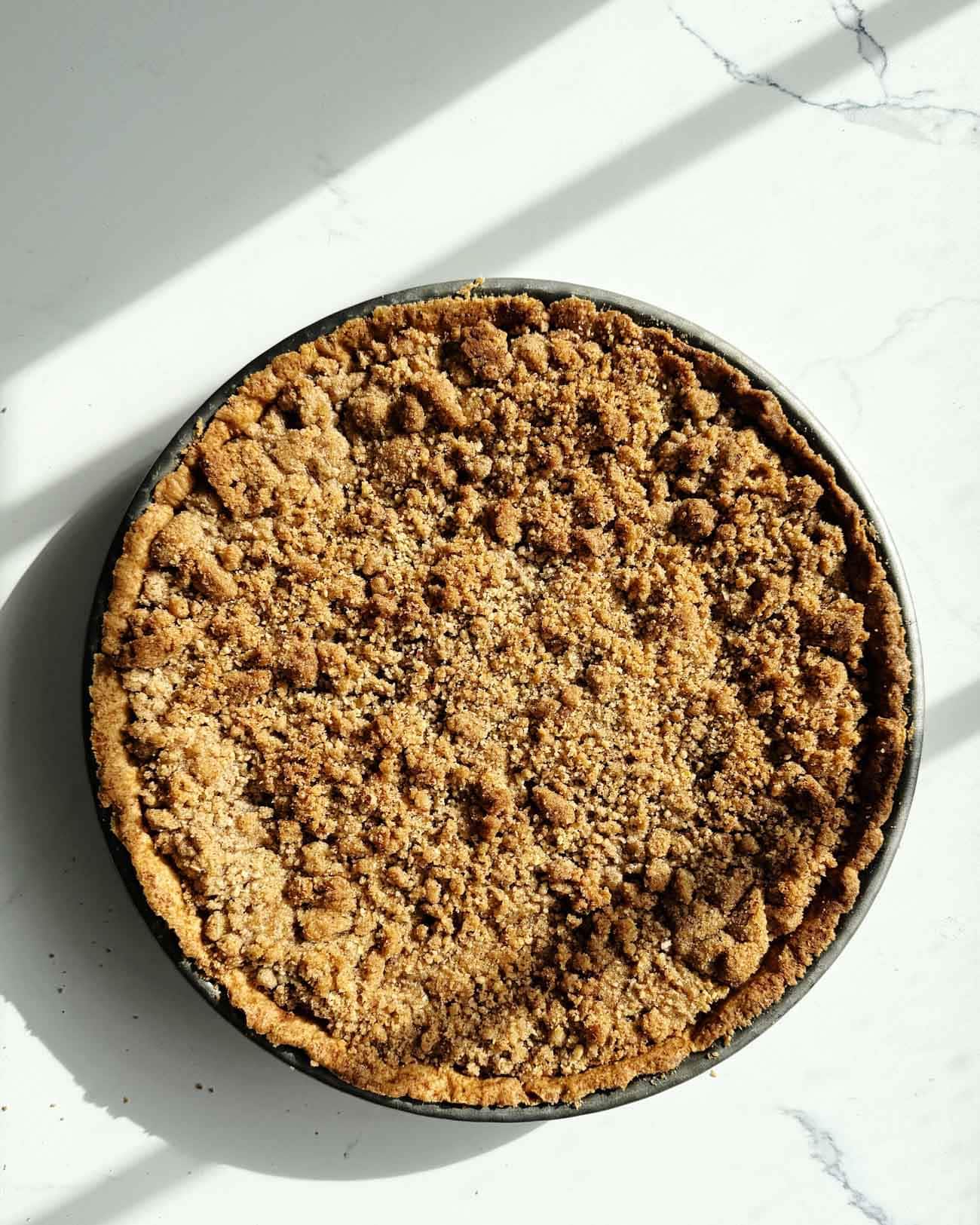
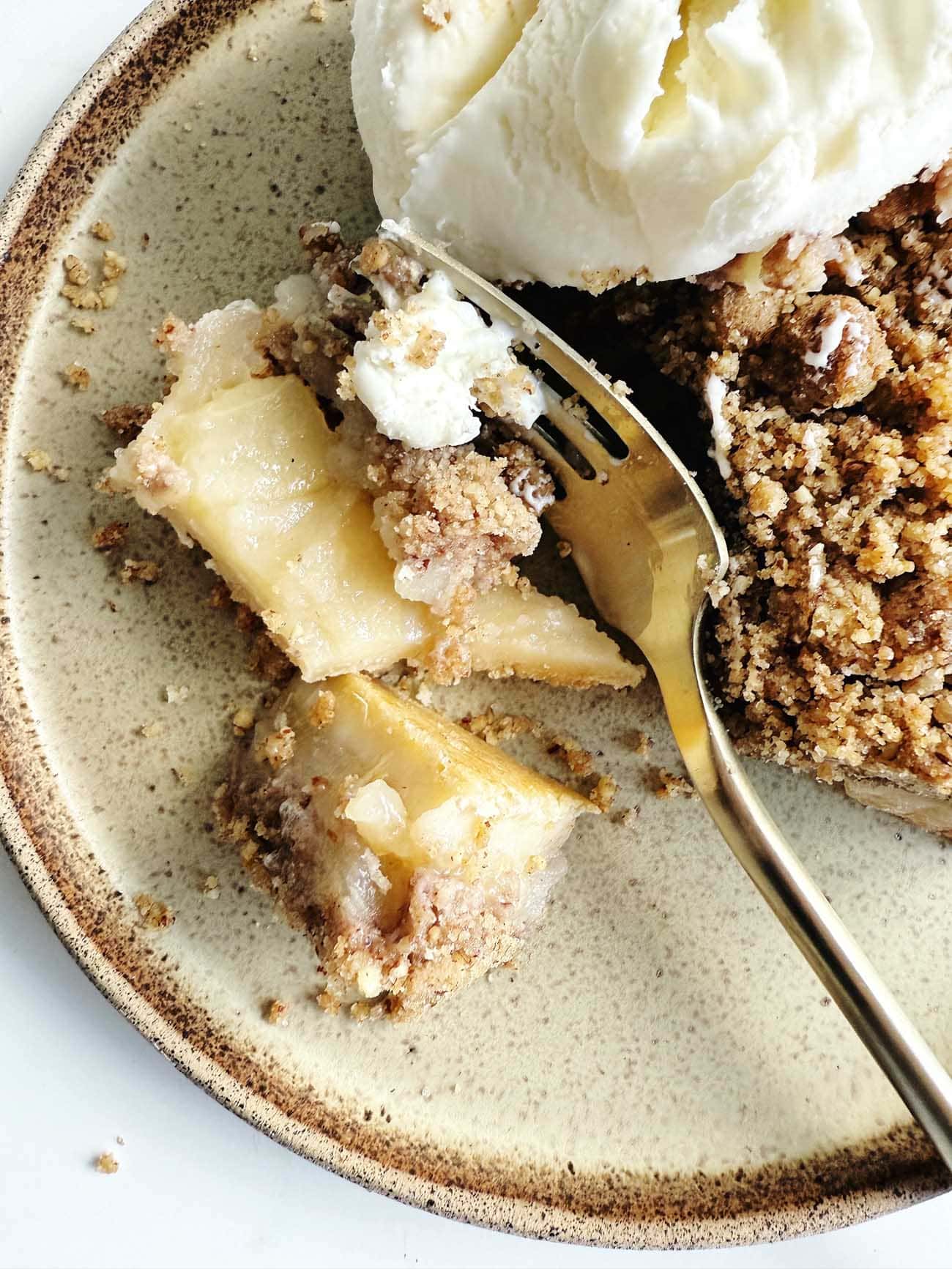
Crowing the dessert is a signature pecan streusel. By incorporating toasted, chopped pecans into the traditional flour-butter-sugar crumble, the recipe introduces a vital secondary crunch that contrasts against the soft, yielding texture of the baked Bartlett pears beneath.
Broader Industry Implications and the Resurgence of Heritage Baking
The journey of the pear streusel tart from a local coffeehouse counter to a widely documented home-baking project reflects a broader cultural trend: the romanticization and preservation of regional, independent culinary histories. In an era dominated by hyper-processed convenience foods and hyper-trend-driven social media recipes, heritage baked goods rooted in community spaces offer a sense of permanence and authenticity.
Food historians and industry analysts note that recipes originating from communal commercial spaces often possess a unique durability. Because they were originally designed to satisfy discerning daily commuters and neighborhood regulars, they are rigorously tested against real-world variables—consistency of ingredients, fluctuating oven temperatures, and the demands of advance preparation.
As home cooks increasingly seek out reliable, comforting recipes for Thanksgiving and winter holiday celebrations, classics like the pear streusel tart bridge the gap between professional precision and domestic warmth. By documenting decades of minor adjustments—from the integration of specific citrus notes to the adoption of modern silicone baking tools—the evolution of this tart serves as a testament to the dynamic nature of contemporary baking, proving that even the most traditional desserts benefit from thoughtful, experienced revision.