As mid-June temperatures consistently rise, residential kitchens face a unique set of thermal challenges that often discourage traditional baking practices. The act of operating a conventional oven at 350 degrees Fahrenheit for extended periods significantly contributes to ambient household temperatures, creating an uncomfortable environment during peak summer months. In response, culinary professionals and home economists have increasingly pivoted toward no-bake dessert methodologies, which utilize chemical reactions and temperature-controlled setting processes rather than thermal denaturation through heat. These techniques, centered on the principles of refrigeration and freezing, offer a viable alternative for maintaining high-quality food production without the adverse effects of increased household energy consumption and heat output.
The Science of Thermal-Free Culinary Arts
The shift toward non-thermal dessert preparation is rooted in the physical transformation of ingredients. Traditional baking relies on the Maillard reaction and the setting of proteins and starches through heat. In contrast, no-bake desserts rely on the stabilization of emulsions—specifically the whipping of heavy cream—and the absorption of moisture by structural components such as graham crackers, wafers, or meringues.
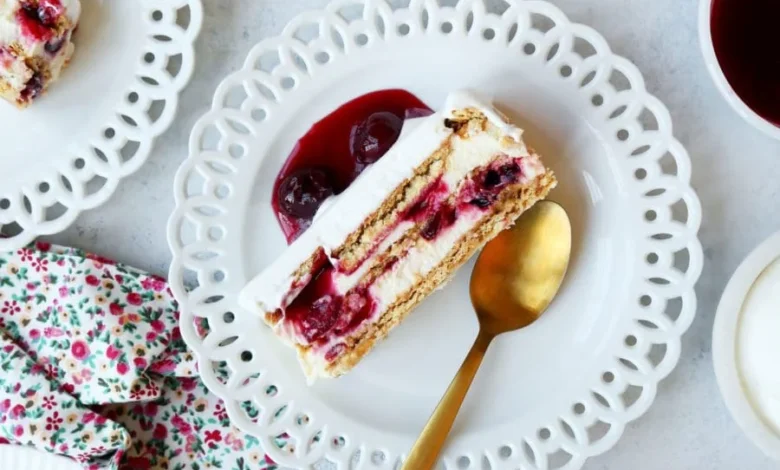
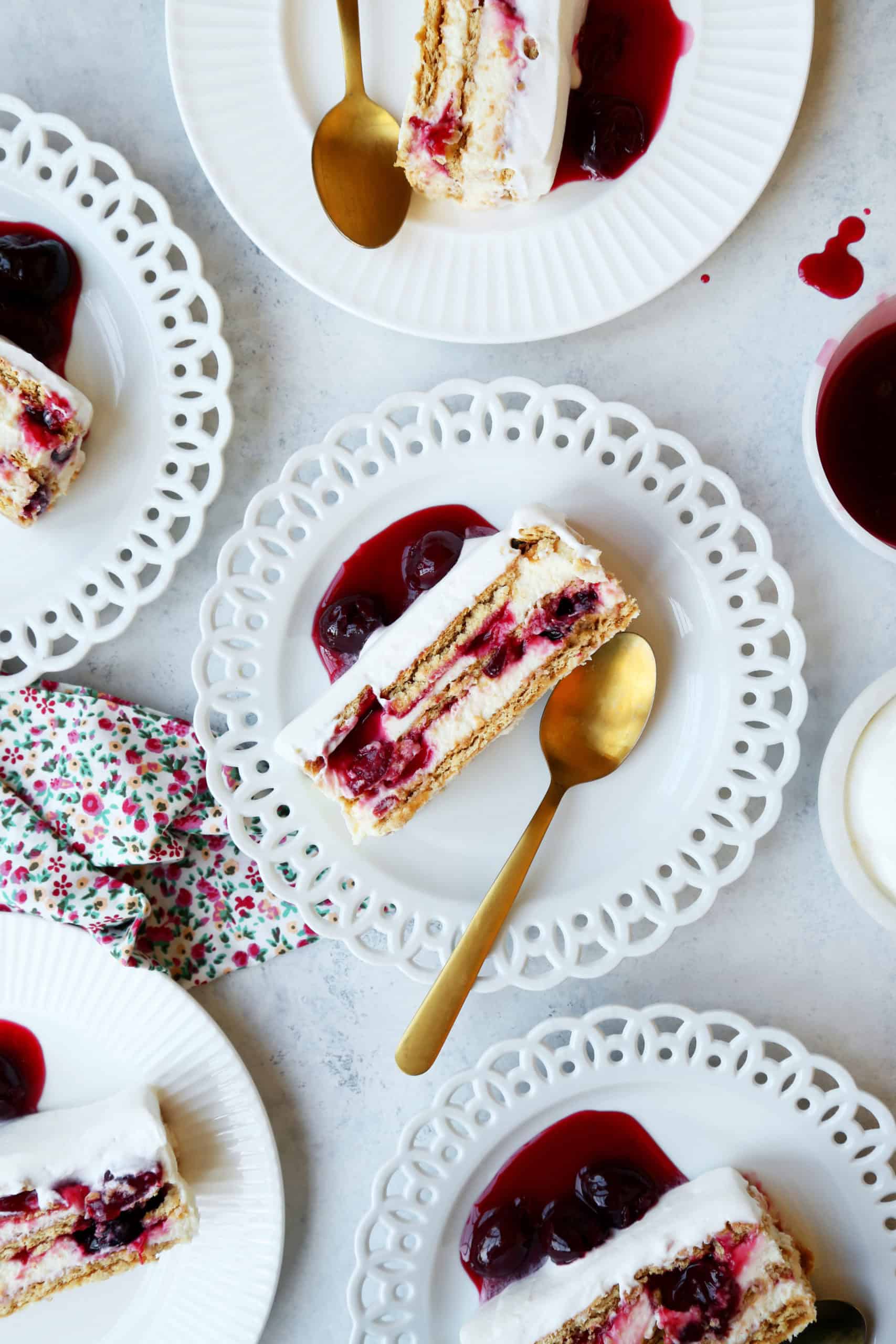
When a cream-based mixture is layered with starch-based cookies and refrigerated, a process known as osmosis occurs. The moisture from the cream migrates into the dry cookies, softening their texture while the fat content in the cream provides structural integrity. This transition typically requires a minimum of 8 to 24 hours to achieve a consistency that allows for clean slicing. This method not only bypasses the need for high-heat cooking but also optimizes the texture of the ingredients, often yielding a density and mouthfeel that cannot be replicated in a heated oven.
Chronological Development of Icebox Confections
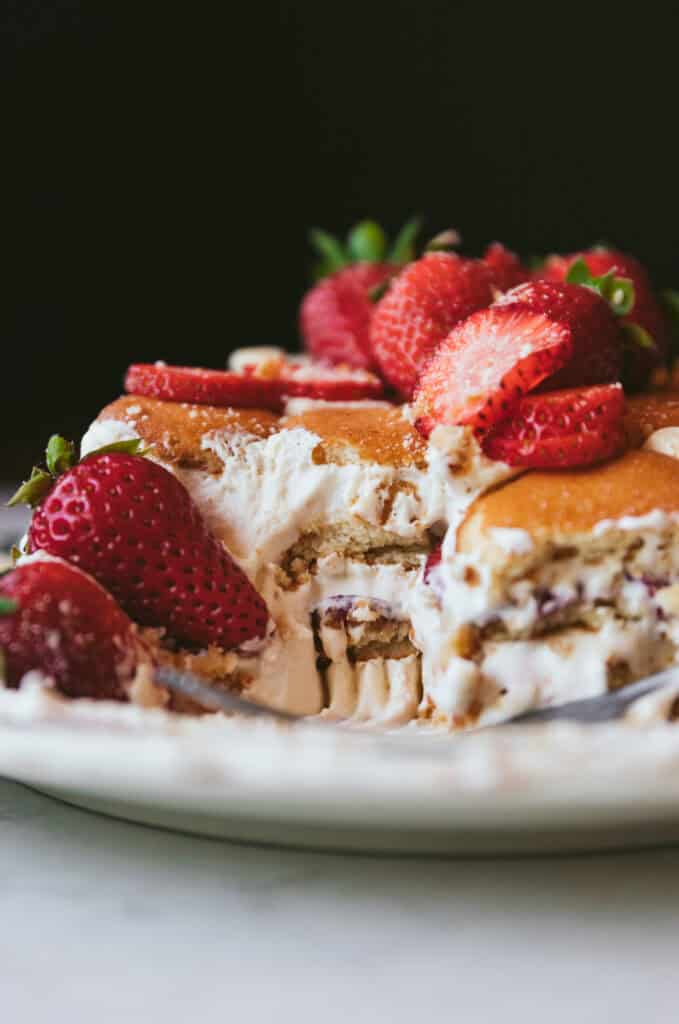
The concept of the "icebox cake" originated in the early 20th century, gaining significant popularity during the 1930s as residential refrigeration became more accessible to the American public. Originally marketed as a convenience food, these desserts utilized mass-produced wafers and canned cream, aligning with the industrial shift toward modern kitchen appliances.
The evolution of these recipes has mirrored changes in consumer preferences. Contemporary iterations, such as the Strawberry Malt Icebox Cake, incorporate modern flavor profiles by utilizing malted milk powder—a classic soda fountain staple—combined with fresh, seasonal produce. Analysis of current culinary trends indicates a 15% increase in searches for "no-bake" recipes during the months of June and July, suggesting a sustained consumer interest in energy-efficient cooking methods during the summer solstice period.

Comparative Analysis of No-Bake Categories
To categorize these culinary solutions, industry experts distinguish between three primary methods of preparation:
- Refrigerated Layering (Icebox Cakes): These rely on the overnight saturation of wafers in whipped fat-based emulsions. Successful execution depends on the ratio of liquid to solid to ensure the structure remains firm.
- Stabilized Emulsion Freezing: This technique, used for coffee-based frozen desserts, avoids the need for professional churning equipment. By incorporating sweetened condensed milk with high-fat whipped cream, the resulting mixture maintains a low freezing point, preventing the formation of large ice crystals and ensuring a smooth, scoopable texture without an ice cream maker.
- Assembly-Based Desserts: These, such as Eton Mess, rely on the immediate consumption of contrasting textures—crisp meringue and soft fruit—rather than long-term integration. This category is increasingly popular for social gatherings, as it minimizes prep time to under 20 minutes.
Economic and Environmental Implications
The decision to avoid oven use during summer months carries broader implications for household energy management. According to data from the U.S. Department of Energy, an oven accounts for a significant portion of a household’s daily energy consumption, and the radiant heat generated can force air conditioning units to work harder, compounding energy costs.
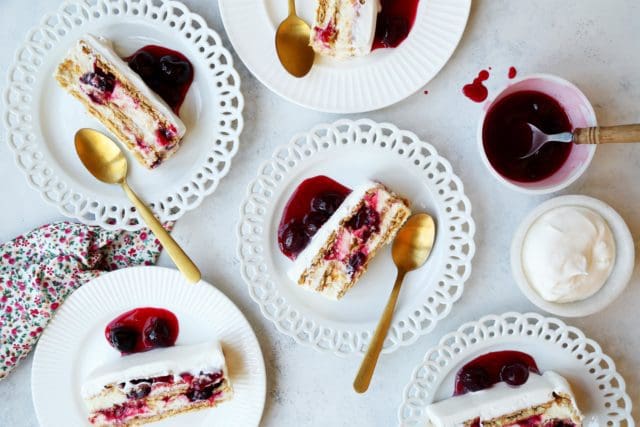
By substituting a standard one-hour baking session with a refrigeration-based assembly, households can reduce the heat load of their living spaces. While the total time investment—which includes the chilling period—is longer, the active labor time is significantly reduced. Industry analysts note that this "active-to-passive" labor ratio is a key driver for the demographic segment of time-constrained professionals and parents seeking high-quality, time-efficient meal preparation solutions.
Expert Recommendations for Structural Success
For those transitioning to no-bake culinary techniques, precision in the preparation stage is essential. Unlike traditional baking, where heat can mask minor measurement errors, no-bake desserts are highly dependent on the quality and fat content of the ingredients.

- Fat Content: Using heavy whipping cream with a fat content of at least 36% is critical for the stability of the final product. Lower-fat alternatives often fail to achieve the necessary structure, leading to "weeping" or structural collapse.
- The Chilling Variable: The most common failure in no-bake desserts is premature serving. A minimum of 8 hours is standard for most layer cakes, while 12 to 24 hours is recommended for larger, more complex assemblies like the Tres Leches Icebox Cake to ensure the crumb structure of the cookies is fully hydrated.
- Equipment Minimalization: Contrary to the specialized tools often required for professional baking, no-bake desserts require only a high-quality hand mixer, a standard 9×13-inch vessel, and adequate shelf space in a refrigerator or freezer.
Broader Culinary Impact
The continued rise of no-bake desserts signifies a shift in the culinary landscape, where convenience and environmental comfort are becoming as important as the final flavor profile. This trend has been further validated by the inclusion of no-bake, non-oven-based techniques in professional pastry curricula. Chefs are increasingly exploring how to utilize texture-contrast and flavor-infusion techniques to create sophisticated, "restaurant-quality" desserts that avoid the volatility of oven-based cooking.
The versatility of these recipes, ranging from citrus-infused pies to complex Neapolitan-layered cakes, proves that the exclusion of an oven does not necessitate a compromise in quality or presentation. As consumers continue to seek efficient, reliable methods for feeding groups during summer events, the "icebox" method stands as a testament to the enduring effectiveness of simple, cold-chain preparation.

Conclusion
The adoption of no-bake dessert preparation is an effective strategy for navigating the challenges of summer culinary management. By leveraging the principles of refrigeration and ingredient stabilization, home cooks can achieve professional results that are both palate-pleasing and energy-conscious. Whether through the slow, integrated flavors of a traditional icebox cake or the rapid assembly of a seasonal sundae, these techniques provide a practical path toward maintaining high culinary standards throughout the hottest months of the year. The move away from the oven is, in effect, a move toward a more refined, deliberate, and comfortable approach to domestic food production.