Sourdough Pumpkin Bagels: A Professional Guide to Mastering Artisanal Fall Baking

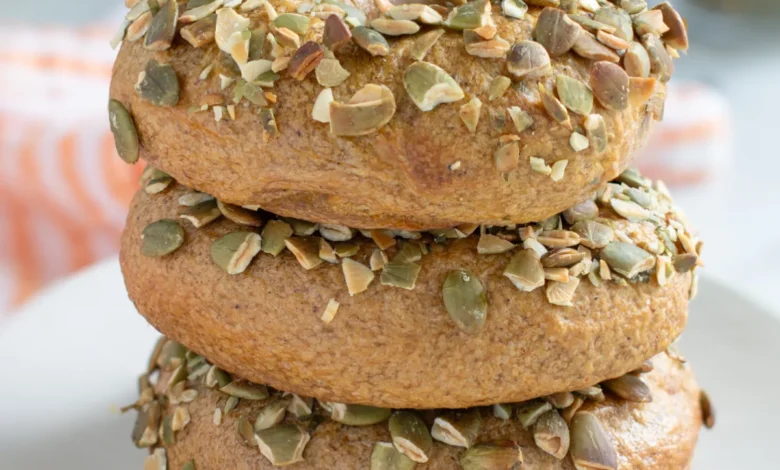
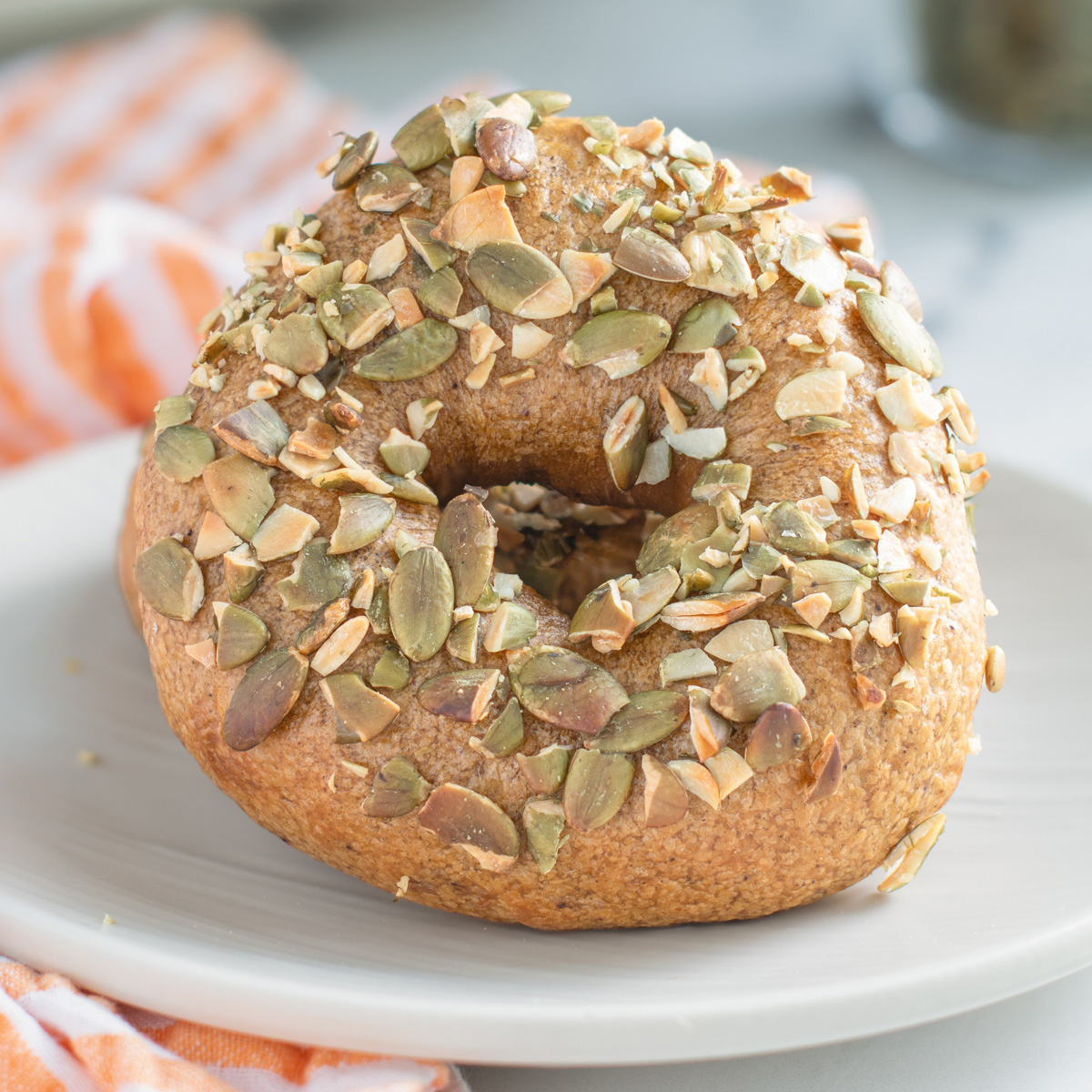
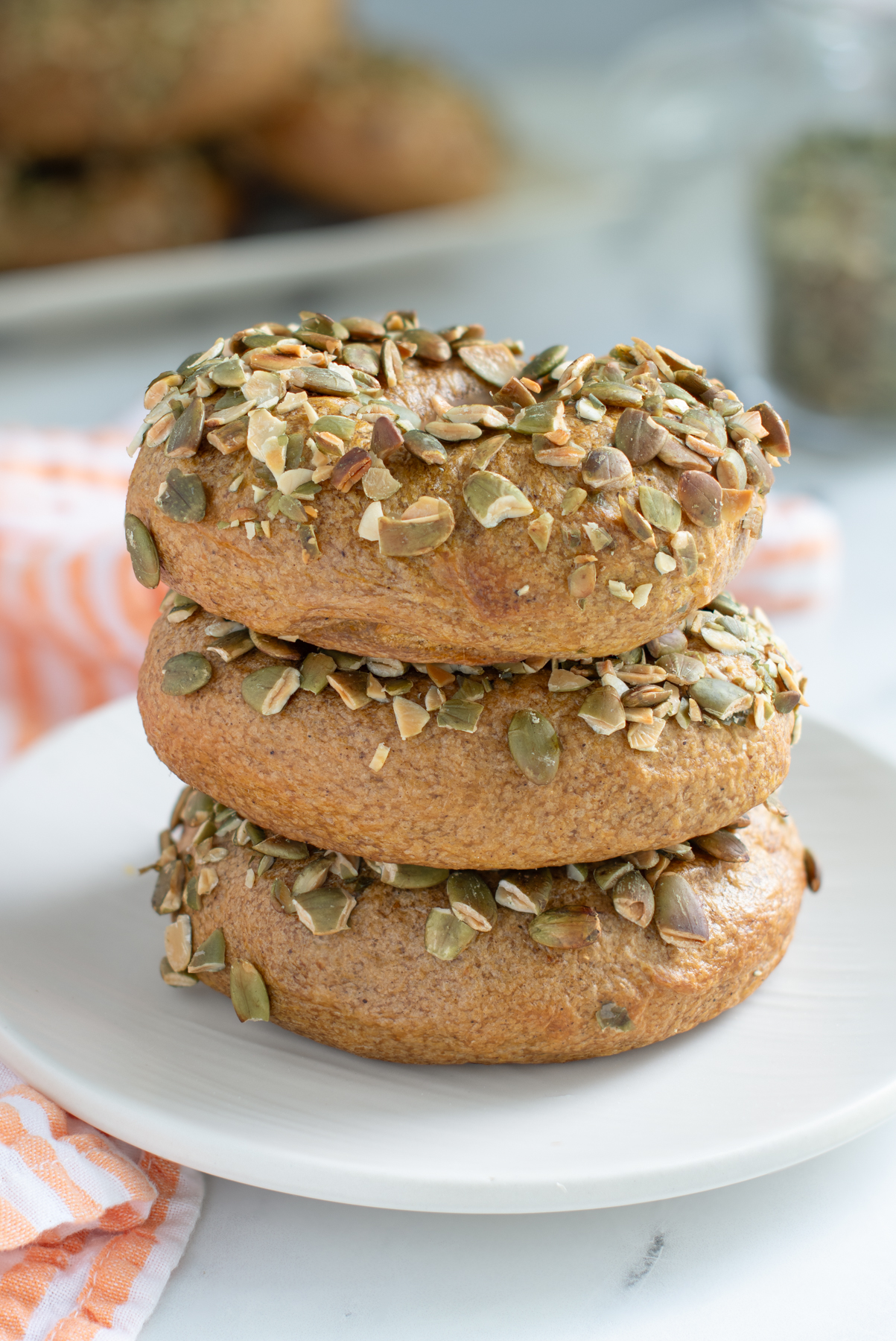
The intersection of traditional sourdough fermentation and seasonal culinary trends has reached a new apex with the refinement of the sourdough pumpkin bagel. Unlike mass-produced commercial breads that rely on rapid-acting industrial yeast, this artisanal approach leverages the complexity of a natural sourdough starter to create a dense, chewy texture synonymous with the iconic New York-style bagel. By incorporating pure pumpkin purée and a bespoke blend of warming spices, bakers can achieve a balanced profile that avoids the saccharine pitfalls often associated with "pumpkin spice" marketing, instead favoring a sophisticated, savory-leaning flavor profile.
The Science of Natural Fermentation in Enriched Doughs
The production of a high-quality sourdough pumpkin bagel is an exercise in biological timing. Sourdough fermentation is a slow-process, multi-day endeavor that hinges on the health of the wild yeast and lactic acid bacteria within the starter. When adding pumpkin—a moisture-rich ingredient—to the dough, the hydration levels must be recalibrated. Furthermore, the inclusion of sugars found in barley malt syrup and the natural fibers in the pumpkin introduce a degree of complexity to the fermentation schedule.
Enriched doughs, by definition, contain fats, sugars, or proteins that can physically interfere with the yeast’s ability to consume carbohydrates. In this specific formulation, the pumpkin purée and spices act as mild inhibitors to yeast activity. Consequently, professional bakers note that the bulk fermentation phase requires a longer duration to achieve the necessary volume and acidity, ensuring the final product possesses that characteristic "tang" that distinguishes sourdough from standard yeast-leavened bagels.
Chronological Breakdown of the Two-Day Process
For the home or professional baker, success with this recipe is contingent upon a rigid two-day timeline. The process is designed to maximize flavor development while minimizing active labor.
Day One: Activation and Mixing
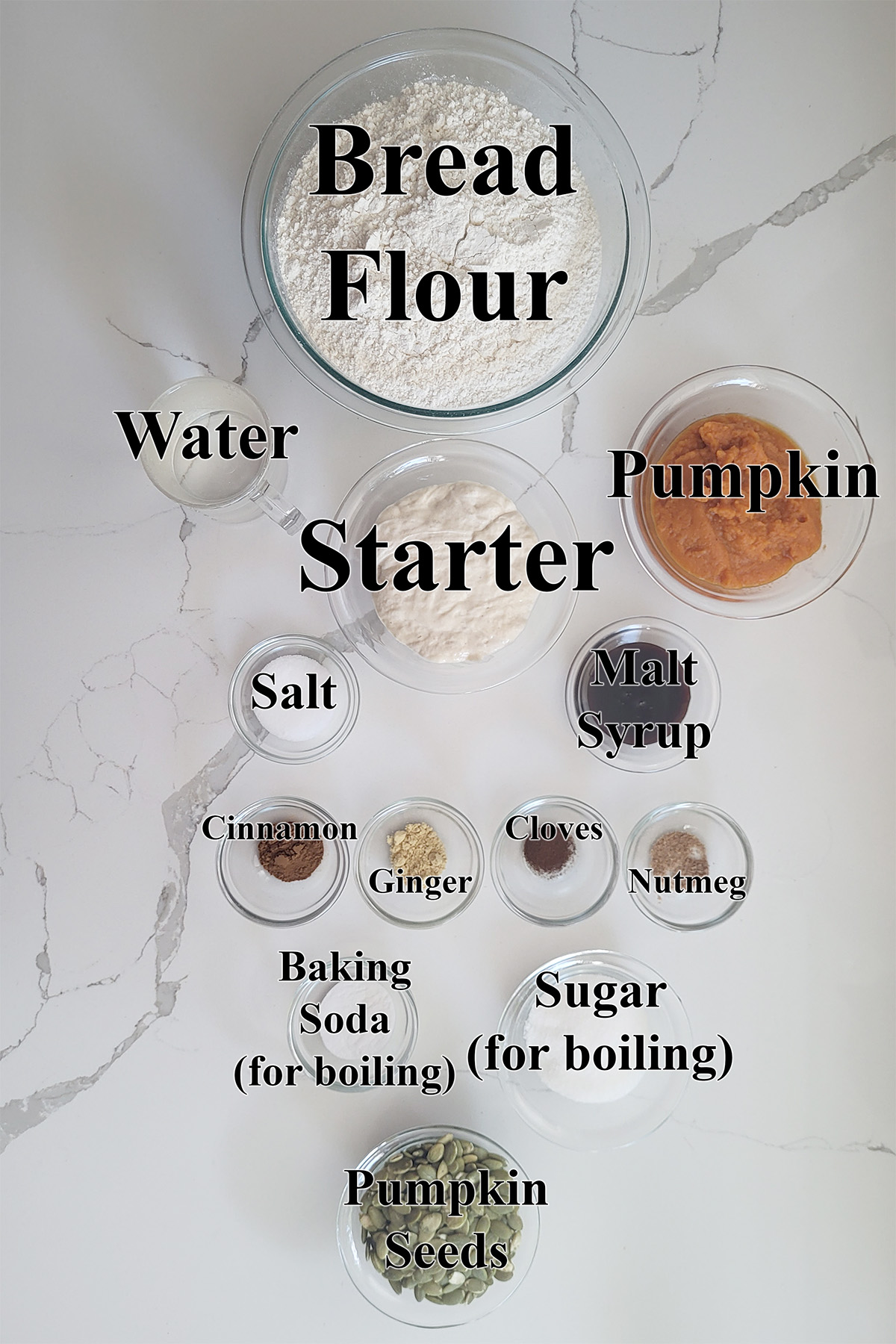
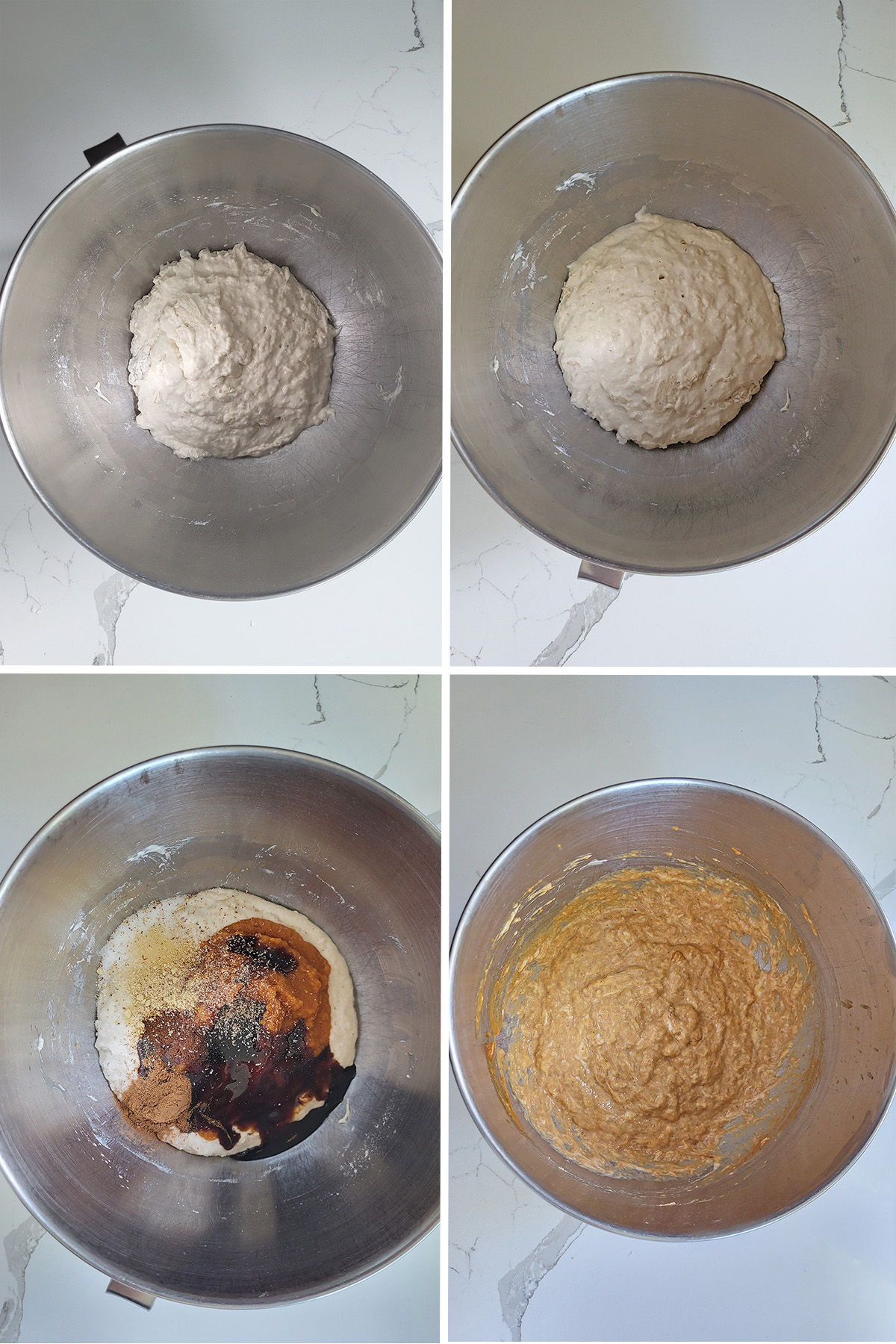
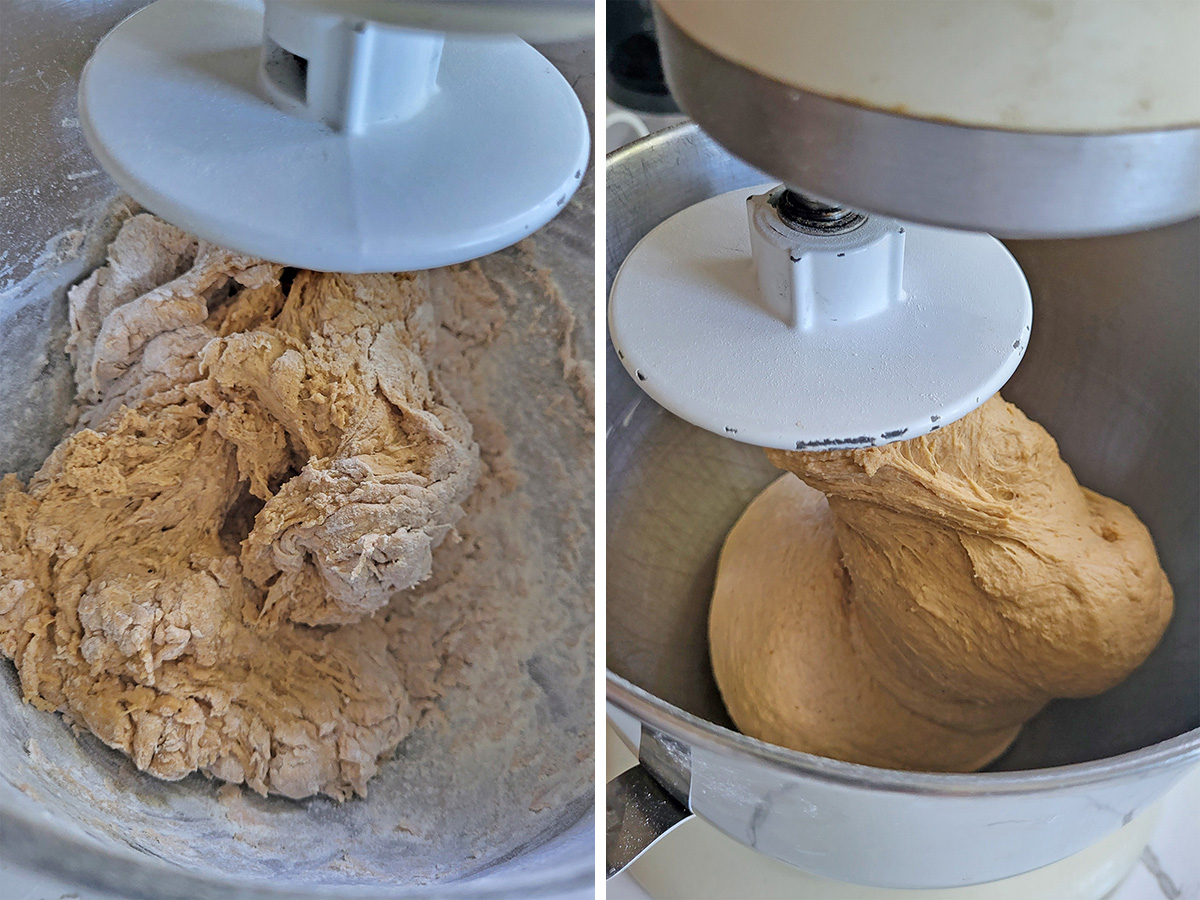
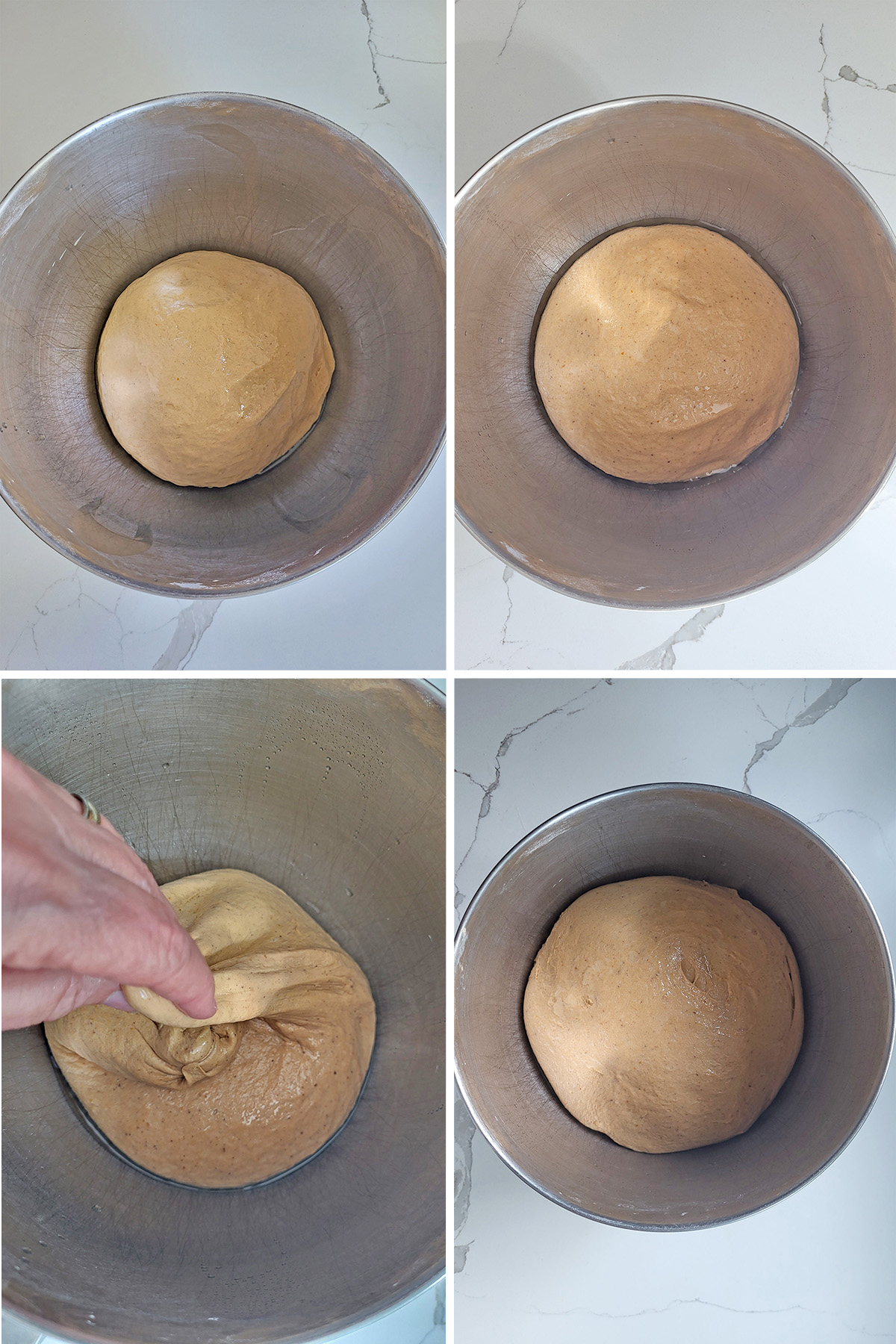
The process begins with the maintenance of an active, vigorous sourdough starter. After the starter has reached its peak, it is combined with bread flour, water, sea salt, and barley malt syrup. The pumpkin is folded in at the mixing stage. Once the dough has reached a smooth, elastic consistency—usually achieved through several minutes of kneading—it undergoes bulk fermentation. During this window, the baker performs a series of folds to strengthen the gluten network, a critical step for a bagel that requires a structural integrity capable of withstanding the boiling process.
Day Two: Shaping and Final Proofing
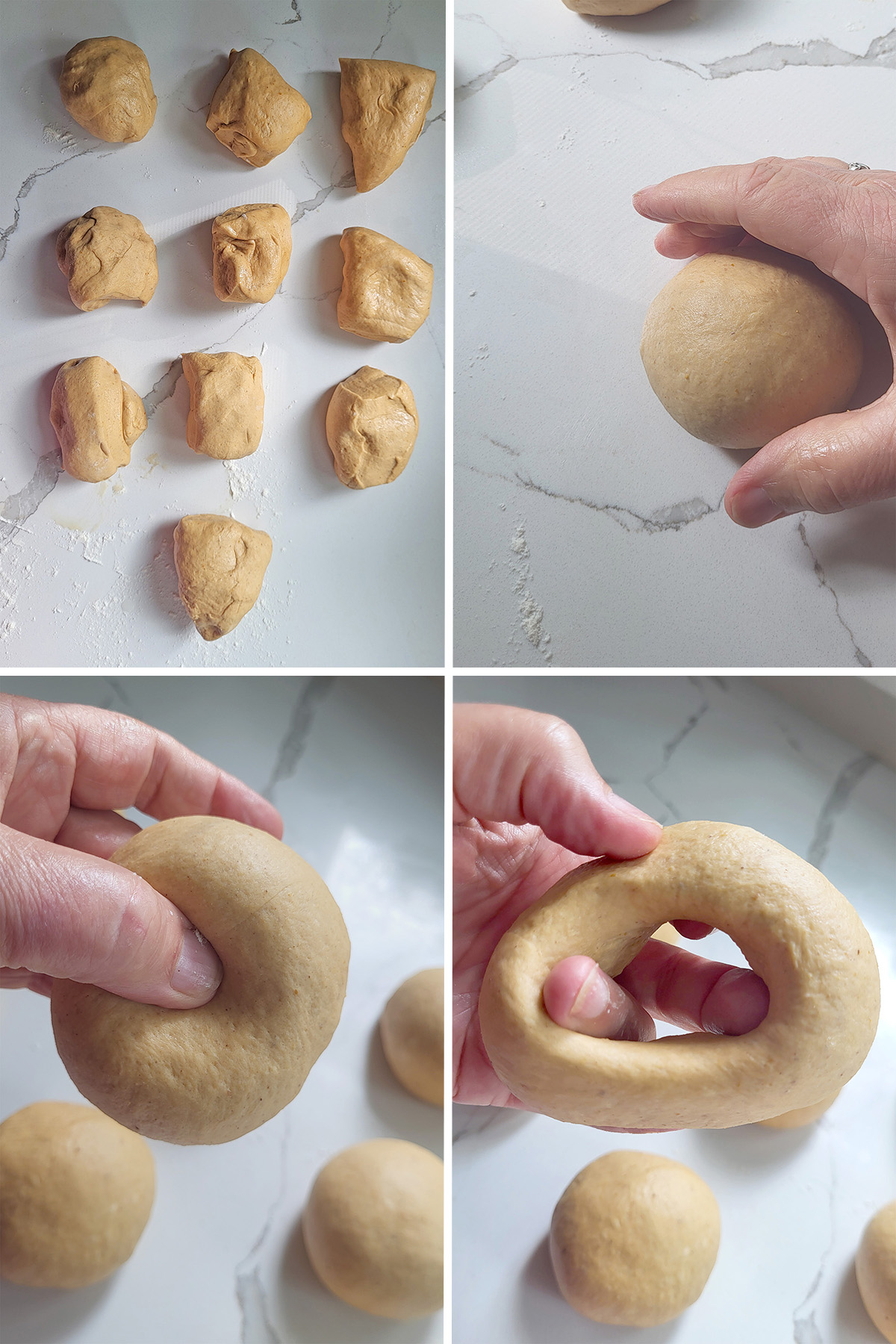
After an overnight rest, which allows the wild yeast to further develop the flavor profile, the dough is divided into equal portions. Shaping is performed by rolling the dough into cylinders and joining the ends, or by punching a hole through a ball of dough. Following a final, short proof, the bagels are ready for the boiling stage.
The Boiling and Baking Technique
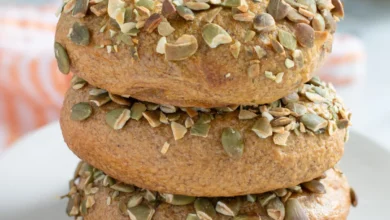
The distinction between a "bagel" and a "circular bread roll" is the boil. Before entering the oven, the bagels are submerged in a boiling liquid—often augmented with additional barley malt syrup to promote a deep, mahogany crust. This brief boil gelatinizes the exterior starches, creating the chewy crust that is the hallmark of the New York style. After boiling, the bagels are drained, optionally topped with seeds for added texture, and moved to a high-heat oven. The baking process is relatively quick, usually concluding in under 30 minutes, resulting in a product that is golden-brown on the outside and tender on the inside.
Nutritional Profile and Dietary Considerations
From a nutritional perspective, these bagels offer a different profile than standard white flour bagels. A single serving provides approximately 331 calories, with a balanced distribution of 58 grams of carbohydrates and 11 grams of protein. The inclusion of pumpkin adds a minor boost of fiber and a significant amount of Vitamin A, specifically beta-carotene, which is a nutritional benefit often absent in standard bagel recipes.
However, bakers should be aware that the sodium content, typically around 924mg per serving, remains a standard factor in the chemistry of bread-making, as salt is essential for regulating yeast and strengthening gluten. For individuals monitoring their sugar intake, the use of barley malt syrup provides a more complex, less aggressive sweetness than refined white sugar or high-fructose corn syrup, contributing to a lower glycemic impact, though the product remains a carb-dense food item.
Storage and Industry Standards for Freshness
The absence of preservatives in a sourdough-based product means that shelf-life is inherently limited compared to commercial alternatives. Freshly baked bagels reach their peak quality within 12 to 24 hours. The standard industry advice for maintaining the integrity of these baked goods is to avoid refrigeration, which accelerates the staling process through a phenomenon known as starch retrogradation.
For long-term storage, the optimal method is freezing. By slicing the bagels 75% of the way through prior to freezing, consumers can ensure ease of access. When removed from the freezer, a direct transition to a toaster or oven allows the bagel to regain its original, fresh-baked characteristics, including the contrast between the crisp crust and the soft, airy interior.
Broader Implications: The Rise of Artisanal Baking
The popularity of recipes like the sourdough pumpkin bagel reflects a broader shift in consumer behavior. Over the past decade, there has been a documented increase in the pursuit of "slow food" and home-based culinary mastery. This trend, bolstered by the global lockdowns of 2020, has seen a permanent elevation in the skill level of the average home baker.
Market analysts observe that there is a growing demand for transparency in food production. By using active sourdough starters, home bakers are removing the need for commercial additives, stabilizers, and bleaching agents. This recipe serves as a case study for this movement: it is labor-intensive, requires an understanding of biology, and yields a product that is objectively superior in flavor and texture to supermarket offerings.
Moreover, the integration of seasonal ingredients like pumpkin into traditional bread recipes demonstrates how culinary tradition can evolve to meet modern tastes without sacrificing the fundamental techniques that have defined the craft for centuries. As the artisanal baking sector continues to grow, it is expected that more traditional recipes will undergo similar "seasonal" adaptations, keeping the craft dynamic while maintaining its historical roots.
Conclusion: A Masterclass in Patience
Ultimately, the sourdough pumpkin bagel is more than a seasonal treat; it is a testament to the benefits of patient, methodical baking. The process requires a departure from the "instant" culture of modern convenience, demanding that the baker respect the fermentation schedule of the wild yeast. By adhering to the two-day structure and focusing on the precision of the boiling and baking stages, the baker can produce a high-quality, complex, and nutritionally enhanced product that bridges the gap between classic technique and contemporary flavor preferences. For those willing to invest the time, the result is a superior bagel that stands as a standard for artisanal excellence.