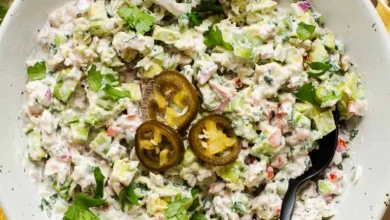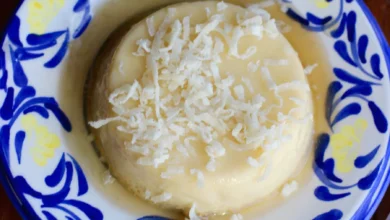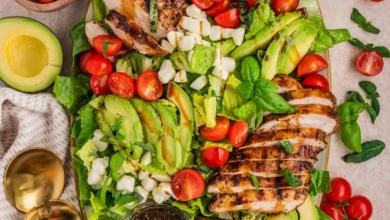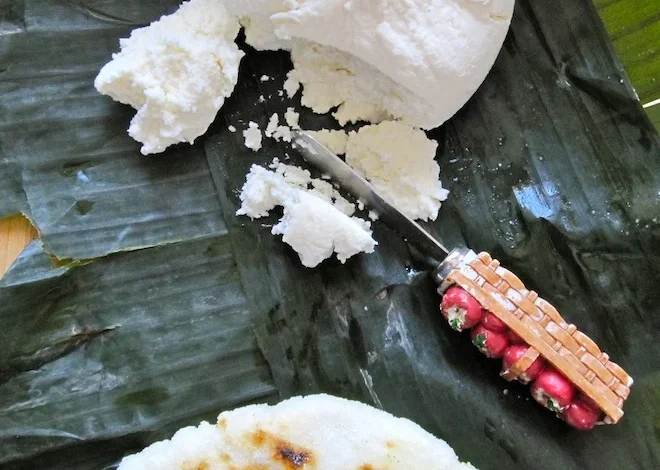
Quesito Colombiano stands as one of the most iconic elements of Colombian culinary heritage, serving as a staple in households across the Andean nation. This fresh, unripened cheese, known for its soft, creamy texture and mild, slightly salty flavor profile, is more than just a food item; it is a cultural artifact that connects modern Colombian kitchens to centuries-old agrarian traditions. Often compared to Mexican queso fresco, the production of quesito remains a quintessential domestic practice, reflecting a preference for fresh, locally sourced dairy products that define the Colombian breakfast table and beyond.

The Origins and Cultural Significance of Colombian Dairy
The history of cheese production in Colombia is deeply intertwined with the introduction of European cattle by Spanish colonists in the 16th century. As the cattle population thrived in the lush, high-altitude pastures of the Colombian Andes, the production of fresh milk became a cornerstone of the rural economy. Unlike the aged, complex cheeses of Europe, which were often developed for long-term preservation and transport, Colombian cheese production evolved to suit the immediate needs of the population.
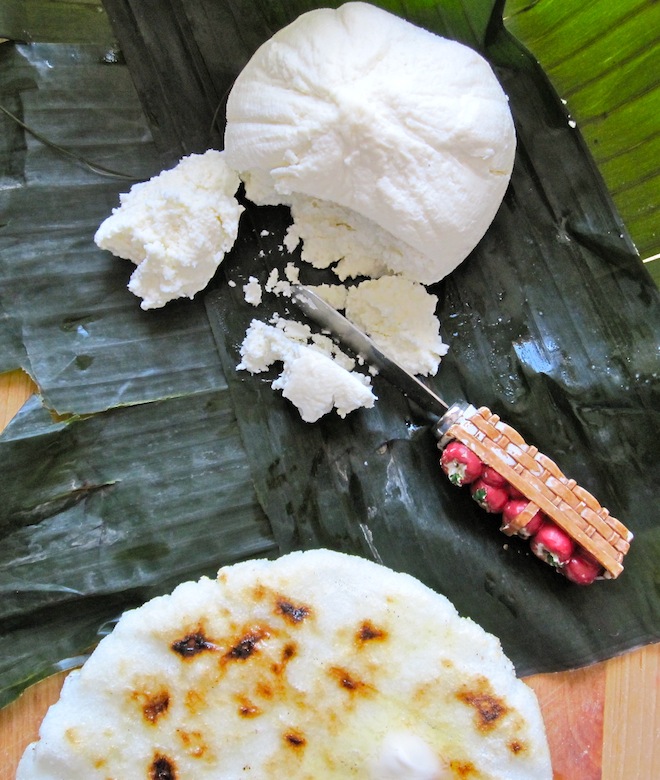
Quesito emerged as a pragmatic solution for families to preserve excess milk. By separating the curds from the whey, rural families created a nutrient-dense food source that could be consumed immediately or sold at local markets. Today, the cheese is synonymous with the regional identity of the Antioquia department, where it is a fixture of the local diet. It serves as a versatile ingredient, frequently paired with the region’s ubiquitous corn-based staple, the arepa.
The Chemistry and Methodology of Production
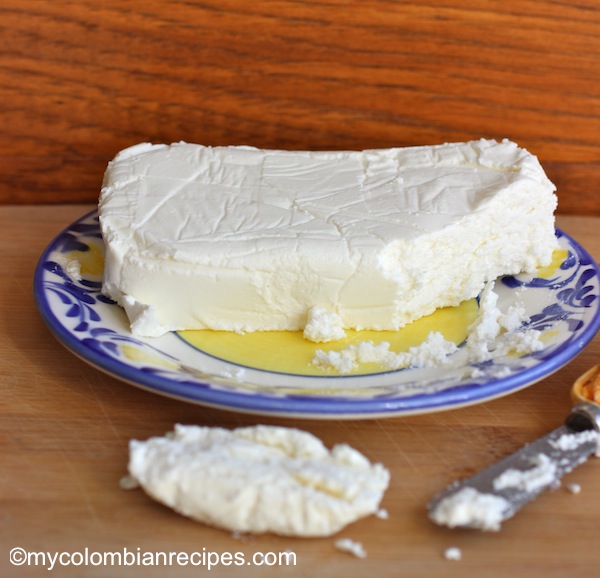
The production of authentic Quesito Colombiano relies on the precise coagulation of cow’s milk. While industrial manufacturing processes have standardized the product for supermarkets, the traditional, artisanal method remains the gold standard for flavor and texture.
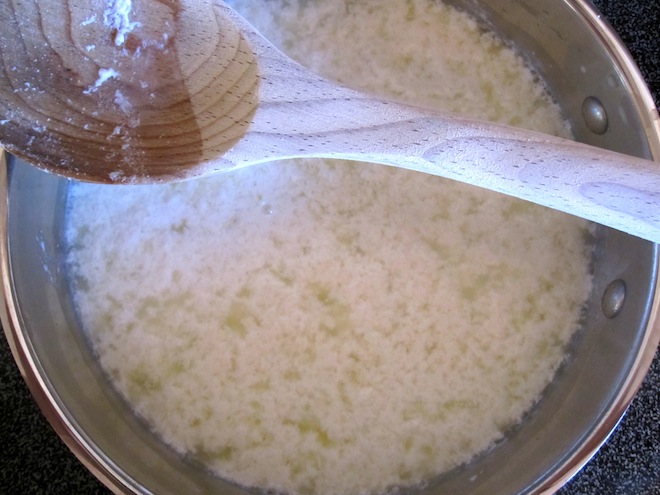
At its core, the process involves heating fresh whole milk and introducing a coagulating agent. While rennet—an enzyme complex—was historically the primary agent used, contemporary home recipes frequently utilize food-grade acids such as white vinegar or citrus juice (lemon or lime). This acidification process causes the milk proteins (casein) to precipitate, forming solid curds that trap fats and moisture.
The sequence of production typically follows a rigid timeline:
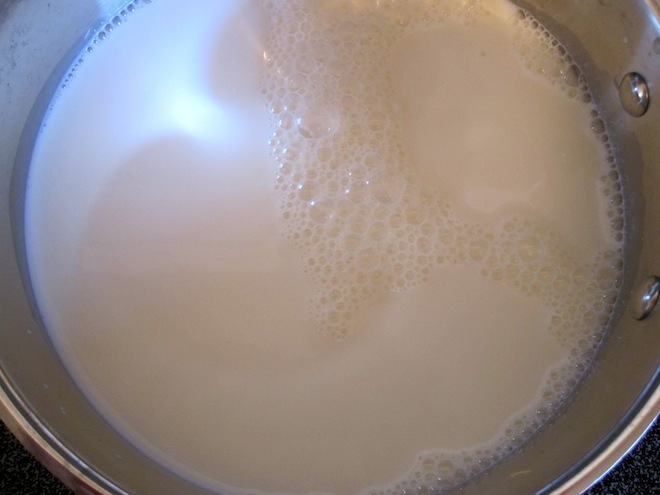
- Heating: Whole milk is gently warmed to a specific temperature, usually just below boiling, to ensure optimal protein structure.
- Coagulation: The addition of an acid triggers the separation of the curds from the watery whey.
- Straining: The mixture is poured through a fine-mesh cloth or a traditional press to expel the excess liquid.
- Salting and Molding: Salt is added to enhance flavor and assist in moisture regulation. The curds are then packed into cylindrical molds to achieve the classic, firm shape.
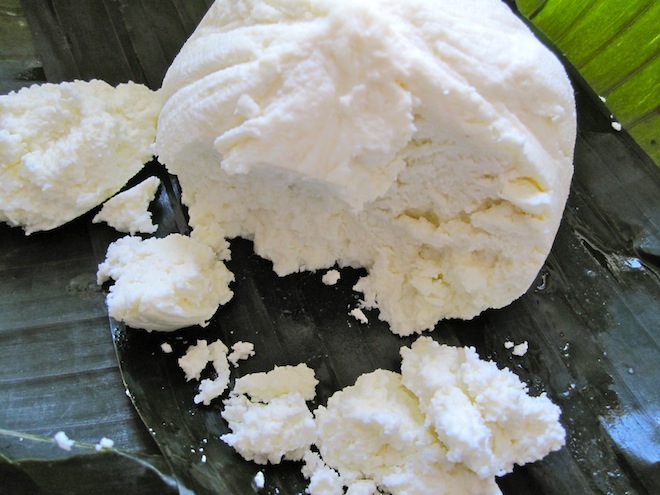
- Pressing: Controlled pressure is applied to remove remaining moisture, resulting in the characteristic dense but crumbly texture.
Nutritional Profile and Dietary Context
From a nutritional standpoint, fresh cheeses like quesito offer a significant concentration of calcium and high-quality protein. According to standard dairy analysis, a typical serving of fresh cheese provides a substantial portion of the recommended daily intake for essential minerals.
However, the caloric density of such products remains a consideration for modern consumers. A single serving can contain upwards of 2,000 calories depending on the fat content of the original whole milk and the concentration of the solids. The high protein content, ranging significantly per batch, makes it a favored source of sustenance for laborers and families engaged in physical work, contributing to its popularity as a breakfast staple.
Broader Economic and Culinary Implications
The production and consumption of quesito have profound implications for the Colombian agricultural sector. Small-scale dairy farming remains a vital livelihood for thousands of rural families. The reliance on whole, unpasteurized or lightly processed milk for homemade cheese supports local supply chains that are often bypassed by large, multinational dairy conglomerates.

In the culinary landscape, the versatility of quesito is unmatched. Beyond its role as a topping for arepas, it is a foundational ingredient in various traditional baked goods. Pandebono, a popular cheese bread made with cassava starch, and almojábanas, which incorporate corn flour, both rely on the specific melting and texture properties of fresh, slightly acidic cheeses like quesito. Culinary experts note that the substitution of quesito with imported, mass-produced cheeses often fails to replicate the specific mouthfeel and flavor interaction required for these traditional recipes, leading to a sustained demand for artisanal, authentic production.
Modern Challenges and Preservation of Tradition
Despite its popularity, the traditional method of making quesito faces challenges in an era of mass industrialization. Food safety regulations regarding the use of raw milk and the logistics of cold-chain distribution have forced many artisanal producers to adapt. Furthermore, the migration of rural populations to urban centers has led to a shift in how families acquire their cheese. While the practice of "making it from scratch" remains a point of pride and a skill passed down through generations, many younger Colombians increasingly rely on commercially packaged alternatives found in supermarkets.
However, a resurgence of interest in traditional gastronomy—often referred to as the "gastronomic heritage movement"—has seen a renewed focus on home-cooking techniques. Digital platforms and cooking blogs, such as those maintained by experts like Erica Dinho, have played a critical role in documenting these methods. By providing step-by-step instructions and video tutorials, these creators ensure that the knowledge required to produce high-quality, homemade quesito does not disappear with the passage of time.
The Role of Technology in Culinary Preservation
The digitizing of traditional recipes serves as a critical buffer against the loss of cultural identity. The process of making quesito, while simple in theory, requires an intuitive understanding of the milk’s behavior—a skill that is difficult to convey without visual aids. The availability of online recipes that detail the exact temperatures, the ratio of vinegar to milk, and the duration of the pressing process democratizes the ability to create traditional food in any location, including the diaspora communities in the United States and Europe.
Future Outlook
As global interest in Colombian cuisine continues to grow, the status of traditional ingredients like quesito is likely to be elevated. Chefs are increasingly looking toward "heritage" ingredients to distinguish their menus, and the simple, honest profile of fresh cheese offers a stark contrast to highly processed food alternatives.
Ultimately, the enduring popularity of Quesito Colombiano serves as a testament to the resilience of food culture. Whether served on a rustic arepa on a farm in Antioquia or prepared in a modern kitchen in New York, the essence of the cheese remains the same: a celebration of simple, wholesome ingredients transformed through time-honored techniques. The future of this culinary tradition rests on the continued engagement of the younger generation and the persistent efforts of those dedicated to keeping the kitchen traditions of their ancestors alive. By preserving these practices, the cultural narrative of Colombia remains vibrant, accessible, and delicious.