Transforming Leftover Rice Into Culinary Masterpieces: A Comprehensive Guide to Global and Caribbean Fusion Cooking

In modern home kitchens, the efficient management of food inventory has evolved from a matter of household thrift into a cornerstone of sustainable culinary practice. Among the most versatile staples found in refrigerators worldwide is cooked white rice. Often relegated to the status of an afterthought once cooled, leftover rice possesses unique physical and chemical properties that make it superior to freshly cooked grains for a vast array of preparations. Culinary experts, food scientists, and cultural archivists alike point to the day-old grain as the unsung hero of global comfort food, bridging the gap between waste reduction and gastronomic innovation.
The phenomenon of utilizing day-old rice is deeply rooted in the food science of starches. When rice is cooked and subsequently cooled, the starch molecules undergo a process known as retrogradation. During this cooling phase, the amylose and amylopectin chains realign into a crystalline structure, causing the grains to firm up and lose their excess surface moisture. For the home cook, this chemical transformation is a distinct advantage. Unlike freshly steamed rice, which tends to clump together and release excess steam when subjected to high heat, chilled grains separate easily. This structural integrity allows individual grains to absorb flavors efficiently without turning into a sticky paste, making leftover rice the indispensable foundation for everything from high-heat wok dishes to baked casseroles and comforting desserts.
Historical Context and Cultural Significance
The practice of repurposing starches is as old as agriculture itself, born out of necessity in societies where food scarcity demanded zero-waste kitchens. In the Caribbean, particularly in the Dominican Republic, the kitchen ethos treats leftovers not as second-choice meals, but as blank canvases for creativity. Culinary traditions in the region have long embraced the philosophy that nothing edible goes unutilized.
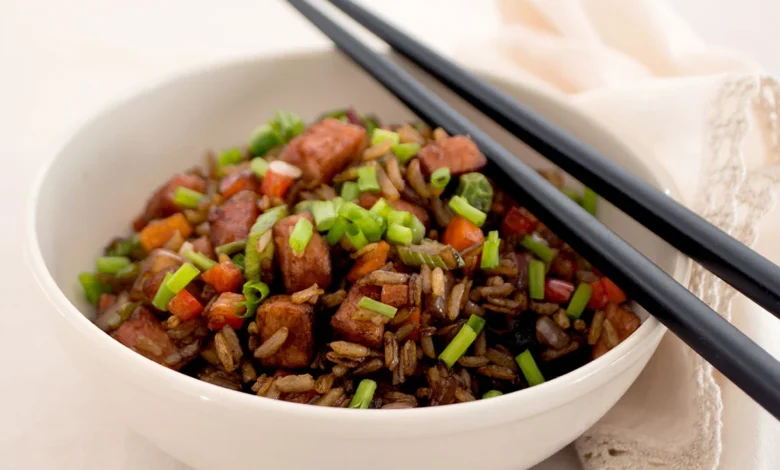
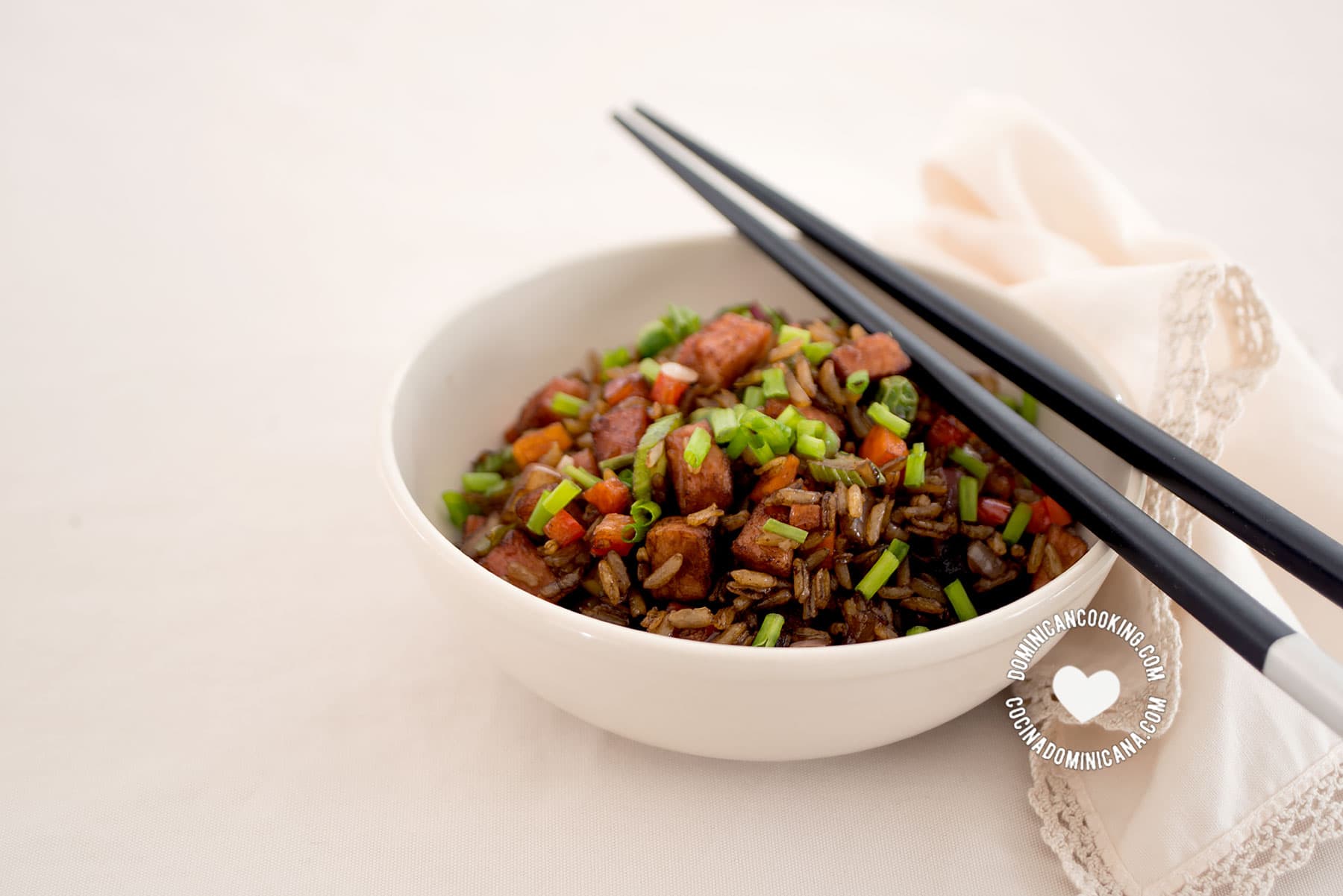
This adaptive approach to cooking frequently incorporates historical cross-cultural influences. A prime example is Chofan, the Dominican adaptation of Chinese fried rice. Brought to the Caribbean island by Chinese immigrants during the first half of the twentieth century, this dish represents an early culinary fusion. Immigrants blended traditional wok-cooking techniques and soy-based seasonings with local Caribbean ingredients, utilizing cold, day-old rice as the non-negotiable base. Today, Chofan stands as a testament to cultural integration and practical kitchen management, remaining a staple of both home-cooked Sunday lunches and bustling local eateries.
A Curated Compilation of Nine Creative Leftover Rice Applications
To assist home cooks in navigating the culinary potential of refrigerated rice, food historians and recipe developers have cataloged a diverse array of dishes ranging from traditional Caribbean comfort foods to European-inspired baked goods.
-
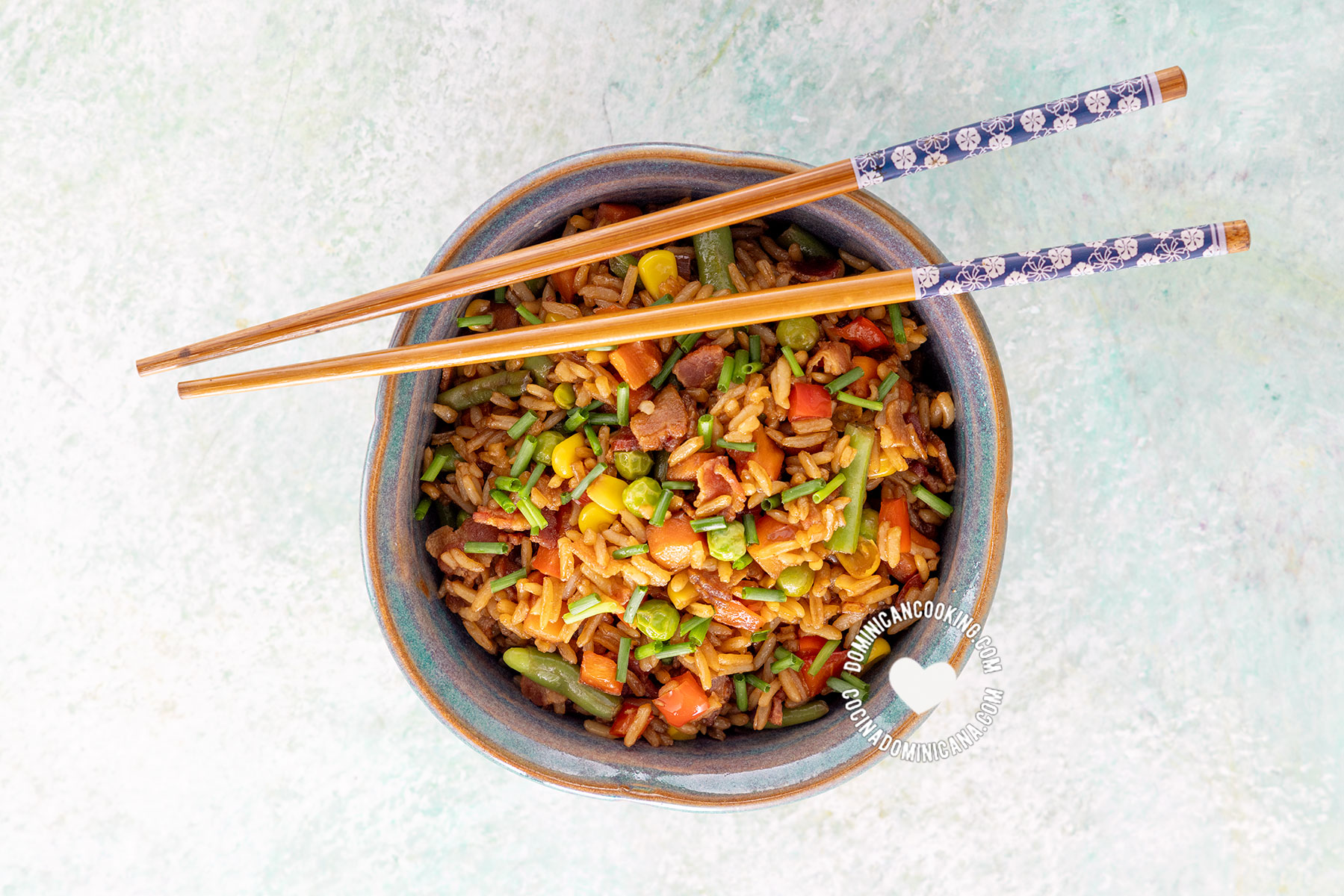
Chofan (Dominican-Chinese Fried Rice): This iconic fusion dish utilizes high-heat skillet techniques to toss cold rice with an assortment of meats, vegetables, soy sauce, and aromatic seasonings. The retrograded starches ensure that each grain remains distinct while caramelizing slightly against the hot surface of the pan.
-
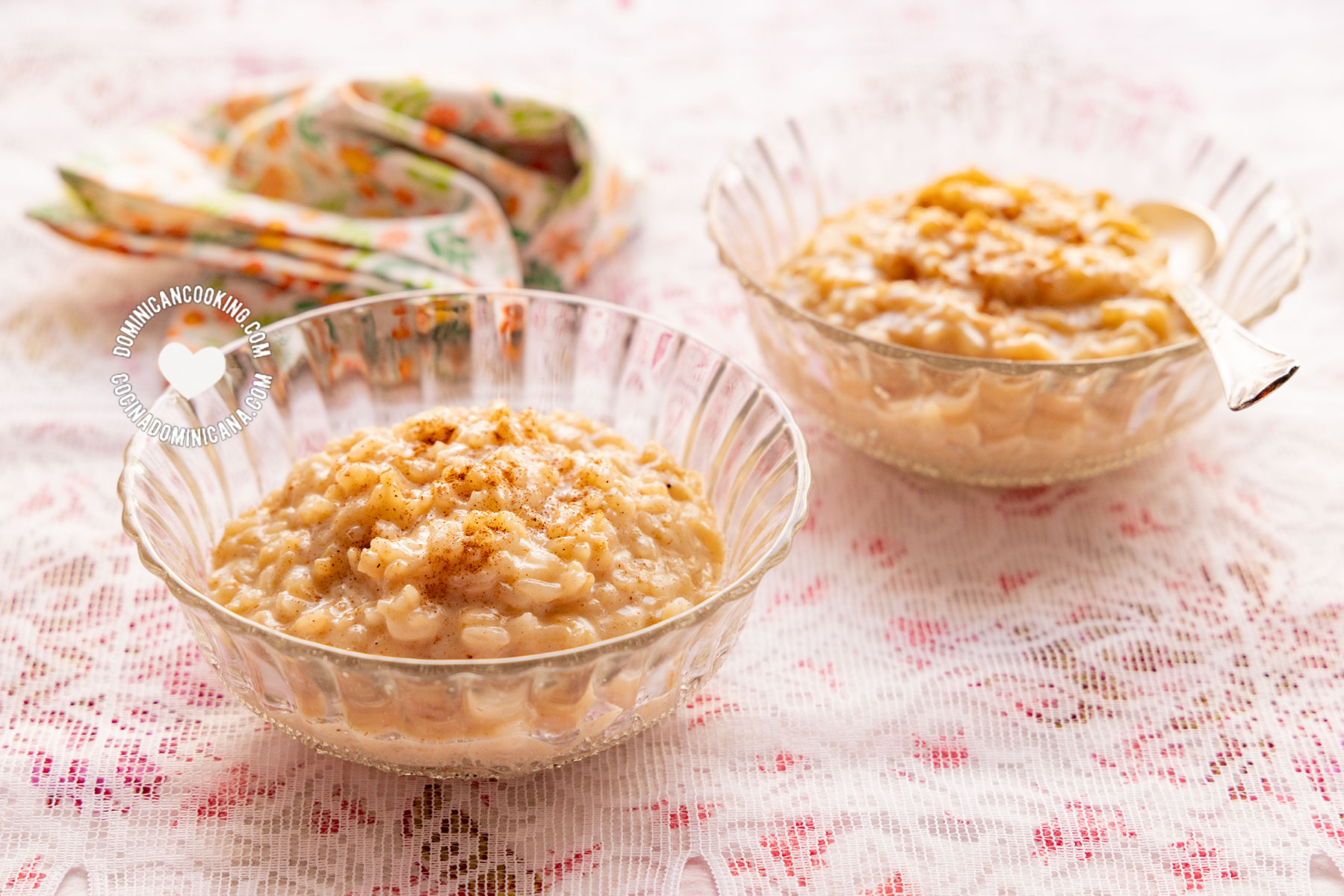
Rapid Arroz con Leche (Rice Pudding): Traditional rice pudding requires simmering raw grains in milk and sugar for extended periods. By substituting leftover cooked rice, home cooks can drastically reduce preparation time. The pre-cooked grains rapidly absorb sweetened condensed milk, whole milk, cinnamon, and citrus zest, yielding a rich, creamy dessert in a fraction of the traditional timeframe.
-
Arroz Amarillo (Spanish Yellow Rice): Transforming plain white leftover rice into a vibrant, colorful side dish involves reheating the grains with turmeric, achiote, or saffron, alongside sautéed onions, garlic, and bell peppers. This method revitalizes the texture while infusing the starch with robust Mediterranean and Caribbean aromatics.
-
Ensalada de Arroz (Dominican Rice Salad): Moving away from hot dishes, chilled rice serves as the robust base for refreshing salads. Often combined with tropical fruits such as pineapple, fresh herbs, crunchy vegetables, and a bright vinaigrette, rice salad is a fixture at family gatherings, community potlucks, and outdoor summer barbecues.

-
Pastelón de Arroz (Cheesy Rice Casserole): Elevating humble ingredients into a hearty main course, this comforting casserole layers seasoned ground meat between portions of rice, binding the mixture with beaten eggs and a generous blanket of melting cheese before baking until golden brown.
-
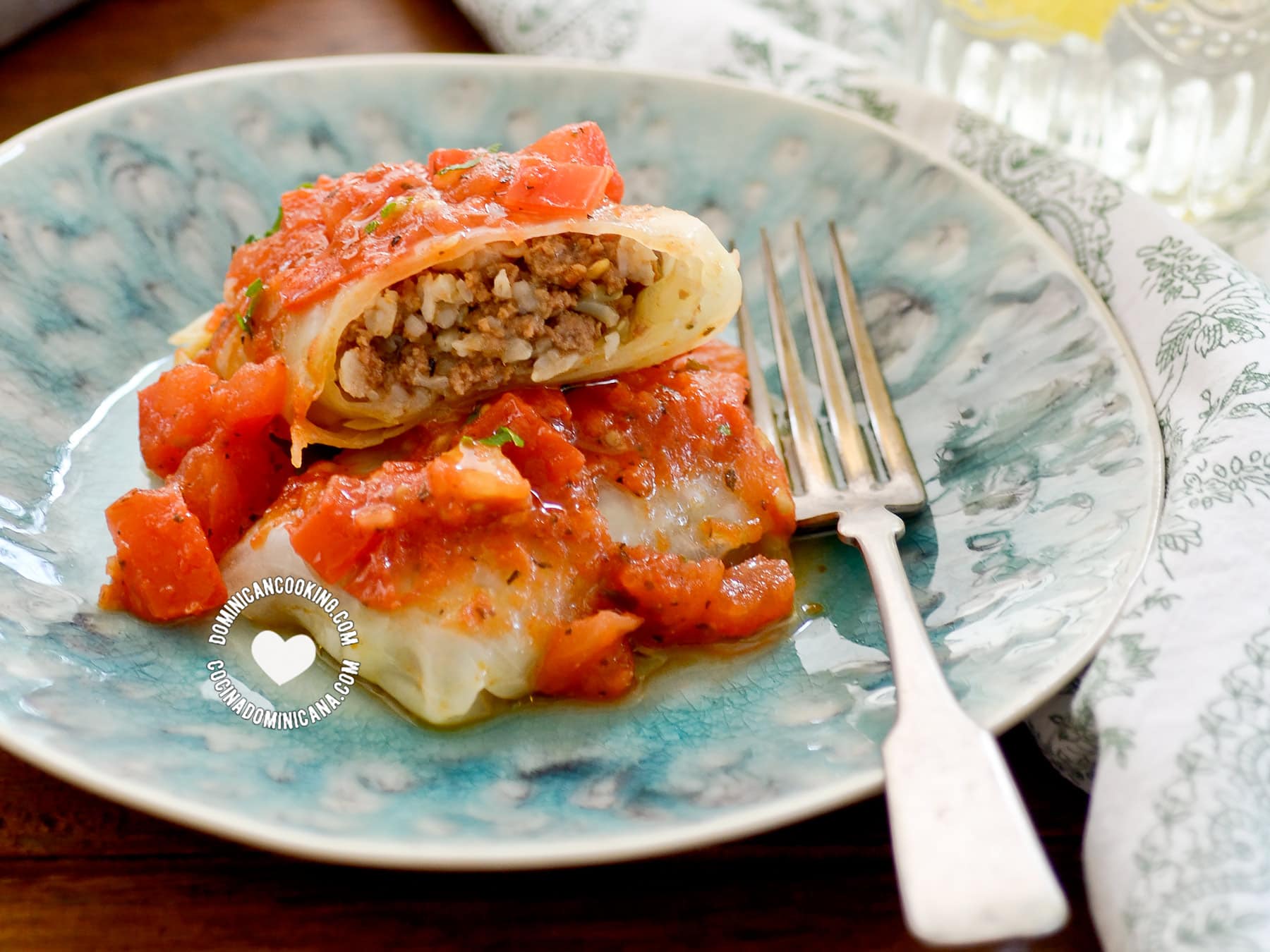
Niño Envuelto (Cabbage, Rice, and Beef Pockets): Traditionally labor-intensive, this dish features savory ground beef and rice wrapped tightly inside tender cabbage leaves. By incorporating pre-cooked rice into the beef filling, cooks eliminate the need to pre-cook or partially boil the grains within the wrap, significantly cutting down overall cooking and assembly times.
-
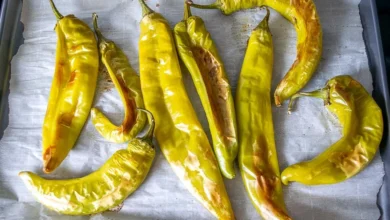
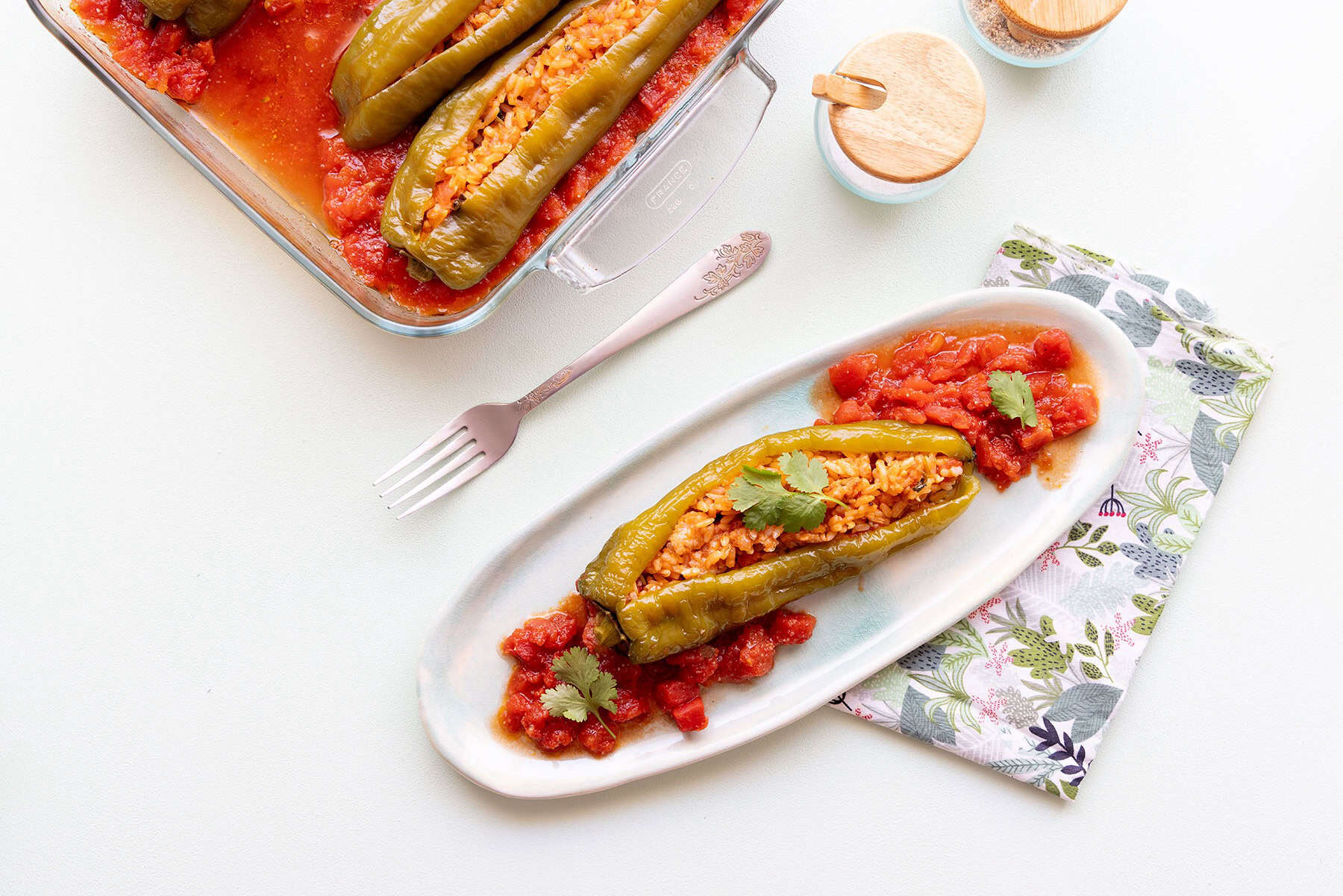
Stuffed Cubanelle Peppers: Utilizing mild, thick-walled Cubanelle peppers native to Caribbean cuisine, this dish stuffs the cavities with a savory mixture of leftover rice, herbs, and protein. Baked until the peppers soften and char slightly, it provides a balanced, standalone dinner solution.

-
Baked Stuffed Rice Balls (Arancini-Inspired): Drawing inspiration from classic Sicilian street food, these portable spheres feature a flavorful core encased in seasoned rice, breaded, and baked rather than deep-fried. Utilizing an oven or an air fryer yields a crispy exterior while maintaining a moist, savory interior, offering a lighter alternative to traditional frying methods.
-
Quail Egg and Vegetable Rice Salad: For a nutrient-dense, lighter dinner option, leftover rice is tossed with a colorful medley of fresh vegetables and protein-rich quail eggs. The mild flavor of the rice absorbs the dressings while the delicate eggs add visual appeal and nutritional value.
Economic and Environmental Implications

The global emphasis on reducing food waste has placed home food management under a favorable spotlight. According to recent environmental assessments, household food waste constitutes a significant percentage of total municipal solid waste, contributing unnecessary methane emissions in landfills. By maximizing the utility of pantry and refrigerator staples like cooked rice, households can actively decrease their environmental footprint.
Furthermore, optimizing grocery utilization offers tangible economic relief. With global food prices subject to inflationary pressures, making secondary use of prepared ingredients stretches household budgets further. Culinary educators emphasize that mastering the art of the leftover meal is not merely a nostalgic nod to grandmother’s kitchen, but a modern economic necessity and an exercise in sustainable living.
Nutritional Considerations of Day-Old Starches
Beyond flavor and texture, food scientists have noted an intriguing nutritional benefit associated with cooled and reheated starches. During the retrogradation process—where starches cool and crystallize—a portion of the digestible starch converts into resistant starch. Resistant starch functions similarly to dietary fiber in the human digestive system, escaping rapid enzymatic breakdown in the small intestine and reaching the large intestine largely intact.
This biochemical shift results in a lower glycemic response compared to freshly cooked, hot rice. While the caloric content remains comparable, the presence of resistant starch can assist in stabilizing blood glucose levels and promoting gut microbiome health through the production of short-chain fatty acids. Consequently, consuming day-old rice dishes offers subtle physiological advantages that align well with health-conscious dietary planning.
Future Outlook on Sustainable Home Gastronomy
As culinary trends continue to favor sustainability, plant-forward eating, and kitchen efficiency, the humble container of leftover rice in the back of the refrigerator is shedding its uninspired reputation. Chefs and food writers advocate for a cultural shift in how home cooks perceive food storage, transforming yesterday’s side dish into tomorrow’s centerpiece.
Whether transformed into a smoky, high-heat skillet of Chofan, folded into a vibrant tropical salad, or bound together in a bubbling, cheesy casserole, leftover rice remains an invaluable asset in the global kitchen. Through a combination of historical appreciation, food science, and creative adaptation, the modern household continues to prove that culinary excellence often begins with what is already on hand.
Related posts: