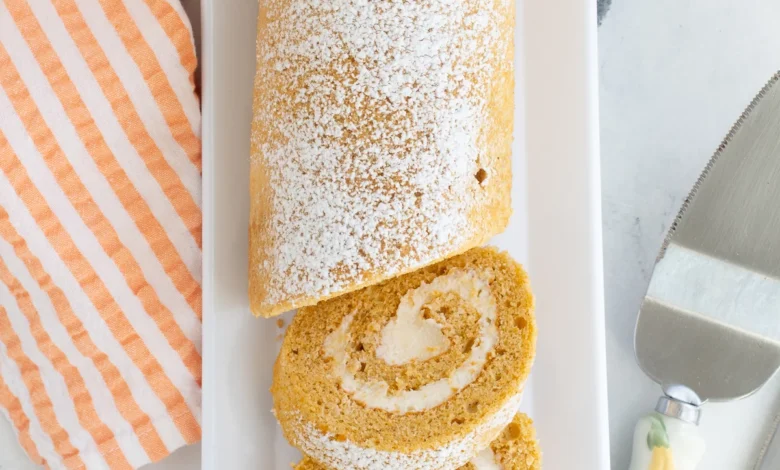
The seasonal transition into autumn often brings a renewed focus on traditional baking, with the pumpkin roll—a spiced chiffon sponge encased in a tangy cream cheese filling—serving as a centerpiece for many holiday tables. While this dessert is a staple of Thanksgiving celebrations across North America, it has historically presented significant technical challenges for home bakers, most notably the tendency for the delicate sponge to crack during the rolling process. Recent advancements in culinary techniques, however, have introduced a simplified methodology that eliminates the traditional, labor-intensive "roll-it-warm, unroll, and reroll" cycle. By leveraging the physical properties of a chiffon sponge and strategic moisture management, home bakers can achieve a professional-grade roulade with significantly reduced risk of structural failure.
The Science of the Chiffon Sponge
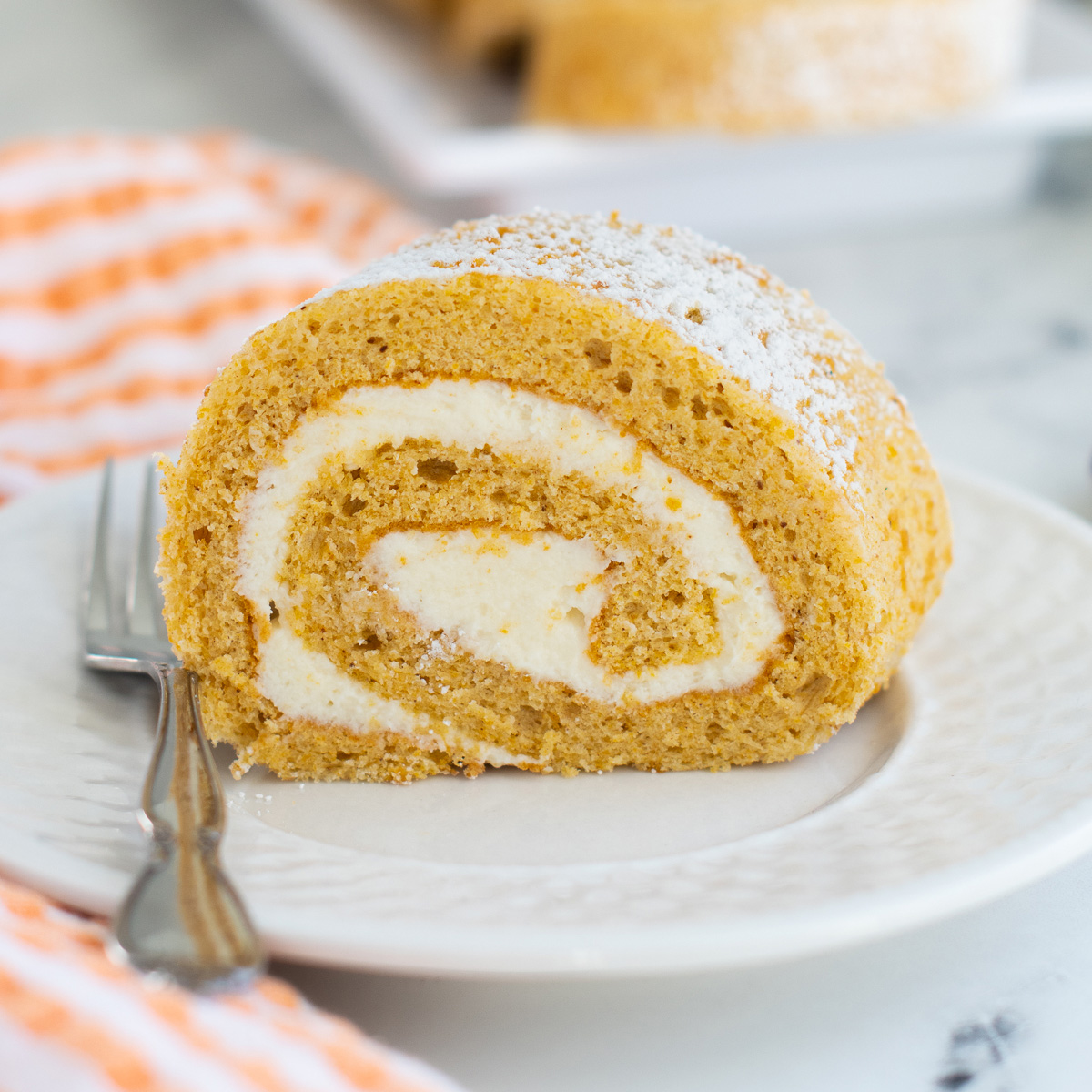
The structural integrity of a roll cake, or roulade, is entirely dependent on the flexibility of the crumb. A standard sponge cake often lacks the elasticity required to withstand the mechanical stress of being rolled into a tight spiral. In contrast, the chiffon method utilizes a high proportion of whipped egg whites, which introduces a substantial volume of air into the batter. This results in a cake that is not only aerated and light but also remarkably supple.
From a culinary science perspective, the chiffon sponge maintains its flexibility because it relies on a delicate balance of proteins and fats. When properly executed, the cake acts as a flexible membrane. The transition from a flat sheet to a cylindrical shape requires the internal structure to compress on the inside of the curve and stretch on the outside. If the cake is too brittle—often the result of over-baking or an incorrect flour-to-egg ratio—the surface will inevitably fissure. By maintaining a specific moisture content within the sponge, the cake remains ductile, allowing for a single, seamless roll that preserves the aesthetic integrity of the dessert.
The Evolution of Rolling Techniques
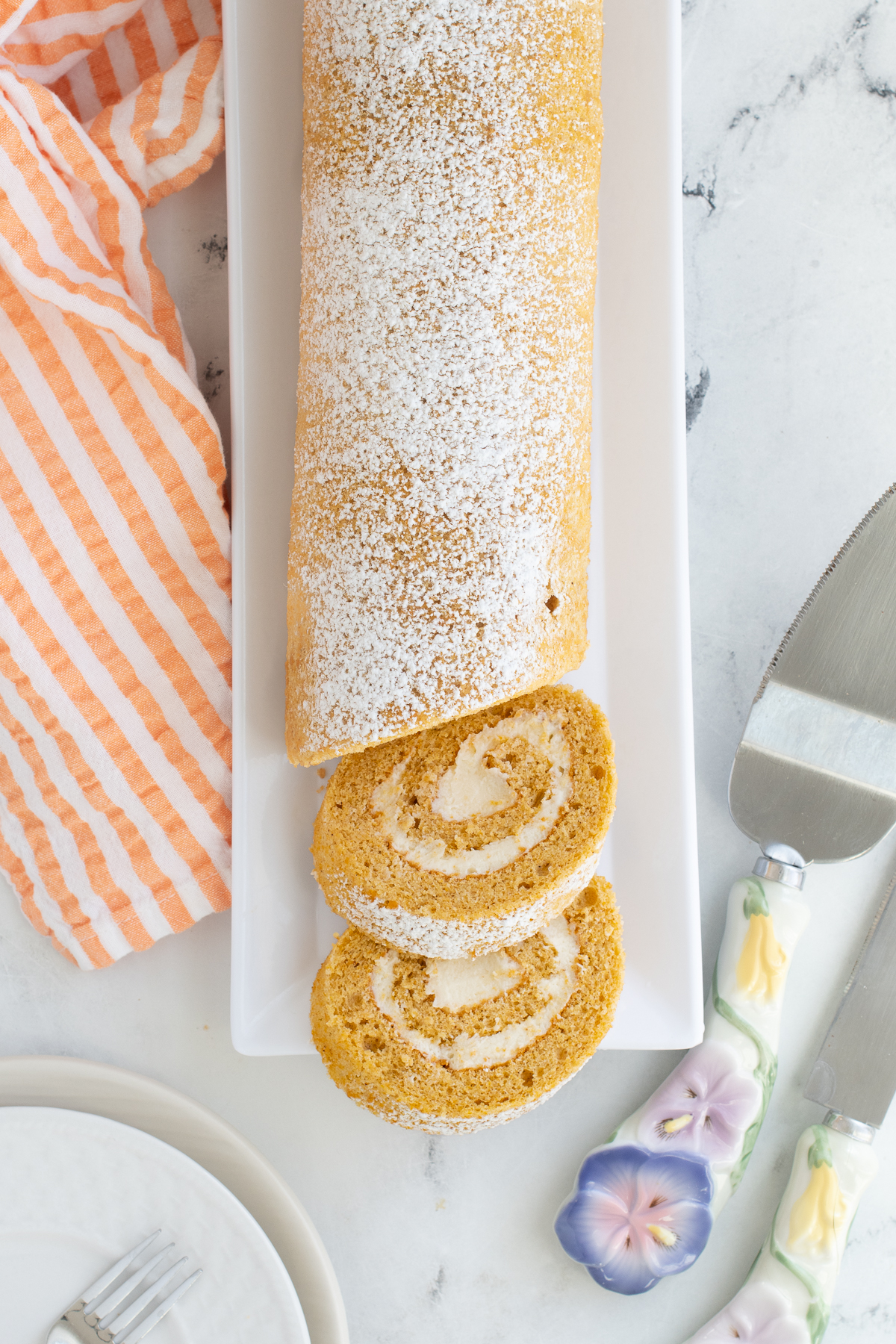
For decades, the standard procedure for crafting a pumpkin roll has been to roll the warm cake in a tea towel, allow it to cool in that compressed state, unroll it to spread the filling, and then reroll it once more. This process was designed to "train" the starches to hold the cylindrical shape. However, this method is fundamentally flawed, as it subjects the cake to multiple rounds of manipulation, increasing the probability of cracking with each movement.
Modern culinary analysis suggests that the "unroll and reroll" method is unnecessary. By covering the cake with a clean, damp-proof towel immediately upon removal from the oven, bakers can trap residual steam. This steam prevents the surface of the cake from drying out—a common precursor to cracking—and ensures the sponge remains at a pliability level that allows for a single, final roll. This shift in workflow not only reduces the potential for breakage but also decreases the hands-on preparation time by approximately 30 minutes, allowing for a more efficient kitchen environment during busy holiday preparations.
Culinary Chronology and Execution
The preparation of a professional-quality pumpkin roll is a precise exercise in timing and temperature control. For optimal results, the process is divided into three distinct phases: batter preparation, baking, and assembly.
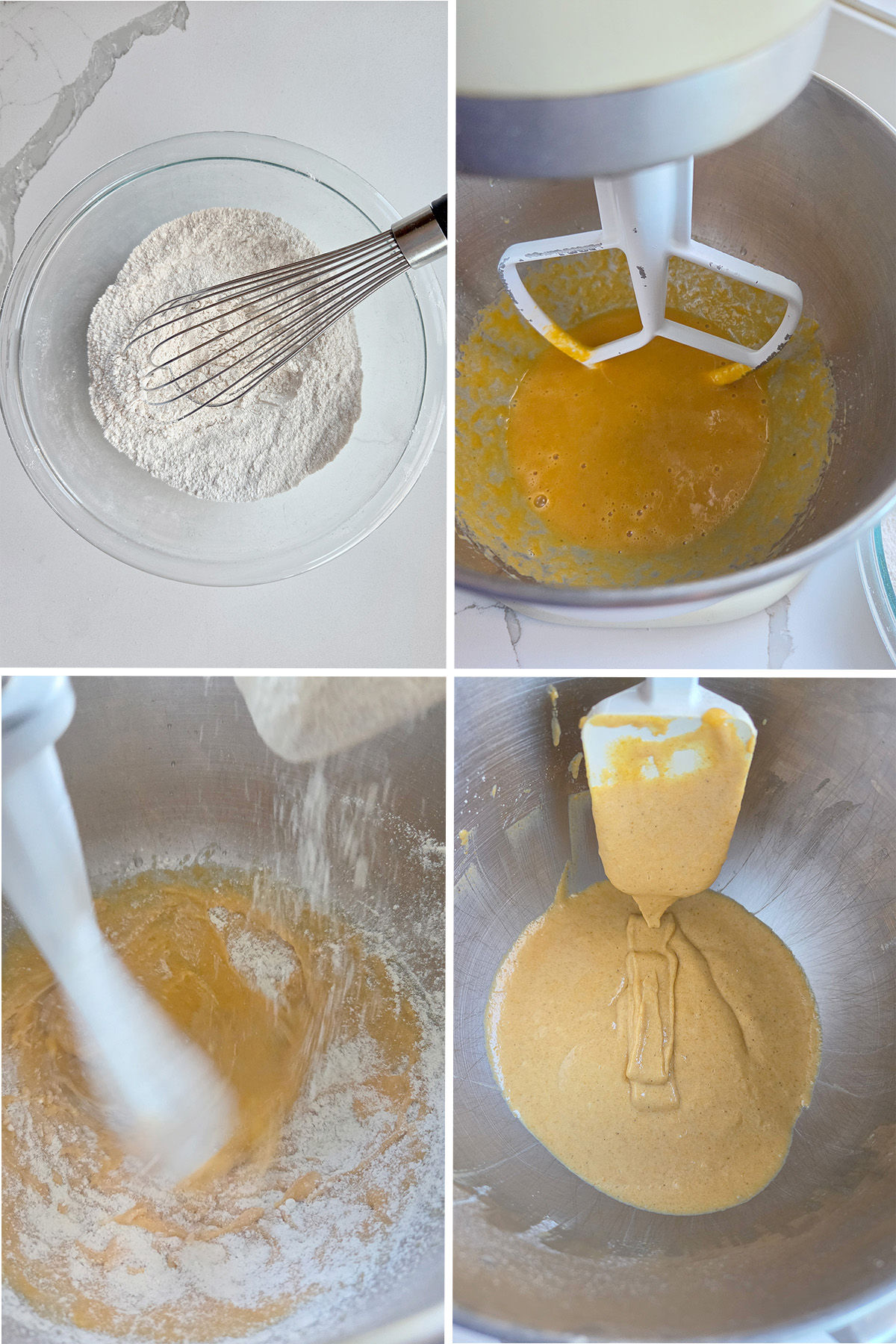
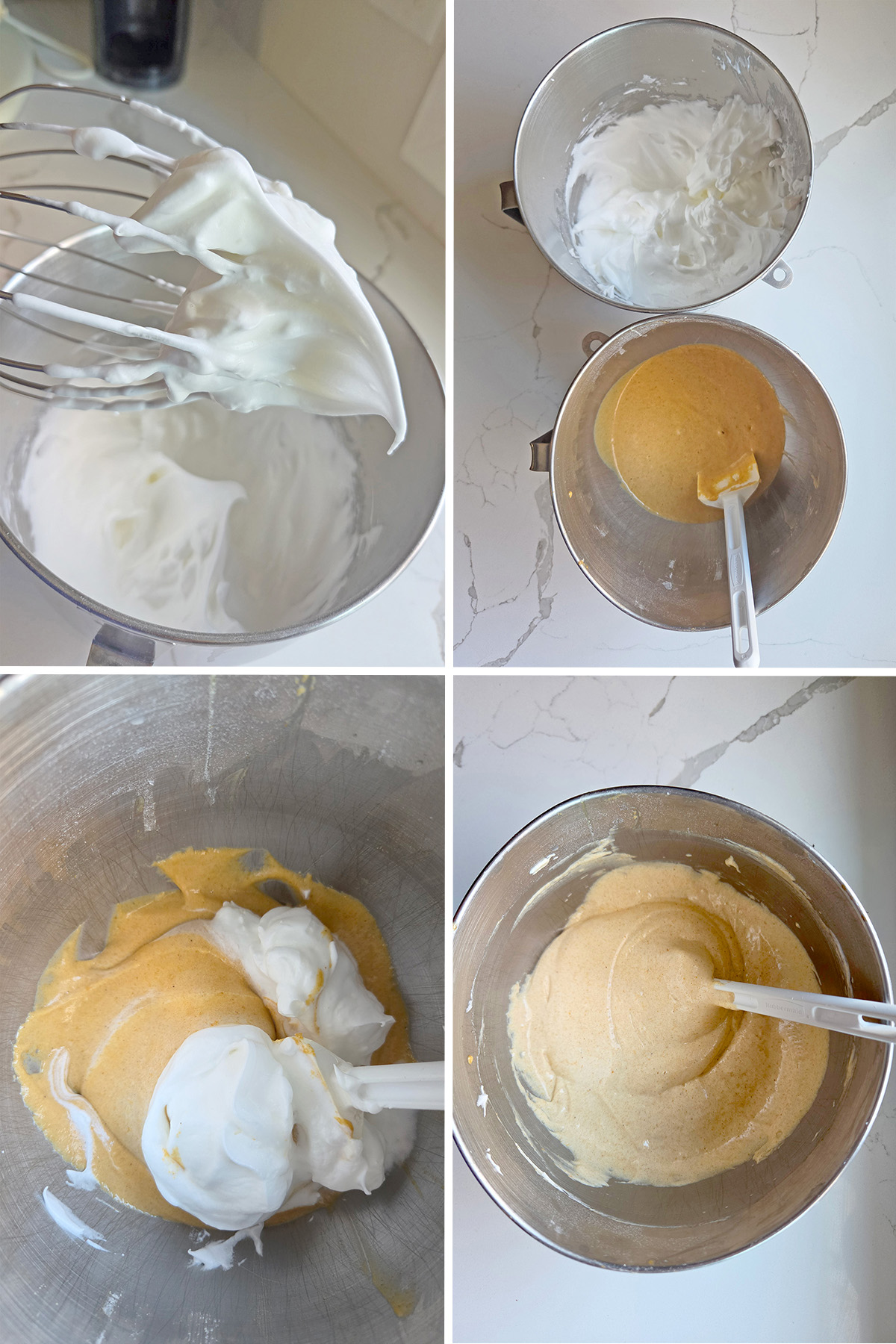
- Batter Aeration (Phase One): The foundation of the chiffon base involves the careful folding of whipped egg whites into the spiced pumpkin mixture. This stage is critical; if the whites are under-whipped, the cake will lack the necessary lift; if over-whipped, the batter will lose its elasticity.
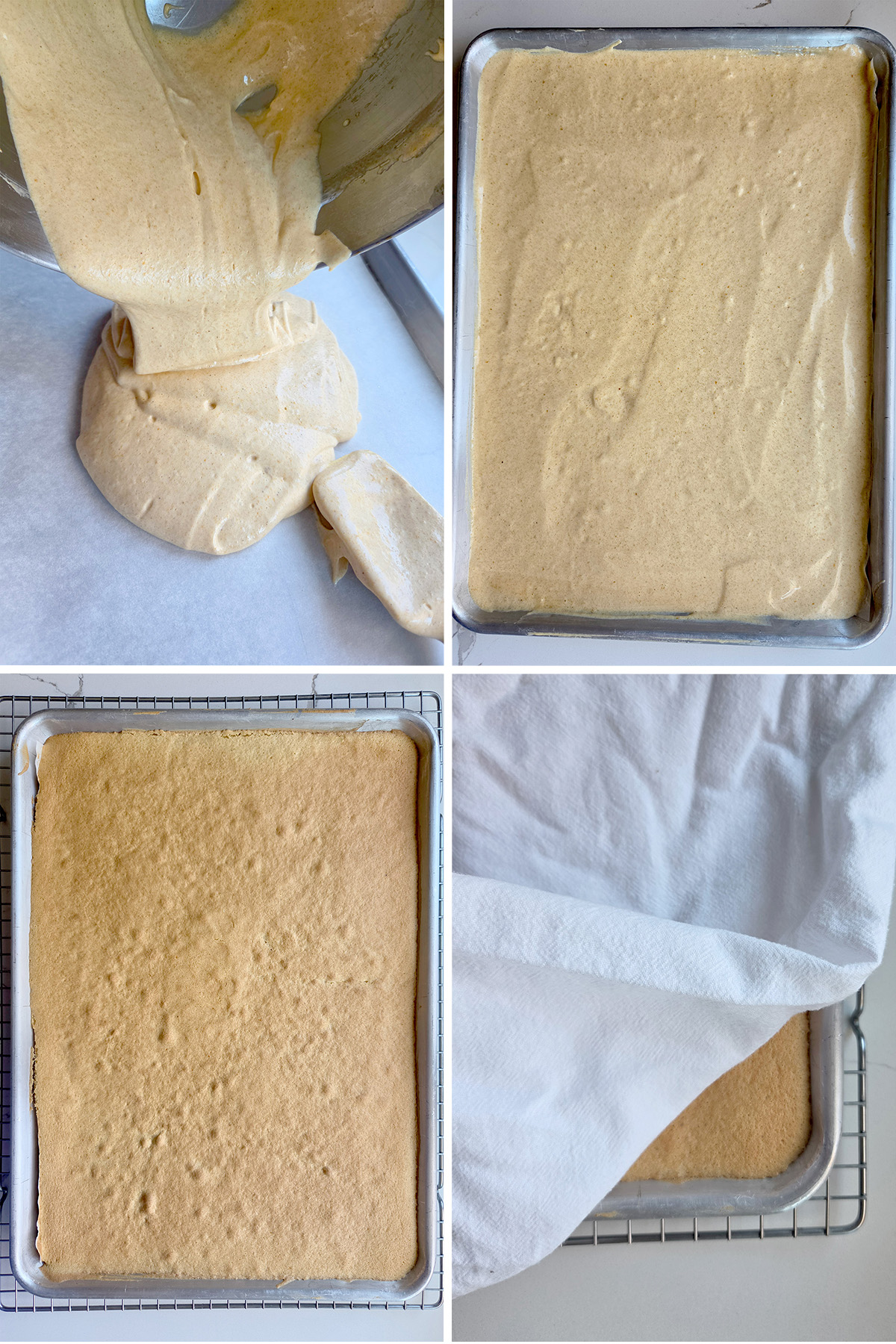
- The Baking Window (Phase Two): With a bake time typically restricted to 12 minutes at moderate temperatures, the margin for error is slim. The cake must be baked until the center is firm to the touch but not dried out.
- The Moisture Lock (Phase Three): Immediately upon extraction from the oven, the cake must be protected. The use of a towel to capture steam acts as a conditioning agent for the crumb, ensuring that when the filling is applied, the sponge is receptive to the pressure of the roll.
Market Trends and Consumer Behavior
The rising popularity of the pumpkin roll in recent years is reflected in broader food consumption trends. According to market data from the baking industry, interest in "made-from-scratch" holiday desserts has seen a steady uptick since 2020. This shift is attributed to an increased interest in home-based hobbies and the desire for high-quality, personalized holiday fare. Furthermore, the ability to prepare these cakes in advance has made them a popular choice for large-scale gatherings like Thanksgiving.
When stored correctly, an assembled pumpkin roll can maintain its quality for up to three days in a refrigerated environment. For those looking to manage their time even more effectively, the dessert is remarkably freezer-stable. When wrapped in airtight plastic and kept at freezing temperatures, a roll can be preserved for up to one month without significant degradation in texture or flavor. The key to successful freezing is the gradual defrosting process, which should occur slowly in the refrigerator to prevent the condensation that might otherwise compromise the delicate cream cheese filling.
Addressing Common Technical Failures
Despite the implementation of improved techniques, home bakers occasionally encounter issues. A critical analysis of these failures points toward three recurring culprits:
- Overbaking: This remains the primary cause of cracking. Once the cake loses too much moisture, the proteins become rigid. Even with a perfect rolling technique, a dry sponge will shatter under pressure.
- Inadequate Chilling: The cream cheese filling is designed to provide the structural "glue" that keeps the roll in its shape. If the roll is not sufficiently chilled before being sliced, the filling remains too fluid, causing the layers to slide and the slices to lose their form.
- Filling Density: The ratio of sugar to cream cheese in the filling is essential. If the filling is too heavy or contains too much moisture, it can weigh down the sponge and cause the roll to collapse under its own weight.
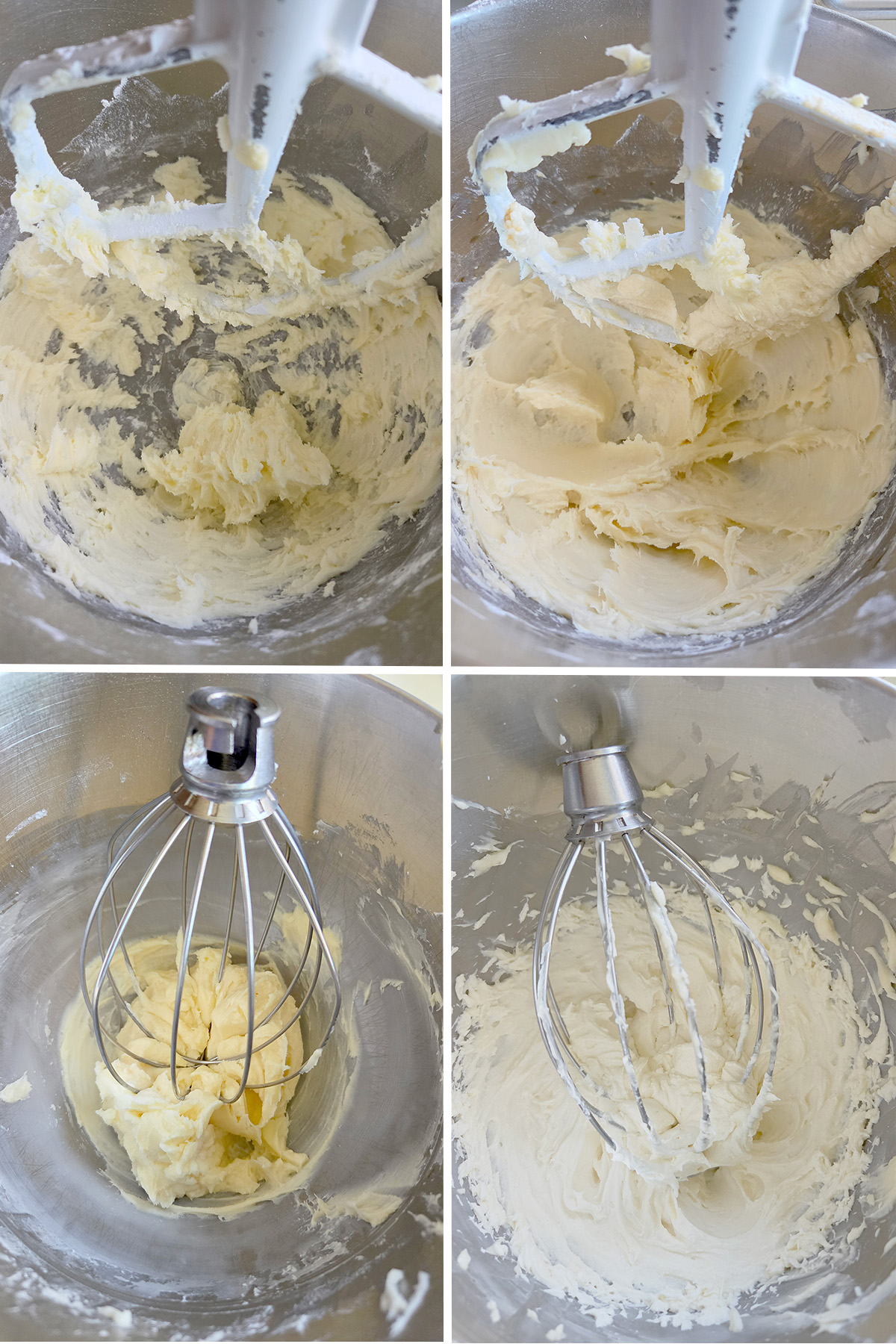
Experts in the culinary field emphasize that these variables are controllable. By ensuring that the cream cheese is at the appropriate temperature—typically room temperature for smooth incorporation, then chilled for structural stability—the baker can ensure that the roll maintains its shape from the first slice to the last.
The Role of Ingredients in Structural Integrity
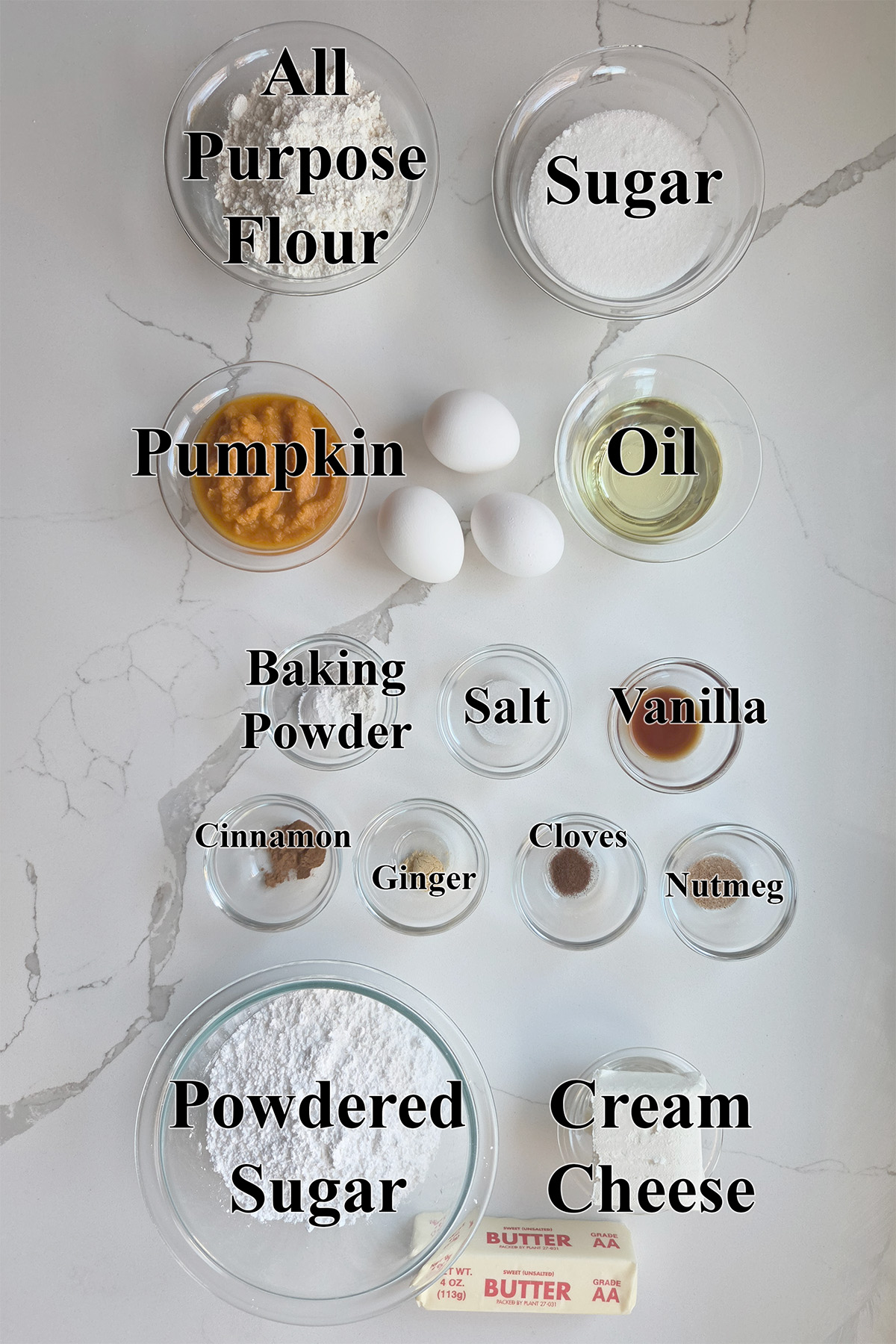
The chemical composition of the ingredients plays a significant role in the final output. Pumpkin puree, while adding essential flavor and color, introduces a high level of moisture. Balancing this moisture with the correct amount of dry ingredients, such as cake flour, is paramount. Cake flour, which has a lower protein content than all-purpose flour, is preferred for this application as it produces a finer, more delicate crumb that is less prone to tough structural development.
Furthermore, the inclusion of spices such as cinnamon, ginger, and cloves does more than provide the characteristic autumn profile; these spices interact with the fats in the cake, contributing to a rich mouthfeel. The integration of these ingredients into the chiffon base must be done with precision, as an uneven distribution can lead to localized dense spots that disrupt the uniformity of the roll.
Implications for Holiday Catering
The transition to this streamlined, low-stress method of producing pumpkin rolls has broader implications for both home cooks and small-scale caterers. By minimizing the risk of failure, bakers can produce larger quantities of the dessert with higher consistency. This reliability is essential for those preparing for events where presentation is as important as taste.
As the industry continues to evolve, the focus on "baking science" over traditional intuition is becoming more prevalent. By understanding the underlying physics of why a cake rolls or cracks, the home baker moves from following rigid, often-flawed instructions to mastering a technique that can be applied to other forms of roulades and sponge-based desserts. This intellectual shift in the kitchen—viewing baking as a series of chemical and physical interactions rather than a set of abstract rules—is the hallmark of the modern culinary enthusiast.
In conclusion, the successful preparation of a pumpkin roll is not merely a matter of luck but a result of controlled conditions and an understanding of ingredient properties. Through the use of a chiffon base, careful moisture management during the cooling process, and strategic chilling, the home baker can effectively bypass the common pitfalls that have historically plagued this classic dessert. As the holiday season approaches, these techniques provide a reliable pathway to achieving a visually striking, structurally sound, and delicious centerpiece that meets the highest standards of culinary excellence.