Weekend Culinary Inspiration: Three Refreshing Clear Vegetable Soup Recipes to Warm Family Gatherings

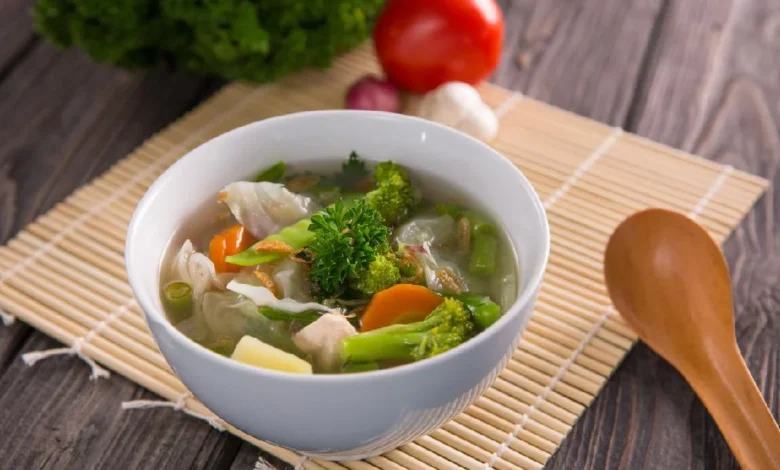
The tradition of gathering over a home-cooked meal remains a cornerstone of family bonding, particularly during weekend respite from fast-paced urban routines. As households across Jakarta and beyond look for ways to nourish both body and soul, culinary experts increasingly emphasize the value of wholesome, plant-forward dishes that are both easy to prepare and rich in essential nutrients. Among the most enduring staples of Indonesian home cooking is the category of clear vegetable soups, universally known as sayur bening. These light yet flavorful broths offer an ideal canvas for a variety of seasonal vegetables, providing a comforting culinary experience that appeals to all age groups.
In recent years, nutritional surveys and public health campaigns have continuously underscored the importance of incorporating diverse dietary fibers, vitamins, and minerals into daily family menus. Clear vegetable soups naturally align with these dietary goals, allowing for high water intake, minimal saturated fats, and maximum retention of water-soluble vitamins found in fresh produce. When paired with practical side dishes such as pan-fried tempeh or traditional egg omelets, these soups form a balanced, cost-effective, and deeply satisfying meal that honors local culinary traditions while meeting modern nutritional standards.
Background Context and Nutritional Value of Clear Vegetable Soups
The historical roots of sayur bening run deep in Indonesian archipelago cuisine. Developed largely out of the need to utilize local harvests efficiently, these soups traditionally rely on fresh produce sourced from nearby agricultural plots. Unlike heavy coconut milk-based gravies or intense spice-paste dishes, clear vegetable broths are designed to highlight the natural sweetness and crisp textures of ingredients like spinach, loofah, and root vegetables.
Dietary analysts point out that regular consumption of clear vegetable broths contributes significantly to hydration and electrolyte balance, especially in tropical climates. The inclusion of green leafy vegetables, such as spinach, introduces vital iron, calcium, and vitamins A, C, and K, which support immune function and bone health. Meanwhile, root vegetables like carrots and potatoes supply complex carbohydrates and beta-carotene, promoting ocular health and sustained energy levels without the sluggishness often associated with heavy weekend dining.
Culinary experts and nutritionists suggest that weekend cooking serves a dual purpose: it offers a therapeutic break from weekday convenience foods and acts as a practical way to educate younger generations about healthy eating habits. Preparing these meals collaboratively transforms cooking from a routine chore into a shared family activity.
Detailed Preparation Guide: Three Signature Clear Soup Recipes
To assist home cooks in diversifying their weekend menus, culinary professionals have refined three distinct recipes that showcase the versatility of clear vegetable broths. Each recipe utilizes accessible ingredients and straightforward techniques suitable for cooks of varying experience levels.
- Sweet Corn and Spinach Clear Soup (Sayur Bening Bayam Jagung Manis)
This classic variation combines the earthy flavor of fresh spinach with the natural sweetness of sweet corn kernels, creating a balanced flavor profile that is particularly popular among children.
Ingredients and Preparation:
While specific measurements can be adjusted to taste, the core components typically involve fresh spinach leaves meticulously washed and plucked from their stems, alongside sweet corn cut straight from the cob or separated as loose kernels. The broth is typically flavored with shallots, garlic, and a touch of fresh temu kunci (fingerroot) for a characteristic aromatic depth that defines traditional Javanese clear spinach soup.
Cooking Process:
The preparation begins by bringing a measured volume of water to a gentle boil, infused with the sliced aromatics and fingerroot. Once the aromatic base releases its fragrance, the sweet corn is added first to allow its natural starches to slightly sweeten the broth and soften. Finally, the spinach leaves are introduced right before turning off the heat, ensuring the greens retain their vibrant color and crisp-tender texture without becoming overcooked.
- Loofah and Glass Noodle Clear Soup (Sayur Oyong Soun)
Loofah, locally known as oyong, is celebrated for its spongy texture and ability to absorb savory broths. When combined with delicate glass noodles (soun) and carrots, it creates a comforting dish with contrasting textures.
Ingredients:
- 1 fresh loofah (oyong), peeled and sliced into thick rounds
- 1 carrot, peeled and sliced into thick rounds
- 1 small packet of glass noodles (soun), soaked in hot water until softened and drained
- 1.5 liters of water
Aromatic and Seasoning Blend:
- 5 shallots, thinly sliced
- 2 cloves of garlic, thinly sliced
- 1 tablespoon powdered mushroom bouillon
- 1 teaspoon salt
- 1 teaspoon granulated sugar
Step-by-Step Cooking Instructions:
-
Begin by thoroughly washing the loofah, removing the outer ridges and skin, and cutting it into bite-sized pieces according to preference.
-
In a separate bowl, soak the glass noodles in hot water until fully softened, then drain and set aside.
-
Heat a small amount of cooking oil in a pot and sauté the sliced shallots and garlic until they turn golden brown and emit a rich aroma.
-
Carefully pour in the 1.5 liters of water, bring the mixture to a boil, and add the sliced carrots.
-
Allow the carrots to cook until they reach a semi-soft consistency, then introduce the sliced loofah to the boiling broth.
-
Once all the vegetables have achieved an even, tender texture, gently fold in the prepared glass noodles.
-
Season the soup with powdered mushroom bouillon, salt, and granulated sugar to balance the savory notes.
-
Bring the entire mixture to a final boil to meld the flavors, then remove from heat and serve warm.
-
Classic Clear Mixed Vegetable Soup (Sayur Sop Bening)
For a heartier option that incorporates a wider variety of garden produce, the classic clear mixed vegetable soup provides a nourishing blend of textures and colors, prepared here without the addition of heavy red meats.
Ingredients:
- 1 tablespoon margarine
- 1 clove garlic, finely minced
- 30 grams yellow onion, finely minced
- 100 grams pre-boiled chicken meat, shredded or diced
- 1 liter chicken broth
- 1 potato, peeled and cubed
- 1 carrot, peeled and sliced
- 5 string beans, cut into short segments
- 100 grams broccoli, separated into individual florets
- 10 snow peas, trimmed at the ends
- 100 grams cabbage, coarsely chopped
Seasoning Components:
- 2 tablespoons mushroom bouillon
- 1/2 teaspoon ground black pepper
- 1/4 teaspoon ground nutmeg
- 2 teaspoons salt
Garnish:
- 2 tablespoons crisp fried shallots
Step-by-Step Cooking Instructions:
- Melt the margarine in a deep soup pot over medium heat, then sauté the minced garlic and yellow onion until translucent and fragrant.
- Add the pre-boiled chicken pieces to the aromatic base, stirring well to absorb the flavors.
- Pour in the chicken broth and bring the liquid to a rolling boil.
- Add the cubed potatoes and sliced carrots first, as they require a longer cooking time, simmering until they are nearly tender.
- Introduce the string beans, broccoli florets, snow peas, and chopped cabbage to the pot.
- Season the soup with mushroom bouillon, ground pepper, ground nutmeg, and salt.
- Reduce the heat to low and simmer gently until all vegetables are thoroughly tender and the flavors are fully integrated.
- Ladle into serving bowls, garnish with crisp fried shallots, and serve hot alongside side dishes such as fried tempeh or golden egg omelets.
Socioeconomic Implications and Culinary Trends
The enduring popularity of home-cooked clear soups reflects broader shifts in household economics and lifestyle preferences. Amid fluctuating food prices and heightened awareness of health and wellness, preparing meals from scratch has emerged as a resilient strategy for families seeking to optimize their food budgets while maintaining nutritional quality. Culinary analysts note that traditional recipes utilizing local, seasonal produce are seeing a resurgence across urban centers, driven by a desire for authenticity and dietary simplicity.
Furthermore, the integration of quick side dishes like tempeh goreng kemul or traditional egg preparations highlights the adaptability of Indonesian dining culture. These accompaniments provide essential proteins and fats that complement the low-calorie nature of clear vegetable broths, ensuring a complete and satisfying nutritional profile for every family member. As weekend routines continue to evolve, the shared preparation and enjoyment of wholesome soups stand out as a timeless practice that fosters community, health, and culinary preservation within the modern household.
Related posts: