Tahu Telur: Unpacking the Culinary Heritage and Economic Significance of Surabaya’s Iconic Tofu Omelette Dish

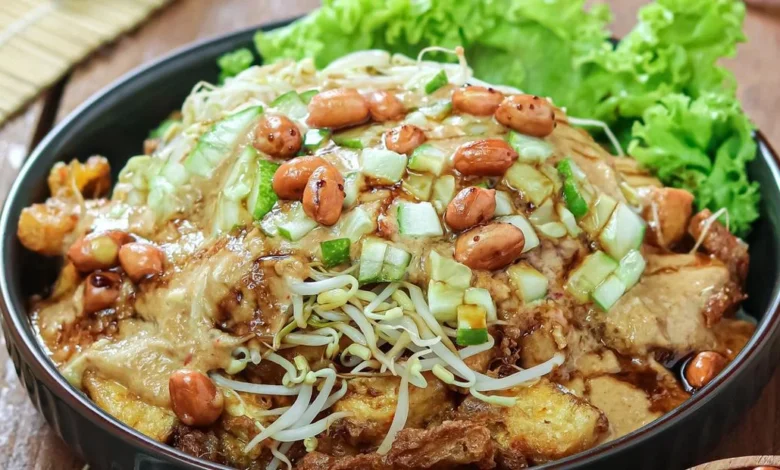
The bustling culinary landscape of East Java, particularly Surabaya, is home to a myriad of traditional delights, among which Tahu Telur stands as a revered and popular staple. This unique dish, characterized by its deceptively simple yet profoundly flavorful combination of fried tofu and egg, served doused in a rich peanut and shrimp paste sauce, embodies the vibrant spirit of Indonesian street food culture and offers a compelling narrative of local heritage, economic resilience, and culinary innovation. While often compared to its close relative, Tahu Tek, Tahu Telur distinguishes itself through the presentation of its key components, offering a distinct textural and gustatory experience that has captivated generations of diners.
The Anatomy of Tahu Telur: A Culinary Deconstruction
At its core, Tahu Telur is a harmonious blend of humble ingredients elevated to an extraordinary gastronomic experience. The dish typically features cubes of soft tofu, often pre-fried to achieve a slightly crisp exterior and a creamy interior, which are then whisked vigorously with eggs before being pan-fried into a rustic, golden omelette. This preparation method ensures that the tofu maintains its structural integrity while seamlessly integrating with the egg, creating a unique texture that is both firm and tender. The resultant omelette serves as the canvas for the dish’s signature sauce: a robust and complex concoction of ground roasted peanuts, garlic, chili, palm sugar, and a crucial ingredient known as petis udang (shrimp paste). This dark, viscous paste, derived from fermented shrimp, imparts a distinctive umami depth and a subtle sweetness that is indispensable to the authentic flavor profile of Tahu Telur.
Beyond the primary components, the dish is meticulously adorned with an array of fresh accompaniments designed to enhance its textural variety and refresh the palate. A generous scattering of taoge pendek (short bean sprouts) adds a crisp, refreshing counterpoint, while a drizzle of kecap manis (sweet soy sauce) introduces an additional layer of sweetness and gloss. The ensemble is invariably completed with a scattering of crispy kerupuk (fried crackers), which provide an essential crunch and serve as a perfect vehicle for scooping up the rich sauce. Traditionally, Tahu Telur is served alongside lontong (compressed rice cakes) or steamed white rice, both providing a neutral base that absorbs the sauce beautifully and ensures a satisfying, wholesome meal.
Historical Roots and Cultural Evolution
The history of Tahu Telur is intrinsically linked to the broader culinary evolution of Indonesia, particularly the island of Java. Tofu itself, introduced to Indonesia centuries ago by Chinese immigrants, quickly became a dietary staple due to its affordability, versatility, and nutritional value. Over time, local communities adapted tofu into countless indigenous dishes, reflecting regional tastes and available ingredients. The emergence of Tahu Telur, specifically in Surabaya, East Java, can be traced back to the burgeoning street food culture that has long defined Indonesian urban centers. As cities grew, so did the demand for quick, delicious, and inexpensive meals, leading to the proliferation of hawker stalls and mobile food carts.
While precise historical records are scarce, culinary historians suggest that dishes like Tahu Telur evolved organically, likely from simpler preparations of fried tofu and eggs, gradually incorporating the rich, flavorful peanut sauce that is a hallmark of many Javanese dishes. The unique addition of petis udang to the peanut sauce is a particularly strong indicator of its East Javanese origin, as this ingredient is heavily featured in the region’s cuisine. The dish’s differentiation from Tahu Tek, where tofu and eggs are typically chopped and mixed after frying, speaks to a subtle but significant culinary choice that evolved over time, possibly to offer a distinct presentation or texture. Similarly, while it shares some superficial similarities with Ketoprak, a Betawi (Jakarta) dish that also features tofu, rice vermicelli, and peanut sauce, Tahu Telur conspicuously omits the vermicelli, further cementing its unique identity within the vast spectrum of Indonesian street food. This evolution underscores a continuous process of culinary innovation and adaptation, driven by both local preferences and the availability of ingredients.
The Craft of Creation: Mastering the Tahu Telur Recipe
Preparing an authentic Tahu Telur, while seemingly straightforward, requires a nuanced understanding of each component. The selection of fresh, high-quality ingredients is paramount. For the tofu, firm or extra-firm varieties are preferred, as they hold their shape well after frying. The eggs should be fresh, and the bean sprouts crisp. The heart of the dish, the peanut sauce, demands attention. Traditionally, raw peanuts are dry-roasted until fragrant, then ground into a paste, often using a mortar and pestle (cobek ulekan) to achieve the desired texture and release their natural oils. This process, though laborious, is believed to yield a more authentic flavor compared to using pre-ground peanut butter.
The petis udang is another critical element; its quality directly impacts the sauce’s depth. There are various grades of petis, with the richer, darker varieties generally preferred for Tahu Telur. Other sauce ingredients typically include fresh red chilies (adjusted to taste), garlic, a pinch of salt, palm sugar for sweetness, and a splash of tamarind juice for a tangy balance. These are traditionally ground together with the peanuts and petis, then thinned with a little hot water to achieve the desired consistency.
For the tofu-egg omelette, the tofu is first cut into small cubes, then lightly seasoned and mixed with beaten eggs. This mixture is then pan-fried in hot oil until golden brown and cooked through, often in a relatively thick disc, before being cut into pieces. The assembly involves arranging the cooked omelette pieces on a plate, topping them generously with the bean sprouts, then drenching the entire dish with the freshly prepared peanut-petis sauce. A final flourish of sweet soy sauce and crispy crackers completes the masterpiece, ready to be served hot with lontong or rice.
A Symphony of Flavors: The Role of Petis Udang and Peanut Sauce
The distinctive taste of Tahu Telur largely hinges on the interplay between its two primary flavor drivers: the rich, savory petis udang and the complex, nutty peanut sauce. Petis udang, often overlooked by those unfamiliar with Indonesian cuisine, is a culinary marvel in itself. Produced primarily in coastal areas of East Java, such as Sidoarjo and Gresik, it is the byproduct of shrimp processing, where the liquid extracted during the boiling of shrimp or fish is reduced and caramelized into a thick, dark, and intensely flavored paste. The fermentation process contributes a profound umami, a savory depth that can transform a simple dish into an extraordinary one. Its unique aroma and flavor are integral to many East Javanese specialties, making Tahu Telur a true regional ambassador.
The peanut sauce, meanwhile, provides the creamy, earthy backbone of the dish. Unlike some simpler peanut sauces, the one for Tahu Telur is designed to be robust and multidimensional. The roasting of the peanuts prior to grinding enhances their natural sweetness and nuttiness, while the addition of chilies provides a controlled heat. Garlic contributes pungency, palm sugar balances the heat and saltiness with its caramel notes, and tamarind adds a crucial sour counterpoint, preventing the sauce from becoming cloyingly rich. The marriage of these ingredients with the potent petis udang creates a sauce that is simultaneously sweet, savory, spicy, tangy, and profoundly umami – a flavor profile that is quintessentially Indonesian and deeply satisfying.
Economic and Social Impact
Beyond its culinary appeal, Tahu Telur plays a significant role in the local economy and social fabric of East Java. It is predominantly sold by street vendors (pedagang kaki lima) and small warungs (local eateries), providing livelihoods for countless individuals and families. These micro-entrepreneurs often source their ingredients locally, supporting tofu producers, peanut farmers, vegetable growers, and petis manufacturers within the regional supply chain. The affordability of Tahu Telur makes it accessible to a wide demographic, cementing its status as a democratic food – a delicious and nutritious meal that everyone can enjoy, regardless of economic standing.
The preparation and sale of Tahu Telur also fosters community spirit. Vendors often become familiar faces in their neighborhoods, building relationships with regular customers. The act of sharing a meal of Tahu Telur with friends or family at a street stall is a common social ritual, reflecting the communal aspect of Indonesian dining. This economic activity, though seemingly small-scale, contributes collectively to regional prosperity, demonstrating how traditional foodways can sustain local economies and preserve cultural identity.
Tahu Telur as a Culinary Ambassador: Tourism and Global Recognition
As Indonesia increasingly positions itself as a global culinary destination, dishes like Tahu Telur serve as vital cultural ambassadors. For domestic and international tourists visiting Surabaya, sampling authentic Tahu Telur is often highlighted as a must-do experience. Its unique flavor profile and traditional preparation methods offer a genuine glimpse into the local way of life and culinary heritage. Culinary tourism initiatives, often supported by local governments and tourism boards, frequently feature Tahu Telur in food tours and cultural events, aiming to elevate its profile and attract more visitors to the region.
The growing interest in authentic, regional cuisines globally also presents an opportunity for Tahu Telur to gain wider international recognition. While less known globally than dishes like Nasi Goreng or Rendang, its distinctiveness and the story behind its ingredients and preparation offer a compelling narrative that resonates with food enthusiasts seeking genuine culinary experiences. Efforts by culinary experts and food bloggers to document and promote such traditional dishes contribute significantly to their broader appreciation and potential for global outreach.
Nutritional Profile and Dietary Considerations
From a nutritional perspective, Tahu Telur offers a balanced blend of macronutrients. Tofu and eggs are excellent sources of protein, essential for muscle repair and growth. Peanuts contribute healthy fats, including monounsaturated and polyunsaturated fats, as well as protein and fiber. The lontong or rice provides complex carbohydrates for energy, while the bean sprouts offer vitamins, minerals, and additional fiber. While the sauce can be calorie-dense due to the peanuts and palm sugar, it is typically consumed in moderate portions.
For those with dietary restrictions, Tahu Telur can be adapted. Vegetarians would need to ensure the petis udang is either omitted or substituted with a vegetarian alternative, though this would alter the authentic flavor profile significantly. Spice levels are also customizable; vendors can adjust the amount of chili according to customer preference. Given its rich flavors and satisfying components, Tahu Telur offers a wholesome and fulfilling meal option within the vibrant Indonesian culinary landscape.
The Future of a Classic: Innovation and Preservation
The continued popularity of Tahu Telur speaks to its enduring appeal, yet like all traditional dishes, it faces the dual challenges of innovation and preservation. While some modern eateries might experiment with gourmet presentations or alternative protein sources, the essence of Tahu Telur lies in its authenticity and the time-honored techniques passed down through generations. Culinary experts and local authorities often emphasize the importance of safeguarding these traditional recipes, not just for their taste but also for their cultural significance.
Initiatives aimed at educating younger generations about the heritage of dishes like Tahu Telur, through cooking classes or culinary festivals, are crucial. By ensuring that the knowledge of proper ingredient selection and preparation techniques is sustained, the future of this iconic dish can be secured. The demand from both locals and tourists for authentic flavors acts as a powerful incentive for vendors to maintain high standards and adhere to traditional methods, thus preserving Tahu Telur’s legacy as a cherished symbol of East Javanese culinary prowess.
In conclusion, Tahu Telur is far more than just a simple meal; it is a culinary masterpiece that encapsulates the rich history, vibrant culture, and resilient economy of Surabaya and East Java. From its humble origins as a street food staple to its current status as a celebrated regional dish, Tahu Telur continues to delight palates, sustain livelihoods, and serve as a proud emblem of Indonesian gastronomic heritage. Its intricate flavors, cultural depth, and economic impact underscore its profound significance, cementing its place as an enduring icon in the diverse world of Indonesian cuisine.
Related posts: