Indonesian Culinary Traditions Elevate Simple Spinach Into Rich Coconut Milk Bobor With Chayote

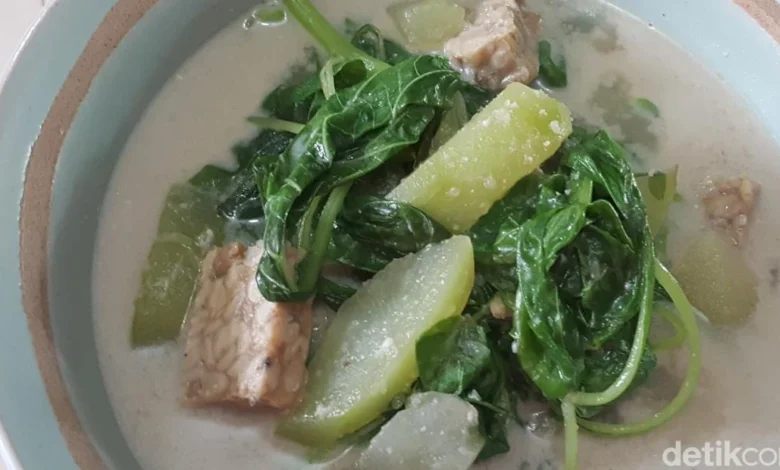
The landscape of Indonesian home-cooked cuisine is characterized by an extraordinary ability to transform humble, everyday ingredients into deeply comforting and nutritionally balanced meals. Among the vast array of vegetable dishes cherished across the archipelago, spinach, known locally as bayam, holds a prominent place. While the translucent, clear broth version known as sayur bayam remains a ubiquitous staple in households from Sabang to Merauke, an equally celebrated yet richer alternative exists in the form of sayur bobor. This traditional Javanese preparation marries the delicate, iron-rich leaves of spinach with a creamy, spiced coconut milk broth, creating a dish that bridges the gap between everyday simplicity and gastronomic warmth. Culinary historians and cultural anthropologists note that bobor dishes have historically served as a cornerstone of rural Javanese gastronomy. Developed during eras when coconut palms and indigenous root vegetables were abundant, these recipes were designed to maximize caloric intake and nutritional diversity without relying on expensive proteins. The inclusion of ingredients like chayote squash, aromatic galangal, lesser galangal, and coriander reflects a sophisticated understanding of flavor balancing, where earthy, sweet, and savory elements harmonize within a rich lipid base. In contemporary urban settings, particularly in major metropolitan areas such as Jakarta, the resurgence of interest in traditional, comforting home-style cooking has propelled dishes like bobor bayam back into the culinary spotlight. Families seeking respite from processed foods and heavy restaurant fare increasingly turn to these heritage recipes, recognizing their dual value as both comforting comfort food and wholesome nutritional sources. This comprehensive exploration examines the culinary heritage, nutritional profile, step-by-step preparation methodology, and broader cultural significance of Sayur Bobor Bayam Labu Siam, a dish that continues to define the essence of Indonesian domestic hospitality.
Historical Background and Cultural Evolution of Bobor in Javanese Cuisine
To fully appreciate the culinary weight of sayur bobor bayam, one must examine the socio-historical context of Javanese culinary traditions. Originating primarily from the rural heartlands of Central and East Java, bobor was conceived as a practical solution for agrarian communities requiring sustained energy throughout long days of physical labor in the fields. Unlike the clear vegetable soups designed to cleanse the palate after consuming rich meat dishes, bobor functioned as a standalone meal component, often paired simply with steamed rice and salted fish. The term bobor itself refers specifically to a preparation method where vegetables are simmered in a diluted coconut milk broth seasoned with specific aromatic roots. Historically, the choice of vegetables was dictated by seasonal availability and local foraging practices. While spinach and chayote represent modern adaptations commonly found in urban markets, traditional variations often incorporated young cassava leaves, papaya leaves, or melinjo leaves, balanced by the cooling, hydrating properties of squash or gourds. The aromatic foundation—traditionally consisting of shallots, garlic, coriander, and kencur—served not only to enhance flavor but also to aid digestion, leveraging the carminative properties of indigenous rhizomes. As internal migration brought Javanese workers and families to urban centers like Jakarta, these regional recipes were preserved, adapted, and integrated into the broader tapestry of Indonesian national cuisine. Today, bobor is recognized not merely as peasant food, but as a sophisticated expression of Javanese culinary philosophy, emphasizing balance, sustainability, and harmony with nature.
Nutritional Analysis and Health Implications of Spinach and Chayote Soup
Beyond its comforting flavor profile, sayur bobor bayam labu siam offers a remarkable array of nutritional benefits, making it an exemplary dish for health-conscious consumers and families looking to optimize their daily nutrient intake. Green spinach is globally recognized as a powerhouse of essential vitamins and minerals. A standard serving of spinach provides substantial amounts of vitamin A, crucial for ocular health; vitamin C, which supports immune function and collagen synthesis; and vitamin K, essential for proper blood coagulation and bone metabolism. Furthermore, spinach is a notable source of dietary iron and folate, making it particularly beneficial for growing children and pregnant women. The inclusion of chayote squash, or labu siam, introduces additional dietary advantages. Chayote is exceptionally low in calories and carbohydrates while boasting a high water and fiber content, which aids in digestion and promotes satiety. It is also rich in antioxidants, including quercetin, myricetin, and kaempferol, which help neutralize free radicals and reduce inflammation within the body. While the addition of coconut milk introduces saturated fats, culinary nutritionists point out that these are primarily medium-chain triglycerides, which are metabolized differently than long-chain fats, providing a quick source of energy. When consumed as part of a balanced diet that includes complex carbohydrates and lean proteins, sayur bobor contributes significantly to daily vegetable consumption recommendations established by health authorities.
Comprehensive Recipe Specifications for Authentic Sayur Bobor Bayam Labu Siam
Preparing an authentic and delicious bowl of sayur bobor bayam labu siam requires careful attention to ingredient selection, spice balancing, and cooking duration. The following structured recipe outlines the precise methodology required to yield a creamy, aromatic, and perfectly balanced dish for two servings, adhering to traditional Javanese flavor profiles while maintaining modern culinary efficiency.
Preparation Metrics and Classification
- Total Preparation and Cooking Duration: 45 minutes
- Difficulty Level: Beginner-friendly (Easy)
- Yield: 2 generous portions
- Geographic Origin: Central and East Java, Indonesia
- Culinary Category: Traditional Vegetable Soup
Detailed Ingredient Inventory
To achieve the signature depth of flavor characteristic of authentic bobor, the ingredient list is divided into fresh produce, aromatics, and liquids.
- Fresh Produce:
- 2 bunches of fresh green spinach (bayam), washed thoroughly and leaves plucked from the stems.
- 1 medium-sized chayote squash (labu siam), peeled, core removed, and cut into bite-sized matchsticks or cubes.
- Aromatic Spice Paste (Bumbu Halus):
- 3 cloves of shallots.
- 2 cloves of garlic.
- 1 teaspoon of coriander seeds (ketumbar).
- 2 centimeters of lesser galangal (kencur), peeled, which imparts the signature earthy aroma of Javanese bobor.
- 2 centimeters of fresh galangal (laos), bruised.
- 2 stalks of lemongrass (sereh), bruised and tied into a knot.
- 2 bay leaves (daun salam) for herbal depth.
- Liquids and Seasoning:
- 500 milliliters of thin coconut milk (sant cair) for the initial simmering process.
- 200 milliliters of thick coconut milk (santan kental) added toward the end to achieve the creamy texture.
- Salt to taste.
- Palm sugar (gula jawa) or granulated sugar to taste, balancing the savory and aromatic notes with a subtle sweetness.
Step-by-Step Chronological Cooking Methodology
- Preparation of Ingredients: Begin by thoroughly washing the spinach leaves in cold water to remove any residual soil. Drain and set aside. Peel the chayote squash, slice it into uniform pieces, and rub with a small amount of salt to draw out any bitter sap, then rinse thoroughly.
- Creation of the Spice Paste: Using a traditional stone mortar and pestle (cobek) or a modern food processor, grind the shallots, garlic, coriander seeds, and kencur until a smooth, fragrant paste is formed. The traditional grinding method is preferred as it releases the essential oils more effectively than mechanical blending.
- Infusing the Broth: In a medium-sized saucepan or clay pot, combine the thin coconut milk with the ground spice paste, bruised galangal, lemongrass stalks, and bay leaves. Place the pot over medium heat, stirring continuously to prevent the coconut milk from curdling or separating.
- Simmering the Squash: Once the spiced coconut milk reaches a gentle simmer, add the prepared chayote squash pieces. Allow the squash to cook in the flavored liquid for approximately 10 to 12 minutes until it begins to soften, absorbing the aromatic flavors of the broth.
- Incorporating the Spinach: Lower the heat slightly and pour in the thick coconut milk, stirring gently. Season the mixture with salt and palm sugar to taste. Immediately add the plucked spinach leaves. Because spinach cooks exceptionally rapidly, simmer the mixture for no more than 2 to 3 minutes, ensuring the leaves retain their vibrant green color and tender-crisp texture.
- Final Adjustment and Serving: Remove the pot from the heat source immediately to prevent overcooking the spinach and breaking down the coconut milk emulsion. Discard the lemongrass stalks and bay leaves before ladling the hot sayur bobor into serving bowls.
Socio-Economic Impact and Modern Culinary Trends
The enduring popularity of dishes like sayur bobor bayam labu siam within contemporary Indonesian society highlights a broader cultural movement toward the preservation of heritage foods amidst rapid modernization. Culinary experts and food economists observe that traditional recipes serve as an anchor for cultural identity, offering a tangible connection to ancestral roots in an increasingly globalized world. In urban centers, traditional markets and digital platforms alike report steady demand for fresh produce essential for home cooking, driven by a growing demographic of young urbanites rediscovering the joys and economic efficiencies of preparing meals from scratch. Furthermore, the adaptability of recipes such as bobor demonstrates the resilience of Indonesian gastronomy. As dietary preferences evolve—with rising interest in vegetarian, vegan, and plant-based diets—traditional vegetable dishes that naturally avoid animal products are gaining international recognition. Culinary tourism initiatives sponsored by government and private entities increasingly highlight regional home-style cooking as a primary draw for travelers seeking authentic cultural experiences. By documenting, standardizing, and sharing these recipes, culinary historians ensure that the rich heritage of dishes like sayur bobor bayam remains vibrant and accessible for future generations, securing their place in the dynamic evolution of Southeast Asian cuisine.