The Ultimate Morning Culinary Guide: Crafting the Traditional Indonesian Nasi Goreng Ikan Asin for Modern Households

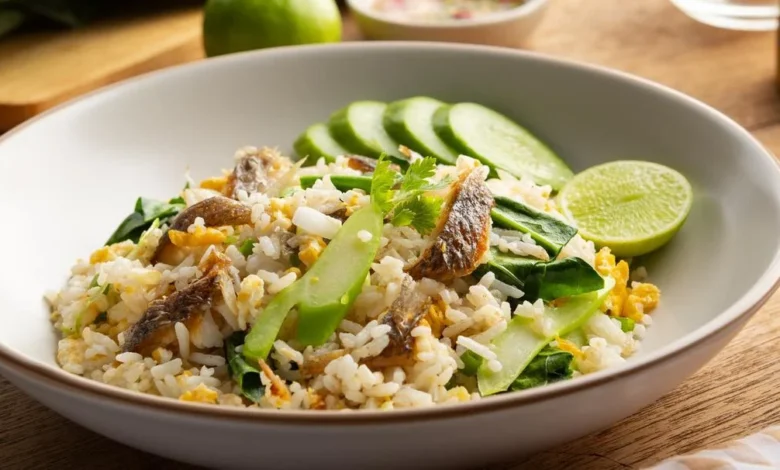
The culinary landscape of Indonesia is globally recognized for its remarkable diversity, with fried rice—universally known as nasi goreng—standing as the undisputed crown jewel of the nation’s comfort food repertoire. While international perceptions of Indonesian fried rice are frequently dominated by versions heavily caramelized with sweet soy sauce, or kecap manis, the domestic culinary tradition encompasses a vast spectrum of regional variations. Among these, savory iterations that omit sweet soy sauce entirely have experienced a notable resurgence in contemporary home kitchens. These simplified yet deeply flavorful preparations often utilize preserved seafood to impart a natural, robust salinity, transforming leftover cooked grains into a sophisticated morning meal. Culinary experts and home economists alike point to this specific style as a testament to the resourcefulness embedded within traditional Indonesian gastronomy, where pantry staples are elevated through precise technique rather than complex ingredient lists.
The historical evolution of nasi goreng reflects centuries of cultural exchange, trade, and domestic adaptation. Originating as a practical method to utilize leftover rice without waste—a common practice throughout various Asian cultures to prevent spoilage in tropical climates—Indonesian fried rice gradually evolved from a humble household necessity into a celebrated national dish. Historically, early preparations relied heavily on basic aromatics such as shallots, garlic, and chili peppers, seasoned with fermented shrimp paste or salted fish. The introduction of sweet soy sauce during the colonial era added a new dimension to coastal and urban preparations, particularly in regions influenced by Chinese trading communities. However, rural and coastal communities across Java maintained the older, savory traditions. In these areas, the absence of sweet soy sauce allows the primary ingredients—most notably high-quality salted fish—to dominate the flavor profile. This minimalist approach aligns closely with modern dietary preferences that favor reduced sugar intake while celebrating authentic, umami-rich flavors derived from traditional preservation methods.
Achieving the optimal balance of textures and flavors in a savory salted fish fried rice requires careful selection of ingredients, particularly the variety of salted fish utilized as the primary protein and seasoning agent. Culinary traditions across the archipelago feature numerous types of salted fish, each offering distinct characteristics in terms of texture, salt content, and aroma. Commonly utilized varieties include teri nasi (small white anchovies), teri jengki, premium teri Medan, robust ikan asin jambal roti, and the distinctively pungent ikan asin peda. Professional chefs recommend treating the salted fish with appropriate preparation techniques—such as soaking in warm water or brief frying—to temper excessive salinity and achieve a crisp exterior before incorporating it into the rice. Furthermore, the inclusion of fresh elements such as crunchy pokcoy (bok choy) and fluffy scrambled eggs provides a necessary textural contrast and nutritional balance, transforming a simple carbohydrate dish into a well-rounded morning meal that delivers sustained energy for the day ahead.
To understand the practical application of these culinary principles, examining a standardized home-scale recipe provides valuable insight into the preparation methodology. The traditional preparation of Nasi Goreng Ikan Asin is classified as an accessible culinary task, typically requiring approximately twenty minutes of active preparation and cooking time. Designed to yield two standard portions, this dish bridges the gap between historical heritage and the fast-paced lifestyle of contemporary urban households. The foundational ingredients necessitate cooked white rice—ideally chilled overnight to reduce moisture content—alongside a curated selection of aromatic elements including sliced shallots, garlic, bird’s eye chilies for heat, and the chosen variety of salted fish. Additional components such as free-range eggs and fresh leafy greens like pokcoy complete the ingredient profile, ensuring a harmonious interplay of savory, spicy, and fresh flavor notes without the need for complex commercial flavor enhancers.
The step-by-step chronology of preparation demands precision and timing to ensure optimal textural outcomes. The cooking process initiates with the careful preparation of the salted fish, which must be cleaned, cut into manageable pieces, and sautéed in neutral cooking oil over medium heat until it achieves a golden-brown hue and crisp texture. Once achieved, the fish is temporarily removed from the cooking vessel to prevent overcooking. In the residual aromatic oils infused with the natural essence of the fish, finely sliced shallots, garlic, and chilies are introduced, sautéed until translucent and thoroughly fragrant. The next critical phase involves the incorporation of beaten eggs directly into the aromatic mixture, rapidly agitating to form soft curds that blend seamlessly throughout the dish. Following the egg preparation, the chilled cooked rice is added to the wok or skillet. Culinary technique dictates that the heat should be elevated at this stage, allowing the grains to separate fully and absorb the accumulated flavors while developing a slight, desirable char known in culinary terms as wok hei. Finally, the crisp salted fish is returned to the pan alongside freshly sliced pokcoy, tossing the mixture rapidly until the greens reach a tender-crisp state, immediately prior to plating and serving.
The broader socio-economic implications of preparing traditional dishes like nasi goreng ikan asin at home extend far beyond individual nutritional satisfaction, touching upon cultural preservation, economic efficiency, and food security. In an era marked by fluctuating global food prices and rising living costs in major metropolitan centers such as Jakarta, reliance on traditional, affordable ingredients offers a sustainable financial buffer for households. Salted fish and day-old rice represent classic examples of anti-waste culinary practices, aligning closely with contemporary global initiatives aimed at reducing food waste and promoting sustainable consumption patterns. Furthermore, the preservation of these culinary arts ensures that indigenous preservation methods—such as dry salting and fermentation of marine resources—continue to be valued and passed down through generations, supporting artisanal fisherfolk and local food economies that might otherwise be overshadowed by industrialized food production.
Public health perspectives and nutritional analyses further validate the inclusion of such traditional dishes within a balanced modern diet, provided they are consumed mindfully. While salted fish is inherently high in sodium—a factor that requires moderation for individuals managing hypertension or cardiovascular concerns—it simultaneously serves as a valuable source of bioavailable calcium, protein, and essential fatty acids. Nutritionists emphasize that when paired with an abundance of fresh green vegetables such as pokcoy and controlled portions of carbohydrates, dishes like nasi goreng ikan asin can fit comfortably within a healthy dietary pattern. The transparency of home cooking allows individuals to regulate the precise amount of salt and oil utilized, contrasting sharply with commercially prepared fast foods that often conceal high levels of sodium, preservatives, and artificial additives.
Industry experts and cultural historians frequently comment on the resilience of traditional Indonesian breakfast culture amidst rapid modernization and Westernization of local dietary habits. Culinary observers note that while international fast-food chains and trendy café breakfasts have captured significant market share among urban youth, the demand for authentic, comforting local flavors remains robust. Morning street food vendors and traditional food stalls continue to serve as vital cultural anchors, while home cooks increasingly utilize digital platforms to share refined traditional recipes. This digital documentation ensures that regional variations of dishes like nasi goreng do not become lost to history, but rather adapt to contemporary lifestyles while retaining their core identity and flavor profiles.
As modern consumers become increasingly discerning regarding the origin and quality of their food, the appreciation for heritage recipes is expected to grow. The synthesis of historical context, practical culinary methodology, and nutritional awareness demonstrates that dishes like Nasi Goreng Ikan Asin are much more than a simple morning meal; they represent a living cultural archive. By embracing these time-honored techniques in the modern kitchen, individuals actively participate in the preservation of Indonesia’s rich intangible cultural heritage, ensuring that the savory, aromatic traditions of the archipelago continue to thrive for generations to come.