Mastering the Art of Butter Fried Chicken: A Culinary Deep Dive into the Iconic Chinese Restaurant Classic

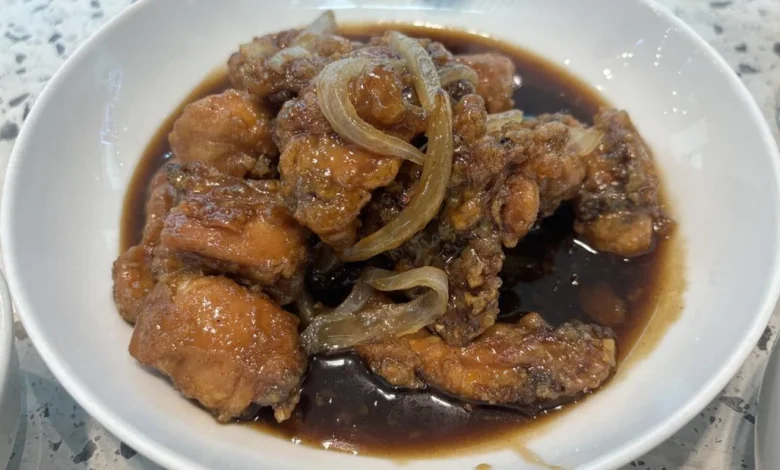
The culinary landscape of Indonesian Chinese cuisine boasts a myriad of comfort foods, but few dishes command the universal appeal and enduring popularity of buttery, pan-seared poultry better known as ayam goreng mentega. Characterized by its deeply savory profile, a harmonious balance of sweet and salty notes, and an unmistakable, rich aroma of melted butter and Worcestershire sauce, this dish has transitioned from a localized adaptation of Cantonese cooking into a staple of modern Southeast Asian dining. As consumers increasingly seek restaurant-quality experiences within their own kitchens, mastering the intricate yet accessible techniques behind butter fried chicken has become a prized pursuit for home cooks and culinary enthusiasts alike.
Originating from the fusion of traditional Chinese wok-cooking techniques and colonial-era ingredients introduced to coastal trading ports across Southeast Asia, butter fried chicken represents a fascinating cross-cultural culinary evolution. While classic Chinese stir-fries traditionally utilized animal fats like lard or neutral vegetable oils, the incorporation of Western butter and Worcestershire sauce—locally referred to as kecap Inggris—signifies a historical blending of trade influences, particularly British and Dutch colonial footprints in the region. Over decades, Chinese diaspora chefs adapted these ingredients to local palates, creating a distinct sub-genre of Peranakan and Indonesian-Chinese cuisine that prioritizes bold aromas, caramelized sauces, and contrasting textures.
Culinary analysts note that the enduring appeal of Chinese restaurant-style comfort food lies in its sensory accessibility and adaptability. Unlike complex banquet dishes requiring specialized fermentation or long braising times, items like butter fried chicken rely on rapid, high-heat cooking methods that lock in juices while building complex flavor profiles in minutes. The psychological comfort associated with warm, butter-laden dishes has further driven demand for reliable home-recipe adaptations, particularly as urban households look for quick yet satisfying weekend meals that can be paired simply with steamed white rice.
To achieve the benchmark texture expected from a high-end establishment, the preparation of butter fried chicken adheres to a strict foundational methodology. The process begins with the careful selection of bone-in or boneless chicken pieces—frequently thighs or breasts—which undergo a minimalist marinade. Professional chefs emphasize that keeping the initial seasoning simple is crucial to prevent overpowering the complex glaze applied later. Typically, the chicken is tossed with minced garlic, a pinch of sea salt, and fresh lime juice or calamansi extract. This brief resting period not only seasons the meat internally but also utilizes the mild acidity of the citrus to tenderize the protein fibers and neutralize any gamey odors.
Following the marination phase, the chicken pieces are subjected to a rigorous frying process. They are dredged lightly or fried bare depending on regional preference, though a crisp, golden exterior is non-negotiable. Frying must be executed in hot oil until the poultry achieves a deep, golden-brown crust, ensuring that the interior remains succulent and tender. This dual texture—a crunchy exterior capable of absorbing thick sauces without becoming entirely soggy, juxtaposed with a moist, flavorful center—forms the core technical hurdle of the recipe.
The defining characteristic of the dish, however, occurs during the final assemblage in the wok. Once the chicken is drained of excess oil, it is tossed rapidly over medium-high heat with an aromatic base of sliced yellow onions and minced garlic. The glazing liquid is a carefully calibrated emulsion: a blend of sweet soy sauce (kecap manis) for dark caramelization and depth, oyster sauce for umami density, and Worcestershire sauce for a sharp, tangy counterpoint. The crowning element is the generous addition of butter or high-grade margarine, introduced strategically at the end of the cooking process. Adding the butter off the heat or in the final moments prevents the milk solids from burning while releasing an intense, buttery aroma that coats every piece of chicken in a glossy, savory lacquer.
Food historians and nutritionists tracking modern dietary trends observe that while traditional preparations favor high-fat components like butter and sweet soy, contemporary home cooks are increasingly experimenting with portion control and ingredient substitutions without sacrificing authenticity. Nutritional assessments of restaurant-style butter fried chicken indicate a profile rich in protein from the poultry, accompanied by significant sodium and lipid content driven by the soy sauces and butter. Culinary experts recommend balancing the richness of the dish with acidic garnishes, fresh cucumbers, or steamed green vegetables to create a nutritionally rounded meal.
The broader cultural impact of recipes like ayam goreng mentega extends beyond individual dining tables, playing a significant role in the preservation of heritage cooking traditions in the digital age. Food content creators and culinary publications frequently utilize step-by-step breakdowns of classic Chinese-Indonesian dishes to engage younger demographics who are rediscovering the joy of scratch cooking. By demystifying professional techniques—such as proper wok heat management and the precise timing of emulsifying butter into reduction sauces—these guides empower a new generation of cooks to replicate restaurant-grade meals at home.
As the culinary community continues to document and refine traditional recipes for contemporary audiences, dishes like butter fried chicken remain a testament to the dynamic nature of food culture. Whether served at a bustling street-side stall in Jakarta or prepared meticulously in a suburban family kitchen, the combination of crisp poultry, fragrant aromatics, and rich, melting butter continues to evoke a universal sense of culinary satisfaction.