Transforming the Palate: How Curated Wine Subscription Models Are Revolutionizing At-Home Connoisseurship

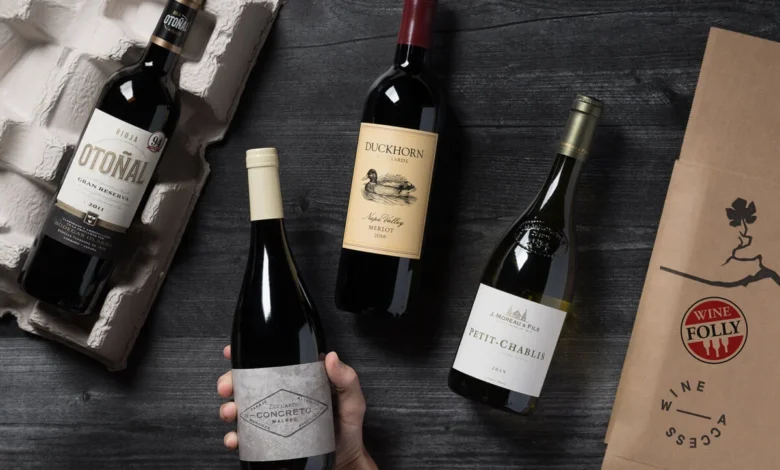
The global market for direct-to-consumer beverage alcohol has undergone a profound structural shift over the past decade, moving away from conventional retail shopping toward highly curated, subscription-based tasting experiences. At the forefront of this evolution are specialized educational wine clubs that seek to bridge the persistent gap between casual consumer curiosity and genuine oenological mastery. Rather than merely functioning as a monthly delivery service for bottles, modern platforms are increasingly positioning themselves as virtual academies. By pairing rare, internationally sourced vintages with deep-dive educational materials, digital tasting notes, and regional histories, these programs are redefining how enthusiasts interact with the beverage in their own homes. Industry analysts point to a growing consumer demand for experiential retail—where the acquisition of a physical product is inextricably linked to the acquisition of knowledge—as the primary driver behind this ongoing commercial transformation.

The modern wine subscription model represents a sophisticated departure from the traditional bulk-shipping clubs of the late twentieth century. Historically, wine clubs operated largely as inventory-clearing mechanisms for vineyards or mass-market retailers, dispatching standard regional bottles with minimal contextual background. However, the contemporary landscape is defined by hyper-curation, storytelling, and rigorous educational frameworks. Consumers today are no longer satisfied with simply receiving a randomized assortment of reds and whites; they demand to know the provenance of the grapes, the viticultural practices of the producer, the geological characteristics of the terroir, and the historical context of the winemaking region. This shift mirrors a broader socioeconomic trend in which luxury consumption has become knowledge-centric. The modern connoisseur derives as much value from understanding the nuances of a low-intervention skin-contact white wine from a boutique Slovenian producer as they do from the sensory experience of drinking it. Consequently, subscription platforms that integrate digital learning portals, expert-led tasting notes, and multimedia storytelling have captured significant market share within the specialty food and beverage sector.
To understand the operational mechanics of these educational wine programs, one must examine the meticulous curation process that precedes each monthly shipment. Unlike automated algorithmic recommendations used by mainstream e-commerce sites, premium wine clubs rely on human expertise—often employing certified sommeliers, wine educators, and experienced journalists to hand-select bottles from around the globe. This curation is designed to challenge the palate while remaining accessible, moving members progressively through a structured curriculum of taste. For instance, a typical quarterly or monthly trajectory might introduce subscribers to classic Old World regions before pivoting to lesser-known indigenous grape varieties, volcanic wine styles, or sustainable production methods. The overarching philosophy is rooted in the idea that true appreciation comes from contrast and comparison. By providing access to side-by-side vertical tastings or rare bottles that cannot be sourced through conventional local retail channels, these clubs expand the boundaries of the home consumer’s experience without requiring international travel.

Complementing the physical bottles is a robust digital infrastructure that serves as the educational backbone of the modern wine club experience. Recognizing that the printed tasting note is often insufficient for deep engagement, leading platforms have developed comprehensive online members’ portals. These digital hubs feature rich media content, including video tutorials, detailed varietal breakdowns, terroir mapping, and precise serving recommendations—such as optimal decanting times and glassware pairing. Subscribers can log into these portals from any device, allowing them to follow along in real-time as they open their bottles. Furthermore, these platforms frequently secure exclusive content directly from the winemakers themselves. Video interviews, behind-the-scenes vineyard footage, and firsthand accounts of harvest seasons provide an unprecedented level of transparency and connection between the distant producer and the domestic consumer. This direct-to-consumer storytelling effectively eliminates the opacity that has historically characterized the international wine trade, empowering everyday enthusiasts to speak fluently about acidity, tannins, fermentation vessels, and regional appellations.
Market data underscores the viability and expansion of the curated beverage subscription sector. According to recent economic analyses of the direct-to-consumer wine market, subscription-based models have demonstrated remarkable resilience, outperforming traditional brick-and-mortar boutique sales during periods of economic uncertainty. Consumers increasingly view specialized subscriptions not as frivolous expenses, but as investments in personal enrichment and experiential lifestyle enhancement. Pricing structures typically begin around $99 per month, positioning these clubs in the mid-to-high tier of specialty retail. This price point reflects the higher operational costs associated with small-batch sourcing, international logistics, custom packaging, and the creation of proprietary educational content. Industry surveys indicate that retention rates for clubs emphasizing education and exclusivity are significantly higher than those focusing solely on volume discounts, proving that consumers are willing to pay a premium for curated expertise and intellectual engagement.

Customer testimonials and peer reviews consistently highlight the psychological and educational value derived from these structured tasting programs. Members frequently cite the elimination of choice paralysis—a common phenomenon when facing the sprawling inventory of a traditional wine shop—as a major benefit of the subscription model. By trusting a team of professionals to curate a progressive lineup, buyers are liberated to explore unfamiliar territories without the risk of financial waste on an unpalatable bottle.
As Laura M., a long-time subscriber, noted in a recent evaluation of her club experience: "I really, really, really love your entire format for this club! You have really honed this to perfection. I appreciate all the information on the members area on the website that includes varietal info, winery info, how to serve the particular wine, etc."
Similarly, Christine B. emphasized the intellectual expansion facilitated by the monthly deliveries: "I love the in depth information about the wine every month, the wineries and your experiences with each of them. Thank you so much for helping me expand my knowledge and of course the opportunity to sample them too!"
For collectors residing in areas with limited local selection, the value proposition is even more pronounced. Milford C., another active participant, observed: "You have brought wines that I can not source locally which is awesome. I also like comparison, vertical tasting, and exploring taste pairings. And if that is not enough, I love learning about and tasting value wines." These reflections illustrate a clear consumer appetite for guided discovery over passive consumption.
The commercial implications of this trend extend far beyond individual consumer satisfaction, influencing the broader global wine economy and supporting independent producers. Small-scale winemakers, family-owned vineyards, and estates practicing sustainable or regenerative agriculture often struggle to secure distribution deals with major international conglomerates or large retail chains. Educational subscription clubs provide these artisanal producers with a direct, reliable, and appreciative global audience. By featuring lesser-known varietals and small-production lots, platforms help preserve agricultural biodiversity and traditional winemaking techniques that might otherwise be marginalized by mass-market homogenization. Furthermore, because these clubs frequently highlight the ethical and environmental practices of the vineyards—such as dry-farming, biodynamic certification, or heritage vine preservation—they actively educate consumers on the importance of sustainability within the agricultural sector.
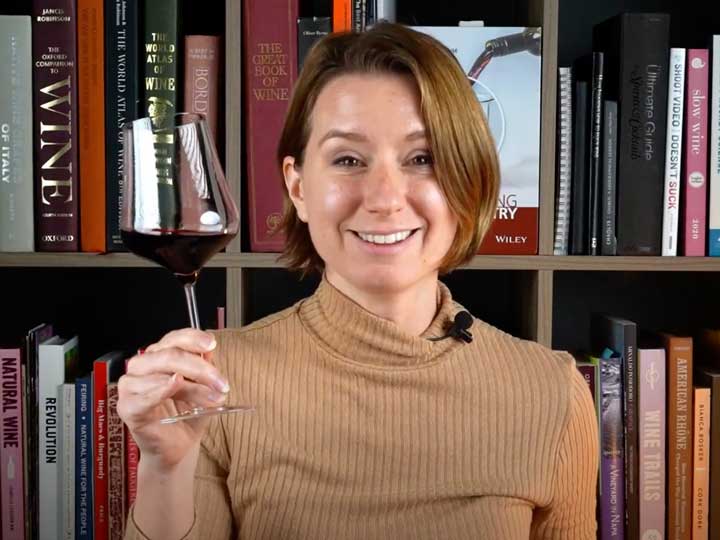
Looking ahead, the intersection of education, technology, and commerce is expected to further transform the at-home wine experience. Industry stakeholders anticipate the integration of augmented reality elements into member portals, allowing users to digitally walk the rows of a vineyard via their smartphones while tasting the resulting vintage. Virtual masterclasses and live-streamed tasting sessions with international winemakers are also becoming standard features, breaking down geographical barriers and fostering a global community of learners. As gifting options—ranging from two-month introductory packages to comprehensive year-long masterclasses—continue to gain popularity, these clubs are increasingly viewed as premier experiential gifts for milestones, holidays, and corporate events. By systematically dismantling the intimidation factor historically associated with fine wine and replacing it with structured, accessible education, curated subscription models have permanently altered the landscape of modern oenology, proving that the journey from curiosity to mastery is best undertaken one thoughtfully selected bottle at a time.