The Ultimate 30-Minute Weeknight Comfort Meal: Skillet Pierogi with Mushrooms and Caramelized Onions

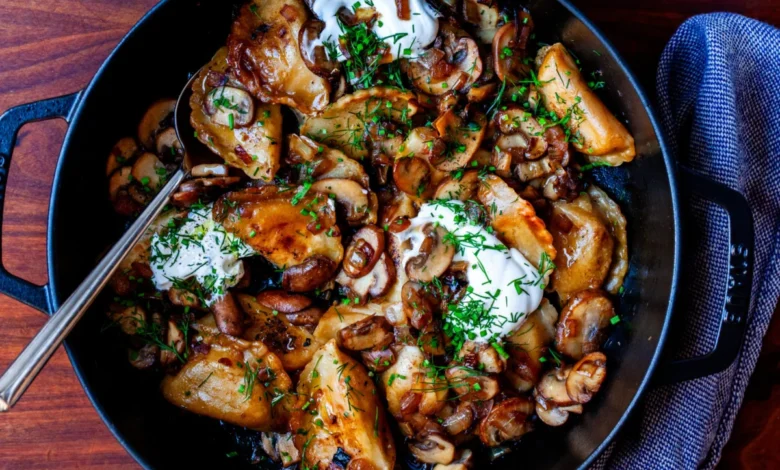
As autumn weather settles in and households face the inevitable convergence of busy schedules, academic transitions, and professional deadlines, culinary demands often shift toward comforting, carbohydrate-rich dishes. Despite unusually warm autumn temperatures in many regions, seasonal cravings for hearty, earthy ingredients remain undiminished. To meet the demands of hectic weeknight routines without sacrificing flavor or quality, home cooks increasingly turn toward efficient, single-pan cooking methods that minimize both preparation time and post-meal cleanup.
A newly popularized culinary approach to frozen dumplings offers a streamlined solution for busy families and individuals. Developed by prominent food writer and cookbook author Deb Perelman, this technique reimagines the preparation of traditional pierogi by reversing the conventional cooking sequence. Rather than boiling the dumplings before sautéing them—the standard preparation method—this streamlined recipe constructs a complete, cohesive meal entirely within a single skillet in under half an hour, utilizing accessible, inexpensive ingredients and leaving minimal dishes to wash.
An Inverted Approach to Traditional Dumplings

Pierogi, unleavened dough dumplings originating from Central and Eastern European cuisines, are traditionally stuffed with ingredients such as mashed potatoes, sauerkraut, ground meat, cheese, or fruit. In standard culinary practice, frozen or freshly made pierogi are first boiled in water until cooked through, then transferred to a skillet containing butter or oil to crisp the exterior.
The skillet method upends this traditional chronology. By initiating the cooking process with the vegetables—specifically caramelized onions, minced garlic, and earthy mushrooms—the pan develops a rich flavor foundation. Once the vegetables achieve optimal browning, they are temporarily removed from the skillet to make room for the star ingredient: frozen pierogi, placed directly into the pan without a preliminary boil.
By searing the frozen dumplings in a small amount of oil until the bottom layer turns golden brown, and subsequently introducing a measured amount of water to cover and steam the contents, the pierogi achieve a textural contrast. The dough becomes simultaneously crispy on the exterior and chewy, while enclosing a hot, fluffy potato filling. The vegetables are then reintroduced to the skillet, accompanied by a sharp splash of white vinegar, generous dollops of cool sour cream, and a fresh garnish of chopped dill and chives.
The Mechanics of One-Pan Weeknight Cooking

The appeal of single-skillet meals lies in their intersection of convenience and culinary satisfaction. Modern domestic dynamics, characterized by concurrent obligations such as college application seasons, school adjustments, and professional writing projects, leave limited windows for elaborate meal preparation. Cooking a multifaceted meal in one pan addresses several distinct challenges of contemporary home management:
- Time Efficiency: The entire recipe is designed to be executed in approximately 25 to 30 minutes, accommodating tight weeknight schedules.
- Resource Conservation: Utilizing a single deep skillet, a cutting board, a knife, and a fork reduces the volume of kitchenware requiring post-meal cleaning.
- Cost-Effectiveness: The primary components—frozen pierogi, onions, mushrooms, garlic, and basic dairy and pantry items—represent affordable grocery selections that remain accessible to a wide demographic of consumers.
- Nutritional and Sensory Balance: The combination of dense carbohydrates, fiber-rich fungi, alliums, and dairy fats provides substantial caloric density, while the addition of fresh herbs and vinegar cuts through the richness, balancing the flavor profile.
Culinary Context: Pierogi Versus Vareniki
While commercial pierogi serve as a practical and accessible option for weeknight dinners, culinary traditionalists often draw distinctions between various forms of stuffed potato dumplings. In Ukrainian and broader East European culinary traditions, a close relative of the pierogi is the vareniki.
Vareniki typically feature a thinner, more delicate dough casing and are often constructed in a slightly smaller format than their commercial pierogi counterparts. While frozen supermarket pierogi offer unmatched convenience for rapid weeknight meal assembly, scratch-made potato vareniki remain a staple of traditional holiday and weekend cooking, requiring a more intensive preparation process involving hand-rolled dough and individual sealing.

For home cooks seeking the convenience of the skillet method without relying strictly on commercial products, smaller-format frozen dumplings are recommended, as they absorb steam and conduct heat more evenly within a restricted cooking timeframe.
Complementary One-Pan Carbohydrate Dishes
The popularity of the skillet pierogi recipe reflects a broader trend in quick-assembly comfort food that pairs frozen or shelf-stable convenience items with fresh, high-impact vegetables and aromatics. Food media analysts note a growing consumer preference for hybrid recipes that bridge the gap between scratch cooking and processed food shortcuts.
Similar single-skillet methodologies have been developed for other stuffed or formed pasta products. Notable examples within contemporary home cooking circles include crispy tortellini paired with green peas and prosciutto, as well as skillet-cooked ravioli combined with fresh spinach. In each instance, the core technique involves leveraging residual moisture and fat within a single vessel to cook the starch while simultaneously developing caramelized exterior textures, eliminating the need for a separate stockpot of boiling water.

Broader Economic and Lifestyle Implications
The resurgence of interest in rapid, economical comfort meals aligns with broader economic and sociological shifts in household management. As grocery inflation and heightened living costs prompt consumers to reevaluate dining-out habits in favor of home-cooked meals, recipes that maximize flavor while minimizing ingredient waste and specialized equipment have gained significant traction.
Furthermore, the emphasis on quick-assembly dinners addresses the psychological burden of meal planning, often referred to as "decision fatigue," which peaks during busy autumn and winter transition periods. By providing a reliable, repeatable template that yields high sensory rewards with minimal labor, such recipes serve an important function in modern domestic routines.
Nutritional and Dietary Considerations

While comfort foods centered around potato-filled dough and dairy fats are traditionally viewed as indulgence items, the integration of nutrient-dense fungi and fresh herbs offers moderate dietary balance. Mushrooms contribute essential minerals, B vitamins, and umami compounds that enhance savory flavor profiles without requiring excessive sodium. Meanwhile, the addition of fresh dill and chives introduces antioxidants, and the use of white vinegar provides acidity that stimulates digestion and brightens the heavy components of the dish.
Future Outlook for Weeknight Cooking Trends
As culinary creators continue to innovate within the constraints of modern schedules, the integration of frozen convenience products with fresh, chef-driven preparation techniques is expected to remain a dominant theme in food media. The skillet pierogi method demonstrates that convenience does not necessitate a compromise in culinary quality, offering a viable blueprint for efficient, satisfying home cooking that satisfies both seasonal comfort cravings and the practical demands of contemporary life.