Curried Chicken Salad with Grapes: A Modern Evolution of the Mediterranean Diet

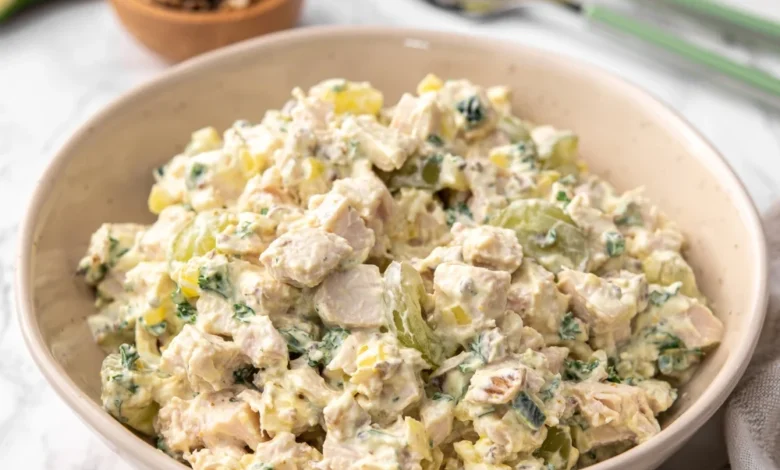
The culinary landscape continues to shift as traditional dietary frameworks, such as the Mediterranean diet, integrate global flavor profiles to enhance both nutritional value and consumer engagement. A prime example of this evolution is the rising popularity of curried chicken salad with grapes, a dish that bridges the gap between the aromatic, spice-heavy traditions of South Asia and the heart-healthy, ingredient-focused methodology of Mediterranean eating. This fusion dish, which centers on lean protein, Greek yogurt, and fresh produce, represents a broader trend in food science and nutrition: the democratization of global spices within health-conscious meal planning.
The Mediterranean diet has long been recognized by global health organizations, including the World Health Organization and the American Heart Association, as one of the most effective nutritional patterns for reducing the risk of cardiovascular disease, stroke, and metabolic syndrome. Historically, this diet has been defined by the consumption of olive oil, legumes, unrefined cereals, fruits, and vegetables. However, contemporary nutritionists argue that the strict adherence to regional ingredients can sometimes lead to "diet fatigue." The introduction of curry powder—a blend typically composed of turmeric, coriander, cumin, and fenugreek—into this framework does not negate the diet’s health benefits. Instead, it introduces anti-inflammatory compounds found in turmeric and digestive aids found in coriander and cumin, further diversifying the nutrient intake of those following the regimen.
The Evolution of the Recipe and Preparation Chronology
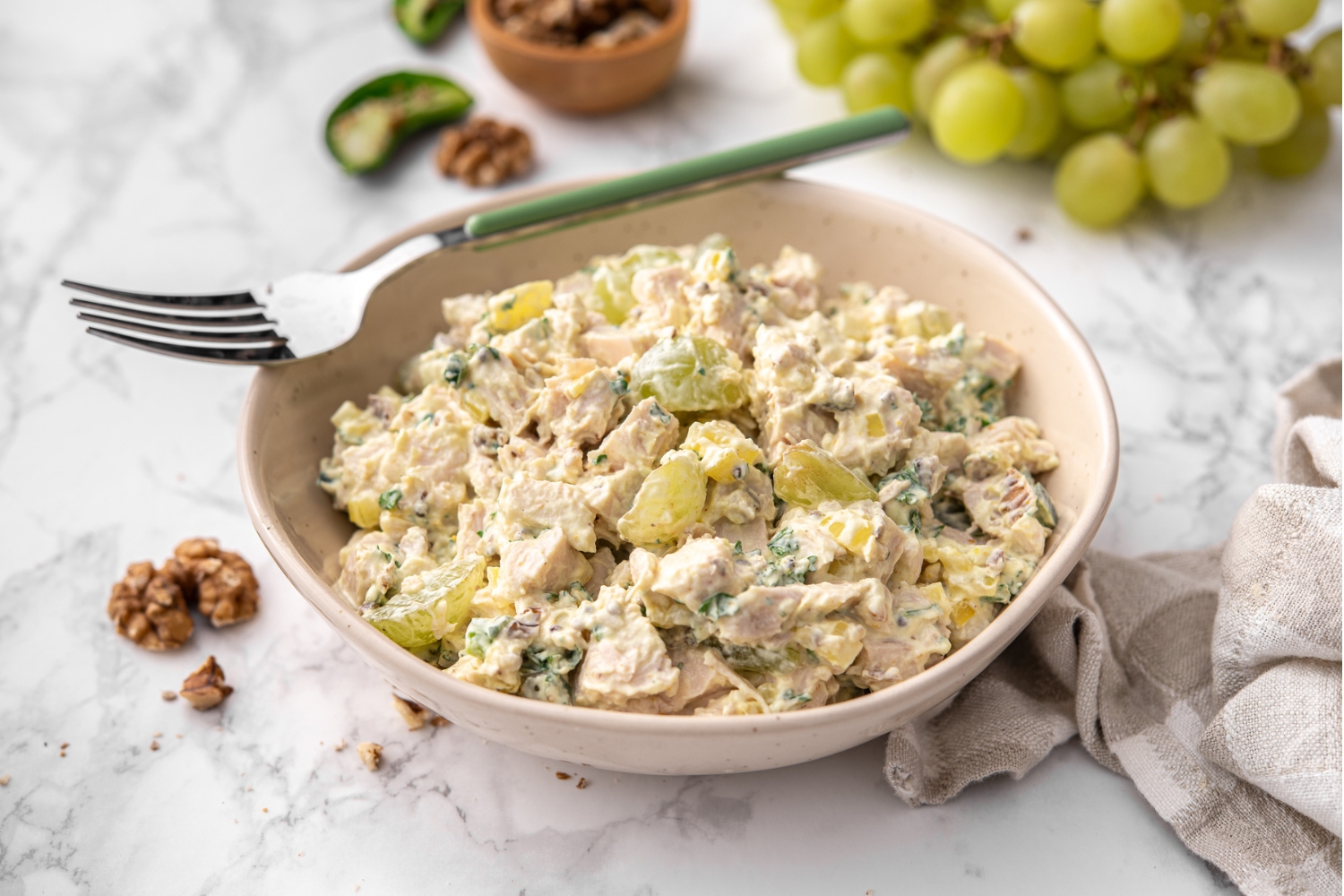
The preparation of this dish follows a precise, science-backed chronology designed to maximize flavor extraction. The process begins with the tempering of spices, a technique central to Indian cuisine that involves blooming spices in hot oil to release fat-soluble essential oils. In this recipe, mustard seeds are toasted in extra virgin olive oil until they pop, signaling the release of their volatile compounds. This is followed by the addition of garlic, onion, and jalapeño.
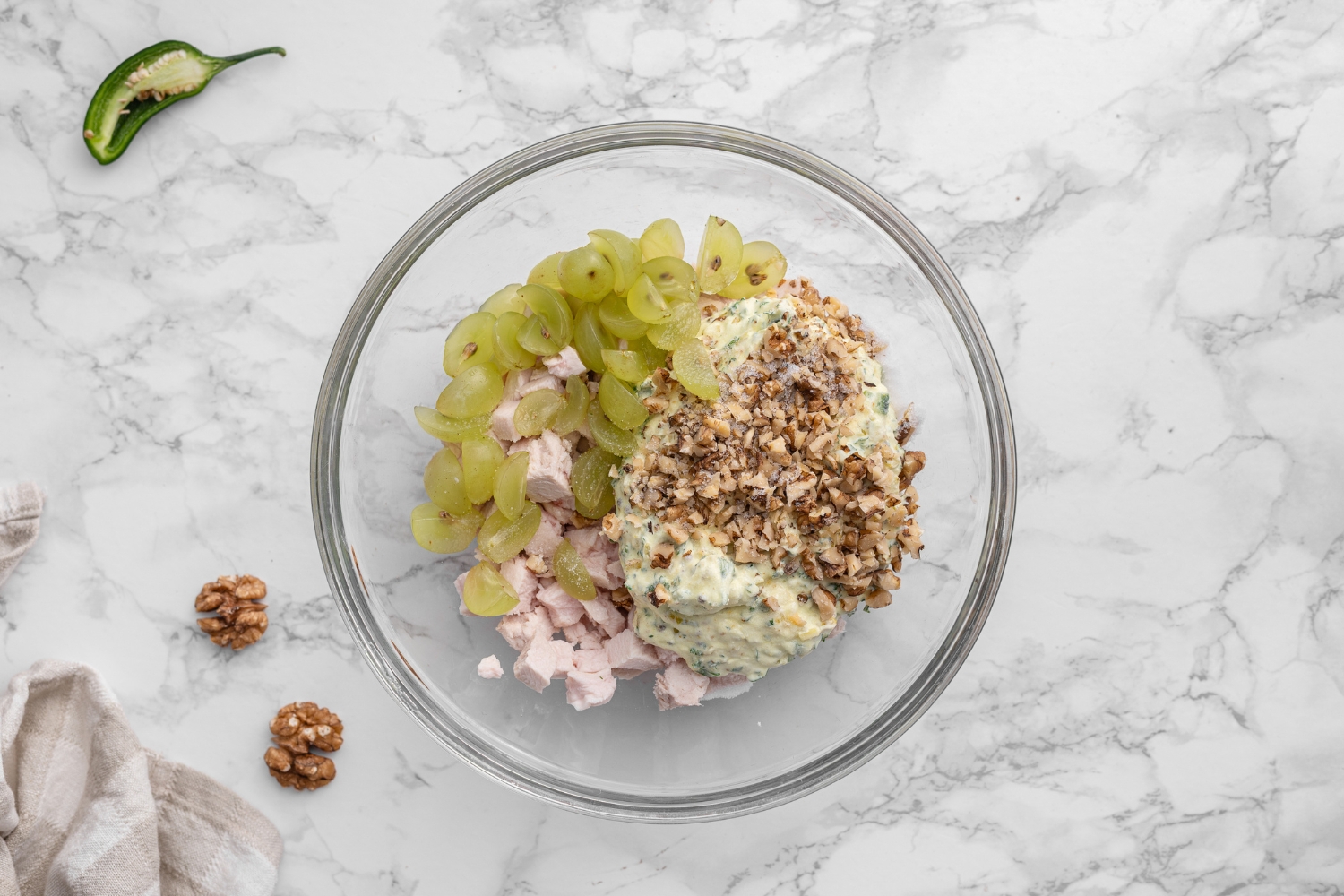
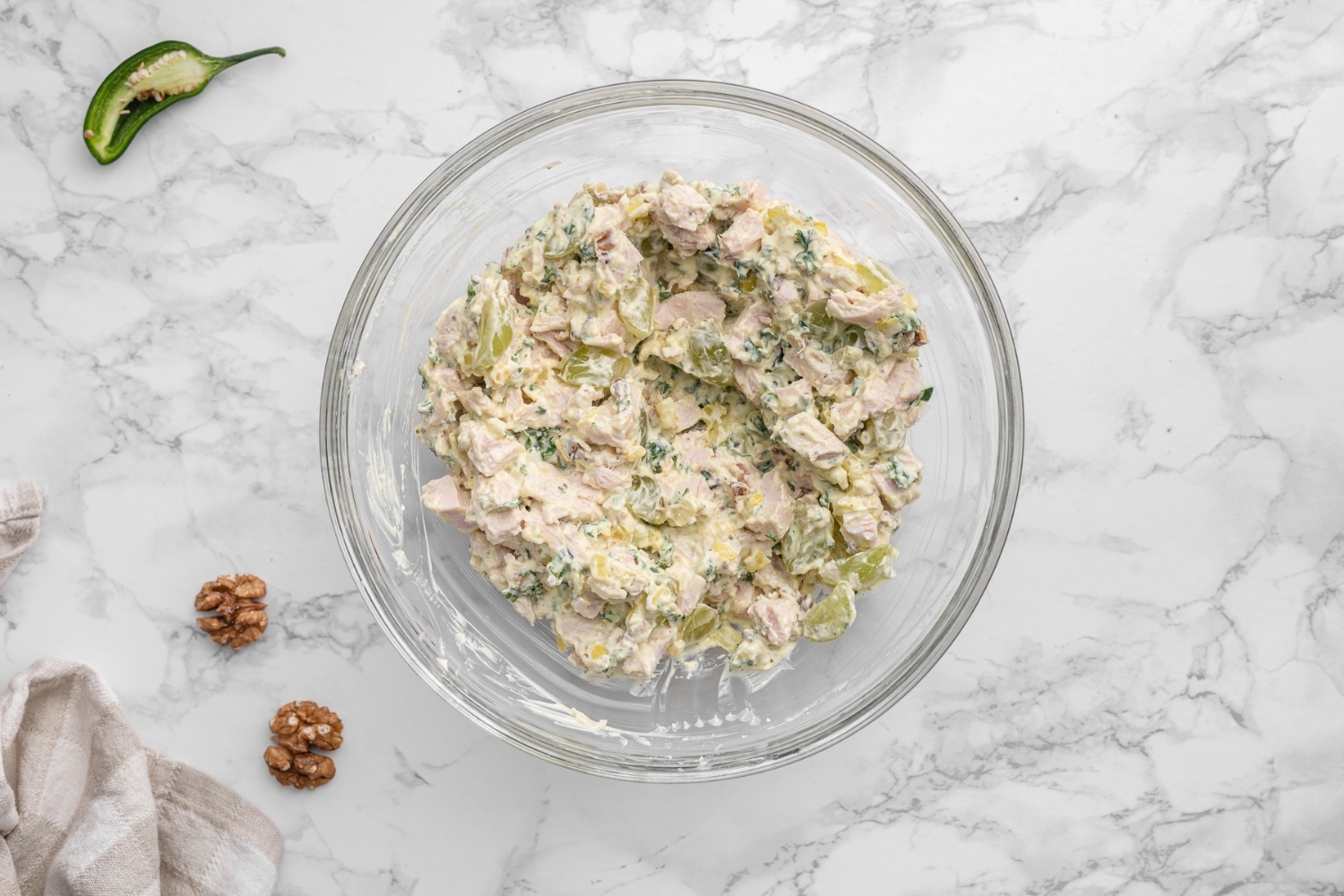
The timeline for preparation is efficient, catering to the demands of modern, time-constrained lifestyles. The dressing preparation takes approximately five minutes on the stovetop, followed by a cooling period—a critical step to ensure the protein structure of the Greek yogurt remains intact. When yogurt is exposed to extreme heat, it can curdle; thus, allowing the aromatic base to reach room temperature before incorporation ensures a smooth, stable emulsion. Finally, the assembly of the salad—tossing the cooked chicken, which acts as the primary protein source, with the dressing, grapes, and walnuts—requires minimal effort. This workflow, which totals roughly 25 minutes from prep to table, highlights a shift toward high-efficiency, nutrient-dense home cooking.
Nutritional Profile and Data Analysis
From a nutritional perspective, this salad offers a balanced macronutrient profile. Each serving provides approximately 25 grams of protein, a significant amount for a single meal, supporting muscle protein synthesis and satiety. By substituting traditional mayonnaise—which is often high in saturated fats and refined oils—with Greek yogurt, the dish significantly reduces the caloric density while increasing the intake of calcium and probiotics.
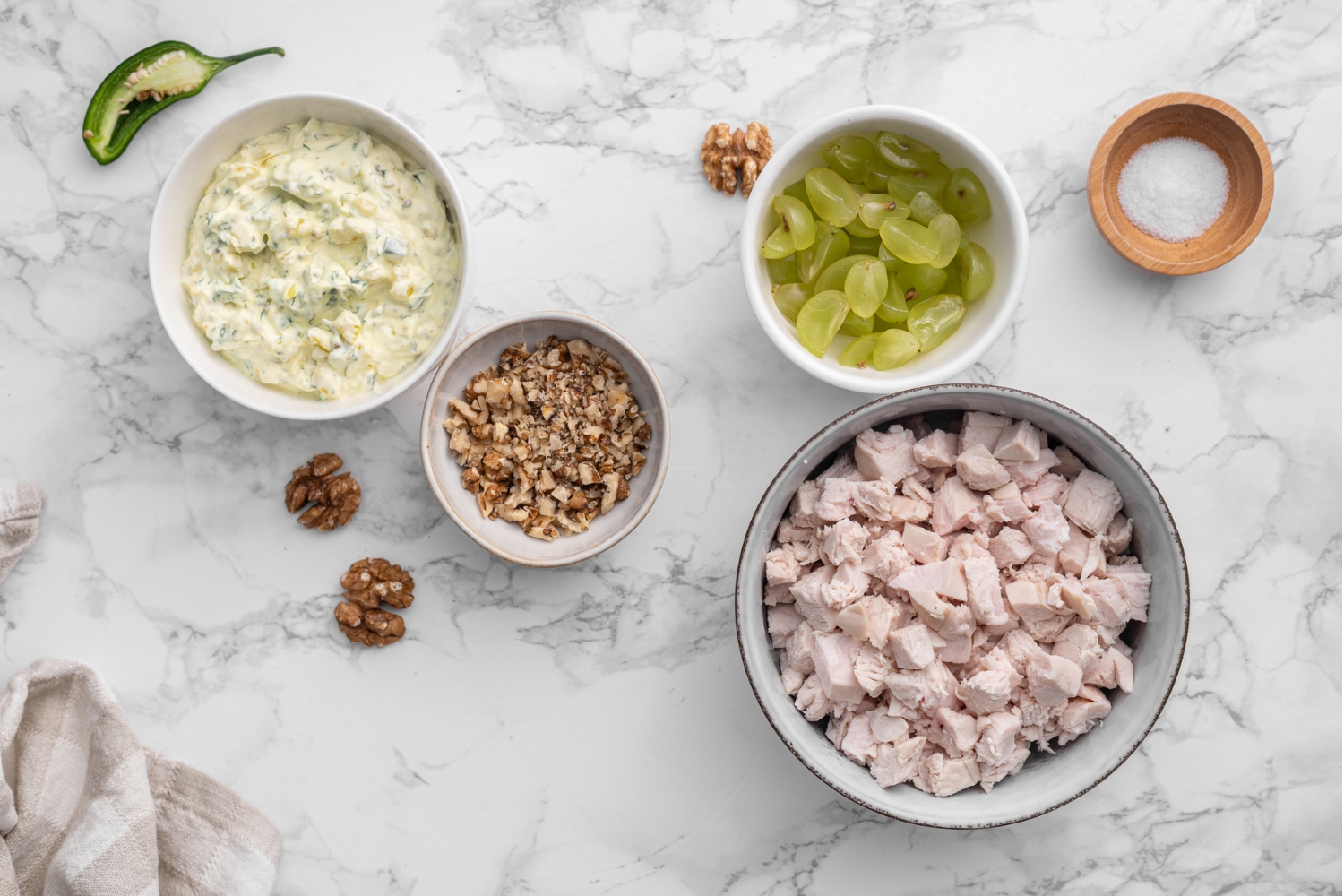
The inclusion of walnuts adds a crucial layer of polyunsaturated fats, specifically alpha-linolenic acid (ALA), an omega-3 fatty acid. Data from the Harvard T.H. Chan School of Public Health suggests that regular nut consumption is associated with a lower risk of coronary heart disease. Furthermore, the grapes provide not only natural sweetness but also resveratrol, a polyphenol associated with heart health. The following breakdown illustrates the approximate nutritional composition per serving:
- Protein: 25g (Essential for tissue repair and maintenance)
- Total Fat: 14g (Balanced between monounsaturated and polyunsaturated sources)
- Carbohydrates: 11g (Primarily from fruit sugars and fiber)
- Sodium: 655mg (Reflecting the reliance on natural aromatics rather than heavy salt usage)
Implications for Modern Dietary Trends
The success of this dish within the broader context of health-conscious eating demonstrates a shift in how dieticians approach patient and consumer compliance. For years, the primary barrier to maintaining a Mediterranean-style diet was the perceived limitation of flavor profiles. The integration of spices into these meals addresses this by providing "flavor complexity," which studies indicate increases the likelihood of long-term adherence to a healthy diet.
When surveyed on culinary trends for the current fiscal year, food analysts noted that consumers are increasingly seeking "functional indulgence"—meals that feel satisfying and rich but are built upon a foundation of clean, unprocessed ingredients. The curried chicken salad meets this criterion by utilizing high-quality proteins and fats while leveraging the pungent, complex notes of curry to satisfy the palate without requiring excessive additives.
Expert Perspectives and Culinary Integration
Culinary experts often point to the versatility of this salad as its most significant asset. Because it can be served in various formats—as a component of a larger salad, a sandwich filling, or a lettuce wrap—it functions as a modular meal. This flexibility is vital for meal-prepping, a common strategy for individuals attempting to manage their intake of processed foods.
"The key to the longevity of this dish," notes a consulting nutritionist in the field of integrative medicine, "is the balance of textures. You have the creaminess of the yogurt, the snap of the fresh grapes, and the crunch of the walnuts. This sensory diversity is what keeps a palate engaged."
From an institutional standpoint, the recipe aligns with the growing push for "plant-forward" and "globally-inspired" menus in corporate and school dining services. The use of rotisserie or leftover chicken allows for minimal waste, a sustainability metric that is becoming increasingly important in the food industry. By standardizing these recipes, organizations can provide a meal that is culturally inclusive, nutritionally superior to conventional alternatives, and operationally simple.
Broader Impact on Home Cooking
The transition toward such dishes signals a departure from the mid-20th-century model of "meat and three" meals, toward a more integrated global approach. As more home cooks recognize that they do not need to adhere strictly to the traditional boundaries of regional cuisines, the potential for nutritional variety grows. The use of spices like turmeric—a staple in curry powder—has moved from the spice rack into the mainstream consciousness due to its touted anti-inflammatory properties.
Furthermore, the emphasis on preparation techniques—such as toasting mustard seeds and balancing the acidity of lemon juice with the tang of Greek yogurt—encourages a more conscious relationship with cooking. By moving away from the convenience of pre-packaged, mayo-heavy salads, individuals are taking greater control over their sodium and fat intake.
In summary, the curried chicken salad with grapes stands as a testament to the fact that nutritional health does not require the sacrifice of culinary excitement. By synthesizing the core tenets of the Mediterranean diet with the vibrant, aromatic traditions of global spice use, this dish provides a framework for future recipes that prioritize both the long-term health of the individual and the immediate satisfaction of the palate. As dietary science continues to emphasize the importance of diverse, whole-food consumption, recipes that bridge these cultural gaps will likely remain at the forefront of the modern culinary evolution.