Hot Dogs with Vinegared Iceberg and Potato Chips Elevates Backyard Cookout Culture Through Culinary Innovation

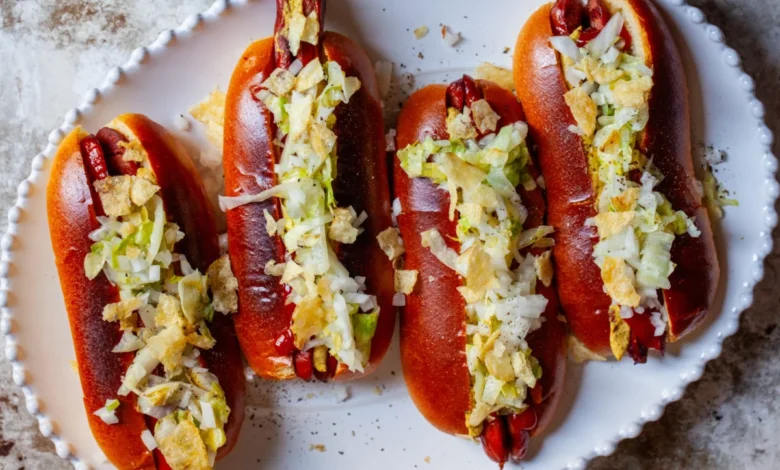
The traditional American hot dog, a staple of backyard barbecues, sports stadiums, and street carts for over a century, has recently undergone a sophisticated culinary reassessment. While gourmet hot dog establishments have experimented with artisanal sausages, imported cheeses, and complex relishes for years, home-cooking platforms are now introducing accessible yet inventive techniques that redefine how consumers prepare the classic frankfurter at home. A prominent voice in culinary media has popularized a distinct methodology that emphasizes structural integrity through butterflying, introduces unexpected texturing via crushed potato chips, and balances rich flavors with vinegared iceberg lettuce. This development arrives amid shifting culinary trends that favor high-impact, low-cost modifications to everyday meals, offering home cooks an elevated dining experience without requiring specialized culinary training or expensive ingredients.
Culinary Evolution and the Mechanics of the Butterflied Frank

The practice of splitting hot dogs—commonly referred to as butterflying—represents a significant shift from conventional boiling or rolling roller-grill methods. By slicing the frankfurter down its longitudinal center while leaving a small hinge intact at the base, cooks can flatten the meat to create maximum surface area. When placed face-down on a hot skillet, griddle, or outdoor grill, this exposed interior renders out excess moisture and develops a deep, caramelized crust through the Maillard reaction.
Beyond flavor development, the butterflying technique solves a long-standing structural challenge in sandwich construction: roll stability. Standard cylindrical hot dogs frequently slip out of buns, causing toppings to spill. A butterflied frank rests flat inside the bun, acting as a stable foundation that cradles toppings securely. Culinary historians note that while split-dog preparations have regional roots in various American diners and backyard traditions, standardizing the technique for domestic use enhances both heat distribution and texture, allowing the interior of the meat to achieve a crisp finish while maintaining a juicy center.
The Science and Sensory Appeal of Vinegared Iceberg Lettuce

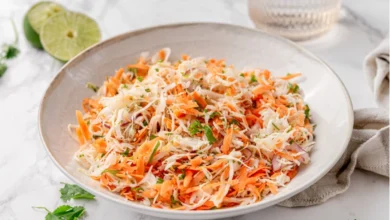
Integrating pickled or vinegared iceberg lettuce into savory sandwiches marks a deliberate departure from traditional heavy toppings like chili, heavy mayonnaise-based slaws, or melted cheese sauces. Iceberg lettuce, often dismissed by culinary purists for its high water content and minimal nutritional density relative to dark leafy greens, possesses unique structural properties that make it an ideal vehicle for pickling. Its tightly packed, crisp cellular structure resists wilting when exposed to acidic liquids, retaining a definitive crunch that contrasts sharply with the soft texture of a steamed bun and the tender bite of a frankfurter.
The pickling process—typically involving a balanced solution of water, distilled vinegar, salt, and sugar—infuses the lettuce leaves with clean acidity and a subtle sweetness. From a gastronomic perspective, the addition of chilled, vinegared greens serves a dual purpose: it introduces a refreshing thermal contrast to a hot protein while cutting through the natural sodium and fat content of cured meat. This technique mirrors culinary traditions found in various global street foods, where acidic slaws and pickled vegetables are routinely paired with rich, fatty meats to balance the overall flavor profile.
Global Influences: The Integration of Potato Chips and Crispy Textures

The incorporation of crushed potato chips or ultra-thin potato sticks into hot dogs bridges a gap between North American comfort food and Latin American street food culture. In many parts of Latin America, notably Venezuela, Colombia, and the Dominican Republic, hot dogs and hamburgers are routinely finished with a generous layer of crushed potato sticks (papas hilo) to provide a distinct, satisfying crunch.
Food anthropologists trace the widespread adoption of textural contrasts in modern fast-casual dining to a growing consumer demand for multi-sensory eating experiences. While embedding potato chips into sandwiches—a practice historically observed in casual school lunchrooms with peanut butter and jelly—was once viewed as an unorthodox novelty, contemporary culinary trends embrace the phenomenon for its functional utility. Crushed kettle-cooked chips or salted potato sticks not only add an immediate, dry crunch that absorbs excess moisture from condiments like ketchup and mustard, but they also introduce a concentrated burst of salt and toasted potato flavor that elevates the overall complexity of a simple meal.
Adapting Culinary Traditions During Extreme Weather Events

The popularization of stovetop and oven-based preparation methods for classic grilled foods coincides with broader meteorological trends affecting food preparation habits across North America. Persistent heat domes and rising summer temperatures, characterized by prolonged periods of triple-digit heat indexes, have forced home cooks to adapt traditional outdoor cooking routines. Modern culinary guidance increasingly emphasizes indoor alternatives—such as heavy cast-iron griddles, panini presses, and high-heat oven roasting—that replicate the charred finishes and rendered fats of outdoor charcoal and gas grills without requiring individuals to labor in hazardous outdoor conditions.
This adaptation in domestic cooking habits runs parallel to broader community responses during humanitarian crises. The intersection of everyday lifestyle content and global awareness was highlighted recently when culinary platforms redirected public attention toward active disaster relief efforts. Following a series of significant tectonic events—specifically twin earthquakes measuring 7.2 and 7.5 in magnitude that struck Venezuela—relief organizations mobilized to provide emergency assistance under catastrophic conditions.
Among the primary responders, World Central Kitchen (WCK), a globally recognized non-profit organization founded by chef José Andrés, deployed emergency teams to establish feeding operations. Operating in disaster zones, WCK specializes in delivering freshly prepared meals to displaced families, vulnerable populations, and first responders working around the clock. The convergence of domestic food culture and international humanitarian fundraising underscores the interconnected nature of contemporary digital media platforms, where community engagement in everyday cooking can be leveraged to support critical global relief initiatives.

Implications for Modern Home Cooking and Food Culture
The ongoing democratization of gourmet techniques through accessible home-cooking media reflects a broader cultural shift in how individuals interact with everyday meals. By deconstructing a conventional food item like the hot dog and rebuilding it through deliberate choices in cutting, acid balancing, and textural layering, home cooks are encouraged to experiment with flavor profiles traditionally reserved for high-end dining establishments.
Furthermore, the emphasis on adaptable indoor cooking methods demonstrates a pragmatic response to environmental challenges, ensuring that culinary traditions remain viable regardless of seasonal weather extremes. As food media continues to evolve, the integration of global street food influences—such as vinegared slaws and crunchy potato toppings—signals an increasingly adventurous palate among domestic consumers, transforming a humble backyard standard into a canvas for international culinary synthesis.