The Evolution of the Maximalist Dessert
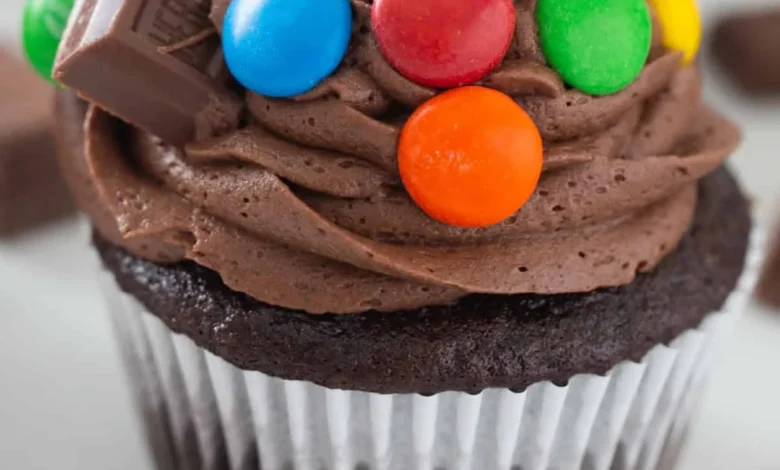
The popularity of "chocolate overload" desserts reflects a broader trend in American baking culture where visual impact and sensory variety take precedence over minimalist design. This movement has been accelerated by social media platforms that prioritize aesthetic, highly textured food photography. The Chocolate Chocolate Cupcake exemplifies this trend by utilizing a dual-layer approach: a moist, coffee-enhanced base and a dense, high-fat buttercream frosting, followed by a customizable array of textural elements like wafers, shells, and solid chocolate segments.

From a culinary standpoint, the inclusion of hot brewed coffee in the batter is a traditional technique used by professional bakers to bloom cocoa powder. The heat and acidity of the coffee interact with the cocoa solids to release deeper flavor profiles, resulting in a significantly more robust chocolate taste compared to recipes using only water or milk. This chemical reaction is the foundation for the deep flavor profile that distinguishes high-quality chocolate cupcakes from their more muted counterparts.
Technical Specifications and Preparation Chronology
The preparation of these cupcakes typically requires a standard 12-cup muffin tin, adhering to a 35-minute total production timeline. The following chronology outlines the systematic approach to executing this recipe:

- Pre-Bake Preparation (0–10 Minutes): The oven is preheated to 325°F (163°C). The temperature is kept lower than the standard 350°F to ensure a slow, even rise, which prevents the dome of the cupcake from cracking excessively.
- Dry Ingredient Integration (10–15 Minutes): Flour, granulated sugar, unsweetened cocoa powder, baking powder, baking soda, and salt are whisked to ensure uniform distribution of leavening agents.
- Wet Ingredient Incorporation (15–20 Minutes): An electric mixer is utilized to combine milk, vegetable oil, eggs, and vanilla. The hot coffee is introduced at the final stage to ensure the cocoa powder is fully emulsified.
- Baking Process (20–40 Minutes): The batter is portioned into paper liners at a 50% fill volume to allow for expansion. Baking time is calibrated to 20 minutes, with the structural integrity verified via the "toothpick test," ensuring no raw batter adheres to the probe.
- Cooling and Finishing (40–60 Minutes): Proper cooling is essential before the application of buttercream; applying frosting to warm cupcakes causes the butter-based emulsion to break, leading to a runny, unappealing consistency.
Nutritional and Dietary Context
A single serving of this cupcake, as standardized in the recipe, contains approximately 464 kilocalories. The macronutrient profile indicates a high sugar content (52g) and a significant fat content (24g), which are characteristic of premium buttercream-topped desserts.
Nutritionists often categorize these items as "occasional treats" due to their caloric density. The ingredient list highlights the use of heavy whipping cream for the frosting, which contributes to the stability of the pipeable structure. When compared to commercial, store-bought cupcakes, this homemade variant typically contains fewer preservatives and stabilizers, allowing for a cleaner flavor profile that emphasizes high-quality cocoa solids.

Analytical Perspectives on Culinary Trends
Culinary historians observe that the "overload" style of dessert, which incorporates various branded candy bars into a single serving, gained significant traction in the early 2020s. This development aligns with the rise of the "dessert table" concept at weddings and corporate events, where the focus shifted from a single large cake to individual, highly customizable, and visually distinct treats.
"The move toward maximalist baking is a direct response to the desire for an ‘experience’ rather than just a snack," notes a prominent food industry consultant. "When a host offers a base cupcake and a variety of toppings, they are inviting the consumer to participate in the creative process. This engagement increases the perceived value of the dessert."

Storage, Handling, and Logistics
One of the primary logistical challenges in serving these cupcakes is the degradation of the candy toppings. If stored in a refrigerator for extended periods, moisture in the environment can cause the sugar shells of M&Ms to bleed color and wafer-based candies like Kit Kats to lose their structural crispness.
The industry standard for optimal quality involves:

- Short-term storage: Maintaining the cupcakes in an airtight, refrigerated container for no longer than 96 hours.
- Service preparation: Allowing the items to reach room temperature (approximately 20 to 30 minutes) prior to serving to ensure the buttercream achieves its intended soft, velvety mouthfeel.
- Long-term preservation: For commercial or high-volume environments, cupcakes can be frozen in an unfrosted state for up to three months, provided they are shielded from freezer burn by moisture-resistant packaging.
Broader Economic and Social Implications
The rise of the "Chocolate Chocolate Cupcake" has implications for the home baking supply chain. The increase in demand for premium cocoa powder, heavy cream, and assorted snack-sized candy bars indicates that consumers are increasingly willing to invest in high-quality ingredients for home-based projects. Furthermore, the practice of using branded candy as a topping has fostered a symbiotic relationship between confectionery manufacturers and home bakers.
In a professional kitchen context, the cost-benefit analysis of such a recipe is favorable. Because the batch size is limited to 12, the waste footprint is minimal. For families and event planners, this provides an accessible, low-risk way to provide a high-end dessert experience without the capital expenditure of professional catering.

Conclusion: The Sustainability of the Trend
As consumer preferences continue to evolve, the demand for "from-scratch" recipes that mimic the complexity of professional patisseries remains strong. The Chocolate Chocolate Cupcake represents a successful bridge between traditional baking methods and modern aesthetic expectations. By leveraging the depth of coffee-enhanced cocoa and the tactile appeal of diverse candy toppings, this recipe serves as a benchmark for home bakers seeking to balance technical skill with visual excitement.
Whether intended for a children’s birthday party, a holiday gathering, or a corporate dessert station, the structural reliability of this cupcake ensures it remains a viable option for those prioritizing both flavor and presentation. As the culinary landscape moves forward, it is likely that such recipes will continue to be refined, potentially incorporating variations such as dark chocolate infusions or allergen-sensitive substitutions, ensuring their continued relevance in the contemporary dessert repertoire.