Prime Rib Roast Recipe: A Culinary Guide to Preparing the Perfect Standing Rib Roast

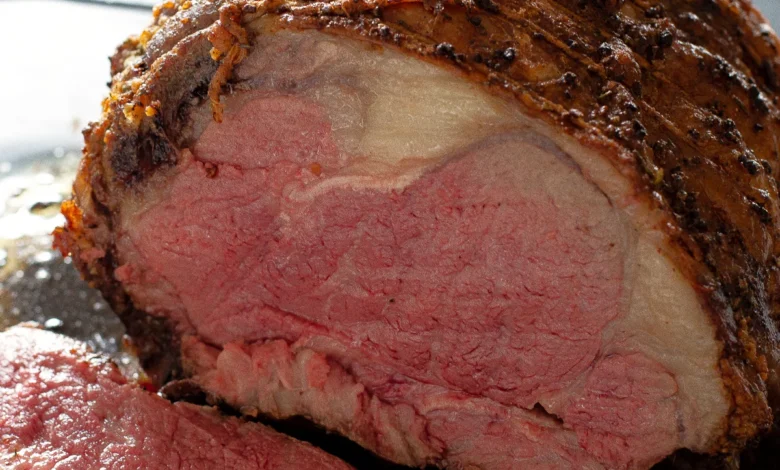
The preparation of a prime rib roast, often referred to as a standing rib roast, represents a pinnacle of traditional holiday and celebratory cookery. While the dish carries a reputation for being technically demanding due to the high cost of the cut and the perceived difficulty in achieving uniform doneness, modern culinary methodology has demystified the process. By utilizing a combination of high-heat searing and slow-roasting techniques, home cooks can achieve a consistent result that rivals professional steakhouse standards.
The Anatomy and Selection of Prime Rib
Understanding the provenance of the prime rib is essential for successful preparation. The prime rib is sourced from the primal rib section of the beef carcass, encompassing ribs six through twelve. This specific area of the steer is characterized by limited muscle activity, which results in a high degree of intramuscular fat, commonly known as marbling. This fat content is the primary driver of the meat’s flavor profile and its inherent tenderness.
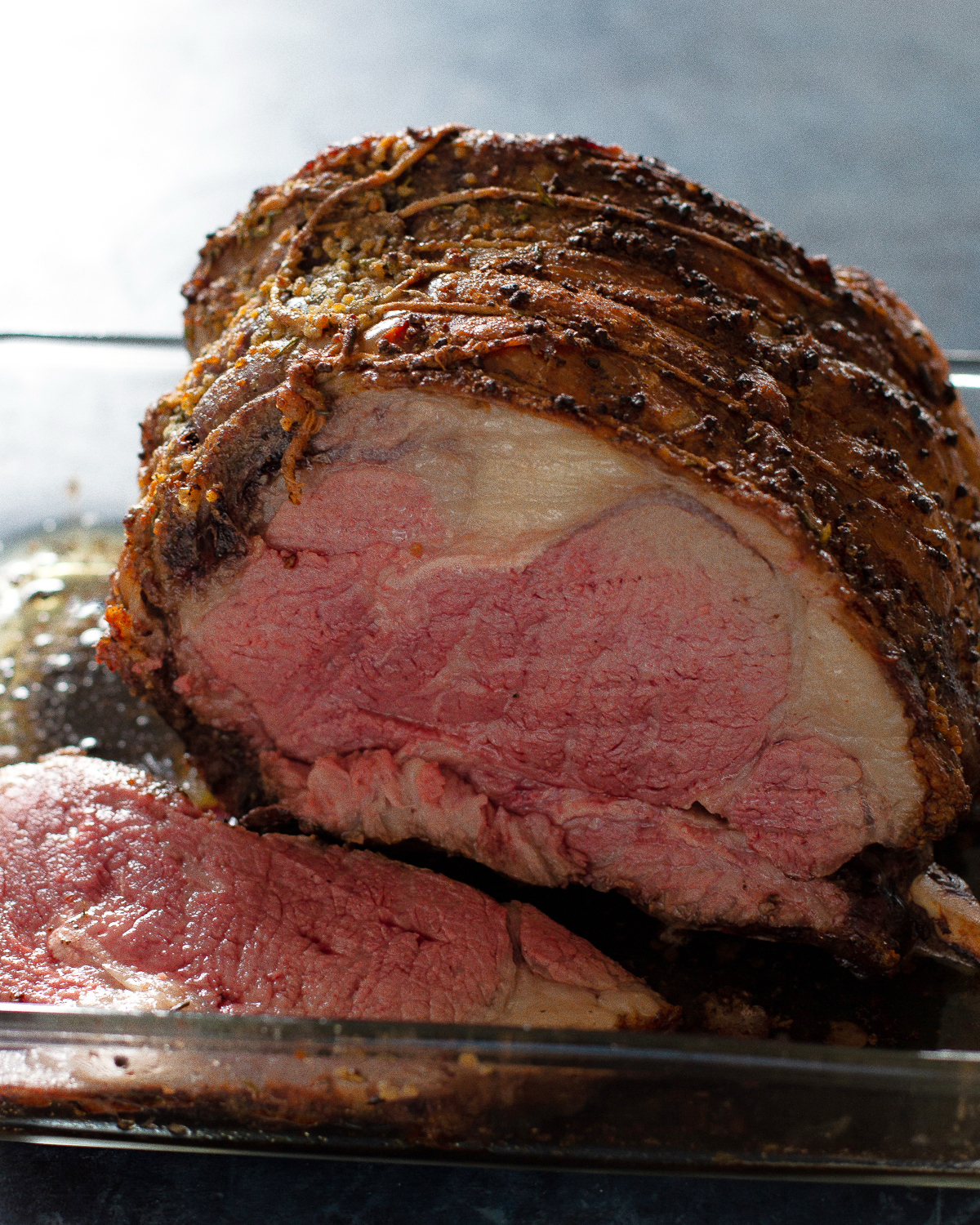
In the retail market, consumers typically encounter two grades of this cut: USDA Choice and USDA Prime. While the "Prime" designation in the cut’s name implies the USDA quality grade, many retail roasts are labeled as Choice. USDA Prime beef contains a higher degree of marbling, which translates to superior juiciness and flavor, particularly when subjected to prolonged, low-temperature cooking. Choosing between a bone-in or boneless roast remains a point of debate among chefs. A bone-in roast acts as a natural heat sink, protecting the meat during the roasting process and providing an aesthetic presentation. Furthermore, the bones contribute additional depth to the flavor of the meat and the resulting au jus.
The Chronology of Preparation
Achieving an optimal roast requires careful planning and a adherence to a specific sequence of operations. The process begins well before the oven is preheated. Tempering the meat—allowing the roast to sit at room temperature for approximately one to two hours before cooking—is critical. This step ensures that the center of the roast does not remain excessively cold, which would otherwise lead to uneven cooking.
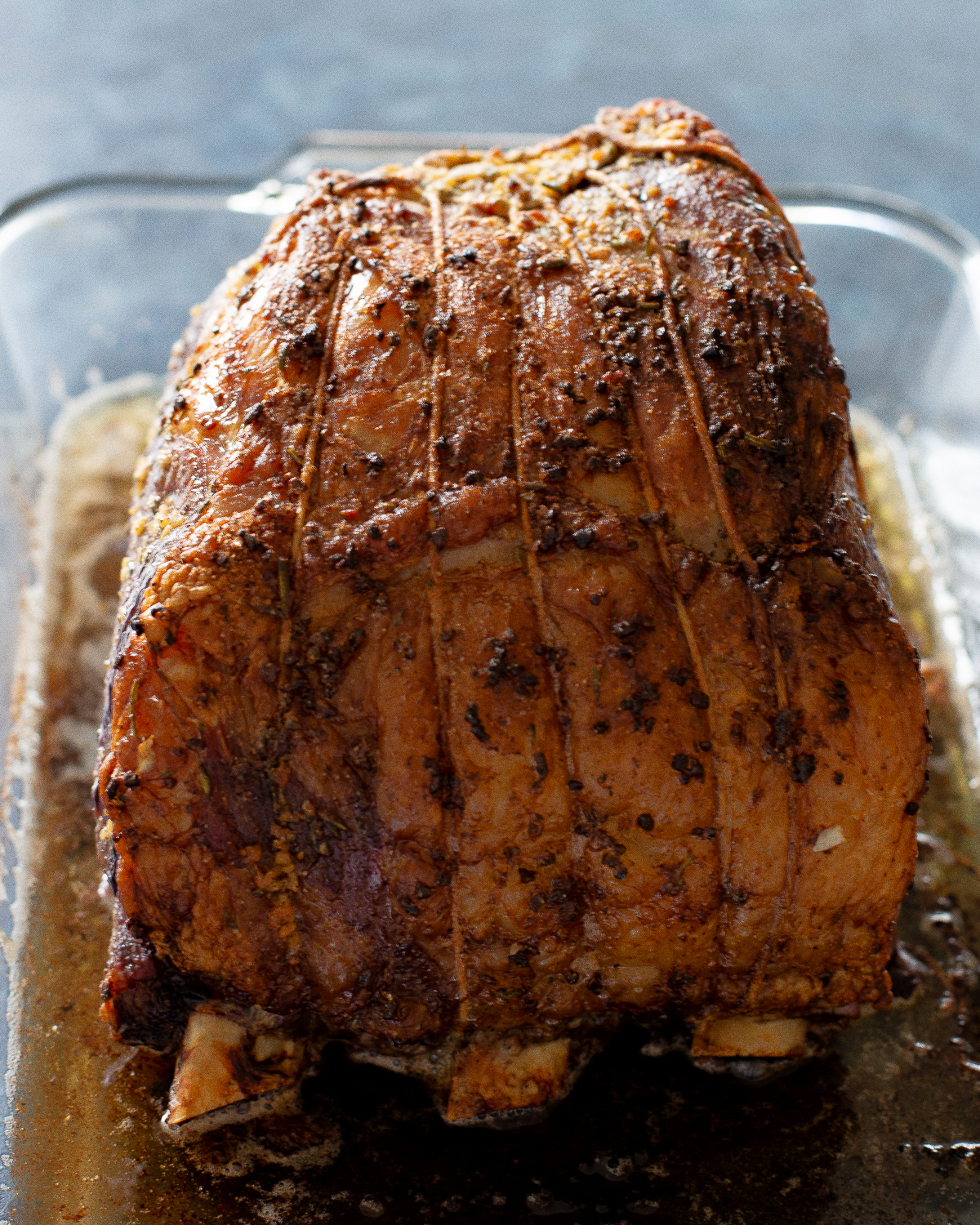
- Pre-Roasting Preparation: The surface of the meat should be dried thoroughly to ensure proper browning. A compound herb butter, typically consisting of unsalted butter, minced garlic, fresh rosemary, thyme, and kosher salt, is applied to the exterior. This coating creates a flavorful crust during the initial sear.
- The High-Heat Sear: Placing the roast in an oven preheated to a high temperature (typically 450°F to 500°F) for the first 15 to 20 minutes triggers the Maillard reaction. This chemical reaction between amino acids and reducing sugars creates the brown, savory crust characteristic of a well-prepared roast.
- The Low and Slow Phase: After the initial sear, the oven temperature is reduced significantly, often to 250°F or 300°F. This phase allows the internal temperature of the roast to climb gradually, preventing the exterior from overcooking before the center reaches the desired level of doneness.
- The Critical Rest Period: Once the target internal temperature is achieved, the roast must be removed from the oven and allowed to rest for at least 30 to 45 minutes. During this period, the internal juices redistribute throughout the muscle fibers, ensuring the meat remains succulent when sliced.
Technical Data: Temperature and Doneness
Precision is the primary metric of success in roasting prime rib. Relying on visual cues is largely discouraged in favor of using a calibrated meat thermometer. The following benchmarks are widely accepted for determining the internal state of the beef:
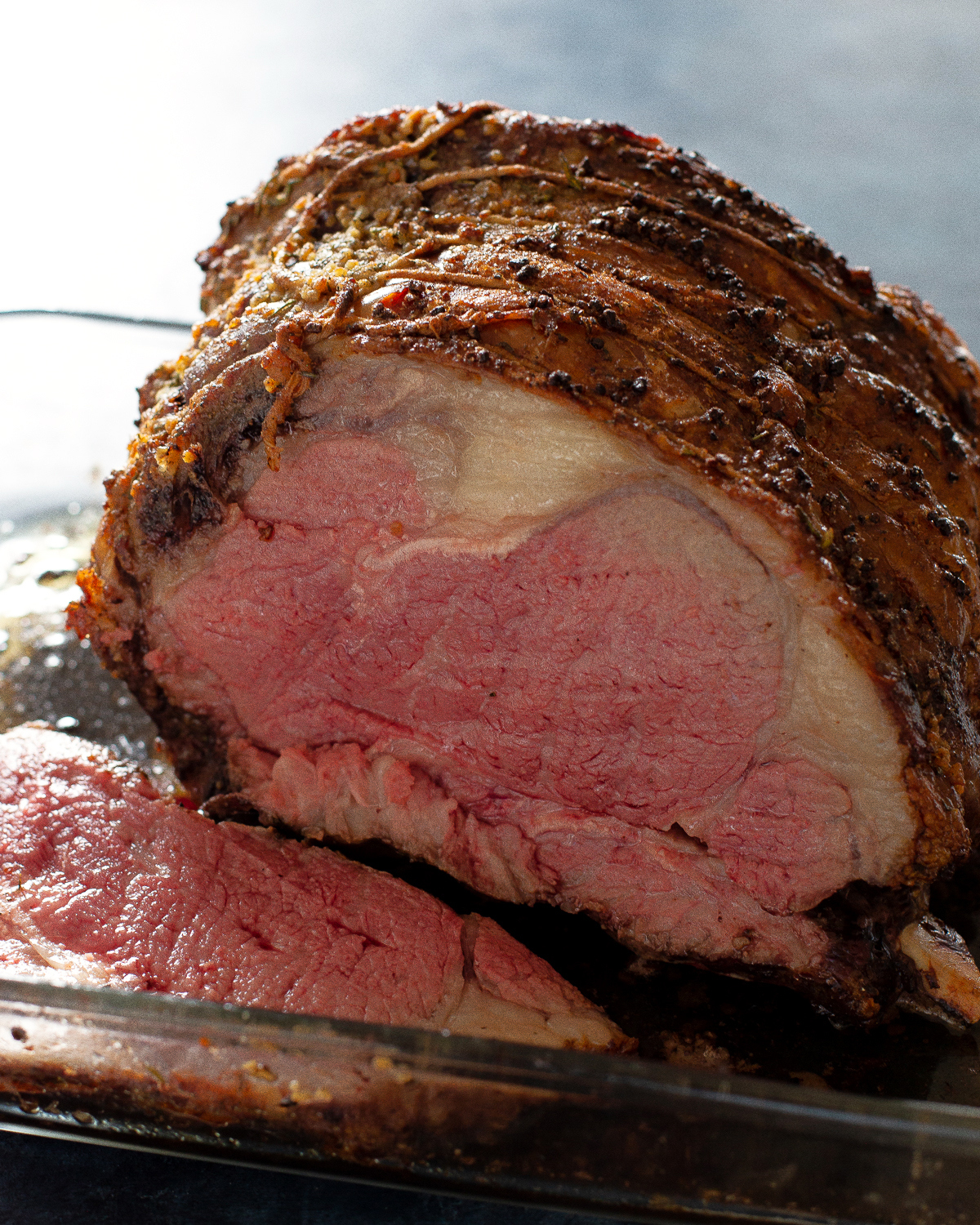
- Rare: Pull the roast at 115°F for a final resting temperature of 120°F.
- Medium-Rare: Pull the roast at 120°F for a final resting temperature of 125°F to 130°F.
- Medium: Pull the roast at 130°F for a final resting temperature of 135°F to 140°F.
- Medium-Well: Pull the roast at 140°F for a final resting temperature of 145°F to 150°F.
It is imperative to account for "carry-over cooking," a phenomenon where the internal temperature of a large roast continues to rise after it is removed from the heat source. If the roast is not pulled at the recommended lower temperature, it will inevitably exceed the desired doneness level during the resting phase.
Culinary Implications and Professional Standards
The preparation of prime rib has significant implications for event logistics. Because the roast requires a lengthy rest period, it is a highly efficient choice for large gatherings, as it frees up oven space and allows the cook to focus on secondary dishes. From a fiscal perspective, the investment in a high-quality roast—often costing upwards of $100 depending on weight—necessitates the use of a reliable thermometer to mitigate the risk of error.
Professional chefs often emphasize that the "au jus"—the thin, flavorful liquid produced by the drippings—should be treated as a component of the dish rather than an afterthought. By deglazing the roasting pan with beef stock and aromatics, the cook captures the concentrated browned bits (fond) from the pan, which are essential for a balanced final presentation.
Troubleshooting and FAQ
Common inquiries regarding prime rib preparation center on the necessity of covering the roast. Culinary experts consistently advise against covering the meat during the roasting process. Covering creates a humid environment, which causes the exterior to steam rather than brown, effectively destroying the crisp crust that defines a high-quality prime rib.
Another point of clarification involves the distinction between prime rib and ribeye. While they are cut from the same anatomical section, the primary difference is one of form: prime rib is the entire roast, which is roasted whole and then sliced, whereas a ribeye is a steak cut from that same roast prior to cooking. When purchasing a roast, requesting that the butcher "cut and tie" the bones is a common professional practice. This allows the meat to be roasted with the bones for flavor but makes the final carving process significantly easier, as the bones can simply be removed before slicing.
Broader Impact on Home Cooking Trends
The rise of high-precision kitchen technology, such as wireless leave-in thermometers and digital probe systems, has contributed to an increase in the popularity of "low and slow" roasting techniques in home kitchens. These tools provide real-time data, reducing the margin of error and allowing amateur cooks to achieve results previously reserved for commercial kitchens.
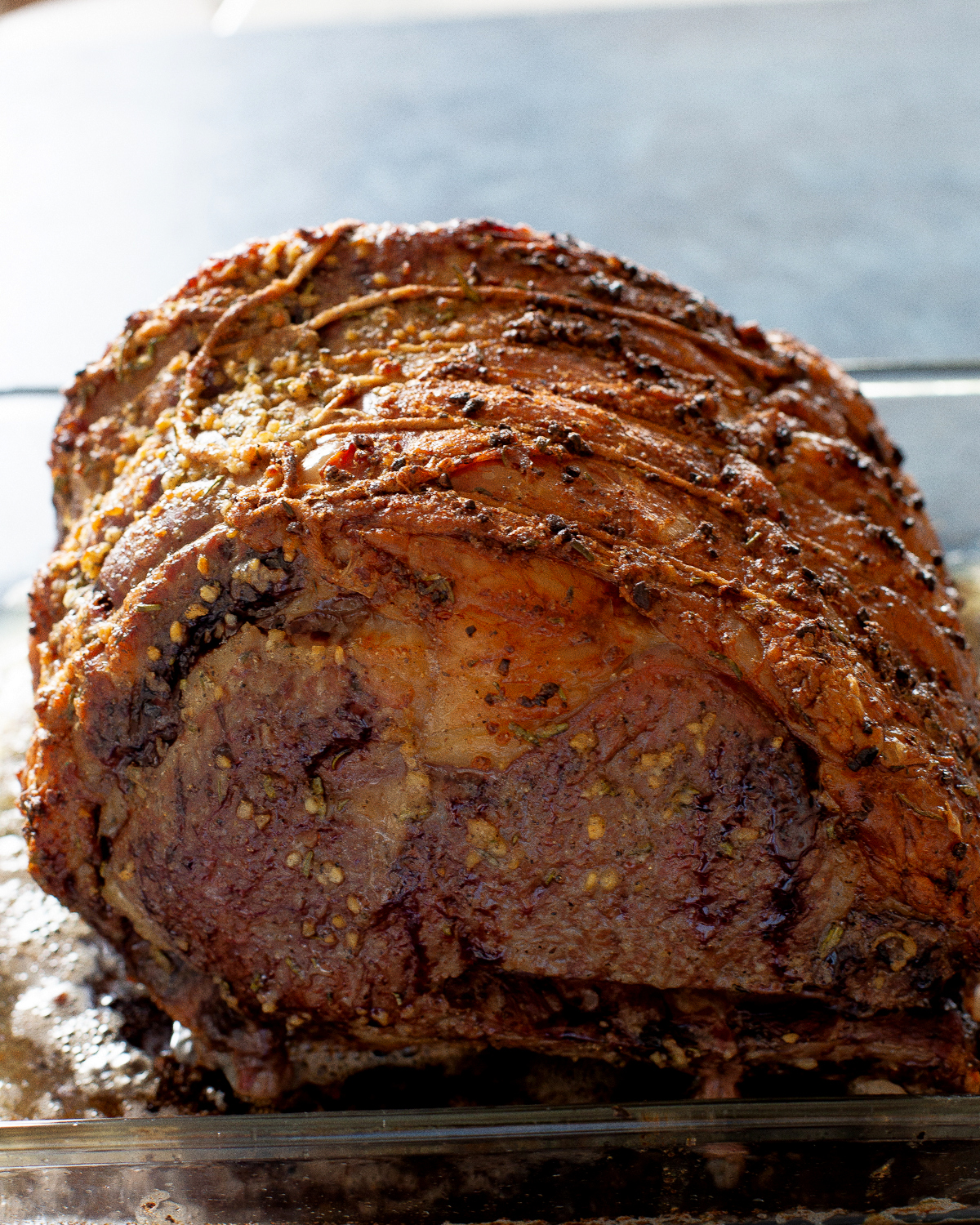
As consumer interest in culinary techniques continues to grow, the prime rib roast remains a staple of celebratory dining. By adhering to the principles of heat management, resting times, and accurate temperature monitoring, the home cook can transform a raw, high-value protein into a centerpiece that meets the highest standards of culinary excellence. Through the combination of traditional butchery and modern thermal monitoring, the prime rib stands as a testament to the fact that complex-looking dishes can be executed with consistency and precision.