Culinary Origins and the Science of Pairing
The pairing of pork and apples is not a modern invention but rather a historic marriage of regional ingredients common to temperate climates in Europe and North America. Historically, apple orchards were frequently co-located with livestock operations, as the fruit provided a manageable food source that could be stored through the winter, while the pork served as the primary protein source.
From a food chemistry perspective, this combination is highly effective. Pork, particularly when sourced from the rib or center-cut, is a protein that can be perceived as "rich" or "fatty." The natural acidity found in apples—specifically varieties like Honeycrisp or Pink Lady—serves to cut through this richness, effectively cleansing the palate. When cooked in a reduction of apple cider, the natural sugars in the fruit caramelize, creating a complex sauce that benefits from the addition of balsamic vinegar, which provides a deeper, fermented acidity to balance the sweetness.
Selection and Procurement Standards
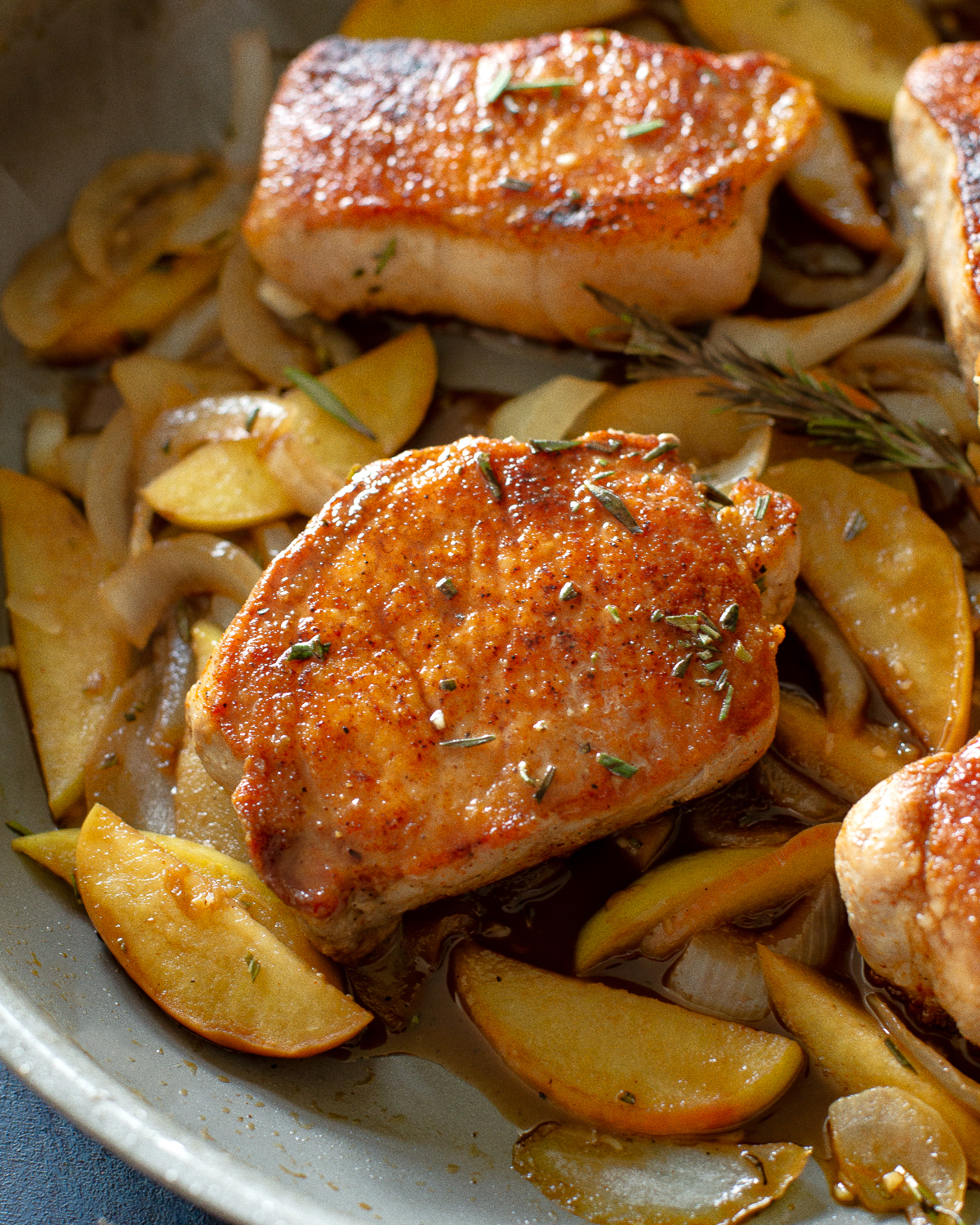
The success of this dish is contingent upon the initial procurement of ingredients. Culinary experts and butchers emphasize the importance of selecting the correct cut of pork. Standard culinary practice dictates the use of bone-in rib or center-cut chops, ideally between 1 to 1.5 inches in thickness.
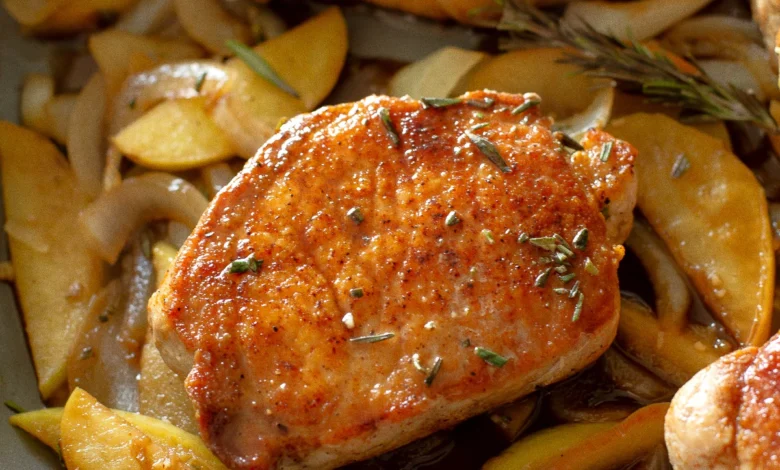
The rationale behind this requirement is twofold: thermal mass and moisture retention. Thinner cuts of meat possess a lower thermal mass, meaning they reach their internal temperature threshold—typically 145 degrees Fahrenheit for safe consumption—before the surface can achieve a proper Maillard reaction (the browning process). Consequently, thin chops are frequently overcooked and rendered dry. A thicker cut allows for a high-heat sear that develops a flavorful crust while the interior remains succulent.
Similarly, the selection of fruit is vital. Apples must maintain structural integrity when subjected to high heat. Varieties with a low starch-to-sugar ratio and high cell density, such as the aforementioned Honeycrisp, are preferred because they resist collapsing into an applesauce consistency.
Procedural Chronology: A 30-Minute Execution
The preparation process follows a standardized, efficient workflow that prioritizes the optimization of pan drippings.
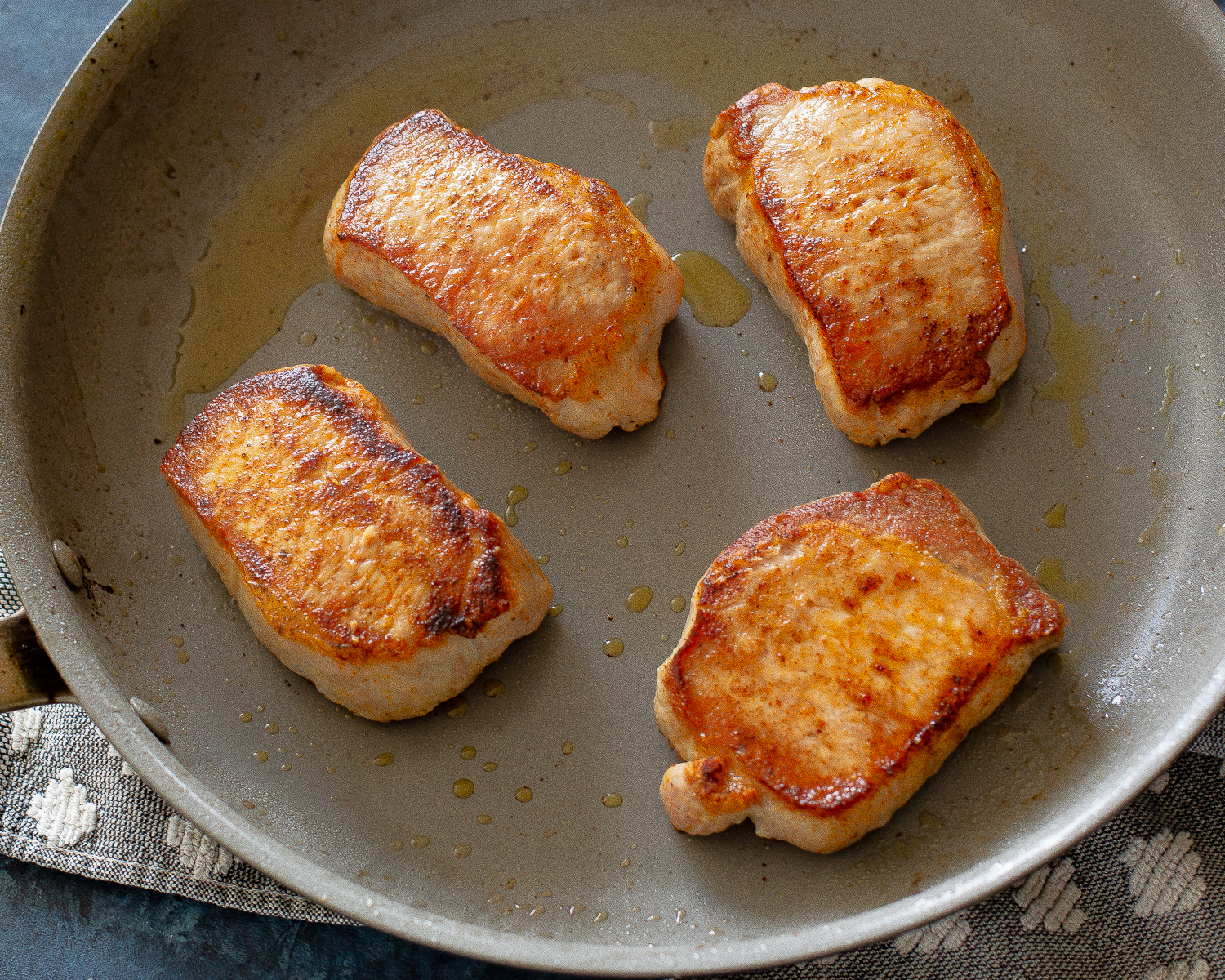
- Searing Phase (0–8 minutes): The process begins by seasoning the pork chops and searing them in a preheated, heavy-bottomed skillet. This stage is critical for developing the browned bits—fond—at the bottom of the pan, which serve as the foundation for the final sauce.
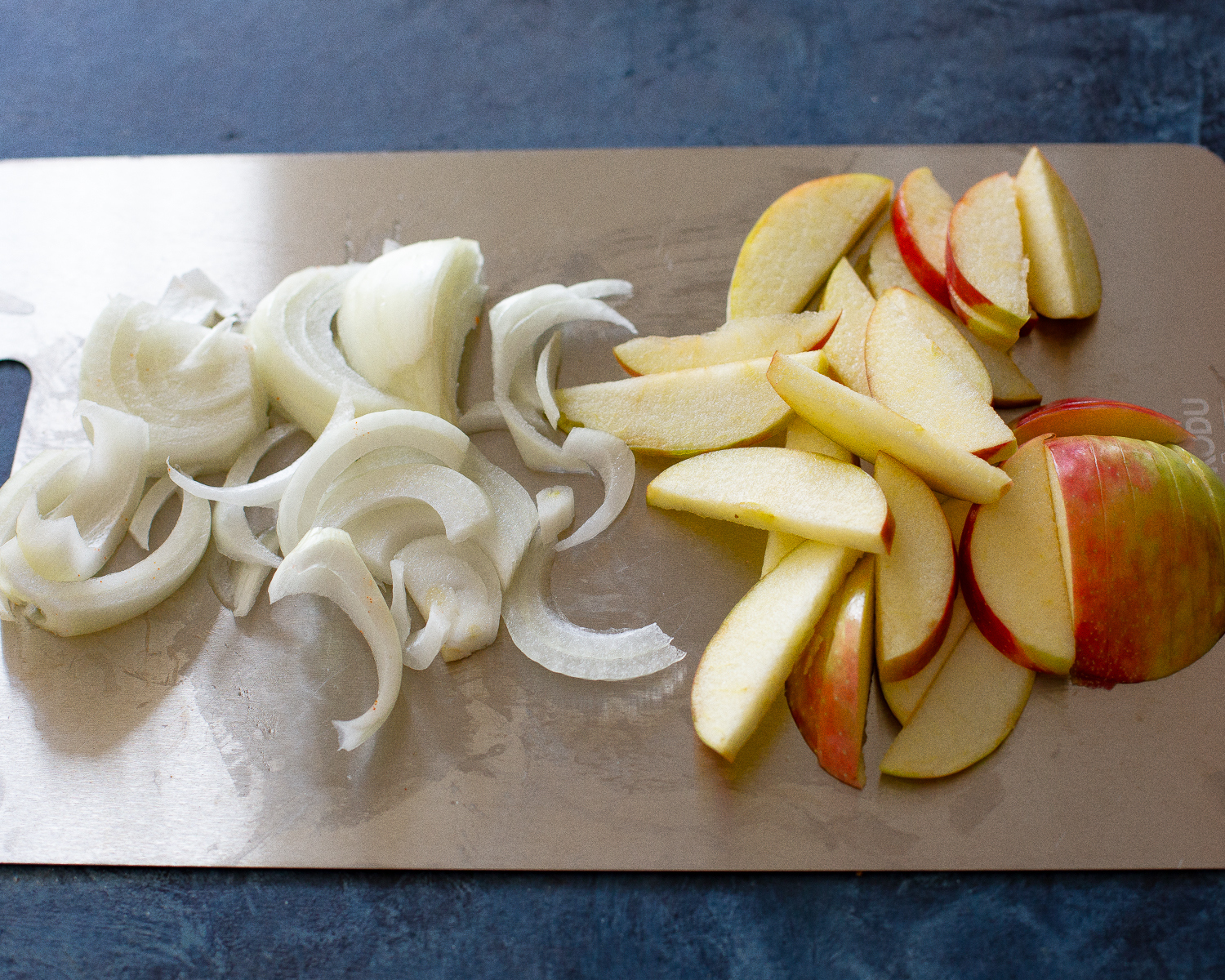
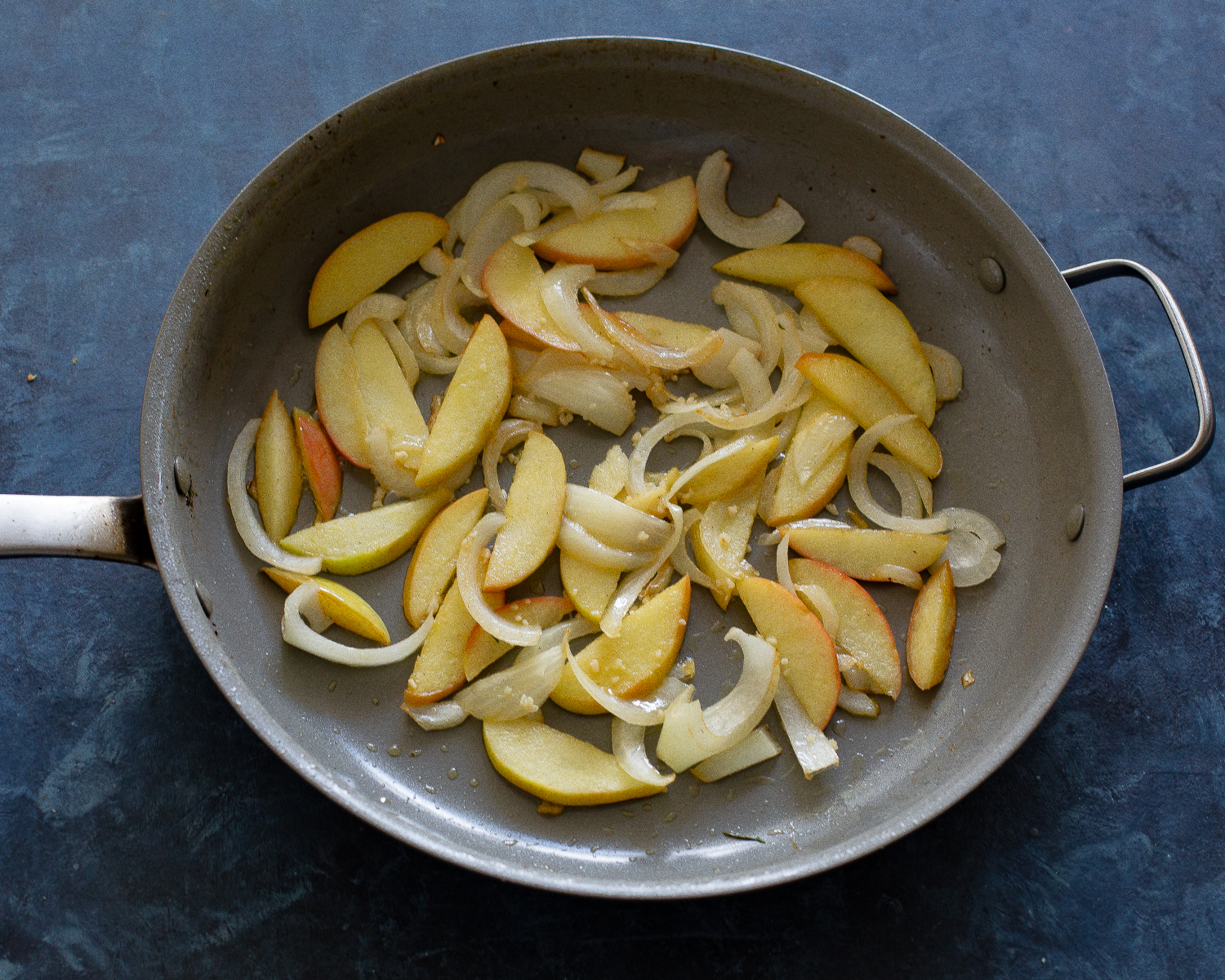
- Fruit and Aromatics Integration (8–20 minutes): Once the pork is removed from the skillet, the apples and onions are introduced. These are cooked until tender. The onions release their moisture, which helps to lift the fond from the pan.
- Deglazing and Reduction (20–25 minutes): Apple cider is added to the pan to deglaze it. This liquid is then reduced to a syrup-like consistency. The addition of rosemary provides an herbal contrast to the sweetness of the fruit, while a splash of balsamic vinegar is introduced in the final stages to provide a sharp, acidic finish.
- Final Assembly (25–30 minutes): The pork chops are returned to the pan to be glazed by the sauce, ensuring that the meat absorbs the flavors of the cider reduction.
Nutritional Implications and Data
From a nutritional standpoint, pork chops offer a significant source of complete protein, B vitamins, and essential minerals such as selenium and zinc. When prepared with fresh fruit and minimal refined sugars, the dish aligns with balanced dietary patterns.
Recent food industry data suggests a steady increase in the consumption of "comfort foods" that utilize fresh, whole-food ingredients. According to recent market analysis, home cooking trends post-2020 have shifted toward recipes that require fewer than 45 minutes of active preparation time but offer the aesthetic and sensory appeal of restaurant-quality meals. The "one-skillet" method specifically addresses the consumer demand for reduced cleanup time, a significant barrier to home meal preparation for working families.
Broader Economic and Agricultural Impact
The popularity of recipes involving seasonal produce like apples has downstream effects on local agricultural economies. By encouraging the use of fresh, crisp apple varieties, consumers support regional orchard operations that rely on direct-to-consumer sales during the autumn harvest season.
Furthermore, the emphasis on bone-in pork cuts has helped to sustain demand for specific butchery practices that are often sidelined in favor of mass-produced, pre-packaged boneless fillets. The move toward higher-quality, thicker-cut pork necessitates better animal husbandry and processing standards, as quality and marbling become the primary indicators of a superior finished product.
Professional Recommendations for Consistent Results
For home cooks looking to replicate professional standards, experts offer the following technical recommendations:
- Internal Temperature Monitoring: Use a digital meat thermometer to ensure the pork is pulled from the heat at exactly 145°F. Residual heat will allow the meat to reach a safe, juicy temperature during the resting phase.
- The Importance of Resting: Allowing the meat to rest for at least five minutes after cooking is non-negotiable. This process allows the muscle fibers to relax and reabsorb the juices, preventing them from leaking out upon the first slice.
- Skillet Material: The use of stainless steel or cast iron is highly recommended over non-stick coatings. These materials are superior at conducting and retaining heat, which is essential for achieving the golden-brown crust that defines a well-seared pork chop.
Conclusion and Future Outlook
Pork Chops with Apples and Onions serves as a microcosm of successful modern cooking: it is a dish that honors traditional flavor pairings while utilizing contemporary techniques to minimize labor and maximize flavor. As the culinary landscape continues to shift toward dishes that are both efficient and nutrient-dense, this combination remains a cornerstone of the home kitchen. By adhering to the principles of proper protein selection, temperature management, and the thoughtful use of acidic balancing agents, the dish remains a reliable, scalable, and sophisticated option for any night of the week.
As food technology and home cooking equipment continue to evolve, the core methodology—searing to build flavor and reducing liquids to create complexity—remains the gold standard for success. Whether prepared for a solitary dinner or a larger family gathering, the dish’s adaptability ensures its continued relevance in the culinary lexicon. The simplicity of the ingredients, combined with the technical satisfaction of the preparation, guarantees that the classic pairing of pork and apples will continue to be a favored selection for years to come.