The Anatomy of Restaurant-Style Salsa
Unlike the chunky, rustic pico de gallo—which relies on crisp, raw ingredients diced by hand—restaurant-style salsa is defined by its homogenized, smooth consistency and deep, integrated flavor profile. The primary distinction lies in the preparation of the base vegetables. While standard home salsas often prioritize freshness through raw components, the restaurant variant relies on thermal processing to unlock specific flavor compounds.

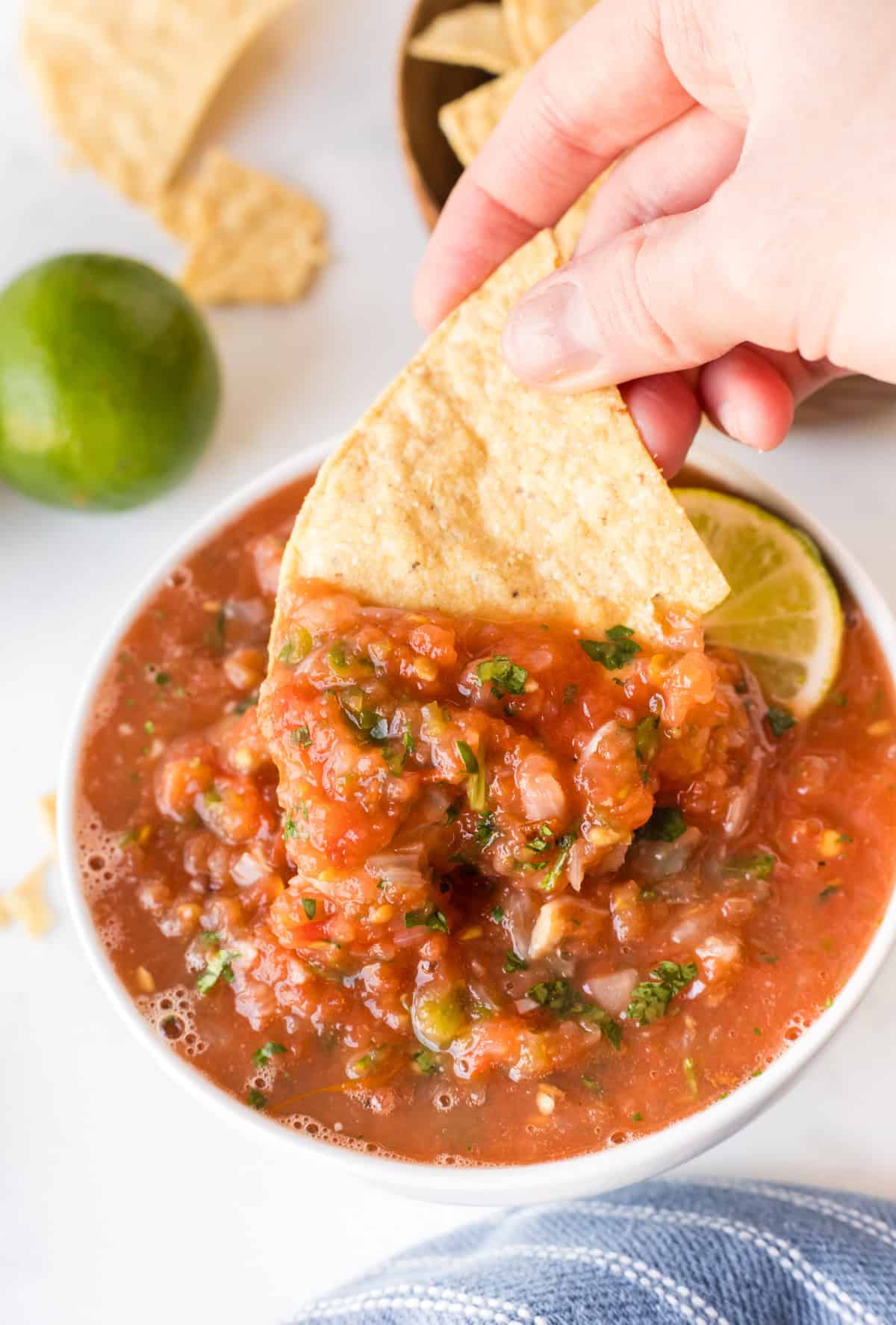
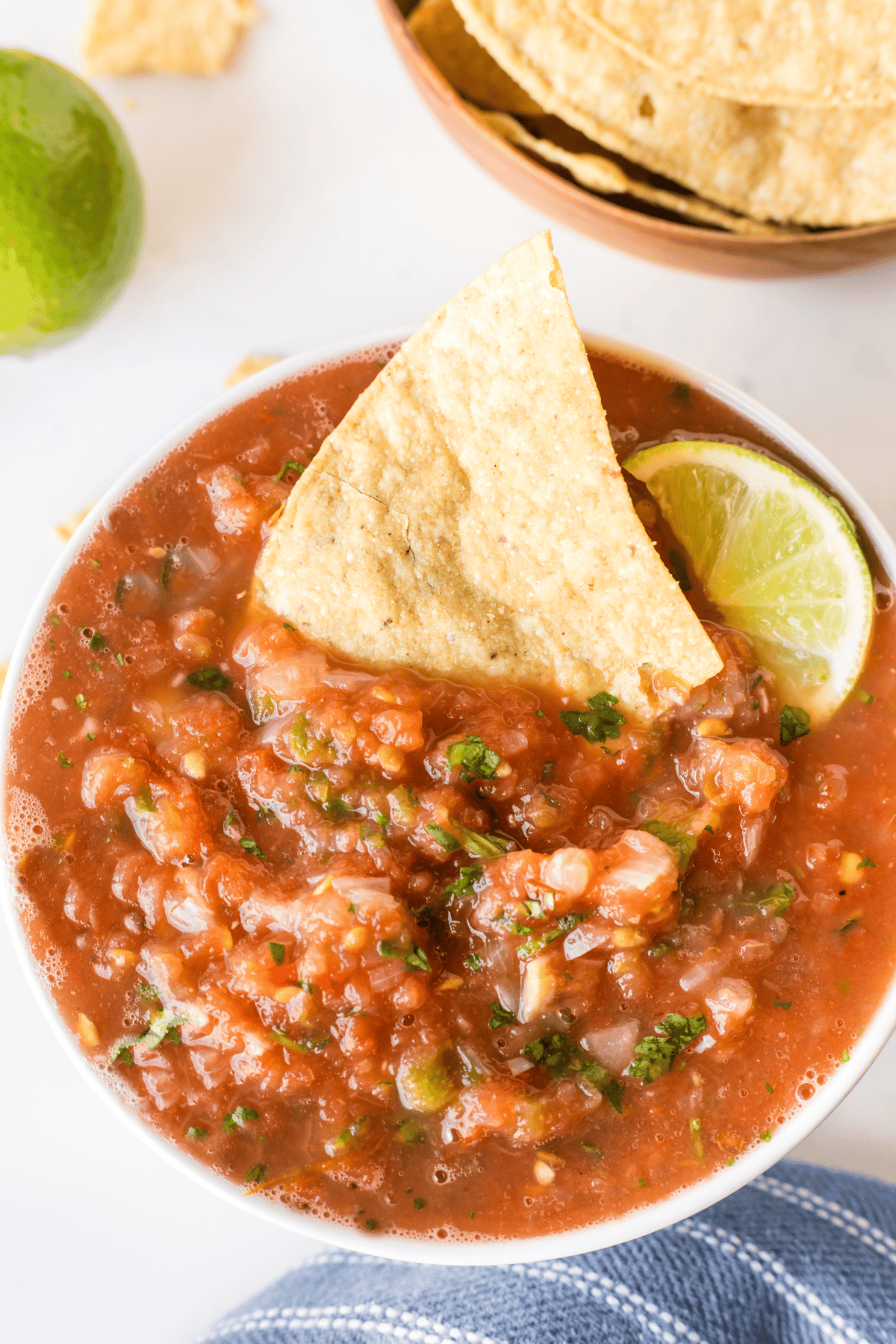
By broiling tomatoes, jalapeños, and garlic, a Maillard reaction occurs on the surface of these vegetables. This process caramelizes natural sugars and creates a subtle, smoky undertone that cannot be replicated through raw blending alone. When these charred ingredients are combined with acidic elements like lime juice and aromatics like cilantro, the resulting emulsion creates the balanced, tangy, and slightly spicy profile that consumers have come to associate with professional kitchens.
Historical Context and Culinary Evolution
The rise of restaurant-style salsa in the United States tracks alongside the growth of Mexican cuisine as a primary category in the American dining industry. According to industry data from the National Restaurant Association, Mexican cuisine has consistently ranked among the top three ethnic cuisines in the United States for over two decades. The "chips and salsa" phenomenon emerged as a cost-effective way for restaurateurs to provide an immediate value-add to the customer experience.
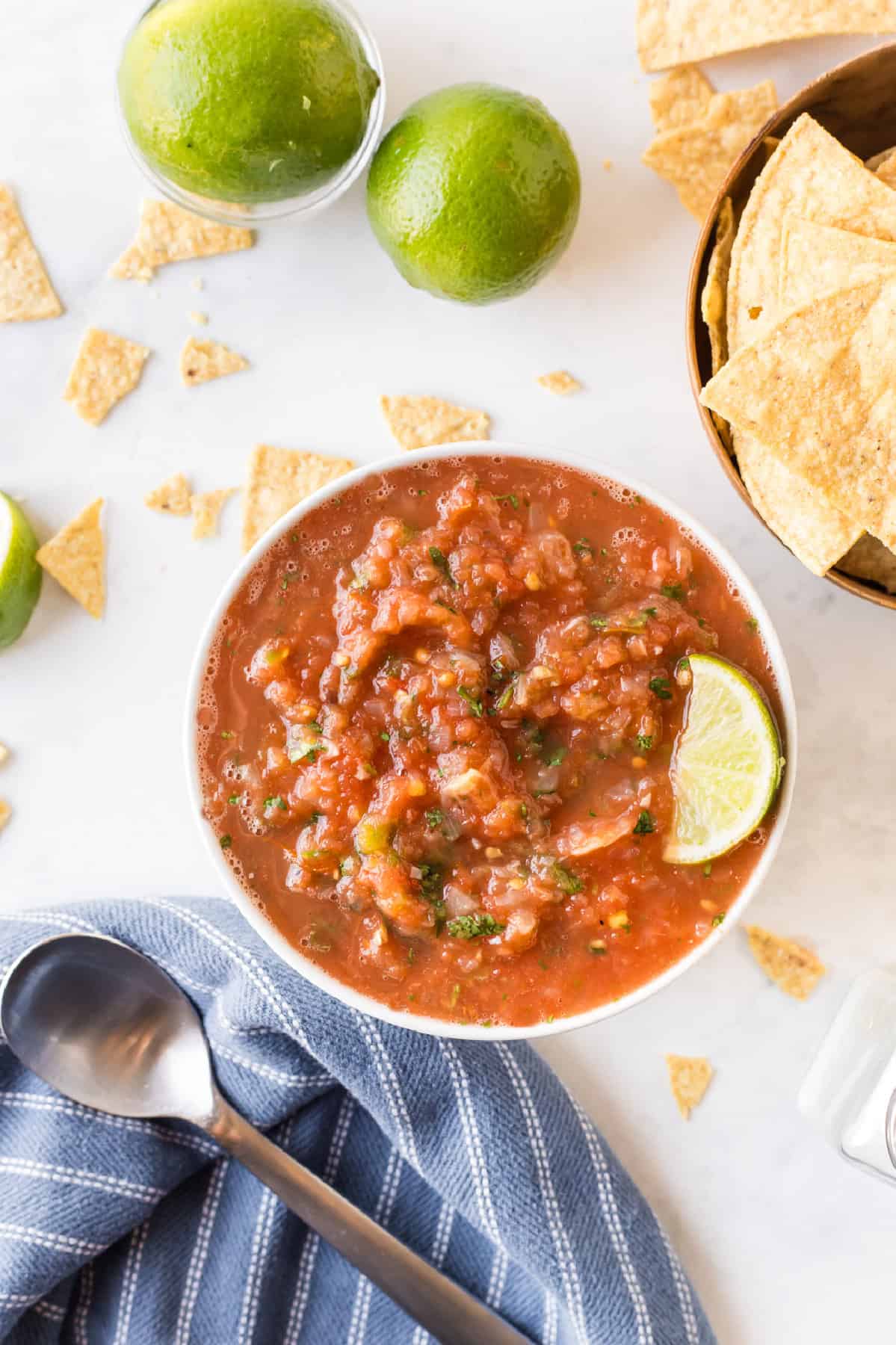
Economically, the popularity of this condiment is tied to its high profit margin and low food cost. Because the base ingredients—tomatoes, onions, and peppers—are widely available and inexpensive, establishments have refined the process to create a signature flavor that encourages repeat patronage. The shift toward a smoother, blended consistency in the 1980s and 1990s helped standardize the product, allowing it to become a reliable, shelf-stable, or batch-prepared item that maintains consistent quality across multiple servings.
Chronology of Preparation: The 20-Minute Standard
The efficiency of restaurant-style salsa is a hallmark of modern kitchen workflow. The process follows a strict chronological order designed to maximize flavor while minimizing labor.
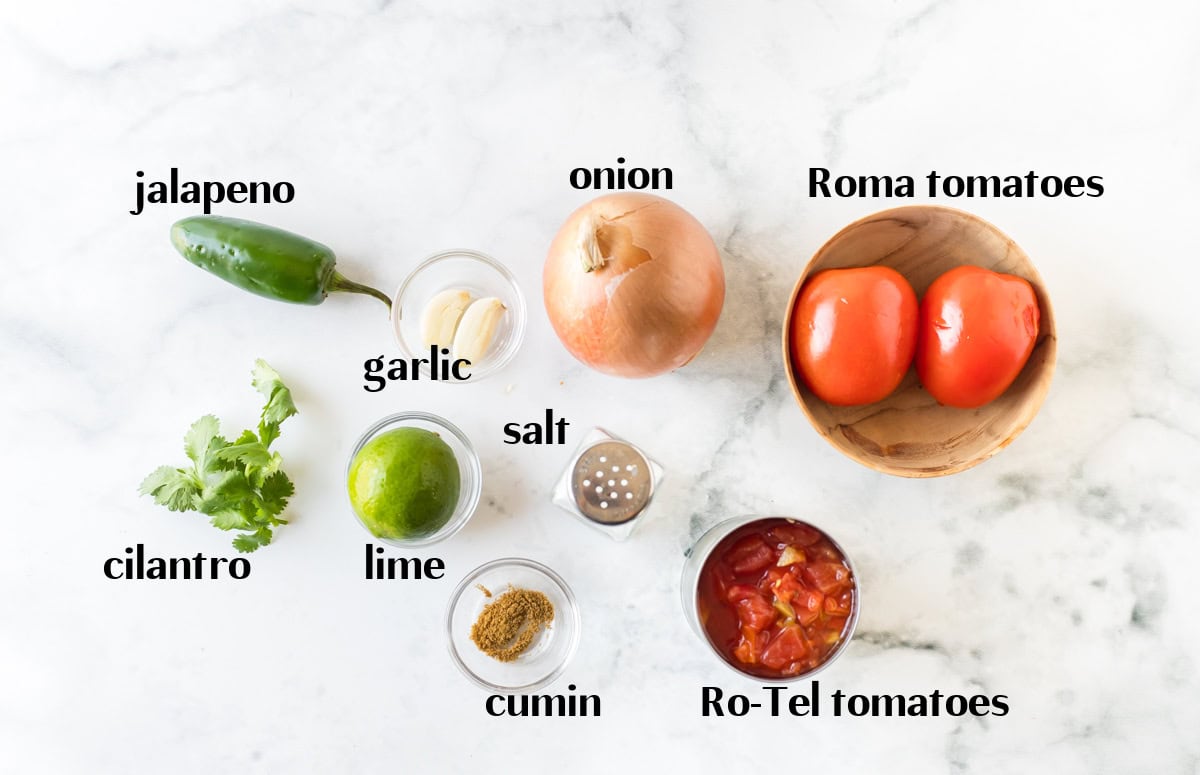
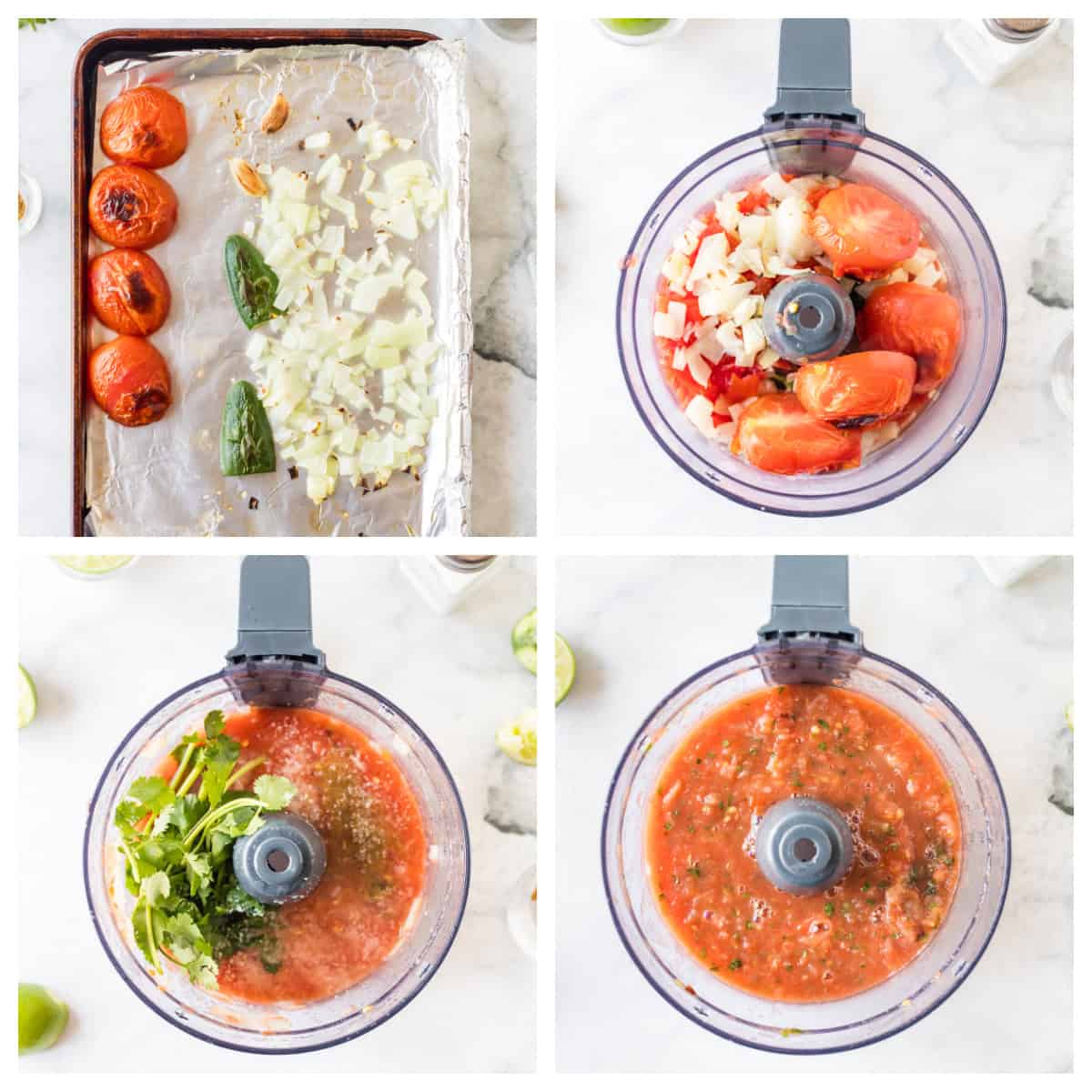
- Pre-heat and Char (0–7 minutes): The oven or broiler is preheated to high. Whole or halved tomatoes, onions, garlic cloves, and jalapeños are placed on a sheet pan. The goal is not to cook the vegetables through, but to blister the outer skins.
- Thermal Integration (7–10 minutes): Once the skins are blackened, the vegetables are removed. The char provides a smoky backbone that permeates the final mixture.
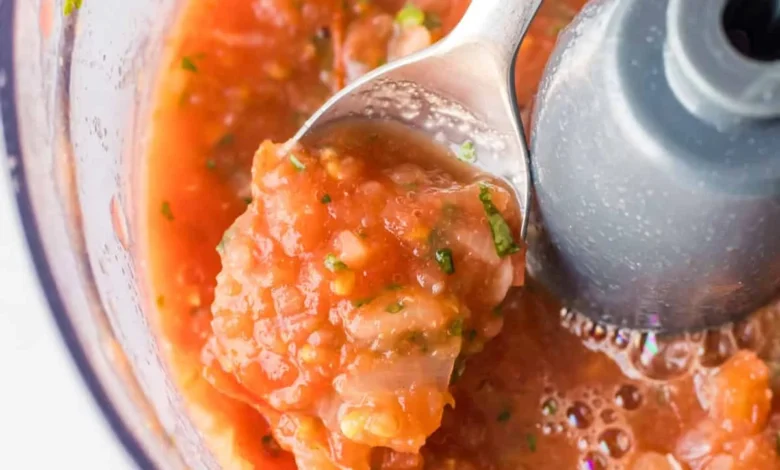
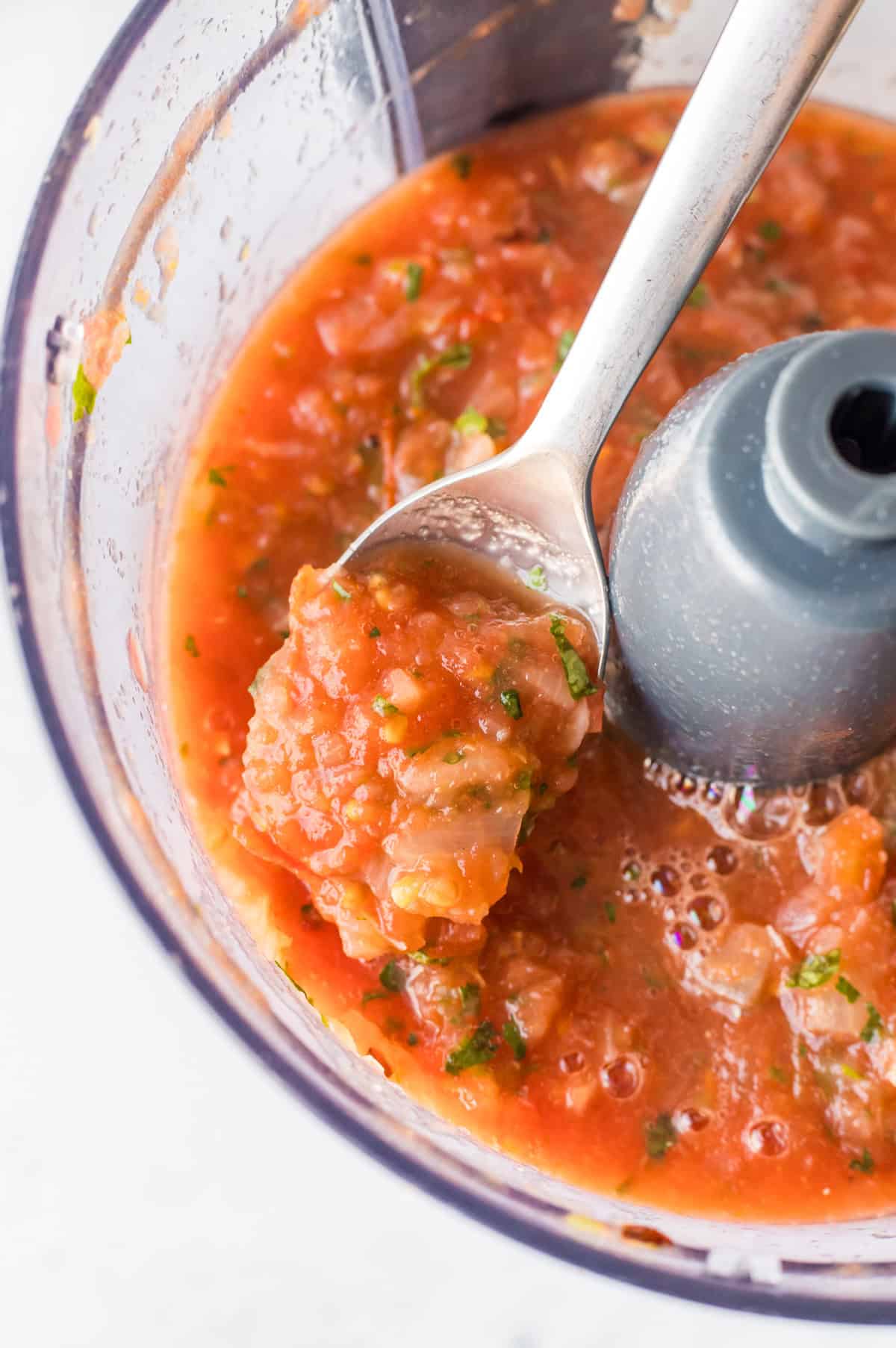
- Maceration and Emulsification (10–15 minutes): The cooled vegetables are transferred to a food processor. Crucially, the addition of cilantro, salt, cumin, and lime juice happens at this stage. The pulse setting on the processor is the most critical variable; short, sharp pulses ensure the mixture remains slightly textured, while continuous blending creates the uniform "restaurant" consistency.
- The Mingle Phase (15 minutes and beyond): While the salsa is technically ready to serve immediately, culinary experts note that the "mingling" period—where the acids break down the cellular walls of the cilantro and onions—significantly improves the complexity of the flavor.
Supporting Data: Nutritional and Economic Metrics
From a nutritional perspective, restaurant-style salsa is an outlier in the appetizer category. A standard three-ounce serving contains approximately 10 to 15 calories, making it a significantly lower-calorie alternative to cheese-based dips like queso or heavy guacamole.
The primary health benefits include high levels of Vitamin C and Vitamin A, derived from the roasted tomatoes and fresh cilantro. Furthermore, because the dish is primarily composed of water-dense vegetables, it offers high hydration levels. However, consumers should remain mindful of sodium levels. In a restaurant environment, the salt content is often elevated to enhance the flavor profile; homemade versions allow for a controlled sodium intake, typically hovering around 150mg per serving.
Professional Perspectives on Flavor Profiles
Executive chefs and food scientists often point to the "Balance of Five" when discussing successful salsa: acidity, salinity, heat, sweetness, and smokiness. The use of Rotel-style canned tomatoes in many home-based recipes serves as a "shortcut" to achieving the correct salinity and tomato density without the variability of sourcing fresh, out-of-season tomatoes.
"The secret to replicating the restaurant experience is not about buying exotic ingredients, but about mastering the intensity of the heat source," explains culinary consultant Marcus Thorne. "When you broil, you are essentially concentrating the flavor of the tomato. If you skip the char, you are just making a cold vegetable soup. The char provides the bridge between the brightness of the lime and the earthy heat of the pepper."
Broader Impact and Industry Implications
The trend toward "DIY restaurant-quality" meals has been bolstered by the rise of home food processing technology. High-speed blenders and food processors have made it possible for the average consumer to achieve a restaurant-grade texture in seconds. This shift has had a measurable impact on the grocery retail sector, with sales of fresh salsa ingredients and cilantro seeing steady growth as home cooks pivot away from jarred, mass-produced shelf-stable options.
The implications for the restaurant industry are two-fold. First, the bar for "standard" appetizers has been raised; patrons who learn to make high-quality salsa at home are more discerning about the freshness of the product served to them in dining rooms. Second, the simplicity of the recipe has fostered a culture of customization. As consumers experiment with adding charred corn, roasted tomatillos, or variations in pepper heat (such as habanero for extreme heat or poblano for mild smokiness), they are creating a personalized version of the classic that further differentiates their home-cooked meals from commercial alternatives.
Managing Variables for Consistent Results
To ensure success in a home kitchen, adherence to specific techniques is required. The most common error in making restaurant-style salsa is over-processing the ingredients, which can lead to a watery or aerated mixture. To prevent this, professional kitchens often use the "pulse-and-chill" method.
Temperature management is equally vital. Blending hot vegetables immediately after broiling can result in a salsa that is too thin. Allowing the charred vegetables to reach room temperature before blending helps retain the desired viscosity. Furthermore, the selection of the pepper is the primary lever for heat control. Removing the placenta and seeds from the jalapeño reduces the capsaicin concentration significantly, allowing the cook to prioritize flavor over raw heat.
Conclusion: The Sustainability of a Classic
Restaurant-style salsa remains a timeless addition to the modern diet, not only for its flavor but for its versatility. Whether utilized as a dip, a topping for grilled proteins, or a base for more complex sauces, its role in the culinary landscape is firmly cemented. By understanding the chemical reactions involved in the broiling process and the importance of the blending technique, the home cook can replicate a professional dining experience with minimal cost and time, ensuring that the bowl remains a fixture of the dining table for years to come.