Coca Cola Cake: A Deep Dive Into the History and Science of a Southern Culinary Icon

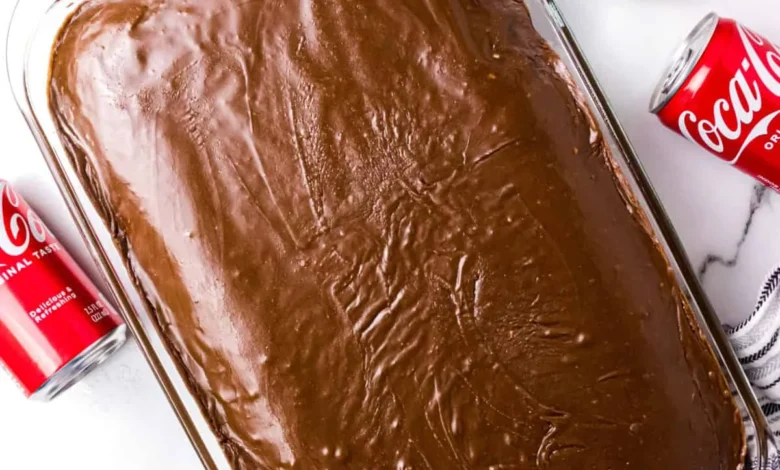
The Coca Cola Cake occupies a unique space in the pantheon of American desserts, serving as a cultural bridge between the industrial rise of the 20th-century soft drink industry and the traditional home-baking practices of the American South. Often characterized by its dense, fudge-like texture and a warm, pourable glaze, this sheet cake has evolved from a regional novelty into a staple of church socials, family reunions, and holiday tables across the United States. While the recipe relies on standard pantry staples, the inclusion of carbonated soft drinks serves a specific chemical function that distinguishes it from traditional cocoa-based cakes.

Historical Context and Origins
The integration of carbonated beverages into baked goods gained significant traction during the mid-20th century. As Coca-Cola’s distribution network expanded rapidly, the beverage became a ubiquitous household item. Culinary historians suggest that the emergence of the Coca Cola Cake recipe during the 1950s was a byproduct of the era’s "convenience cooking" movement, which encouraged home cooks to utilize mass-marketed branded products to streamline kitchen labor.
By the 1960s, the recipe had become a fixture in community cookbooks and regional newspaper columns throughout the Southern United States. Unlike traditional butter-based cakes, which required significant creaming of fat and sugar, the Coca Cola Cake utilized a method similar to the Texas Sheet Cake, where ingredients are brought to a boil before being combined with dry components. This shift not only reduced preparation time but also ensured a consistently moist outcome, even for novice bakers.

The Chemistry of Carbonation and Chocolate
From a culinary science perspective, the inclusion of Coca-Cola in a cake batter is not merely a gimmick for marketing; it serves a functional purpose. The carbonation, combined with the acidity of the soda, reacts with leavening agents—typically baking soda—to assist in the rising process, contributing to a lighter crumb despite the cake’s inherent density.
Furthermore, the high sugar content and the specific profile of the syrup provide a distinctive flavor profile that enhances the cocoa powder. The acidity in the soda helps to "bloom" the cocoa, a process that releases deeper, more intense chocolate notes that are often muted in standard recipes. When the frosting is prepared—a process involving boiling cocoa, butter, and soda—the result is a ganache-like glaze that, when poured over the cake while both are warm, penetrates the surface. This creates a signature "soak" that keeps the dessert moist for several days, a property that has made it a preferred choice for large-scale catering and potluck events.

Statistical Popularity and Culinary Trends
Data regarding home-baking trends over the last decade indicates a resurgence of interest in "retro" or "heirloom" recipes. According to aggregated search trends from major culinary platforms, interest in vintage Southern desserts has grown by approximately 22% since 2018. The Coca Cola Cake, specifically, consistently ranks among the top ten searched cake recipes during the holiday season and summer picnic months.
The popularity of the 9×13-inch pan format, which is standard for this recipe, aligns with the modern consumer’s preference for high-yield, low-maintenance baking. With an average preparation time of 25 minutes and a total bake time under an hour, the recipe meets the efficiency requirements of contemporary domestic life. Nutritional data suggests that a single serving of this dense, sugar-rich dessert averages between 550 and 600 calories, reflecting its status as a celebratory, indulgent item rather than a dietary staple.

Professional Perspectives on the Recipe
Culinary professionals often cite the Coca Cola Cake as an excellent example of "pantry engineering." By utilizing items that are almost always present in a residential kitchen—flour, sugar, cocoa, butter, and soda—the recipe removes the barrier of entry associated with complex pastry techniques.
"The beauty of this recipe lies in its forgiveness," notes a representative from a regional culinary society. "The liquid-to-dry ratio is balanced to prevent the cake from drying out, which is the most common failure point in home baking. When you pour the frosting while the cake is still warm, you are effectively creating a moisture barrier that seals the crumb, ensuring the product remains shelf-stable for an extended period."

Chronology of Preparation
The standard preparation protocol for this dessert is divided into two distinct phases, designed to maximize the synergy between the cake and the glaze:
- Preparation of the Batter: The wet and dry ingredients are whisked to create a uniform, thin batter. The inclusion of miniature marshmallows is a common variation, intended to melt into the batter during the 40-minute bake time, providing pockets of moisture.
- The Glazing Window: The most critical step occurs upon removing the cake from the oven. The frosting must be prepared and kept warm. Pouring the frosting immediately onto the hot cake is essential; if the cake cools significantly, the glaze will sit on top rather than absorbing into the surface.
- The Setting Phase: The cake requires at least one hour to cool completely. During this time, the sugars in the glaze crystallize slightly, forming the characteristic fudgy crust that defines the final product.
Broader Implications and Adaptations
While the traditional recipe calls for classic Coca-Cola, modern adaptations have introduced a range of variations that reflect changing dietary preferences and flavor profiles. Substitutions such as Dr. Pepper or Pepsi are commonly documented in regional variations, with users noting that the spice profile of Dr. Pepper adds a subtle complexity to the chocolate.

Furthermore, the introduction of nut-based variations, particularly using toasted pecans, has become a standard method for adding texture to the otherwise soft crumb. There has also been a noted increase in the use of diet sodas to reduce the sugar content, though bakers caution that the lack of real sugar in diet alternatives can alter the chemical reaction and the final texture of the crumb.
The Coca Cola Cake remains a significant artifact of American food history. It reflects a period of transition where industrial products were successfully integrated into the home kitchen, creating a result that, while rooted in processed ingredients, achieves a level of culinary satisfaction that has withstood the test of time. As culinary trends shift toward more complex, artisan-style desserts, the enduring popularity of this simple, reliable, and deeply nostalgic cake suggests that there is still a significant market for accessible, high-quality comfort food.

In conclusion, the Coca Cola Cake is more than a novelty item. It is a scientifically sound, historically significant recipe that continues to be a foundational element of Southern hospitality. Its ability to provide a consistent, high-quality dessert with minimal effort ensures that it will likely remain a fixture in American kitchens for generations to come. Whether served as a standalone treat or accompanied by a scoop of vanilla ice cream, the cake serves as a reminder of the effectiveness of simple, time-tested baking techniques.