The Evolution of the Hybrid Dessert
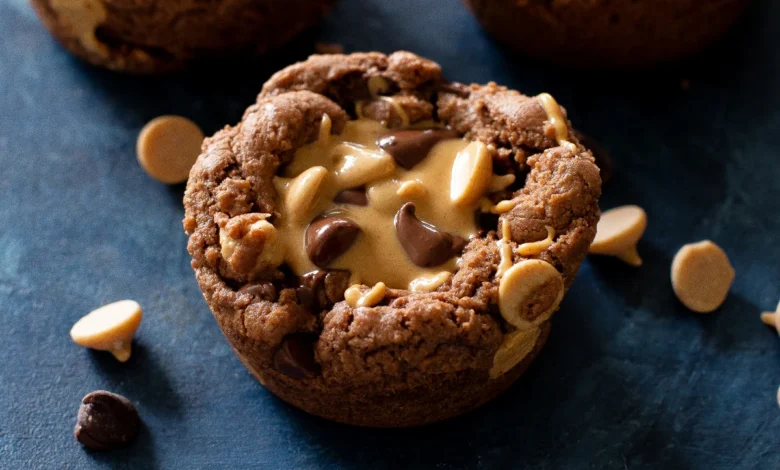
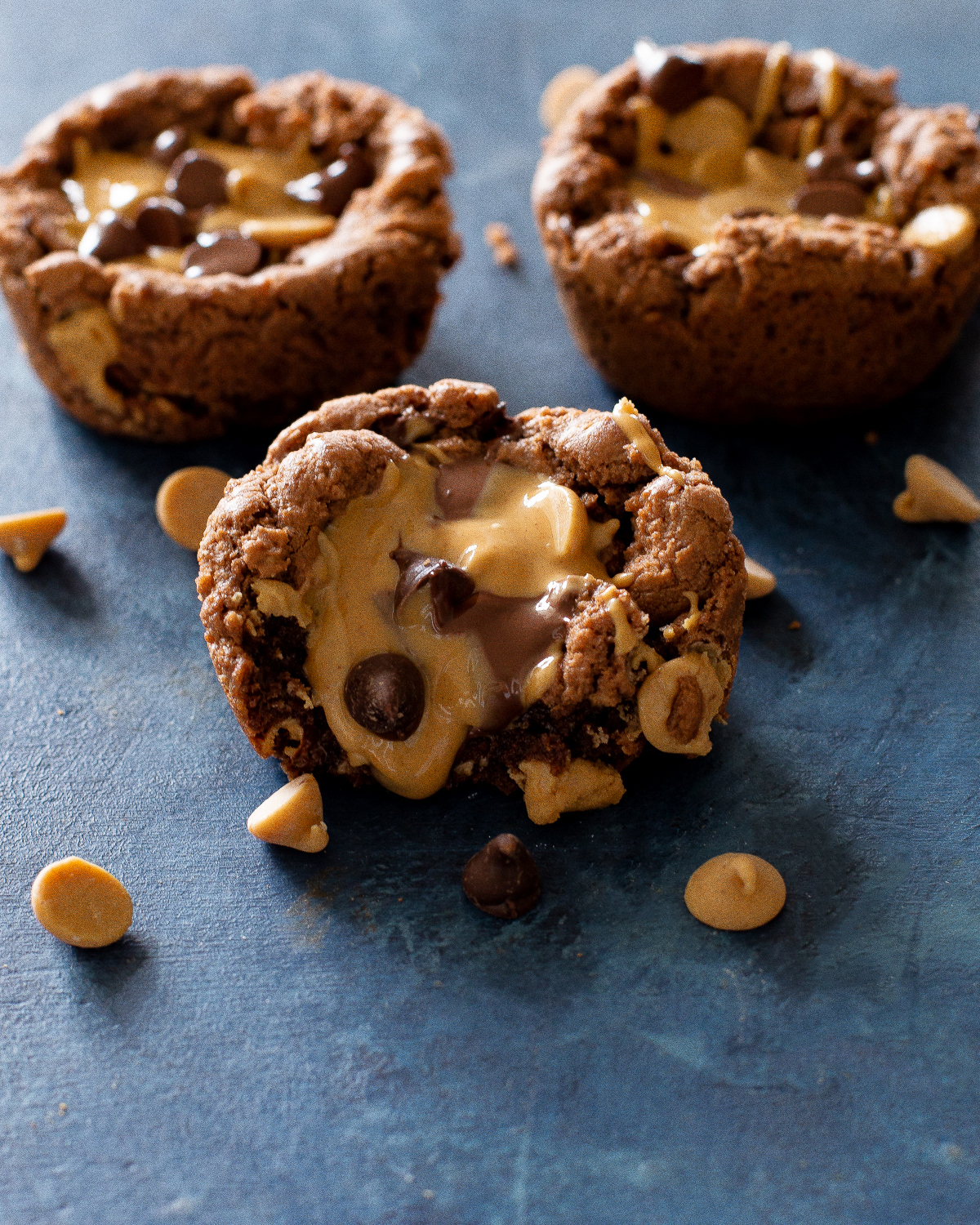
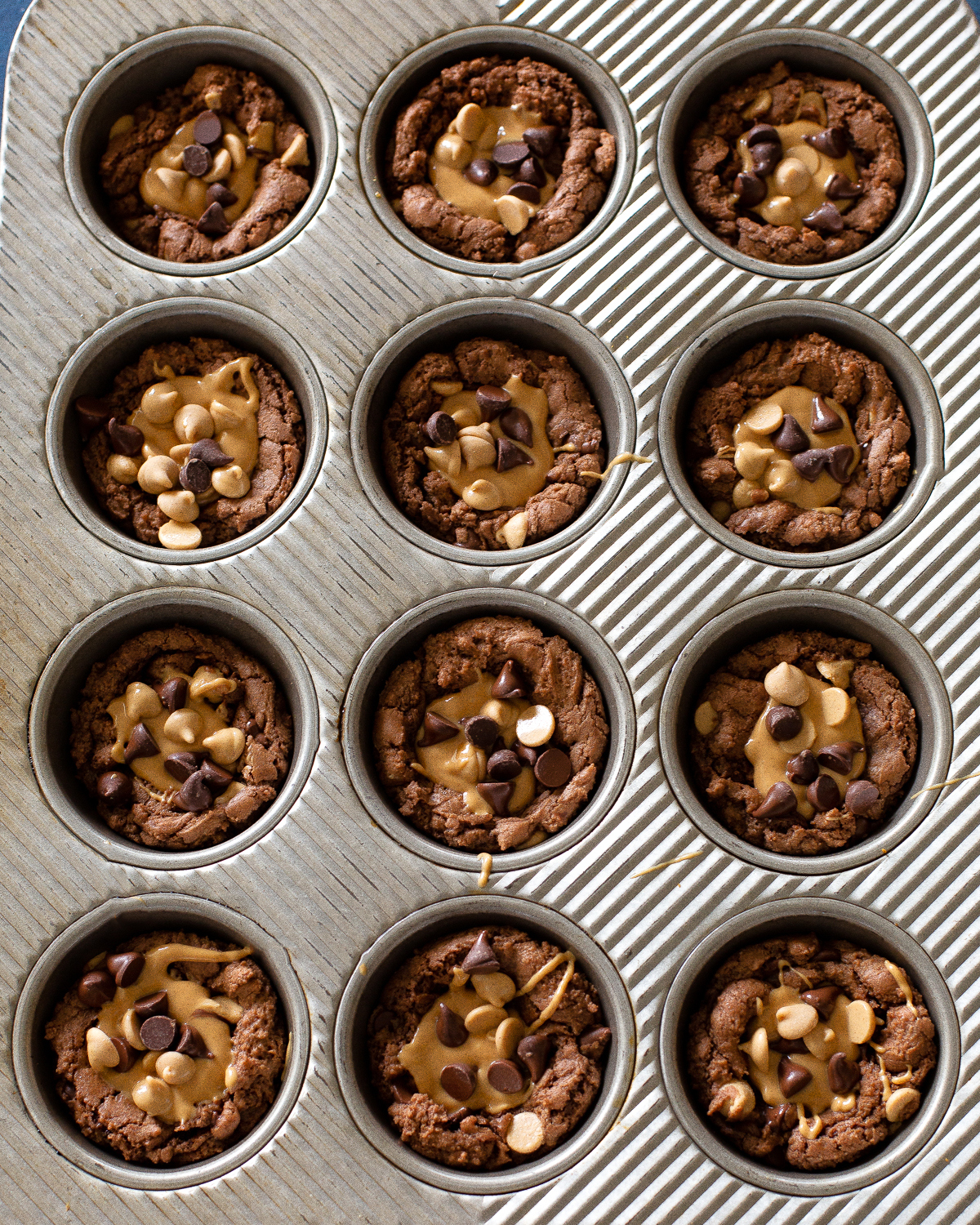
The culinary phenomenon of the "hybrid dessert"—a term coined by food historians to describe the fusion of two distinct, established confections—gained substantial momentum in the early 21st century. The Brownie Peanut Butter Cup is a quintessential example of this trend. By utilizing a standard brownie base and elevating it with inclusions such as peanut butter chips, the recipe achieves a textural contrast that has been analyzed by food scientists for its high consumer appeal. The semi-sweet chocolate chips serve to balance the intensity of the peanut butter, preventing the dessert from becoming overly saccharine, which is a common criticism of mass-produced confectionaries.
The history of the brownie itself dates back to the late 19th century in the United States, with the first printed recipe appearing in the 1896 edition of the Boston Cooking-School Cook Book by Fannie Farmer. Over the following decades, the recipe evolved from a molasses-based cake to the cocoa-rich, dense square familiar to modern consumers. The integration of peanut butter into this framework began in earnest during the post-World War II era, as the popularity of peanut butter as a pantry staple soared due to its affordability and high protein content.

Technical Composition and Preparation Methodology
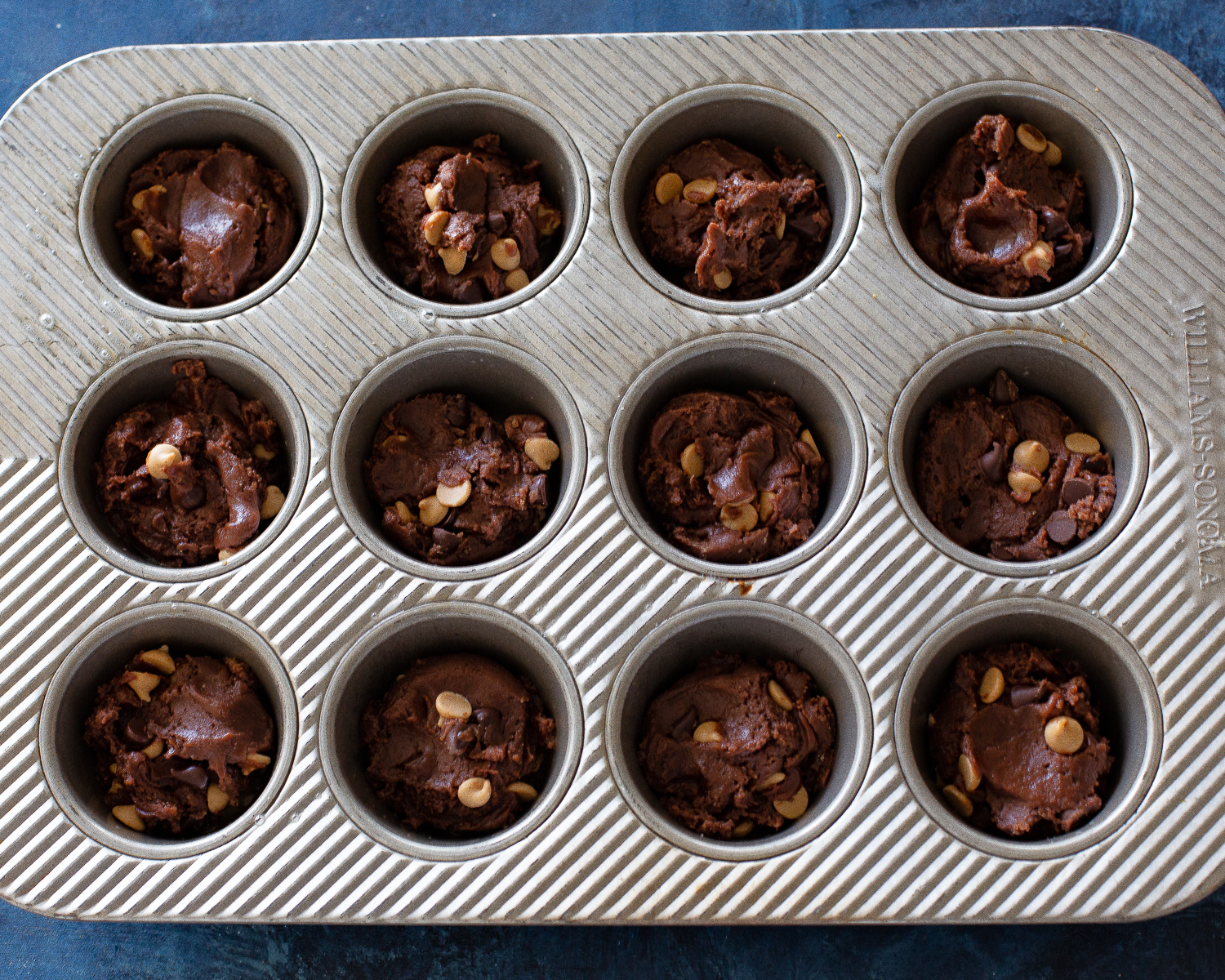
From a professional culinary perspective, the preparation of Brownie Peanut Butter Cups relies on precise thermal management. The brownie base is typically composed of flour, sugar, butter, eggs, and cocoa powder. When this mixture is transferred into miniature muffin tins or specialized cups, the surface-area-to-volume ratio changes compared to a traditional rectangular pan. This shift allows for a faster bake time and a higher ratio of crispy edges to soft centers, a characteristic highly sought after by dessert aficionados.
The addition of peanut butter chips—dehydrated or stabilized peanut butter morsels—is a critical component of the recipe. Unlike natural peanut butter, which may contain oils that can compromise the structural integrity of a brownie batter if added in large quantities, these chips are engineered to withstand oven temperatures without liquefying completely. This ensures that when the final product is consumed, the palate experiences distinct pockets of peanut butter flavor rather than a homogeneous, muddy consistency.
Consumer Trends and the Home Baking Surge
Market research data from the last decade indicates a consistent upward trend in home-baking activities, particularly following global events that necessitated increased time spent in domestic environments. The popularity of "bite-sized" desserts, such as these brownie cups, is supported by data suggesting that portion control has become a priority for modern consumers. Smaller servings allow for the indulgence of high-calorie items without the perceived guilt associated with larger, unportioned slabs of cake or brownies.
According to a 2022 survey conducted by the International Baking Industry Association, consumers are increasingly prioritizing recipes that offer "premiumization"—the act of taking standard pantry ingredients and transforming them into something that feels like a professional bakery item. The Brownie Peanut Butter Cup fits this narrative perfectly. It utilizes accessible, low-cost staples like cocoa powder and peanut butter while yielding a product that appears visually sophisticated and artisanal.
Nutritional Profile and Dietary Considerations
While these desserts are categorized as high-density treats, nutritionists often point to the nutritional synergy between cocoa and peanut butter. Dark or semi-sweet chocolate contains flavonoids, which have been linked in various studies to cardiovascular health, albeit in small amounts. Peanut butter provides a source of healthy fats and plant-based protein. However, when combined in a dessert format, the caloric density remains substantial. A single standard brownie cup can range from 150 to 250 calories, depending on the specific ratio of sugar to fat.
In the context of the current health-conscious market, there is a growing sub-sector of the culinary industry dedicated to "healthier" versions of these cups. Home bakers and small-batch manufacturers have begun experimenting with almond flour, coconut sugar, and natural, unsweetened peanut butter to cater to those with dietary restrictions, such as those seeking gluten-free or low-glycemic options.
Broader Impact on the Culinary Landscape
The widespread dissemination of this recipe through digital platforms has altered how traditional baking knowledge is passed down. Whereas previous generations relied on printed cookbooks and familial oral history, the modern baker relies on visual-heavy, step-by-step digital tutorials. This transition has democratized professional baking techniques, allowing amateur bakers to produce results that were once considered the domain of pastry chefs.
Furthermore, the popularity of these cups has driven innovation in the snack food manufacturing sector. Large-scale producers have observed the success of these homemade hybrid desserts and have moved to replicate the format in mass-produced, shelf-stable versions. This "reverse-engineering" of home-baked goods into commercial products is a recurring theme in the food industry, where grassroots trends often dictate the direction of large-scale product development.
Analysis of Flavor Profiles
The success of the Brownie Peanut Butter Cup can be traced to the biological response to the combination of fat, sugar, and salt. The "bliss point," a term utilized in food science to describe the optimal level of sensory pleasure in food, is reached when the bitterness of the cocoa interacts with the savory notes of the peanut butter. The salt content inherent in most commercial peanut butters serves as a flavor enhancer, intensifying the perception of sweetness in the chocolate without the need for additional sugar.
Future Projections for Hybrid Confectionary
Looking ahead, it is expected that the trend of hybridizing classic desserts will continue to evolve. Future iterations of the Brownie Peanut Butter Cup may involve more complex flavor profiles, such as the addition of sea salt flakes, espresso powder to enhance the chocolate notes, or even savory infusions like bacon or chili to push the boundaries of the traditional sweet-and-salty paradigm.
As technology continues to integrate with the kitchen, the precision with which these items can be prepared will likely increase. Smart ovens and precise measuring tools, now common in many households, allow for the replication of professional-grade results with greater consistency. The Brownie Peanut Butter Cup remains a testament to the enduring appeal of comfort food, reflecting a society that balances a desire for modern culinary advancement with a deep-seated appreciation for classic, nostalgic flavors. Through the combination of simple ingredients and thoughtful methodology, this dessert has secured its place as a staple in the repertoire of the contemporary home baker.