The Rise of Meal-Prep Fall Baking: Why Apple Streusel Muffins Are Dominating Autumn Morning Routines

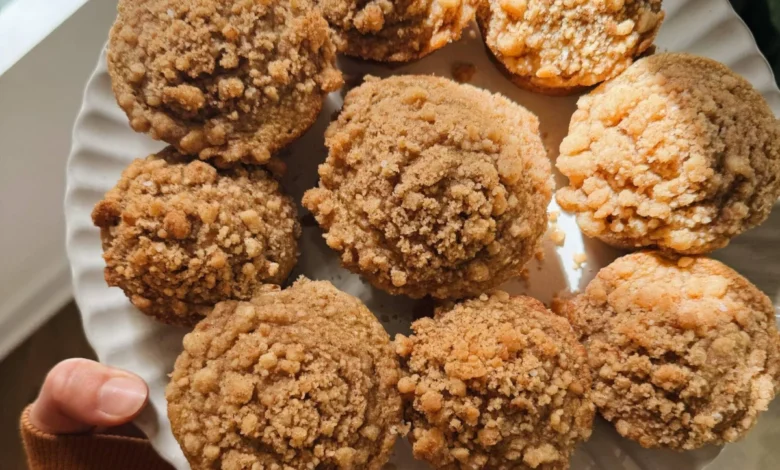
As the autumn season settles in, shifting consumer preferences toward comfort foods and efficient meal-planning solutions have propelled make-ahead breakfast items into the culinary spotlight. Among the seasonal favorites capturing attention across domestic and culinary platforms are wholesome apple streusel meal-prep muffins. Blending the nostalgic flavors of crisp fall apples and cinnamon with the practical demands of modern family schedules, these baked goods have transitioned from casual home-baking experiments into a staple of autumnal morning routines.
The cultural shift toward streamlined morning preparation has coincided with a broader post-pandemic trend in home economics: the rise of efficient meal prep. Families and individuals increasingly seek out recipes that minimize weekday friction while maximizing nutritional value and comfort. Culinary experts note that autumn provides a unique psychological anchor for baking, driven by sensory associations such as cooler weather, the harvest of seasonal fruits, and the desire for warm, grounding foods at the start of the day.
The Evolution of the Meal-Prep Breakfast
Historically, the American breakfast has evolved from heavy, cooked-to-order morning meals in the mid-20th century to grab-and-go processed foods during the fast-paced decades of the 1980s and 1990s. By the early 2020s, a counter-movement emerged, emphasizing health-conscious, nutrient-dense foods that could still be prepared in bulk.
Meal-prep baking sits at the intersection of these competing demands. By utilizing wholesome ingredients—such as whole grains, natural sweeteners, and fresh fruit—home cooks can bypass the preservatives found in commercial breakfast bars while saving valuable minutes during the morning rush. Apple streusel muffins, in particular, capitalize on the peak harvest season of apples, which run from late August through October, ensuring optimal flavor and accessibility.
Nutritional and culinary analysts point out that incorporating fresh fruit into baked goods not only enhances moisture and flavor but also adds essential dietary fiber. When paired with a protein or healthy fat, such as a pat of butter or a side of Greek yogurt, these muffins offer a balanced macronutrient profile suitable for both adults and school-aged children.

Culinary Anatomy: Balancing Wholesomeness and Indulgence
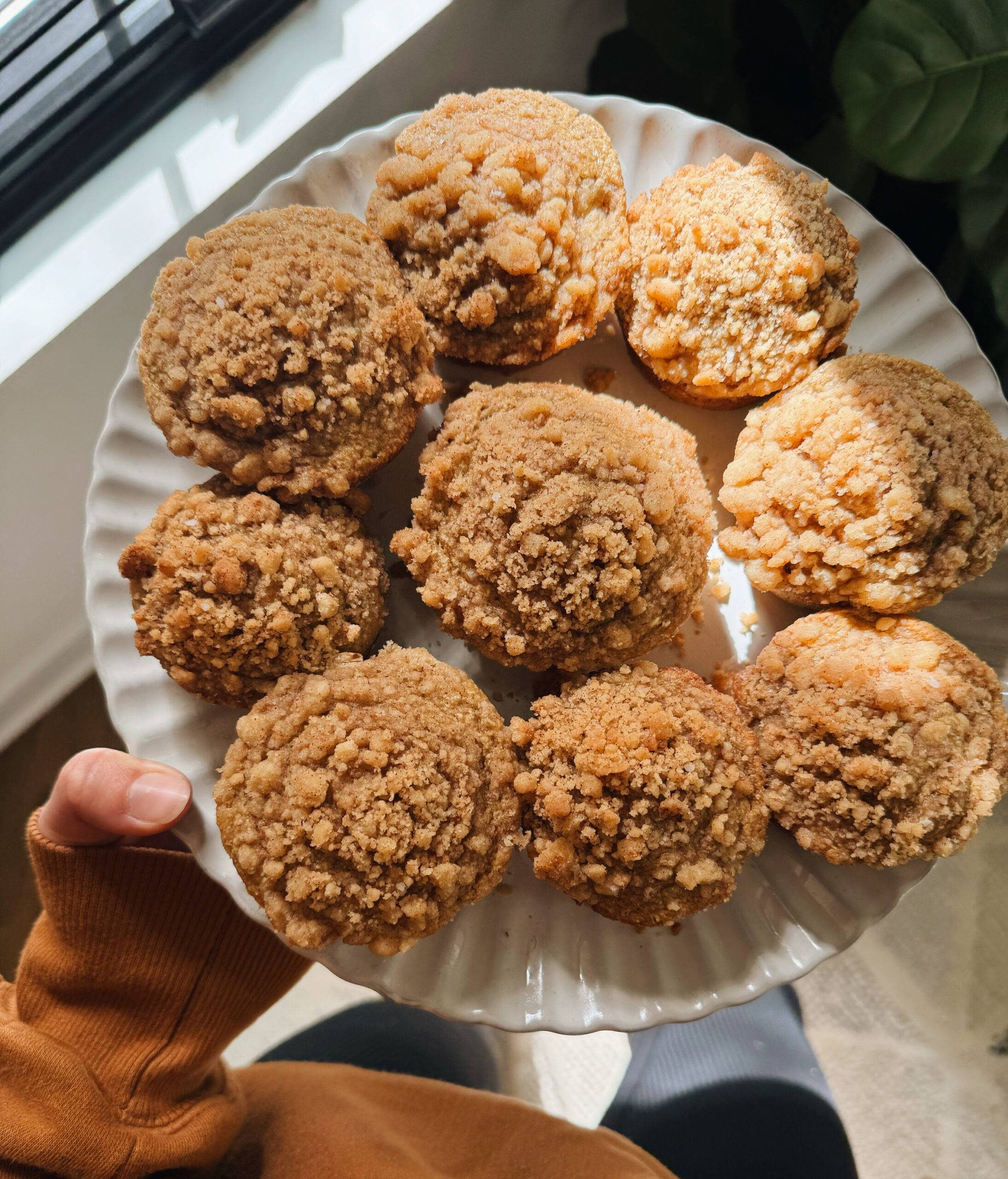
The enduring appeal of the apple streusel muffin lies in its duality: it functions as a wholesome, nutrient-conscious breakfast item while satisfying the human preference for texture and sweetness through a rich brown sugar streusel topping.
Culinary data from food blogs and recipe-sharing networks indicate that recipes featuring contrasting textures—such as a soft crumb combined with a crunchy topping—receive significantly higher engagement during the fall months. The inclusion of cinnamon, nutmeg, and fresh diced apples taps into olfactory memory, which psychologists link to feelings of warmth, safety, and nostalgia.
Furthermore, the adaptability of modern muffin recipes allows for widespread dietary customization. Home cooks frequently substitute all-purpose flour with whole wheat or oat flour, reduce refined sugars in favor of maple syrup or honey, and incorporate plant-based fats. This flexibility ensures that meal-prep muffins remain viable options for individuals with specific dietary restrictions, including those seeking dairy-free or lower-glycemic alternatives.
Impact on Family Routines and Lunchbox Culture
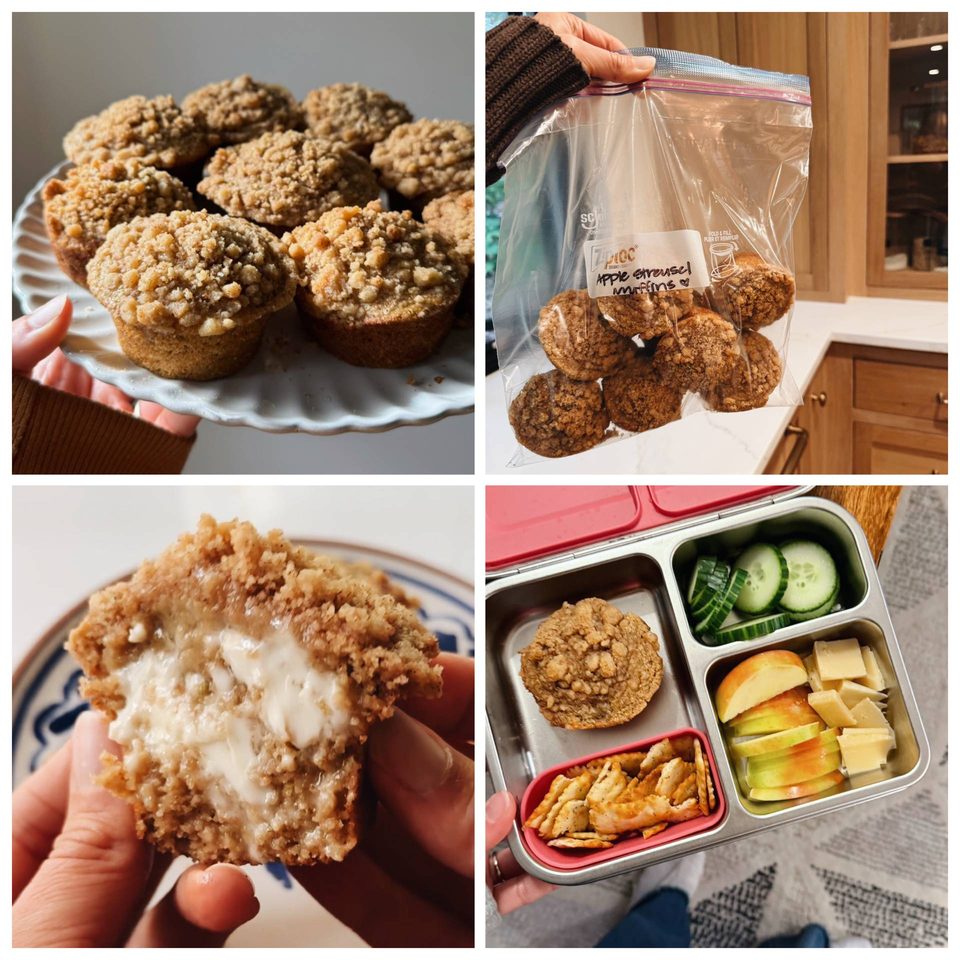
The practical implications of batch baking extend directly into school and workplace logistics. With parents continually navigating the complexities of packing nutritious lunches and managing after-school energy slumps, freezer-friendly baked goods have become an invaluable resource.
Child nutrition advocates emphasize the importance of involving children in food selection and preparation. When kids consume items they recognize and enjoy, such as homemade apple, pumpkin, or zucchini muffins, food waste decreases, and positive associations with homemade meals are reinforced. Packing a dense, fruit-based muffin in a cold lunchbox or offering it as an immediate post-school car snack provides sustained energy without the sharp blood sugar crashes associated with highly processed confectionery snacks.
Broader Economic and Cultural Implications
The popularity of seasonal home baking reflects broader economic and cultural currents. In periods of economic uncertainty or fluctuating grocery prices, consumers frequently return to scratch cooking as a cost-effective alternative to pre-packaged convenience foods. Baking staples such as flour, sugar, oats, and seasonal apples generally offer a lower cost-per-serving ratio than commercial breakfast pastries.

At the same time, the aesthetic of the autumn morning—characterized by open windows, crisp air, and hot coffee paired with a freshly warmed baked good—has been heavily amplified by digital media platforms. The romanticization of slow living and seasonal rituals continues to drive traffic to culinary content creators, inspiring millions of households to adopt similar domestic routines.
As autumn progresses into winter, the culinary focus is expected to pivot toward heartier spices and citrus fruits, yet the foundational practices established during apple season—batch cooking, ingredient transparency, and the intentional creation of comforting morning rituals—will remain central to contemporary home life.