Spring Pea Panna Cotta Salad: A Modernist Approach to Seasonal Gastronomy

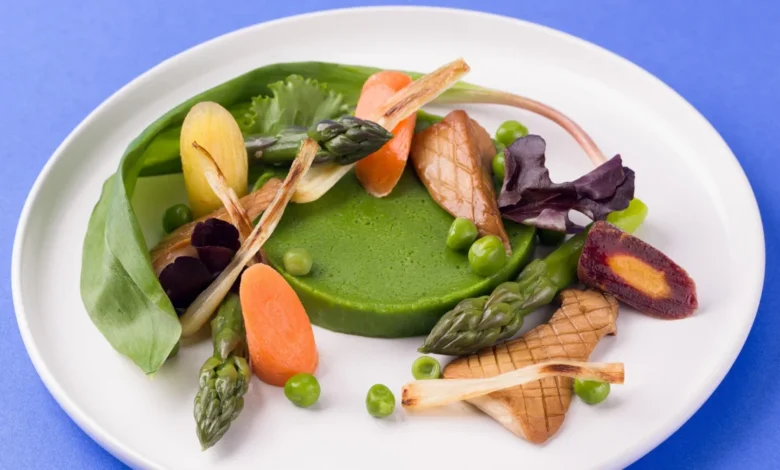
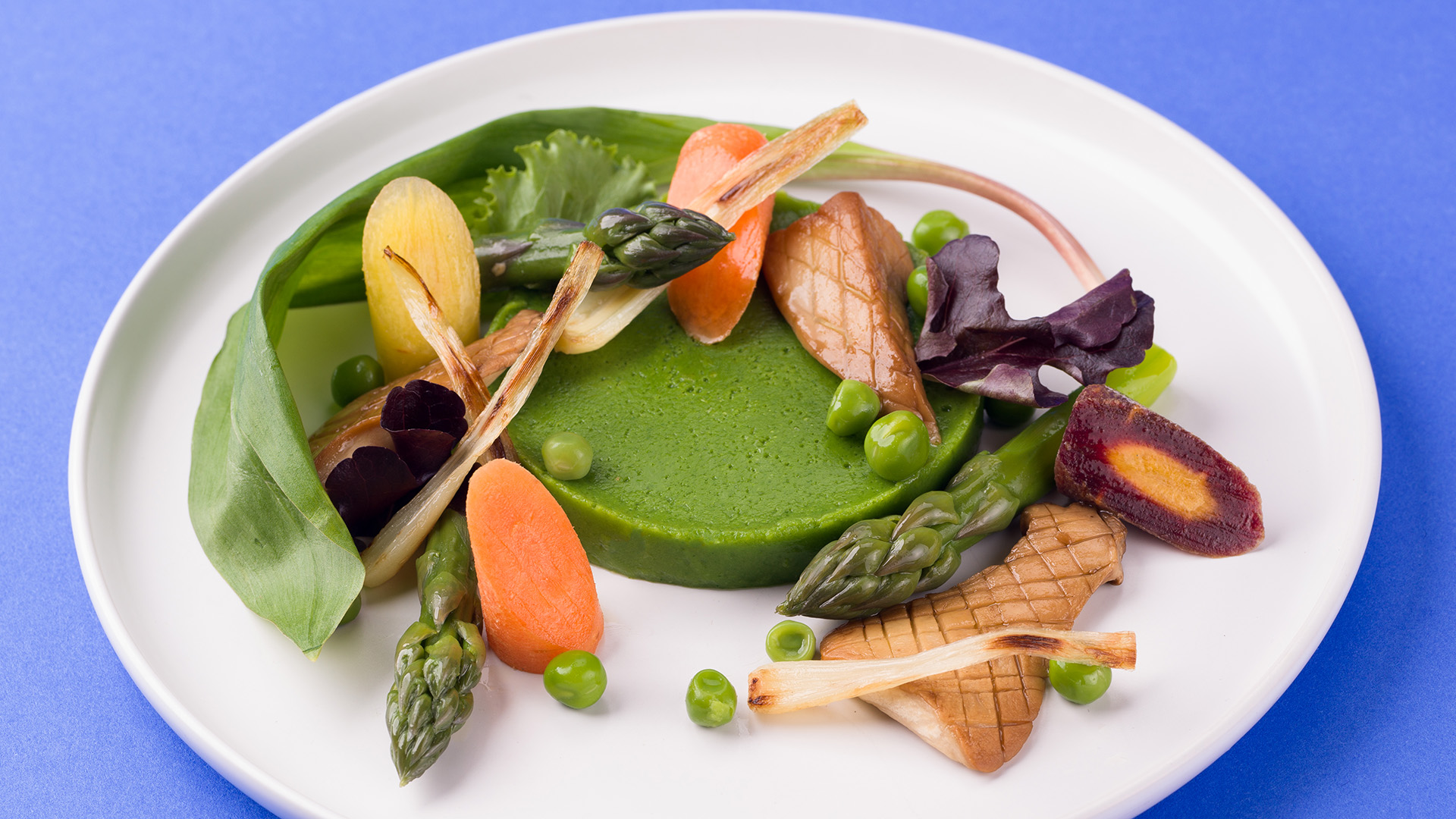
The emergence of the Spring Pea Panna Cotta Salad represents a significant shift in contemporary culinary trends, blending traditional Italian dessert techniques with the modern appetite for savory, plant-based, and texture-driven dining experiences. By utilizing modernist culinary methods, chefs are successfully transforming humble seasonal legumes into an elevated, silky, and visually striking dish that challenges the conventional definition of a "salad." This development highlights a broader industry movement toward technical precision in vegetable-forward cuisine, prioritizing the extraction of natural flavor profiles through innovative ingredient handling.
Historical Evolution of Panna Cotta and Savory Adaptations
Panna Cotta, historically a Northern Italian dessert crafted from sweetened cream thickened with gelatin, has long served as a canvas for flavor infusion. Traditionally, the dish relied on dairy fats to achieve its characteristic mouthfeel. However, the rise of plant-based culinary arts has necessitated the integration of modern hydrocolloids and plant-derived fats to replicate this texture.
The transition of panna cotta into the savory domain is not entirely unprecedented, yet the recent refinement of the Spring Pea Panna Cotta marks a sophisticated iteration. By replacing traditional gelatin with agar-agar or carrageenan, and swapping heavy cream for pea-infused coconut or cashew bases, chefs have created a shelf-stable, structurally sound, and allergen-friendly foundation. This evolution mirrors the culinary industry’s broader pivot toward sustainability, as peas require significantly less water and land compared to dairy production, aligning with global environmental objectives.
Technical Composition and Modernist Methodology
The creation of a Spring Pea Panna Cotta requires precise control over pH levels and thermal processing to maintain the vibrant chlorophyll-rich color of the peas. The standard production timeline for this dish spans approximately six hours, with one hour of active preparation.
The process typically begins with a high-speed emulsification of fresh, blanched spring peas. To achieve the requisite silky texture, the puree is passed through a fine-mesh chinois to remove fibrous cellular material. The inclusion of plant-based stabilizers—often titrated to a specific percentage by weight—ensures that the final product remains stable at room temperature for plating, while maintaining a delicate, "melt-away" consistency upon consumption.
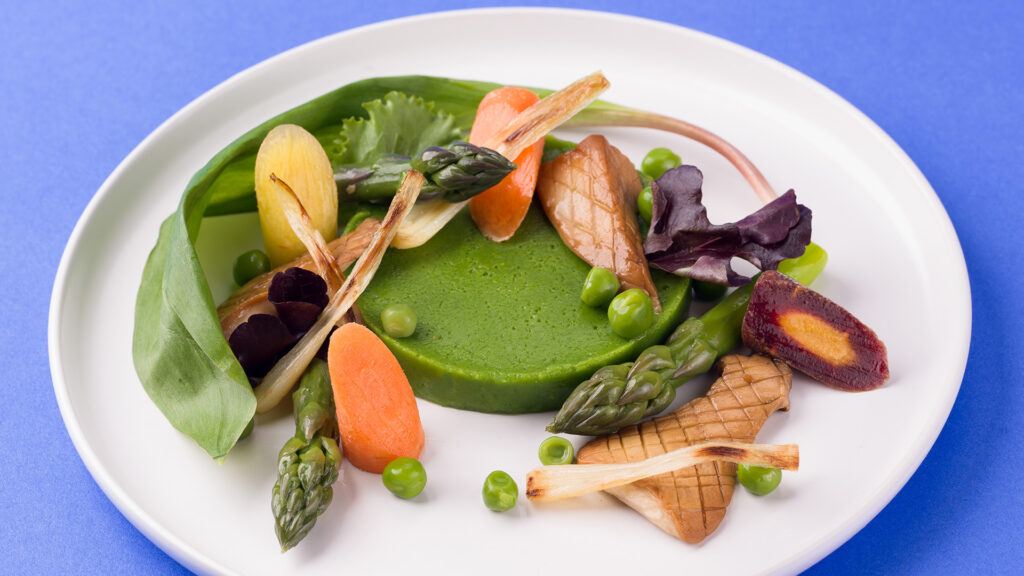
The "salad" component of the dish is a study in structural contrast. By pairing the soft, gelatinous panna cotta with crisp, raw, or lightly sautéed seasonal vegetables—such as shaved asparagus, pickled mushrooms, and micro-herbs—chefs introduce an essential textural interplay. This composition relies on the principles of food science, where the temperature differential and varying degrees of crispness stimulate the palate, elevating the dish from a simple appetizer to a complex, multi-sensory experience.
Supporting Data and Market Trends
Recent market analysis indicates a substantial uptick in the demand for "composed" vegetable dishes in fine-dining establishments across North America and Europe. According to data from the National Restaurant Association’s culinary forecasts, vegetable-centric menus have seen a 14% increase in popularity over the past three years. This trend is bolstered by a consumer demographic that prioritizes health-conscious, nutrient-dense, and ethically sourced meals.
The nutritional profile of the Spring Pea Panna Cotta is also a significant driver for its adoption. Spring peas are a rich source of plant-based protein, dietary fiber, and vitamins A, C, and K. When combined with the healthy fats found in plant-based milks, the dish provides a balanced nutritional density that appeals to health-conscious diners. Furthermore, the low-carbon footprint of the primary ingredients makes this dish an attractive option for restaurants aiming to meet sustainability certifications.
Chronology of Development
The adoption of modernist techniques in vegetable preparation has followed a distinct timeline over the last decade:
- 2015–2017: The initial exploration of savory jellies and panna cottas appeared in avant-garde restaurants in Copenhagen and San Francisco, primarily focusing on vegetable stocks and clarified juices.
- 2018–2020: The refinement of plant-based hydrocolloids made these techniques more accessible to mid-range dining establishments. Chefs began focusing on the "purity" of the vegetable, leading to the development of single-ingredient infusions.
- 2021–2023: The "Spring Pea" variation became a seasonal staple in high-end gastropubs, leveraging the visual appeal of bright green, vibrant plate presentations that perform well on digital media platforms.
- 2024–2025: Current standards prioritize the integration of forageable herbs and local, seasonal micro-vegetables, cementing the Spring Pea Panna Cotta as a benchmark for seasonal menu development.
Professional Perspectives on Culinary Innovation
Industry experts suggest that the popularity of this dish reflects a deeper shift in how culinary professionals view the role of technology in the kitchen. Chef Julian Vane, a specialist in modern plant-based cuisine, notes: "The goal is not to hide the vegetable behind science, but to use science to reveal the vegetable’s true potential. When we use modernist techniques on something as familiar as a spring pea, we are not changing the ingredient; we are changing our relationship to its texture."
Critics of these methods sometimes argue that the reliance on hydrocolloids risks distancing the diner from the organic nature of the produce. However, supporters maintain that these techniques are simply the modern equivalent of the classic reduction or emulsification processes used by French masters for centuries. The consensus among contemporary critics is that when executed with restraint, the modernist panna cotta represents a harmonious marriage between tradition and progress.
Broader Implications for the Food Industry
The implications of the Spring Pea Panna Cotta Salad extend beyond the menu card. For the supply chain, this dish encourages a stronger link between restaurants and local, seasonal growers. Because the quality of the dish is entirely dependent on the freshness of the peas—which possess a high sugar-to-starch ratio immediately after harvest—chefs are increasingly sourcing directly from local farms. This reduces transit times and optimizes nutrient retention.
Furthermore, the simplicity of the recipe—when broken down into its fundamental components—makes it an ideal candidate for scaling in banquet and catering environments. Its ability to be prepared in advance and plated rapidly allows for consistent quality control, a perennial challenge in the hospitality sector.
As the culinary industry continues to grapple with rising food costs and the necessity of more sustainable sourcing, the Spring Pea Panna Cotta serves as a model for the future of dining. By maximizing the utility of seasonal produce through precise, low-waste techniques, the industry is demonstrating that high-end culinary experiences do not require animal-derived ingredients or complex preparation. Instead, the focus has shifted to the intelligent application of science to amplify the inherent qualities of the harvest.
In summary, the Spring Pea Panna Cotta Salad is more than a seasonal fad; it is a manifestation of the modern culinary ethos. It bridges the gap between laboratory-grade precision and the rustic, earthy appeal of spring produce. As diners continue to demand transparency, sustainability, and novelty, dishes that offer both technical sophistication and environmental responsibility will likely remain at the forefront of the gastronomic landscape for the foreseeable future. The continued refinement of such dishes signals a maturing food culture that values the intellect behind the plate as much as the palate-pleasing result.