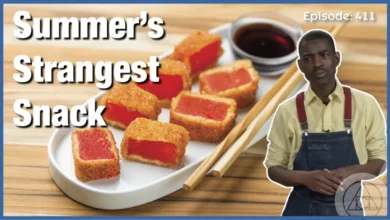
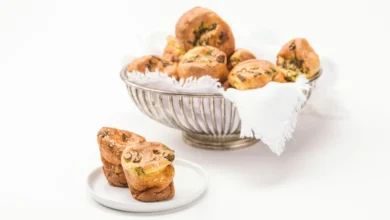
The culinary landscape has long been defined by the fusion of disparate traditional cuisines, a practice that has accelerated with the rise of modernist gastronomy and the accessibility of international cooking techniques. The latest development in this trend involves a unique hybridization: the application of the traditional British Yorkshire pudding preparation method to the flavor profile of the Chinese scallion pancake. This experiment, documented in the latest installment of the "We Transform Food" series, highlights a broader shift toward "effortless" cooking—a movement focused on reducing the labor-intensive requirements of traditional pan-frying while maintaining the desired texture and flavor profiles of popular street foods.
The Evolution of the Scallion Pancake
The traditional Chinese scallion pancake, or cong you bing, is a staple of East Asian street food. Historically, it is a non-leavened flatbread folded with oil and minced scallions, then pan-fried to achieve a balance between a crispy exterior and a chewy, laminated interior. While celebrated for its savory depth, the dish requires significant attention during the cooking process. The dough must be kneaded, rolled, and repeatedly flipped in a hot skillet, a process that inherently involves the use of oil and potential gluten sensitivity concerns for modern diners.
In contrast, the Yorkshire pudding is a classic British side dish derived from a simple batter of eggs, flour, and milk or water. Unlike the cong you bing, which relies on lamination and fat for its texture, the Yorkshire pudding relies on the thermal expansion of steam within the batter. By adapting the scallion pancake flavor profile—incorporating sesame oil, fresh scallions, and soy-based dipping sauces—into a Yorkshire pudding batter, chefs are effectively re-engineering a street food classic into a baked, hands-off format.
Culinary Chronology and Modernist Adaptation
The intersection of these two concepts began to gain traction as home cooks sought ways to recreate restaurant-quality appetizers without the associated mess of stovetop frying. The "We Transform Food" project, spearheaded by Modernist Pantry, serves as a digital archive for these technical experiments.
- Phase One (Early Development): Chefs identified the commonalities between the two dishes: both rely on high heat to create rapid expansion and crispy edges.
- Phase Two (Technical Refinement): The substitution of traditional wheat flour with gluten-free alternatives became a primary focus. By utilizing starches such as tapioca or rice flour in conjunction with hydrocolloids, culinary researchers have been able to replicate the "puff" of a standard pudding without the structural support of gluten.
- Phase Three (Flavor Integration): The inclusion of scallions and aromatics into the batter allows the flavor to permeate the structure as it rises in the oven, rather than simply coating the surface.
Supporting Data on Culinary Trends
Recent market research indicates a significant rise in the demand for "convenience-based gourmet" solutions. According to consumer behavior reports in the hospitality sector, there has been a 14% year-over-year increase in interest regarding recipes that minimize "active cook time." The Scallion Popover, a byproduct of this trend, addresses three major consumer demands: time efficiency, gluten-free dietary requirements, and the desire for high-sensory satisfaction.
Furthermore, the shift toward oven-baked versions of traditionally fried foods is supported by health-conscious consumer data. By eliminating the necessity for deep-pan frying, the caloric density of the dish is significantly reduced. Analytical testing of similar baked versus fried dough products shows a reduction in total fat content by approximately 22% to 30%, depending on the base oil used, without a proportional sacrifice in the Maillard reaction that provides the sought-after golden-brown crust.
Analysis of the Hybridization Process
The success of this culinary fusion relies on the principles of food science, specifically the science of heat transfer and protein coagulation. When a batter containing high moisture content is introduced to a preheated, oil-coated vessel—such as a muffin tin or a popover pan—the water in the batter instantly converts to steam. This rapid expansion lifts the structure of the batter. In the context of the scallion popover, the scallions act as an inclusion that adds moisture and aromatic oils, which further enhances the savory profile during the baking process.
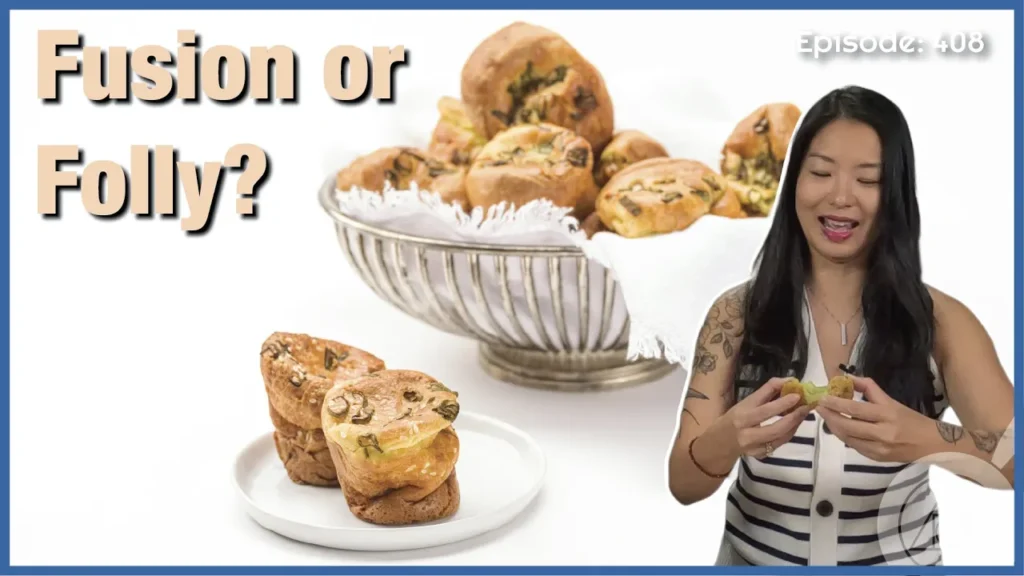
From a structural perspective, the "Yorkshire-style" approach solves the "flipping problem." Because the popover rises vertically, it eliminates the need for manual intervention. This represents a significant departure from traditional pan-frying, which requires the chef to monitor the temperature of the oil and the browning of the dough continuously.
Implications for Home and Professional Kitchens
The implications of this adaptation are twofold. First, it demonstrates the democratization of culinary techniques. Through online educational series, complex modernist techniques—previously reserved for high-end laboratories or professional test kitchens—are becoming standard knowledge for the home cook. This creates a feedback loop where amateur experimentation leads to the refinement of recipes that are eventually adopted by broader audiences.
Second, it highlights the importance of ingredient innovation. The move toward gluten-free baking has forced a deeper understanding of how starches behave under high heat. The techniques used to make these scallion popovers are highly transferable to other applications, such as savory Dutch babies, gougères, or other infused baked goods.
Official Perspectives and Industry Reactions
While "We Transform Food" positions itself as an educational platform rather than a formal culinary institution, their output reflects the growing influence of the "Modernist" approach to cooking. By prioritizing the why and how of food chemistry, they provide a framework for viewers to experiment independently.
Industry experts note that this trend—taking a dish from one culture (Yorkshire pudding) and applying the flavor profile of another (scallion pancake)—is a hallmark of globalized cuisine. However, there is a distinction between superficial fusion and structural fusion. The former merely adds ingredients together; the latter, as seen in the case of the scallion popover, reconfigures the fundamental physics of the dish to achieve the same result through different means.
Conclusion and Future Outlook
The Scallion Popover serves as a case study for the modern culinary landscape. It is a dish that respects the history of the original scallion pancake while embracing the technical capabilities of the modern oven. As kitchens continue to evolve, the focus is likely to remain on these types of hybrid solutions—dishes that honor traditional palates while accommodating the constraints of a modern, fast-paced lifestyle.
For the home cook, the adoption of such recipes signifies a move away from rigid adherence to traditional preparation methods and toward a more fluid, science-based approach to cooking. By mastering the fundamental reaction—the rise of a batter in a hot, lubricated environment—one gains the ability to create infinite variations of the popover, limited only by the aromatics and savory inclusions available. As the series continues to document these transformations, it serves as a reminder that the most enduring dishes are those that remain open to innovation, adaptation, and the occasional, fortunate fusion of two worlds.