Texture A Hydrocolloid Recipe Collection Prepares for Version 3.1 Update After Six-Year Hiatus

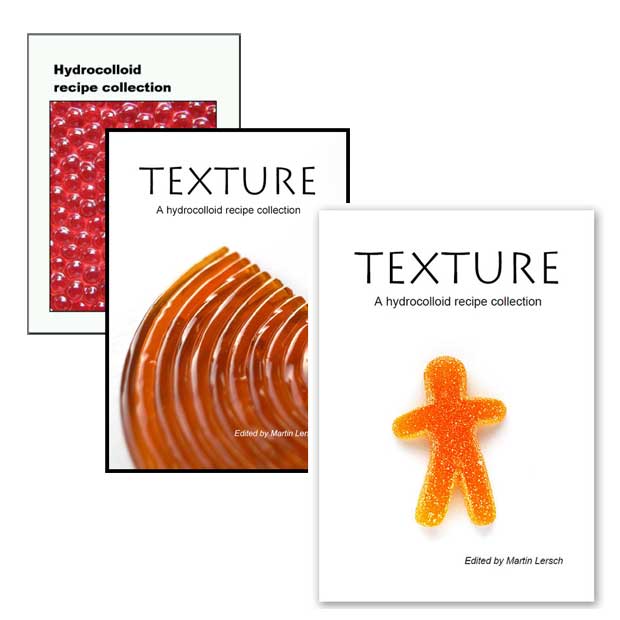
The definitive culinary reference guide for molecular gastronomy and food science enthusiasts, widely known as Texture: A Hydrocolloid Recipe Collection, is preparing for its first major refresh in six years. Announced by its creator, the upcoming incremental revision—designated version 3.1—aims to refine existing formulations, correct errata, and expand its comprehensive coverage of gelling agents, thickeners, and texturizers. This anticipated release follows a tradition of continuous improvement that began nearly two decades ago, serving chefs, culinary researchers, and home cooks interested in the physical and chemical properties of food preparation.
Chronology of a Culinary Resource
The evolution of the guide spans several milestones in the modern culinary movement, tracking the intersection of food science and kitchen innovation:
- 2007: The initial publication of Texture establishes a pioneering open-source style repository for hydrocolloid applications, offering practical measurements and formulations for ingredients like agar-agar, xanthan gum, and sodium alginate.
- 2008: Version 2.0 introduces expanded categories, refined ratios, and broader documentation of modernist cooking techniques popularized by vanguard dining establishments.
- 2014: Version 3.0 launches, solidifying the collection as an essential digital handbook for both professional kitchens and educational institutions.
- 2020: Following a six-year period of community contribution and data accumulation, planning officially commences for version 3.1, focusing on typographical corrections, visual enhancements, and targeted content gaps.
Community-Driven Refinement and Submissions
The upcoming release relies heavily on crowdsourced data gathered since the 2014 publication. While countless emails, bug reports, and testing notes have accumulated over the years, the development process remains open to public participation. Culinary practitioners who have identified operational discrepancies or unsuccessful ratios are encouraged to submit their findings.
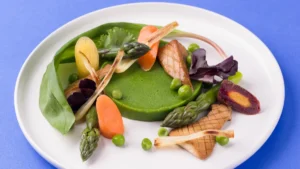
Furthermore, visual documentation plays a critical role in validating the recipes within the compendium. The inclusion of high-quality photographs serves as an empirical indicator that a specific formulation has been executed successfully under kitchen conditions. Contributors who possess untested or unshared imagery of finished dishes are invited to submit their media following the established guidelines outlined in the project’s documentation archives.
Addressing Gaps in Hydrocolloid Coverage
A primary focus of the version 3.1 revision involves bolstering representation for underutilized or regionally specific hydrocolloids. Editorial assessments indicate that several natural stabilizers currently lack comprehensive recipe applications within the existing literature. Specifically, the project is actively seeking culinary implementations for:
- Guar gum: Derived from cluster beans, valued for its cold-water solubility and high viscosity in gluten-free baking and dairy stabilization.
- Gum arabic: Sourced from acacia tree sap, essential in confectionery and beverage industries for emulsification and stabilization.
- Konjac: Extracted from the konjac corm, utilized in traditional Asian cookery for high-elasticity gels and noodles.
- Locust bean gum: Derived from carob tree seeds, prized for synergistic gelling properties when paired with kappa-carrageenan or xanthan gum.
- Tara gum: Produced from the endosperm of tara tree seeds, offering intermediate textural properties between guar and locust bean gums.
While natural plant-derived extracts form the backbone of the collection, certain intentional omissions remain. Proprietary commercial blends, such as specialized modified starches (Ultra-Tex and Pure Cote) and wheat-derived fibers (Trisol), are systematically excluded to maintain a focus on accessible, fundamental ingredients. Conversely, accidental omissions of novel or rare stabilizing agents are evaluated on a case-by-case basis.
Expansion of Non-Hydrocolloid Gels and Foams
Beyond traditional modernist additives, the collection features a dedicated category examining traditional culinary techniques that achieve unique textures without industrial or refined hydrocolloids. These regional and historical preparations rely on endogenous proteins, starches, and natural coagulation mechanisms. Current examples cataloged in the reference include junket, cuajada, ginger milk custard, aiyu jelly, grass jelly, traditional gelled seafood sauces, various preparations of tofu, and hominy.
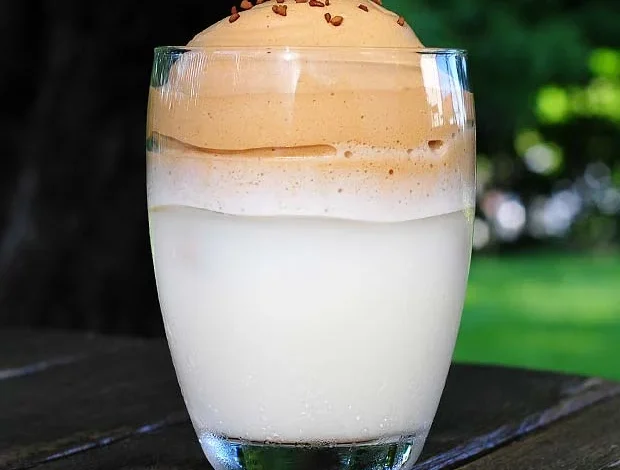
To capture contemporary culinary shifts, the upcoming release will formally incorporate modern viral phenomena into its structural taxonomy. Most notably, the whipped beverage foam colloquially known as Dalgona coffee—which achieved unprecedented global popularity during spring 2020 lockdowns—will be integrated into the texturizing framework. This inclusion highlights how everyday ingredients can be mechanically whipped and stabilized via protein and sugar networks, bridging the gap between home preparation and food science principles.
Implications for Culinary Education and Modern Gastronomy
The steady evolution of specialized recipe databases reflects broader shifts in how culinary knowledge is transmitted, vetted, and applied across the global hospitality sector. As molecular gastronomy transitioned from avant-garde restaurant dining rooms into commercial food manufacturing and home kitchens, standardized reference materials became vital for understanding hydrocolloid behavior, such as syneresis, thermal hysteresis, and shear-thinning properties.
By crowdsourcing testing data and continuously updating formulations, projects like Texture help democratize food science education. The upcoming release of version 3.1 ensures that both aspiring culinary students and seasoned professionals retain access to rigorously tested, peer-reviewed data regarding the manipulation of texture—a fundamental sensory component of the dining experience. Interested parties wishing to contribute recipes, photographs, or technical corrections may direct their submissions to the project’s designated communications channels ahead of the finalized publication.