Spring Pea Panna Cotta Salad: A Modernist Approach to Seasonal Gastronomy

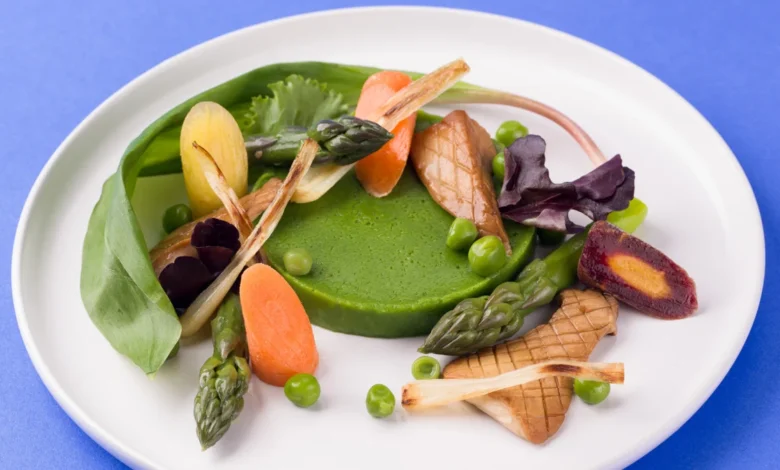
The emergence of the Spring Pea Panna Cotta Salad represents a significant shift in contemporary culinary practices, moving away from traditional garden salads toward highly technical, texture-driven plant-based compositions. This dish, which utilizes modernist thickening agents to achieve a velvety, dairy-free consistency, signals a growing trend in high-end gastronomy: the transformation of seasonal produce through precision techniques. While the salad remains categorized as a vegetable-forward dish, its composition—relying on the suspension of pureed peas within a stabilized matrix—challenges conventional definitions of a "composed salad."
The Evolution of Plant-Based Gastronomy
The culinary industry has seen a marked increase in the application of modernist techniques to vegan cuisine over the last decade. Historically, panna cotta was exclusively associated with dairy-heavy recipes utilizing gelatin derived from animal collagen. The transition to plant-based gelling agents, such as carrageenan, agar-agar, and gellan gum, has allowed chefs to replicate the mouthfeel of traditional desserts in savory applications.
The Spring Pea Panna Cotta Salad is not merely a recipe; it is a manifestation of this technical evolution. By leveraging the natural starch and sugar content of spring peas, chefs can create a base that is naturally vibrant in color and flavor. When processed and stabilized, the result is a dish that provides the sensory profile of a rich custard while maintaining the nutritional integrity of a vegetable serving.
Technical Composition and Methodology
The production of this dish involves a rigorous, multi-stage process that prioritizes temperature control and textural consistency. Unlike standard salads, which rely on the physical integrity of leaves, this dish is a study in emulsion and suspension.
The Chronology of Preparation
Preparation for the Spring Pea Panna Cotta typically requires an active phase of approximately one hour, followed by a mandatory five-hour setting period to ensure the gelling agents reach their maximum structural integrity.
- Preparation (0–30 Minutes): Fresh peas are blanched briefly to retain their vibrant chlorophyll content, then pureed and strained to achieve a perfectly smooth consistency.
- Stabilization (30–60 Minutes): The pea base is combined with a thickening agent and heated to the precise activation temperature. The mixture is then poured into molds.
- Maturation (1–6 Hours): The panna cotta must be chilled at a consistent temperature to allow the crystalline structure of the gelling agent to form, resulting in the desired "silky" texture.
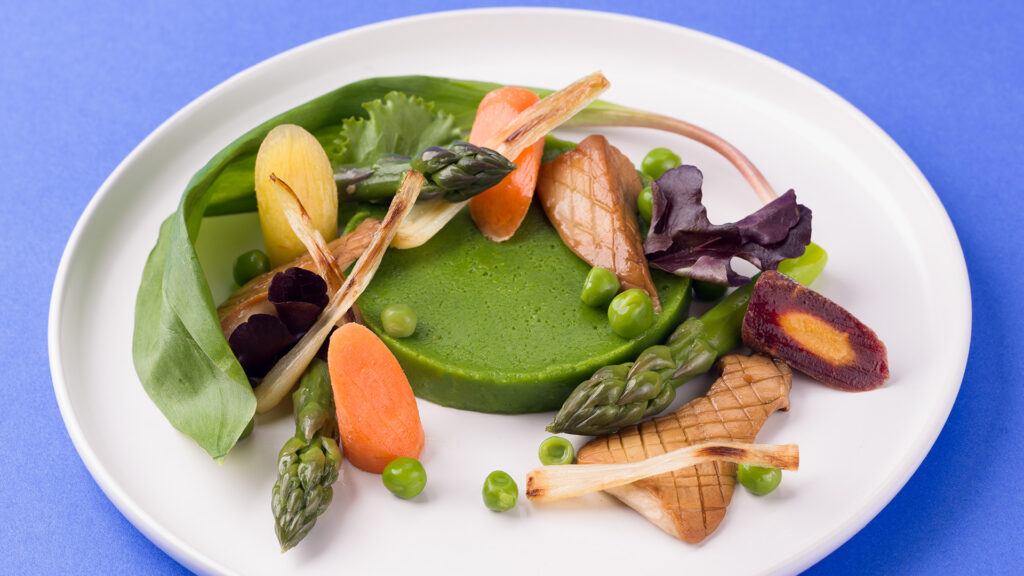
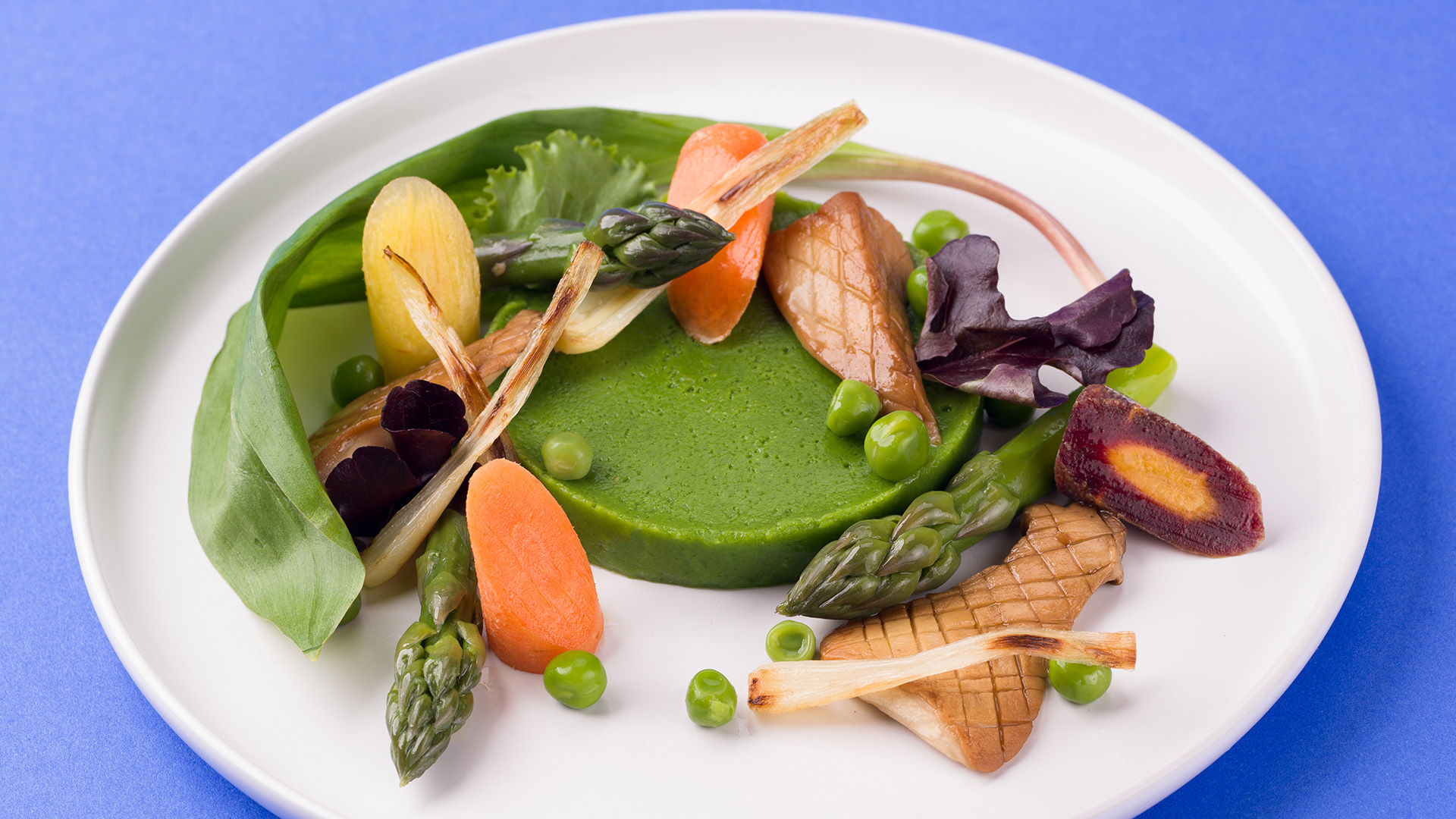
- Plating (Post-Setting): The final stage involves the arrangement of raw or lightly cooked seasonal accompaniments—such as shaved asparagus, pickled mushrooms, and micro-herbs—to provide a contrasting crunch against the creamy base.
Nutritional and Economic Implications
From a nutritional standpoint, the transition toward pea-based savory puddings offers a unique profile. Peas are a significant source of plant-based protein, dietary fiber, and essential micronutrients including Vitamin K and manganese. When processed into a panna cotta, these nutrients remain bioavailable, provided the heating process is not so extreme as to degrade heat-sensitive vitamins.
The economic implications for restaurants adopting such dishes are notable. Seasonal peas, particularly during the spring peak, are highly cost-effective and allow for high-margin menu items that showcase culinary skill. Furthermore, the ability to utilize produce that might otherwise be discarded—such as pea shoots or smaller, misshapen peas that are ideal for pureeing—aligns with the industry’s increasing focus on waste reduction.
Market Trends and Industry Reception
The rise of the Spring Pea Panna Cotta Salad reflects a broader shift in consumer behavior. Data from market research firms specializing in the culinary sector indicate that demand for "innovative plant-based options" has grown by nearly 14% year-over-year. Consumers are increasingly seeking dishes that offer the complexity of traditional fine dining without the environmental footprint of animal-based ingredients.
Industry experts note that this specific dish resonates with the "composed salad" trend, which emphasizes visual precision and thematic storytelling. By moving away from leafy greens, which are prone to wilting and oxidation, restaurants can maintain a consistent visual standard for their starters, ensuring that the plating remains pristine from the first service to the last.
Challenges in Modernist Kitchen Management
Despite the benefits, the implementation of such techniques in professional kitchens is not without challenges. Precision is paramount. The difference between a delicate, wobbling panna cotta and a rubbery, over-stabilized gel is often measured in grams of additive. Executive chefs emphasize that training staff to work with hydrocolloids requires a fundamental understanding of food science rather than traditional culinary intuition.
Furthermore, the reliance on specialized equipment, such as high-shear immersion blenders and digital scales, necessitates a higher capital investment for establishments that have not yet transitioned to a "modernist" kitchen model. However, the scalability of the recipe—allowing for large batches to be prepared well in advance—often offsets these initial costs by reducing labor strain during peak service hours.
Environmental Context and Seasonality
The choice of spring peas as the primary ingredient is intentional, tied to the agricultural calendar. The "spring season" window, typically spanning from late April to early June in many temperate climates, provides the ideal conditions for sweet, tender pea production. By anchoring the dish to this specific timeframe, restaurants create a sense of urgency and exclusivity, encouraging diners to engage with the menu as it changes in tandem with the local harvest.
This seasonal focus also addresses the consumer demand for transparency in the supply chain. When a menu features a dish that is explicitly tied to a seasonal harvest, it signals to the diner that the ingredients are sourced at their peak, minimizing the need for artificial flavor enhancers or long-distance transport.
The Future of Textural Gastronomy
Looking ahead, the success of the Spring Pea Panna Cotta suggests a future where the line between "savory" and "sweet" continues to blur. The application of pastry techniques to vegetable courses is likely to expand into other arenas, with chefs experimenting with carrot, beet, and squash-based textures that utilize similar gelling and stabilization methods.
The broader impact on the culinary landscape is significant. As consumers become more comfortable with unconventional textures, the role of the chef shifts from that of a cook to that of a material scientist. The objective remains the same—delivering a high-quality, flavorful experience—but the tools at the chef’s disposal are increasingly precise.
Concluding Analysis
The Spring Pea Panna Cotta Salad serves as a prime example of how traditional concepts can be reinvented through the lens of modern culinary science. By balancing the aesthetic appeal of a garden-fresh composition with the technical mastery required for a stable, dairy-free panna cotta, this dish provides a blueprint for the future of plant-forward dining. Its low difficulty level, combined with its high impact on the palate, ensures its place on the menus of forward-thinking establishments looking to balance innovation with accessibility. As the industry continues to refine these techniques, one can expect to see further integration of such dishes, effectively changing the way the modern diner perceives the humble garden pea.
Related posts: