The evolution of home baking has been marked by a shift toward accessible, high-reward techniques. The "no-knead" methodology, which relies on long fermentation and precise hydration levels to develop gluten networks, has been a cornerstone of professional bread-making for years. However, the adaptation of this method into a dessert-centric, vegan-friendly loaf represents a significant intersection between plant-based nutrition and simplified culinary science. By removing animal-derived fats and replacing them with plant-based alternatives, this recipe addresses a growing consumer demand for inclusive dietary options that do not compromise on structural integrity or flavor profiles.

The Science of No-Knead Baking
The fundamental principle behind this recipe lies in the "slow-rise" fermentation process. Unlike traditional bread recipes that mandate vigorous manual kneading to develop the gluten matrix, the no-knead technique relies on time. When flour and water are combined, the proteins gliadin and glutenin begin to hydrate and bond. Given sufficient time, the chemical reaction facilitated by the yeast creates a robust network capable of trapping carbon dioxide.

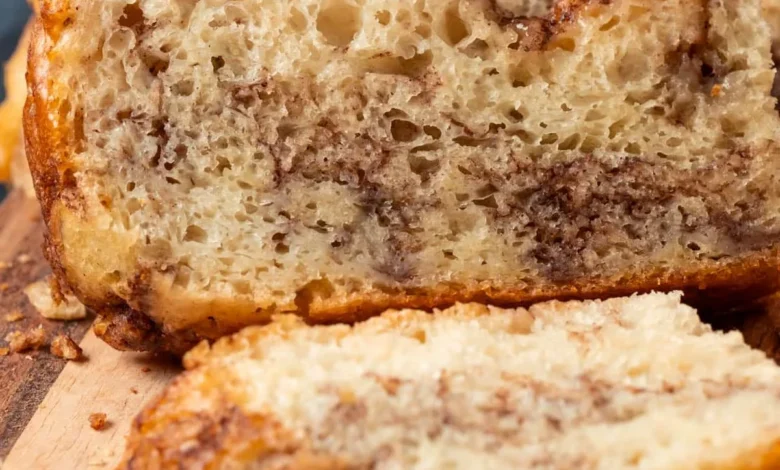
For the vegan cinnamon bread, the inclusion of instant yeast and a carefully calibrated moisture-to-flour ratio allows the dough to develop strength autonomously. This is further enhanced by the Dutch oven environment. When placed inside a preheated Dutch oven, the lid traps the steam released from the dough during the initial stages of baking. This humidity prevents the crust from setting prematurely, allowing the loaf to achieve maximum oven spring before the exterior becomes crisp and caramelized. The result is a soft, airy crumb encased in a sweet, sticky cinnamon-sugar crust, a texture profile that traditionally required extensive professional oversight.

Chronology of Preparation and Implementation
The preparation process for this loaf is designed for maximum efficiency. The timeline typically spans roughly two to three hours, depending on ambient room temperature, which dictates the rate of yeast activity.

- Preparation Phase (0:00–0:15): The dry ingredients—all-purpose flour, instant yeast, and sea salt—are combined in a large mixing vessel. This stage is critical for ensuring the even distribution of the leavening agent.
- Hydration Phase (0:15–0:30): Maple syrup, which serves as both a sweetener and a catalyst for yeast fermentation, is whisked into warm water. This mixture is then incorporated into the dry ingredients alongside a measured quantity of oil. The dough is mixed until just combined; overworking the dough at this stage is unnecessary and discouraged.
- Fermentation Phase (0:30–1:30): The dough undergoes a primary rise. During this hour, the yeast metabolizes the sugars, releasing carbon dioxide and alcohol, which contributes to the characteristic depth of flavor.
- Layering and Structuring (1:30–1:45): A critical step in creating the signature "swirl" involves a precise layering process. One-third of the dough is placed in the Dutch oven, followed by a layer of the cinnamon-sugar-vegan butter mixture. This process is repeated to create alternating layers, which are then integrated using a skewer to produce the marbled effect.
- Baking Phase (1:45–2:30): The final bake takes approximately 40 minutes at high heat. The containment provided by the Dutch oven ensures that the heat is distributed evenly, cooking the center of the loaf without scorching the exterior.
Nutritional Implications and Dietary Inclusivity
From a nutritional perspective, this recipe provides a manageable caloric profile, with approximately 173 kcal per serving. While bread is traditionally viewed as a source of complex carbohydrates, the inclusion of cinnamon offers additional metabolic benefits. Studies have suggested that cinnamon may assist in maintaining healthy blood sugar levels, making it a functional addition to baked goods.

The shift toward plant-based recipes is not merely a trend but a response to shifting global health priorities. The elimination of dairy butter in favor of plant-based fat alternatives removes dietary cholesterol, making this recipe accessible to individuals with lactose intolerance or those adhering to vegan dietary protocols. Furthermore, the simplicity of the ingredient list—flour, yeast, water, maple syrup, and cinnamon—aligns with the growing consumer preference for "clean label" foods, free from the emulsifiers and preservatives often found in commercial, mass-produced bread.

Market Context and Consumer Demand
The rise of the "home artisan" segment has seen a significant increase in the sales of Dutch ovens and professional-grade baking supplies. Retail data suggests that interest in specialized baking tools correlates strongly with the popularity of simplified, high-result recipes. By providing a recipe that yields a high-quality product with minimal barrier to entry, creators are effectively democratizing artisanal baking.

Market analysts suggest that the demand for vegan versions of traditional comfort foods will continue to grow as Gen Z and Millennial demographics prioritize plant-forward lifestyles. This specific recipe fills a gap in the market for breakfast-style baked goods that function as both a standalone snack and a dessert item. Its shelf-life characteristics—best consumed within 72 hours—also encourage smaller, more frequent batches, which aligns with modern consumption patterns focused on freshness and quality.

Storage and Long-Term Viability
The lack of artificial preservatives means that the structural integrity of the bread is best preserved through proper storage. The high moisture content that makes the loaf soft during the first 24 hours can lead to staling thereafter. However, the recipe is specifically designed to be freezer-friendly.

Freezing the loaf in pre-sliced portions allows the consumer to manage waste effectively. Toasting the bread directly from a frozen state is an effective method for restoring the initial texture, as the heat re-activates the starches in the crumb while refreshing the cinnamon-sugar exterior. This adaptability is a significant factor in the recipe’s high user ratings, as it acknowledges the reality of modern household food management.

Conclusion and Future Implications
The success of this vegan cinnamon bread recipe serves as a case study in how technique can substitute for labor. By focusing on the scientific variables of hydration, temperature, and fermentation, the recipe achieves results that were previously the domain of trained bakers. As interest in home-based, plant-centric nutrition continues to expand, it is likely that similar "no-knead" variations will continue to emerge, further refining the intersection of ease, health, and flavor.

Whether the motivation is environmental sustainability, health, or simply the pursuit of high-quality, homemade food, this recipe stands as a testament to the fact that complex flavors and professional results are achievable within the home kitchen, provided one has the correct tools and an understanding of the fundamental chemical reactions occurring within the dough.