Colombian gastronomy is a complex tapestry woven from Indigenous, Spanish, and African influences, resulting in a culinary identity that is as diverse as the country’s geography. While the nation’s main courses—often featuring hearty meats like chicharrón, carne asada, or braised chicken—frequently take center stage, the foundational elements of any authentic Colombian meal are its side dishes. These accompaniments are not merely peripheral; they are essential structural components that provide the necessary balance of texture, starch, and acidity required to complete a traditional plate.

The Cultural Significance of Starch and Texture
In the Colombian culinary tradition, the "side dish" functions as a bridge between the protein and the palate. The country’s equatorial climate and varied topography, ranging from the Caribbean coastline to the high-altitude Andean peaks, dictate the availability of ingredients. Consequently, plantains, yuca (cassava), and potatoes serve as the primary carbohydrates, each prepared through distinct techniques that have been refined over centuries.

Historically, these sides have been staples of the rural domestic kitchen, moving from the hearth to the modern restaurant menu as Colombian cuisine gained international recognition in the early 21st century. The reliance on these ingredients is rooted in economic history, as these crops were historically accessible, nutrient-dense, and highly versatile for large-scale family gatherings.

Categorizing the Colombian Side Dish
To understand the breadth of these offerings, one must look at the preparation methods. The following list highlights ten essential side dishes that define the Colombian dining experience, categorized by their primary ingredient and regional origin.

The Plantain Foundation
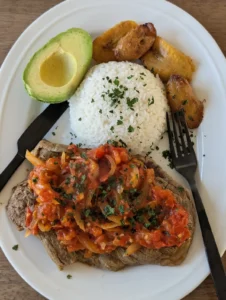
- Tajadas de Plátano Maduro: These are slices of ripe plantain, fried until the natural sugars caramelize into a deep golden brown. The contrast between the crispy edges and the soft, sweet interior makes them a perfect counterpoint to savory or salty main dishes.
- Patacones (Tostones): Unlike their sweet counterparts, these are crafted from green, unripe plantains. The process involves slicing, frying, flattening, and frying a second time. This double-frying technique is crucial for achieving the characteristic crunch that makes them a quintessential vessel for hogao (a tomato and onion sauce) or garlic butter.
The Role of Rice
- Arroz con Coco Titote: Native to the Caribbean coast, this dish reflects the Afro-Colombian influence. It is prepared using coconut milk and, specifically, the "titote"—the golden-brown bits of coconut solids that remain after the milk is reduced. The addition of raisins provides a sweet, chewy texture that complements fried fish and coconut-based stews.
- Arroz Blanco: While it may seem simple, the preparation of white rice in Colombia is a disciplined craft. It is typically cooked until fluffy and distinct, serving as the neutral base for almost any meal. It acts as a culinary "reset," balancing the intense spices found in regional stews like ajiaco or sancocho.
Root Vegetables and Tubers
- Yuca Frita: Cassava is an ancient crop in the Andean region. When boiled and then fried, the exterior becomes rigid and crisp while the interior remains creamy. It is frequently served as a snack or a side with a side of acidic salsa or ají.
- Papas Chorreadas: A signature of the Colombian Andes, this dish features boiled potatoes smothered in a rich, warm sauce made of heavy cream, scallions, tomatoes, and cheese. It is a testament to the influence of dairy farming in high-altitude regions like Boyacá and Cundinamarca.
- Papa Salada: These are small, unpeeled potatoes boiled in heavily salted water until the skins take on a crusty, white saline layer. They are the standard accompaniment to "asados" (barbecues), providing a salty bite that pairs perfectly with grilled meats.
Salads and Accompaniments
- Ensalada Rusa: This dish illustrates the international reach of Colombian cuisine. Influenced by European potato salads, the Colombian version typically includes cooked potatoes, carrots, peas, and a mayonnaise-based dressing. It is a staple at holiday dinners and large family celebrations.
- Plátanos Asados con Queso: These are baked ripe plantains, often split and stuffed with fresh white cheese and guava paste. This preparation highlights the Colombian preference for mixing sweet and salty profiles in a single dish.
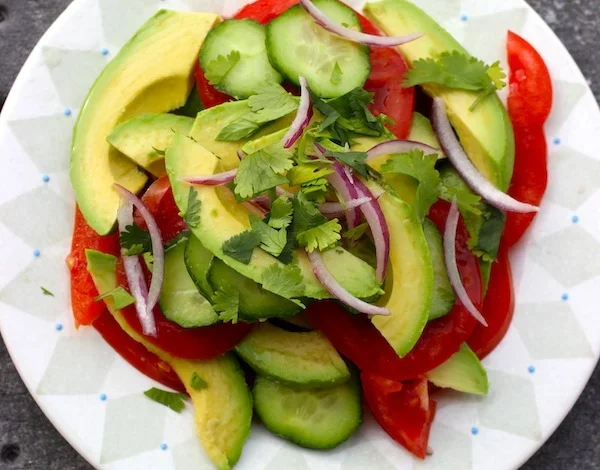
- Ensalada de Tomate y Aguacate: Given Colombia’s status as one of the world’s leading producers of Hass avocados, this salad is ubiquitous. The combination of ripe, creamy avocado and acidic, fresh tomatoes is the most common way to introduce fresh produce to a starch-heavy meal.
Economic and Culinary Implications
The persistence of these ten dishes in the modern diet underscores a broader trend in global food culture: the "glocalization" of traditional recipes. As Colombian restaurants expand into major urban centers in North America and Europe, these side dishes have become the primary indicators of authenticity.

From an economic perspective, the production of these staples remains a vital part of the agricultural sector. The government of Colombia has, in recent years, invested in agricultural technology to improve the yields of plantains and potatoes, recognizing that these crops are not just sustenance, but symbols of national identity.

Chronology of Culinary Evolution
- Pre-Columbian Era: Indigenous groups in the Andes and the Caribbean coast establish the cultivation of native tubers and plantains as the primary food source.
- 16th–18th Century: Spanish colonization introduces dairy cattle, which leads to the creation of dishes like papas chorreadas utilizing local potatoes and imported cheese techniques.
- 19th Century: The influence of Caribbean trade routes cements the role of coconut and rice in coastal cooking.
- 20th Century: The industrialization of food service leads to the standardization of these side dishes in restaurants, transitioning them from domestic "home cooking" to a commercial standard.
- 21st Century: A surge in culinary tourism and international media coverage elevates Colombian cuisine, with these side dishes frequently cited as "must-try" items for travelers.
Analysis of Current Trends
While these ten dishes represent the traditional core, there is an ongoing movement among contemporary Colombian chefs to modernize these sides. This involves experimenting with fermentation, sourcing heirloom varieties of potatoes, and utilizing alternative frying methods to reduce oil content without compromising the flavor profiles that have been passed down through generations.

The enduring popularity of these items suggests that the Colombian palate remains firmly rooted in tradition. Even as the country’s gastronomy evolves to incorporate global techniques, the "must-try" list remains remarkably consistent. Whether in a rural home in Antioquia or an upscale bistro in Bogotá, the presence of a perfectly fried plantain or a bowl of creamy, cheese-laden potatoes serves as a reminder of the country’s agrarian roots and the sophisticated simplicity of its culinary heritage.

In conclusion, these side dishes are far more than simple accessories. They are a reflection of a nation that values the harmony of its ingredients. As the global interest in Latin American food continues to grow, understanding these foundational recipes provides the necessary context for anyone looking to appreciate the depth and complexity of Colombian culture. Through these ten pillars, one can navigate the diverse regions and histories that make Colombia a significant player in the global culinary landscape.