Historical Context and Culinary Significance
The cultural importance of Sobrebarriga extends beyond its flavor profile; it is intrinsically linked to the social structure of the Colombian family. Historically, the preparation of this dish is a weekend-long affair, particularly in Bogotà and the surrounding highlands. The preparation process often serves as a catalyst for social cohesion, where generations gather in the kitchen to participate in the labor-intensive stages of cleaning, seasoning, and simmering the meat.
In the broader context of Colombian gastronomy, the dish reflects a historical adaptation to tougher cuts of meat. By employing long-duration moist heat cooking, or braising, home cooks have historically elevated affordable cuts—which would otherwise be difficult to consume—into high-quality, protein-rich meals. This practice aligns with global culinary traditions that favor slow-cooking methods to maximize the nutritional and sensory potential of livestock.

Technical Breakdown: The Science of the Cut
The "sobrebarriga" refers to the flank steak, a flat, coarse-grained muscle located on the abdominal wall of the bovine. From a butcher’s perspective, this cut is high in connective tissue, specifically collagen. When subjected to dry heat, this tissue remains tough and chewy; however, when braised at low temperatures for extended periods, the collagen breaks down into gelatin, providing the signature texture that defines the dish.
Nutritional data for a standard serving of 434 calories highlights the protein-dense nature of the meal. With approximately 51 grams of protein per serving and 14 grams of carbohydrates, it remains a balanced, albeit hearty, dish. The high potassium content (1,269 mg) is largely attributed to the base ingredients of the creole sauce and the accompanying side dishes, which traditionally include potatoes and legumes.
Chronology of Preparation
To achieve the desired tenderness, modern culinary techniques for this dish generally follow a three-stage timeline:

- Preparation (0–30 minutes): The beef is cleaned and trimmed. Traditionally, this involves removing excess fat while leaving enough to contribute to the richness of the cooking liquid. The meat is often pierced with a fork to allow seasonings—typically cumin, salt, pepper, and garlic—to penetrate the muscle fibers.
- Braising (2–4 hours): Depending on the equipment used, the meat is submerged in water or broth. On a traditional stovetop, this is a slow simmer that can last up to three hours. The advent of the olla pitadora (pressure cooker) has revolutionized this stage, reducing the cooking time to roughly 60 minutes while maintaining the integrity of the muscle structure.
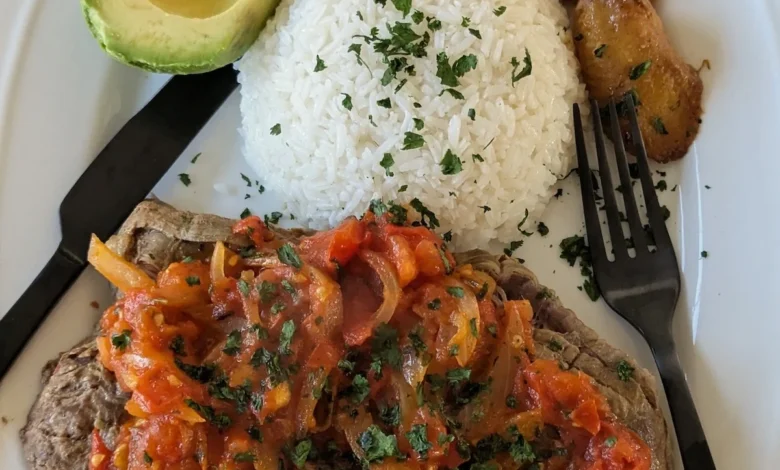
- Finishing (30 minutes): The final stage involves the reduction of the cooking broth with the salsa criolla. The sauce is prepared by sautéing finely diced onions, tomatoes, and garlic until they reach a jam-like consistency. The cooked, sliced steak is then returned to this sauce, allowing the meat to absorb the aromatics.
Modern Culinary Adaptations
While the stovetop remains the traditional method, the adoption of modern kitchen technology has made this dish more accessible for weeknight dining. Culinary experts note that the use of a pressure cooker or an Instant Pot allows for a result nearly identical to the traditional long-simmer method, with a significantly smaller carbon footprint and lower energy consumption.
Furthermore, the rise of "meal prepping" has seen a surge in interest for dishes like the Sobrebarriga, which, according to food storage guidelines, maintains its quality for up to three days when refrigerated. Because the flavors of the salsa criolla continue to develop as the meat sits in the broth, the dish is frequently cited by chefs as one that is superior when reheated 24 hours after initial preparation.
Regional Variations and Accompaniments
Across Colombia, the dish is served with variations dictated by regional availability of produce. In the Cundinamarca region, the standard accompaniments include arroz blanco (white rice), boiled yuca (cassava), and papas criollas (a specific small, yellow Andean potato). The addition of avocado serves as a fat source that balances the acidity of the tomato-based sauce.

Culinary historians have observed that the inclusion of fried sweet plantains (tajadas de maduro) serves as a contrast to the savory, umami-heavy profile of the beef. This combination of textures—the soft, yielding beef, the starchy tubers, and the sweet plantains—is a deliberate design intended to provide a comprehensive and satisfying nutritional profile.
Socio-Economic Impact and Cultural Preservation
The persistence of the Sobrebarriga in the modern Colombian diet is a testament to the preservation of cultural heritage amidst rapid globalization. As convenience foods become more prevalent, the time-intensive nature of this dish serves as a deliberate act of cultural maintenance. Culinary sociologists argue that the preservation of such recipes is vital for maintaining a connection to ancestral cooking methods.
The dish also has a broader economic impact on local agricultural markets. The demand for specific, fresh ingredients—tomatoes, scallions, and high-quality beef—supports local supply chains in the Andean highlands. Small-scale farmers who provide the components of the salsa criolla remain a vital link in the production cycle of this traditional meal.

Expert Analysis: Future Trends
Looking ahead, the evolution of the Sobrebarriga is likely to involve more sustainable sourcing of the beef, as consumers become increasingly conscious of the environmental impact of livestock farming. However, the core recipe remains largely unchanged, a rarity in a global culinary landscape that often favors fusion and rapid modification.
For those looking to recreate the dish, experts emphasize three critical rules:
- The Grain Rule: Always slice the beef against the grain. Because the flank steak has distinct, long muscle fibers, cutting with the grain will result in a tough, chewy texture, regardless of how well it was cooked.
- Simmering Temperature: Avoid a hard boil. High temperatures cause the muscle fibers to contract and tighten, negating the work done to break down the collagen.
- Resting Period: Allowing the meat to rest in the liquid after cooking ensures that the moisture is reabsorbed into the fibers, preventing the meat from becoming dry during the final assembly.
Conclusion
Sobrebarriga en Salsa Criolla is more than a recipe; it is a historical record of Colombian resilience and family values. By bridging the gap between historical necessity and modern culinary efficiency, it remains a dish that offers both comfort and a tangible connection to the past. As long as families continue to prioritize the "Sunday dinner" tradition, the slow, deliberate preparation of this flank steak will continue to serve as a focal point for domestic life in Colombia. Whether prepared in a traditional clay pot or a high-tech pressure cooker, the essence of the dish remains unchanged: a testament to the power of simple ingredients, properly treated, to bring people together.
Related posts: