The Evolution of Traditional Mexican Baking: How Modern Home Bakers Are Reinventing Classic Mantecadas Without Eggs

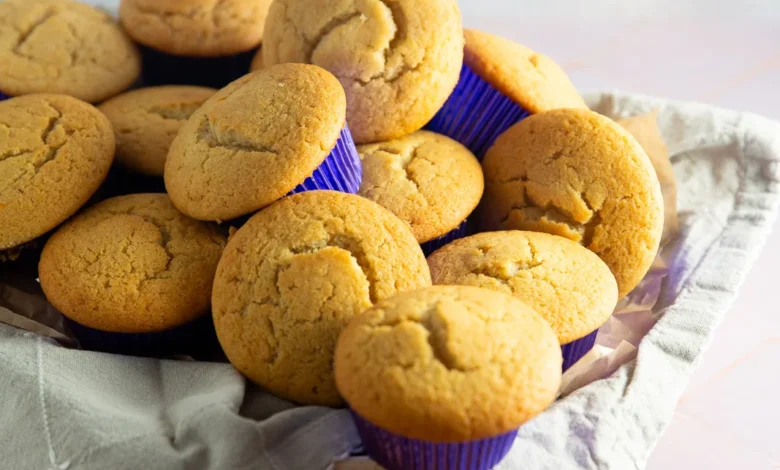
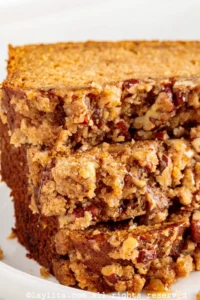
The culinary landscape of traditional Mexican panadería is currently undergoing a subtle yet significant transformation, driven by home economists, modern dietary adaptations, and a renewed appreciation for ingredient science. At the center of this movement is a reimagined recipe for mantecadas—the iconic, high-domed sweet bread traditionally wrapped in distinctive red or purple paper liners. Developed by food writer and culinary creator Alejandra Graf, a new iteration of egg-free mantecadas has sparked widespread interest among home bakers looking to replicate the nostalgic flavors of a neighborhood panadería while accommodating modern dietary preferences such as plant-based and allergy-friendly baking.
For generations, the standard mantecada relied heavily on eggs, dairy, and animal- or vegetable-based fats to achieve its characteristic dense yet tender crumb and golden, rounded top. However, the recent shift toward accessible, one-bowl baking methods has demonstrated that traditional textures can be successfully emulated using alternative scientific interactions. By substituting eggs with yogurt and leveraging the chemical reaction between acidic dairy—or plant-based yogurt alternatives—and sodium bicarbonate, contemporary bakers are achieving high domes and fine, moist crumbs without the need for electric mixers or complex culinary equipment.

Historical Context and the Evolution of Pan Dulce
To understand the significance of modifying a recipe like mantecadas, one must examine the origins of Mexican sweet bread culture. Introduced heavily during the Spanish colonial period and later refined under European influences—particularly French baking techniques during the 19th century—Mexican panadería evolved to incorporate local ingredients and flavor profiles. The word "mantecada" itself etymologically stems from "manteca," referencing the traditional use of lard or heavy fats that gave the pastry its signature richness and extended shelf life.
Over the decades, commercial bakeries largely transitioned from lard to vegetable oils and shortening, while home recipes standardized the use of multiple eggs to achieve structural lift and moisture. Yet, as contemporary dietary restrictions surrounding cholesterol, dairy, and eggs continue to rise, traditional recipes face the challenge of preservation or adaptation. The development of egg-free mantecadas represents a broader trend within global home cooking: preserving cultural heritage and sensory experiences while modernizing ingredient lists for contemporary households.

The Culinary Science Behind Egg-Free Mantecadas
Culinary testing behind the modern egg-free mantecada reveals specific functional replacements that dictate the success of the bake. According to recipe development notes shared during the formulation process, achieving the exact mouthfeel of a bakery-style mantecada required overcoming distinct structural hurdles.
In standard baking, eggs provide structural integrity, emulsification, and moisture. In this updated formulation, yogurt assumes the primary role of the egg. The acidity naturally present in yogurt serves a dual purpose: it introduces necessary moisture and triggers a chemical leavening reaction when paired with baking soda, ensuring the characteristic high-domed top. Furthermore, the use of cornstarch alongside standard wheat flour acts as a tenderizing agent, breaking down gluten development to yield a fine, cake-like crumb reminiscent of commercial pound cakes.

Fat content remains a crucial component of the recipe’s authenticity. Because traditional mantecadas derive their name and texture from a higher-than-average fat concentration, modern iterations deliberately maintain a generous proportion of neutral oil. This ensures that the pastry retains its tier-three moisture levels, remaining soft and palatable for up to three days at room temperature—an essential quality for baked goods traditionally served alongside morning coffee or afternoon hot chocolate.
Broader Industry Implications and Home Baking Trends
The popularity of simplified, allergen-adaptable recipes like the egg-free mantecada highlights a broader shift in consumer behavior within the culinary space. As more individuals seek out comfort foods that align with vegan, vegetarian, or egg-free dietary requirements, culinary creators are increasingly focusing on ingredient versatility.

Food industry analysts note that recipes requiring minimal specialized equipment—such as the single-bowl, whisk-free method utilized in this preparation—tend to see higher engagement among urban demographics and busy households. By designing recipes that seamlessly transition from dairy-based yogurt to plant-based alternatives without compromising structural integrity, modern bakers are lowering the barrier to entry for traditional cultural bakes.
Furthermore, the emphasis on natural flavoring agents—such as fresh orange zest and high-quality vanilla—contrasts sharply with the ultra-processed flavorings sometimes found in mass-produced commercial pastries. This return to whole, aromatic ingredients reflects a growing consumer demand for transparency and authenticity in home cooking.
Cultural Pairing and Preservation

In practice, the consumption of mantecadas remains deeply rooted in daily social rituals across Mexico and the global diaspora. Traditionally enjoyed during breakfast (desayuno) or the late afternoon snack (merienda), they are frequently paired with traditional beverages such as café de olla—coffee brewed with cinnamon and unrefined cane sugar (piloncillo)—or Mexican-style hot chocolate.
As home baking continues to intersect with digital recipe sharing, adaptations of classic pastries like the mantecada ensure that culinary traditions remain dynamic and accessible. Whether prepared with traditional dairy for a quick weekday breakfast or modified with plant-based alternatives for dietary inclusivity, the enduring appeal of the mantecada lies in its ability to adapt to the changing needs of the modern kitchen while honoring its rich panadería heritage.