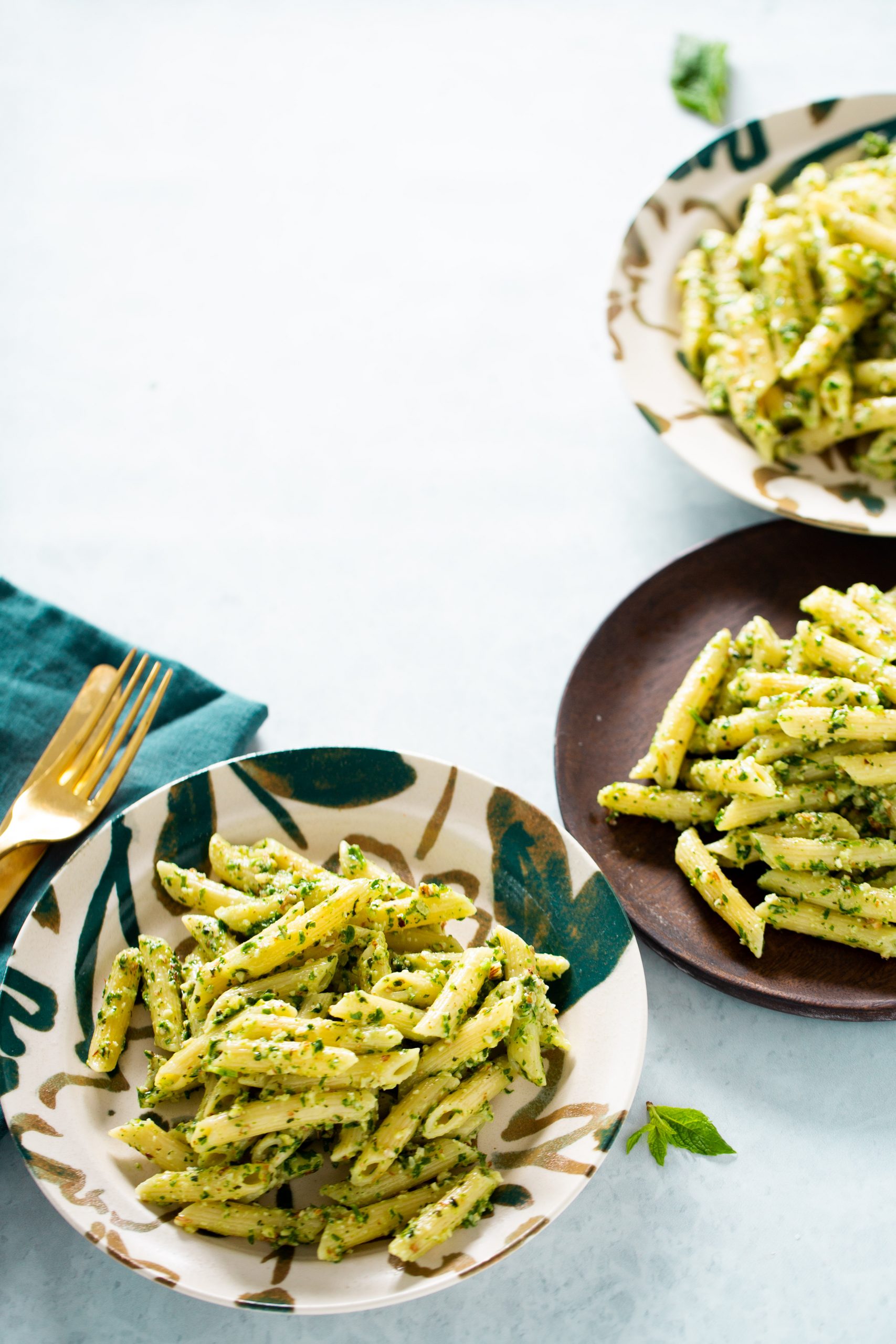
A culinary innovation is redefining the traditional Italian pesto, offering a refreshing and unexpected twist that is captivating palates and simplifying weeknight cooking. This new iteration, dubbed "Pasta con Pesto de Menta y Almendras," or Pasta with Mint and Almond Pesto, moves beyond the conventional basil-based sauce, incorporating the invigorating notes of mint, the satisfying crunch of almonds, and a surprising hint of jalapeño for a vibrant, vegan-friendly dish that can be prepared in under 30 minutes.
Originating from the creative kitchen of Alejandra Graf, this recipe emerged from a summer garden overflowing with mint, prompting a departure from the ubiquitous basil pesto. The unexpected yet harmonious combination of mint and jalapeño has since become a staple, lauded for its fresh, zesty profile and its remarkable speed of preparation. This innovative pesto not only offers a delightful alternative for pasta lovers but also exemplifies how familiar dishes can be reimagined with global influences and readily available ingredients.
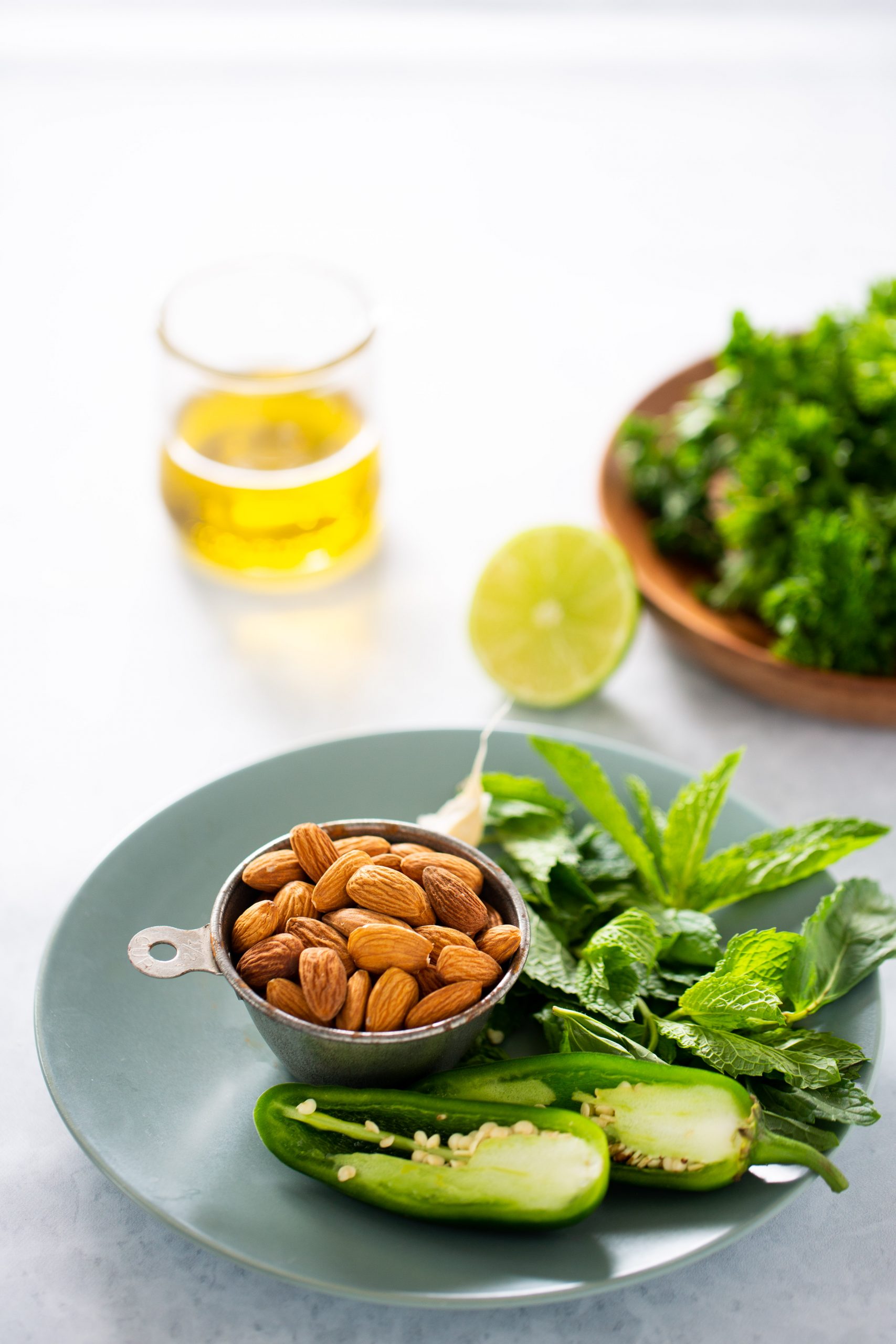
The foundation of this novel pesto lies in its unique blend of ingredients, diverging significantly from its Genoese ancestor. While traditional pesto typically features basil, pine nuts, garlic, Parmesan cheese, and olive oil, this modern adaptation substitutes basil with a dynamic duo of fresh mint and parsley. The richness traditionally provided by pine nuts is expertly replaced by toasted almonds, lending a delightful textural contrast and a subtle nutty depth. The inclusion of garlic is standard, but the addition of fresh lemon juice elevates the brightness, cutting through the richness and harmonizing the herbal notes. The most distinctive element, however, is the subtle inclusion of jalapeño. This chili pepper, a staple in Latin American cuisine, introduces a gentle warmth and a whisper of spice that, when managed by removing seeds and veins, provides an intriguing counterpoint to the cool mint and savory herbs without overwhelming the palate. This carefully curated selection of ingredients results in a pesto that is not only vegan but also bursts with a complex yet balanced flavor profile.
Understanding the Evolution of Pesto
The term "pesto" itself is derived from the Italian verb "pestare," meaning to pound or to crush. Historically, pesto was meticulously prepared using a mortar and pestle, a testament to the manual labor and artistry involved in its creation. This traditional method allowed for a gradual release of flavors and a unique texture. However, in contemporary culinary practices, food processors and blenders have become indispensable tools, enabling the rapid creation of pesto and facilitating a wider array of ingredient combinations.
The versatility of pesto is a key factor in its enduring popularity. While the classic Genovese pesto remains a beloved staple, countless variations have emerged globally, utilizing different herbs, nuts, seeds, and even vegetables. These adaptations reflect regional flavors and dietary preferences, demonstrating pesto’s remarkable ability to be a canvas for culinary creativity. The mint and almond pesto, with its Latin-inspired flair, is a prime example of this ongoing evolution, showcasing how a traditional concept can be infused with new life and exciting flavor dimensions.
The Advantages of the Mint and Almond Pesto
This particular pesto recipe offers several compelling advantages that contribute to its growing appeal:
- Speed and Simplicity: Requiring less than 30 minutes from start to finish, it is an ideal solution for busy weeknights or impromptu gatherings. The use of a food processor significantly reduces preparation time compared to traditional methods.
- Vegan and Dairy-Free: By omitting cheese, this pesto caters to a vegan diet and individuals with dairy sensitivities, making it an inclusive option for a wider audience.
- Fresh and Vibrant Flavor: The combination of mint and lemon provides an invigorating freshness, while the almonds add a satisfying textural element. The subtle heat from the jalapeño adds a layer of complexity that distinguishes it from other pestos.
- Nutritional Benefits: Packed with fresh herbs, healthy fats from almonds, and beneficial compounds from garlic and jalapeño, this pesto offers a nutritious addition to any meal. Almonds are a good source of vitamin E, magnesium, and healthy monounsaturated fats, while mint and parsley are rich in vitamins and antioxidants.
- Versatility Beyond Pasta: While it shines as a pasta sauce, this pesto can be used in numerous other applications, such as a spread for sandwiches, a marinade for grilled vegetables or proteins, or a flavorful addition to dips and dressings.
Preparation: A Modern Approach
The preparation of this mint and almond pesto is streamlined by the use of a food processor. All the primary ingredients – fresh mint, parsley, toasted almonds, garlic, and jalapeño – are placed in the processor’s bowl. A generous drizzle of olive oil is added, and the mixture is pulsed until it achieves the desired consistency. The creator, Alejandra Graf, notes a preference for a slightly coarser texture, allowing the almond pieces to provide an extra "crunch" in the final dish. This approach not only simplifies the process but also allows for a customized texture to suit individual preferences.
A key tip for optimal flavor and preservation is to prepare the pesto in advance. It can be stored in an airtight container in the refrigerator for up to four days. To prevent oxidation and maintain its vibrant green color, a thin layer of olive oil should be poured over the surface of the pesto before sealing. While a slight darkening may occur on the surface due to oxidation, this does not affect the flavor and can be easily stirred back in or removed.

Transforming the Pesto into Pasta
The final step of combining the pesto with pasta is equally straightforward, yet critical for achieving a perfect sauce. The creator emphasizes the importance of reserved pasta cooking water. This starchy water is the secret ingredient for creating a silky, emulsified sauce that clings beautifully to each strand of pasta. Instead of cooking the pesto directly in a hot pan, which can dull its fresh flavors and vibrant color, it is recommended to mix the pesto with the cooked pasta off the heat. The reserved pasta water is then added gradually, allowing the starch to bind with the oil and create a lusciously smooth coating for the pasta. This technique ensures that the fresh, herbal notes of the mint and parsley, along with the subtle warmth of the jalapeño, are preserved and fully integrated into the dish.
The recommended pasta shapes for this pesto are short varieties such as penne, fusilli, or rigatoni, as their nooks and crannies effectively capture the flavorful sauce. The dish can be served warm or at room temperature, making it an excellent option for potlucks or packed lunches, as its flavor holds exceptionally well.
Storage and Make-Ahead Potential
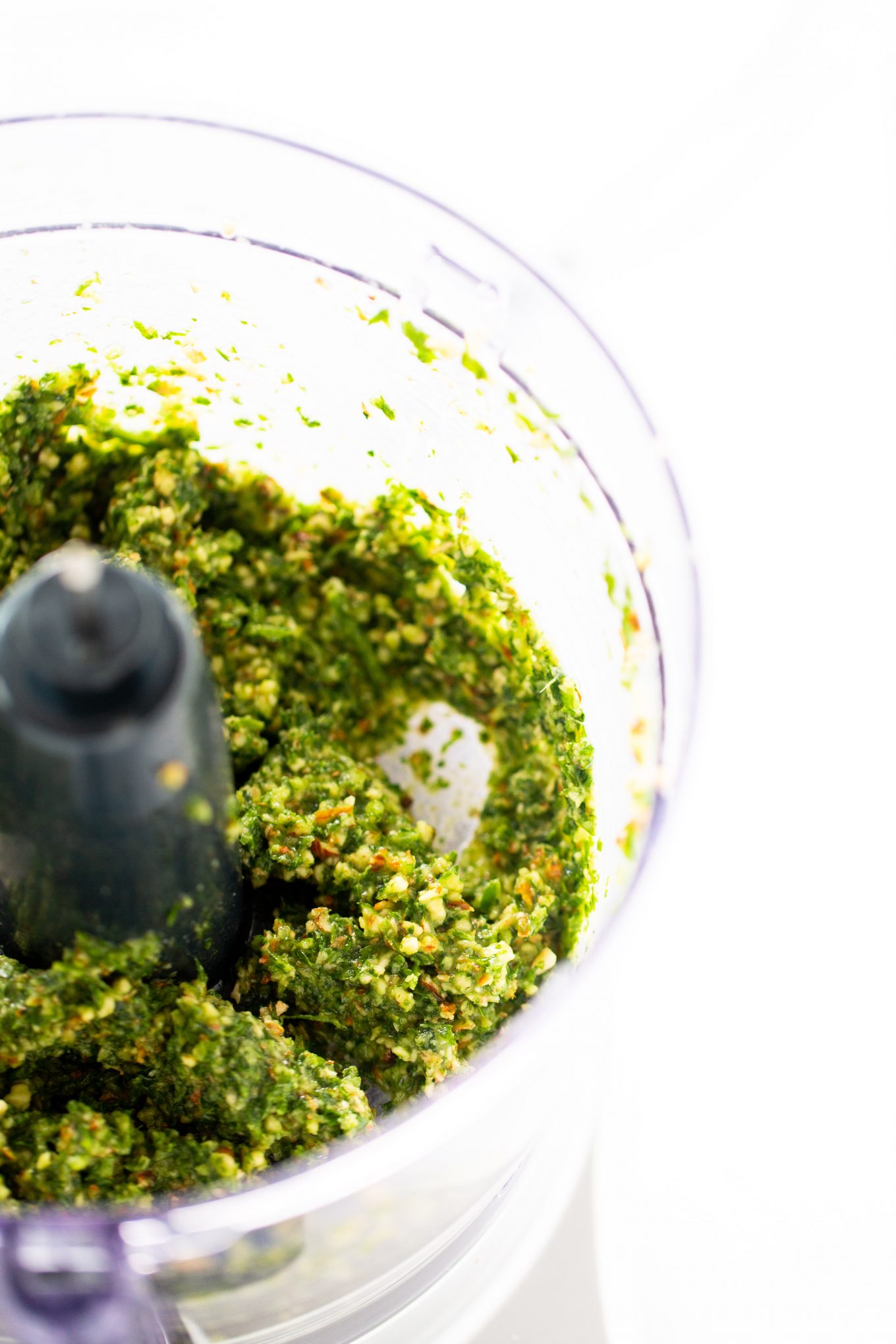
The practicality of this recipe extends to its storage capabilities. Leftover pesto can be kept in an airtight container in the refrigerator for up to four days, with an added layer of olive oil to maintain its freshness and color. For longer storage, the pesto freezes exceptionally well. Portioned into ice cube trays, it can be frozen solid and then transferred to a freezer bag for up to three months. This convenient freezing method allows for quick access to a flavorful pesto whenever needed.
When preparing the pasta dish in advance, it can be stored in the refrigerator for two to three days. To reheat, a splash of water or olive oil can be added to loosen the sauce and refresh the flavors.
Potential Variations and Accompaniments
The inherent versatility of this mint and almond pesto allows for numerous creative substitutions and additions. For those who prefer a more traditional flavor profile, basil can be used in place of or in combination with mint. Other nuts such as pine nuts, walnuts, or even pistachios can be substituted for almonds, each offering a slightly different nutty nuance. For individuals seeking a milder experience, the jalapeño can be omitted entirely, or its seeds and veins can be thoroughly removed to minimize the heat.
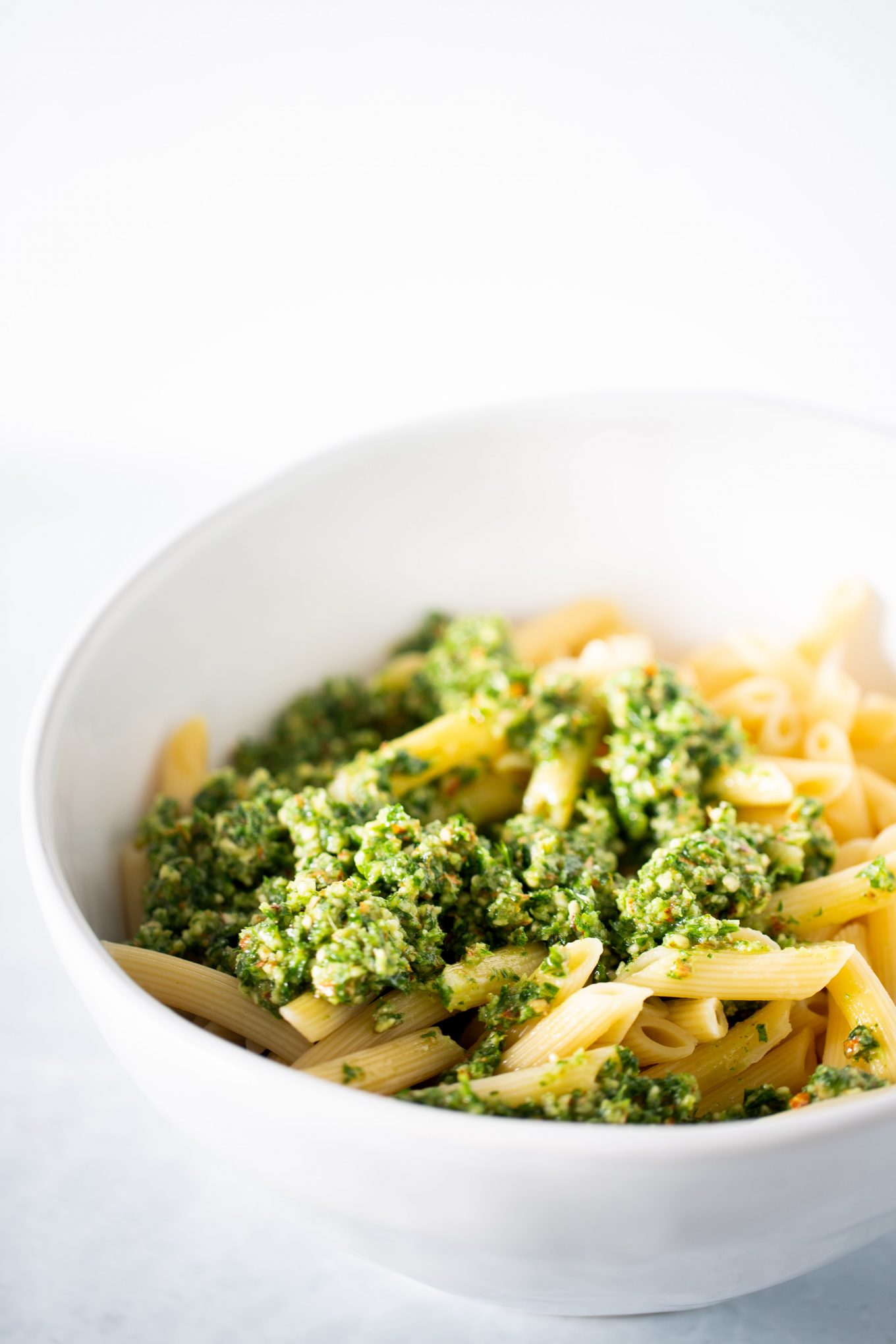
To complement the vibrant flavors of the pasta, several accompaniments can elevate the dining experience. A simple green salad with a light vinaigrette provides a refreshing contrast. Grilled vegetables, such as zucchini, bell peppers, or asparagus, can offer a smoky depth. For a more substantial meal, grilled chicken or fish seasoned with herbs and lemon would pair exceptionally well. A sprinkle of toasted almond slivers or fresh mint leaves as a garnish can further enhance the visual appeal and textural complexity of the dish.
Broader Implications and Culinary Trends
The emergence of recipes like the Pasta with Mint and Almond Pesto reflects a broader trend in modern cuisine: the fusion of traditional techniques with global flavors and a growing emphasis on plant-based and health-conscious eating. As consumers become more adventurous in their culinary exploration, there is an increasing demand for dishes that are not only delicious but also offer a unique sensory experience and align with dietary preferences.
This innovative pesto exemplifies how a familiar dish can be reinvented to appeal to a contemporary audience. Its reliance on fresh, vibrant ingredients, its vegan-friendly nature, and its straightforward preparation make it a highly adaptable recipe that can be enjoyed by a wide range of individuals. The success of such recipes underscores the dynamic nature of food culture, where innovation and tradition continuously intertwine to create exciting new culinary possibilities. The ability to create a flavorful, satisfying, and visually appealing meal in under 30 minutes is a testament to the ingenuity of home cooks and chefs alike, contributing to a culinary landscape that is both accessible and inspiring.
Related posts: