Dom Pérignon Masterclass: A Journey Through Time and the Evolution of Plénitude

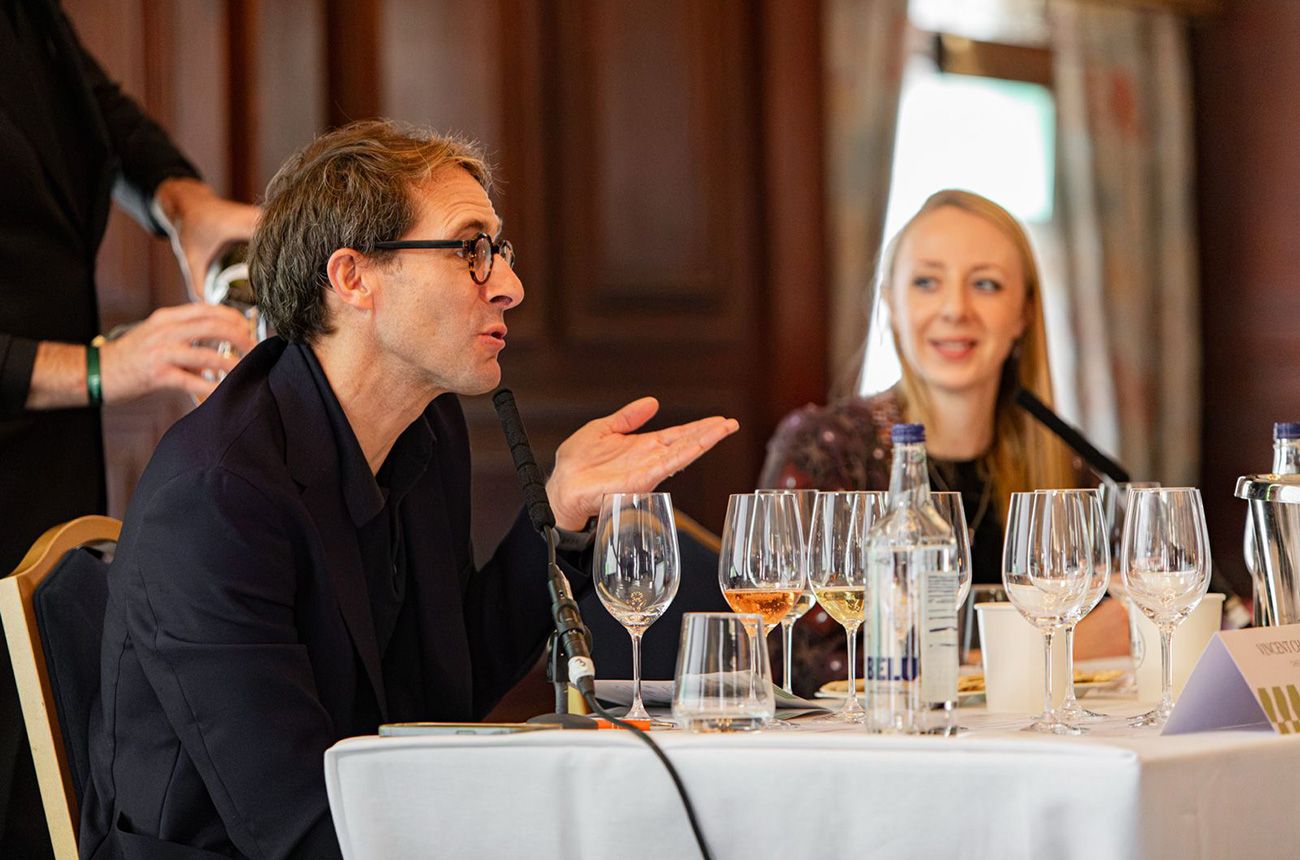
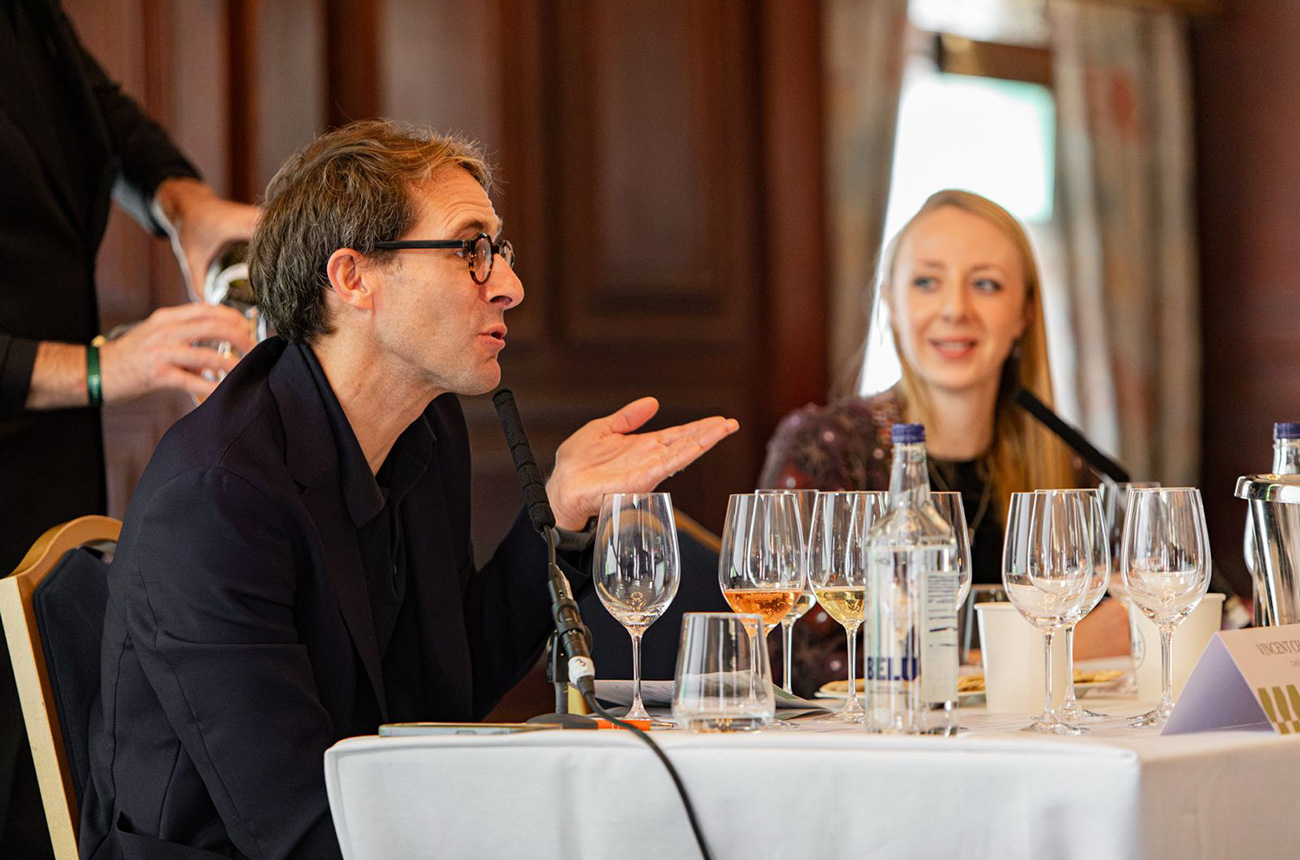
In a landmark masterclass held recently in the heart of the Champagne region, guests were provided with an unprecedented opportunity to engage with the past, present, and future of one of the world’s most iconic wine houses. Led by Dom Pérignon cellar master Vincent Chaperon and Decanter’s France editor Natalie Earl, the event served as a profound exploration of the house’s philosophy of aging, known as "Plénitude." The session moved beyond the traditional tasting format, offering attendees a rare glimpse into the formative stages of a vintage, all the way through to the highly aged, complex expressions that have defined the brand’s legacy for decades.
Tasting the Future: The Concept of Plénitude 0
The most striking element of the masterclass was the introduction of what Vincent Chaperon termed "Plénitude 0." This was not a commercial product, but an exclusive, experimental blend consisting of the 2025 base wines. By presenting this nascent liquid—which is only just beginning its multi-decade journey toward potential release—Chaperon illustrated the foundational work that goes into every bottle of Dom Pérignon.
For the uninitiated, the "Plénitude" concept is the cornerstone of Dom Pérignon’s winemaking strategy. It posits that a wine does not evolve in a linear fashion, but rather reaches distinct peaks of expression at different intervals of its maturation on the lees. Plénitude 1 (P1) is generally released after seven years; Plénitude 2 (P2) is released after approximately 15 years; and the elusive Plénitude 3 (P3) can remain on the lees for 30 years or more. By unveiling the 2025 base wine, Chaperon provided a rare perspective on the raw material—the acidity, the phenolic structure, and the aromatic precursors that will eventually determine the wine’s viability for these long-term aging windows.
A Chronology of Expression: From 2018 to 1983
The tasting menu was meticulously curated to showcase the trajectory of the house style across several decades. The selection demonstrated how varying climatic conditions and cellar management techniques influence the final profile of the Champagne.
- 2018 (P1): Representing the current era, the 2018 vintage offered a window into a year defined by sunny generosity. It is characterized by silky, balanced textures and ripe aromatics, maintaining the house’s signature delicacy despite the warmth of the growing season.
- 2017 (P1): A study in contrast, the 2017 vintage appeared more concentrated and structured. Notes of struck match, smoky toast, and citrus define this vintage, highlighting a warmer, more robust profile that distinguishes it from the 2018.
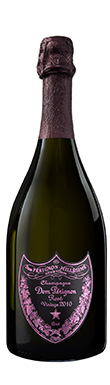
- 2010 (Rosé): This vintage showcased the house’s ability to balance ripeness with tension. The tasting notes revealed layers of nectarine, minty red berries, and candied orange peel, supported by a soft, refined mousse that is indicative of the extended time on lees.
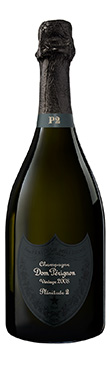
- 2008 (P2): Often cited by critics as a legendary vintage, the 2008 P2 displayed the hallmark characteristics of a long maturation. Honeyed, creamy, and deeply expressive of toasted hazelnut and yeast, it proved to be a standout for its structural integrity.
- 2004 (P2): This selection highlighted the evolution of tertiary aromas. The 2004 P2 presented a profile dominated by vanilla, caramel, and macadamia, with a lingering citrus finish that speaks to the precision of the blending process.
- 2003 (P2): A challenging year in Champagne due to extreme weather, the 2003 P2 offered a unique, subdued profile. With hints of cold butter and mint, it demonstrated how the cellar master’s hand can coax nuance from difficult conditions.
- 2000 (Rosé P2): This vintage marked the transition into deeper complexity, where toasty, nutty notes give way to racy, fresh acidity—a testament to the vibrancy the Rosé can maintain even after two decades.
- 1995 (P3): Stepping into the realm of P3, the 1995 vintage was widely regarded as a highlight. It showed the remarkable potential of long-term aging, with plump, ripe apricot notes, toffee, and a fresh mineral backbone that remains vibrant nearly 30 years later.
- 1983 (P3): The oldest wine in the flight, the 1983 P3, provided a masterclass in maturity. It presented a complex array of honey, almond paste, and quince. Despite its age, it maintained a wide, silky mouthfeel, illustrating the longevity that Dom Pérignon aims to achieve.
The Science of Maturation
The event underscored the technical rigor behind the Plénitude releases. Each stage of a wine’s life cycle requires distinct environmental conditions in the chalk cellars of Epernay. The process of autolysis—where yeast cells break down to impart bread-like, brioche, and nutty flavors to the wine—is carefully monitored.
By extending the time on lees, Dom Pérignon aims to impart a specific "energy" to the wine. During the masterclass, Chaperon explained that the move from P1 to P2 is not simply a matter of time, but a deliberate decision to release the wine when it enters a second, higher state of vitality. This requires a profound understanding of the raw material’s potential to withstand oxygen exposure and time without losing its essential character.
Implications for the Champagne Market
The masterclass serves as a signal of the evolving luxury market for high-end Champagne. As collectors and connoisseurs increasingly look for wines with established provenance and a demonstrated capacity for aging, the P2 and P3 programs have become essential to the house’s market strategy.

The inclusion of the 2025 base wine in a public masterclass also reflects a shift toward greater transparency. By showing the "unfinished" product, the brand is engaging in a form of educational marketing that builds trust with the consumer. It suggests that the value of Dom Pérignon is not just in the bottle that is sold today, but in the institutional knowledge and patient stewardship that spans decades.
From a broader economic perspective, the success of these aged releases underscores the resilience of the prestige Champagne category. Even in a fluctuating global market, the demand for vintages with significant cellar age—backed by the scientific backing of the Plénitude project—remains high. For collectors, the P3 releases, in particular, represent an investment in a product that has already survived the most critical phases of its development under the watchful eye of the cellar master.
The Role of the Cellar Master
Vincent Chaperon’s leadership at Dom Pérignon is defined by a balance between tradition and the pursuit of new frontiers. The role of the cellar master at such a historic house is less about invention and more about interpretation. As Chaperon noted during the proceedings, the cellar master is a guardian of the "Dom Pérignon aesthetic," which must remain consistent despite the inevitable climatic shifts caused by climate change.
The recent masterclass highlighted that the house is acutely aware of its environmental context. The differences between the 2017 and 2018 vintages, and the handling of the heat-affected 2003, show a proactive approach to winemaking. By adapting viticultural practices and blending strategies, the house ensures that the "Plénitude" signature—that balance of tension, precision, and depth—is preserved for future generations.
Conclusion: A Legacy of Patience
The event concluded with a clear message: time is the most valuable ingredient in the production of fine Champagne. Whether it is the anticipation of a 2025 base wine or the reflection provided by a 1983 P3, the process of making Dom Pérignon is one of patience.
For the attendees, the masterclass was more than a series of tastings; it was a comprehensive overview of how a major luxury brand manages its heritage. By connecting the dots between the raw potential of the current year’s harvest and the refined, complex results of decades-old vintages, Dom Pérignon reaffirmed its status as a leader in the industry. As the wine world continues to evolve, the emphasis on the "Plénitude" concept will likely remain the primary vehicle through which the house communicates its values of excellence, longevity, and the relentless pursuit of perfection.