The Great Craft Beer Reckoning: Why Collectors Are Uncorking Decades-Old Hoards and Abandoning the Cellar Culture

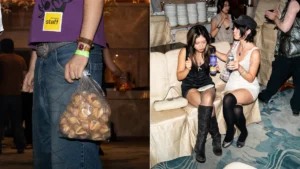
In a San Francisco apartment, a gathering of former craft beer enthusiasts sits surrounded by vintage memorabilia, listening to indie folk records from 2012 while dressed in period-adjacent fashion. The scene, jokingly likened to a forgotten television sketch, centers on an unusual ritual: the consumption of craft beers aged over a decade. Among the bottles opened are a 2015 Firestone Walker Stickee Monkee, a barrel-aged quadruple from California; a Speakeasy Ales & Lagers Scarface Imperial Stout; and a 14-year-old De Struise Brouwers Black Albert, a Belgian Russian imperial stout once hailed as a premier international brew. Organized by host Wes Leslie, this event represents a growing trend known colloquially as an “expired craft beer party.”
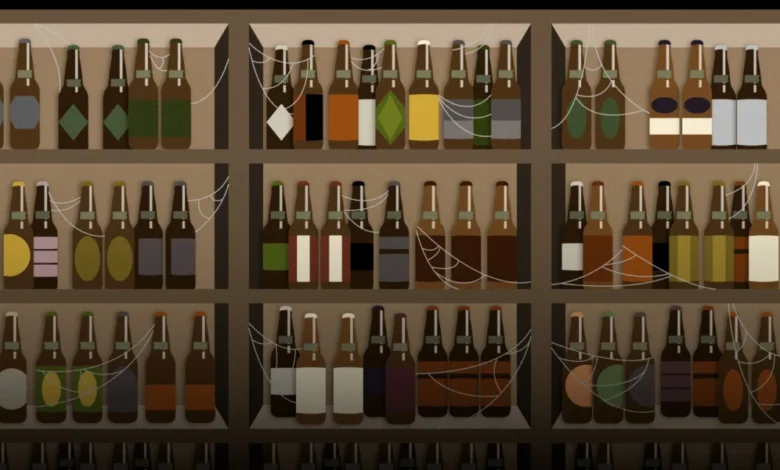
Similar scenes are playing out in basements and closets across the United States. During the peak of the craft beer boom in the late 2000s and 2010s, collectors amassed thousands of dollars worth of high-gravity stouts, wild ales, and barleywines, storing them away in specialized cellars for idealized future milestones. Today, changing consumer tastes, shifting market dynamics, and the realization that many of these aging vintages have deteriorated beyond recognition have sparked a widespread movement of uncellaring. Collectors are reckoning with the physical and financial realities of an era defined by excess, over-accumulation, and the pursuit of liquid scarcity.
The Rise and Peak of the Craft Beer Cellaring Era
The phenomenon of cellaring craft beer emerged alongside the rapid expansion of the independent brewing industry in the United States. In the early 2000s, consumer palates began shifting away from mass-produced domestic lagers toward regional and specialty brews. As distribution networks improved and enthusiast platforms like BeerAdvocate gained prominence, consumers developed an appetite for rare, high-alcohol-by-volume (ABV) releases.
Throughout the late aughts and early 2010s, acquiring limited-edition beers became a competitive hobby. Brewers released sought-after specialties such as Russian River’s Pliny the Younger, Founders Kentucky Breakfast Stout, and Westvleteren XII—a Trappist quadruple so scarce it lacked a commercial label. Enthusiasts traveled across state lines, stood in hours-long queues, and participated in complex online trade networks to secure allocations.
Publishers and industry experts capitalized on the trend, publishing guides that outlined the ideal parameters for aging beer. Literature such as Patrick Dawson’s 2015 book, Vintage Beer: A Taster’s Guide to Brews That Improve Over Time, codified the practice, recommending the preservation of beverages belonging to the "S" categories: strong, sour, or smoked brews. Barleywines, imperial stouts, and Belgian-style ales were widely believed to benefit from prolonged bottle-conditioning, mirroring the traditional cellaring of fine wine. Consequently, what began as casual accumulation evolved into substantial hoarding, with private cellars frequently scaling into the hundreds of bottles.
Market Saturation and the Collapse of the Secondary Market
By the late 2010s, the craft beer market experienced severe saturation. The proliferation of new breweries, combined with shifting consumer preferences toward fresh, low-ABV styles like hazy IPAs and hard seltzers, diminished the demand for heavy, barrel-aged stouts. Furthermore, the COVID-19 pandemic disrupted social gatherings, temporarily halting the bottle shares and tasting events that traditionally served as the primary outlets for consuming large-format vintage beers.
As collectors aged and their lifestyle priorities shifted, maintaining complex home inventories became burdensome. Christopher Nyren, a 48-year-old collector from Chicago who once maintained a cellar of over 500 bottles, highlights the economic and social friction facing long-term collectors. Having invested approximately $12,500 into his collection—which includes rare lambics and specialized barleywines stored in a dedicated sub-basement refrigerator—Nyren notes that the secondary market for vintage beer has effectively collapsed.
"Nowadays, it’s hard to even give away your beer," Nyren observes, reflecting a broader sentiment echoed across online forums and private collector groups. Platforms that once facilitated high-value transactions now feature discussions regarding unmarketable inventories, frequently categorized by participants under titles such as "A Nightmare on Cellar Street." Because consumer interest has pivoted toward immediacy and freshness, historical scarcity no longer commands financial leverage, leaving collectors with depreciated assets that are increasingly difficult to liquidate.
Sensory Realities: The Science of Aging Beer
While the premise of cellaring rested on the assumption that specific styles would develop complex secondary characteristics over time, oenological and brewing science outlines strict limitations regarding beer longevity. Unlike wine, which contains tannins and structural components capable of evolving favorably over decades, beer remains chemically unstable over extended periods.
High-ABV brews, particularly imperial stouts and barleywines, undergo oxidation during extended storage. While initial oxidation can impart desirable notes of sherry, dark fruit, and toffee, prolonged exposure to oxygen eventually flattens the beverage, stripping away hop aromatics and replacing vibrant malt structures with heavy, oxidized cardboard or soy sauce-like off-flavors. Similarly, wild ales and lambics, though naturally acidic and microbiologically stable, frequently lose their intended fruit profiles and tart brightness, resulting in linear, muted sensory experiences.
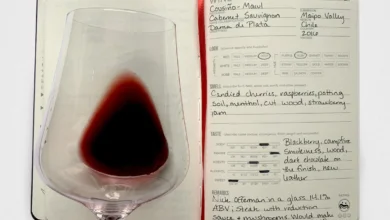
Industry professionals acknowledge the gap between the theoretical benefits of aging and actual sensory outcomes. Brad Japhe, a beverage journalist and long-term collector, notes that comparative tastings often reveal little qualitative difference between a ten-year-old cellared vintage and a fresh release purchased off a retail shelf. This realization has challenged the foundational marketing narrative promoted during the height of the craft beer movement, which suggested that extended storage universally enhanced product quality.
The Great Uncellaring and Cultural Shifts
Faced with declining sensory quality, zero resale value, and domestic pressure to reclaim household space, collectors are systematically dismantling their hoards. The process, often executed through deliberate tasting events or casual evening openings, frequently yields mixed results.
A significant portion of long-held vintage stock has proven to be structurally compromised. Carbonation fades, leaving beers flat and flabby, with prominent oxidation masking historical flavor profiles. However, occasional successes—such as well-preserved barrel-aged coffee stouts or select spontaneous fermentations that maintain structural acidity—validate the survival of a minority of cellared inventory.
Beyond the liquid itself, the uncellaring process serves as a psychological exercise in closure. For many former collectors, clearing out a home cellar represents an acknowledgment of a bygone era of consumer behavior. The physical act of discarding hundreds of liters of compromised beer forces a confrontation with past consumer habits, excess accumulation, and the realization that special-occasion hoarding often prevents the actual enjoyment of perishable goods.
Broader Implications for Modern Drinking Culture
The decline of beer cellaring reflects a broader macroeconomic and cultural shift in how consumers interact with artisanal goods. The collector mindset of the 2010s—characterized by accumulation, scarcity-driven anxiety, and asset fetishization—has given way to a preference for immediate consumption, simplicity, and experiential drinking.
As veterans of the craft beer boom divest from aging stouts and barleywines, many have redirected their collecting and tasting habits toward shelf-stable spirits, such as bourbon, single malt scotch, and agave-based distillates. Unlike beer, which degrades steadily even under optimal storage conditions, high-proof spirits remain chemically stable indefinitely, offering a more practical alternative for long-term collectors seeking to build tangible home inventories without the ticking clock of biological spoilage.
Ultimately, the widespread uncellaring movement marks the conclusion of a distinct chapter in modern beverage history. The era of treating industrial malt beverages like vintage Bordeaux has largely drawn to a close, replaced by a pragmatic consensus: perishable products are engineered for consumption, not preservation, and the true value of a bottle lies in its immediate enjoyment rather than its indefinite confinement to a dark cellar.