Champagne Limits 2026 Harvest Yield to 8800 Kilograms Per Hectare Amid Strategic Stock Rebalancing and Early Harvest Forecasts


The interprofessional body governing the Champagne region, the Comité Interprofessionnel du Vin de Champagne (CIVC), has officially announced that the marketable yield for the 2026 harvest will be capped at 8,800 kilograms per hectare (kg/ha). This decision, which translates to approximately 250 million bottles, marks a significant moment for the world’s most prestigious sparkling wine region as it navigates a complex intersection of fluctuating global demand, environmental pressures, and the necessity for long-term economic stability. The 2026 limit represents the lowest "rendement commercialisable" in the modern era of the appellation, with the sole exception of the 2020 vintage, when the global COVID-19 pandemic forced a drastic reduction to 8,000 kg/ha to prevent a market collapse.
This year’s quota reflects a continued downward trajectory in yield limits, a strategy deliberately employed by the region’s leadership to ensure that supply does not outpace the current pace of global consumption. For context, the 2025 yield was set at 9,000 kg/ha, while 2024 saw a cap of 10,000 kg/ha. These figures stand in stark contrast to the more bountiful years of 2023 and 2022, which saw limits of 11,400 kg/ha and 12,000 kg/ha, respectively. The 2026 limit represents a decline of nearly 27% compared to the 2022 peak, signaling a disciplined approach to inventory management that has become a hallmark of the Champagne collective model.
The Strategic Rationale Behind Yield Reduction
The decision to set the yield at 8,800 kg/ha was reached through a collaborative process between the two main pillars of the region: the grape growers (represented by the Syndicat Général des Vignerons) and the Champagne houses (represented by the Union des Maisons de Champagne). This "collective model" is designed to balance the interests of those who own the land and those who market the final product, ensuring that neither side is disadvantaged by market volatility.

According to a statement released by the Comité Champagne, the primary objective of this year’s limit is to "gradually rebalance stock, while preserving the economic viability of the vineyards and maintaining quality standards." In the wake of the post-pandemic "revenge spending" boom, which saw record shipments in 2021 and 2022, the market has entered a phase of stabilization. By limiting the amount of wine that can be produced and sold from the current harvest, the region aims to prevent a surplus that could lead to price erosion and a devaluation of the Champagne brand name.
David Chatillon, president of the Union des Maisons de Champagne (UMC) and co-president of the Comité Champagne, emphasized the importance of this measured approach. "Champagne has a unique collective model that allows it to adapt its decisions to market realities without losing sight of what matters most: preserving the appellation’s value over the long term," Chatillon noted. He further characterized the decision as a "responsible approach" in an economic climate that remains shadowed by uncertainty and the ongoing need to manage global inventories.
Market Trends and Shipment Projections
While the reduction in yield might suggest a region in retreat, the underlying shipment data tells a more nuanced story of resilience. In the first half of 2026, Champagne recorded a 1.2% growth in shipments, totaling 107.1 million bottles from January to June. This increase has been driven largely by export markets, which continue to show a robust appetite for premium sparkling wines despite inflationary pressures in many Western economies.
If the current growth trend persists through the second half of the year—historically the busiest period for Champagne due to the year-end holiday season—total shipments for 2026 are projected to reach approximately 269 million bottles. This would represent a modest recovery from the 266 million bottles shipped in 2025. However, it remains below the 271 million bottles recorded in 2024 and the historic highs of the early 2020s.

The decision to set the marketable yield at 250 million bottles—roughly 19 million bottles below the projected sales for the year—is a calculated move. It necessitates the use of the region’s "Reserve Individuelle" (RI). The RI is a system unique to Champagne that allows producers to store wine from previous high-yield years to be used in years when the harvest is poor or when the marketable yield is set below shipment levels. This system acts as a buffer, ensuring a consistent supply to the market regardless of the annual harvest’s outcome, while maintaining the prestigious "Non-Vintage" (NV) style that defines the region.
A "Complex" Growing Season: Frost, Heat, and Drought
The setting of the yield limit is not only a financial decision but also a reflection of the physical realities of the 2026 growing season. Vineyard managers across the region have described the year as "complex," characterized by a series of meteorological challenges that have tested the resilience of the vines.
The season began under the shadow of severe spring frosts, which damaged primary buds in several sub-regions, particularly in the Côte des Blancs and parts of the Marne Valley. This was followed by a period of extreme heat in June, which accelerated vine development but also increased the risk of water stress. Most recently, the onset of drought conditions has raised concerns about berry size and juice concentration.
Maxime Toubart, president of the Syndicat Général des Vignerons (SGV) and co-president of the Comité Champagne, noted that the yield reflects a "measured decision, mindful of both the reality of the vineyards and the future of the industry." The significant variation in conditions across the 34,000 hectares of the appellation means that while some growers may struggle to reach the 8,800 kg/ha limit, others will likely exceed it, contributing any surplus to their individual reserves for future use.
Chronology of an Unusually Early Harvest
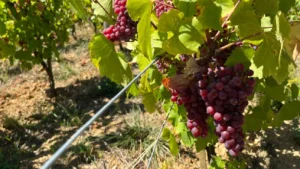
One of the most striking aspects of the 2026 vintage is the timing of the harvest. Following an unusually warm spring and the heatwaves of early summer, the region is on track for one of the earliest harvests in its storied history.
The official start of the harvest has been scheduled for August 15, with the bulk of the picking expected to take place between August 20 and August 25. This timeline is approximately 10 to 15 days earlier than the historical average. In previous decades, a September harvest was the norm, but the accelerating effects of climate change have made August starts increasingly common in the 21st century.
The early start poses logistical challenges for the thousands of seasonal workers who descend upon the region every year. However, it is also seen as a necessary step to preserve the high acidity levels required for quality Champagne production. As temperatures rise, grapes ripen faster, and the window for achieving the perfect balance between sugar ripeness and acidity narrows significantly.
Broader Implications for the Champagne Industry
The decision to tighten yields has several long-term implications for producers, retailers, and consumers.
-
Price Stability and Premiumization: By strictly controlling supply, the Comité Champagne ensures that the price of the final product remains high. This supports the "luxury" positioning of Champagne in a global market where it faces increasing competition from other sparkling wines like Prosecco, Cava, and the burgeoning English sparkling wine industry. Consumers should expect prices to remain firm, with little room for the deep discounting often seen in other wine categories.
-
Quality Control: Lower yields generally correlate with higher quality. When vines are not overburdened with fruit, they can channel more nutrients into a smaller number of clusters, potentially resulting in more concentrated and complex base wines. For the 2026 vintage, this could mean exceptional quality for those producers who successfully navigated the frost and drought.
-
Sustainability and Climate Adaptation: The move toward lower, more flexible yields is part of a broader strategy to make Champagne more sustainable. As weather patterns become more volatile, the ability to adjust production levels annually becomes a vital tool for survival. The region has also committed to ambitious environmental goals, including the elimination of herbicides and a significant reduction in its carbon footprint, all of which are easier to manage within a controlled-yield framework.
-
The Role of the Reserve: The 2026 harvest will likely see a significant draw-down of the region’s collective reserves. While this is exactly what the reserve system is designed for, it puts pressure on future vintages to be more productive to replenish those stocks. If the region faces another "complex" year in 2027, the management of these reserves will become an even more critical topic of debate within the CIVC.

Conclusion
The setting of the 2026 Champagne yield at 8,800 kg/ha is a testament to the region’s commitment to self-regulation and market discipline. By prioritizing value over volume, the leaders of the Champagne industry are attempting to safeguard the prestige of their appellation in an era of global economic and environmental flux. As the harvesters prepare to enter the vineyards in mid-August, the eyes of the wine world will be on Champagne to see if this "responsible approach" will result in a vintage that, while smaller in quantity, excels in quality and maintains the region’s dominance at the pinnacle of the sparkling wine market.