The Evolution of the Cinnamon Roll Market
The history of the cinnamon roll dates back to Northern Europe, where the Swedish kanelbulle became a cultural icon. However, the Americanized version popularized by Cinnabon introduced a shift toward a more decadent, dessert-like breakfast item. By increasing the fat content in the dough and introducing a heavy, cream cheese-based icing, the brand transformed a traditional pastry into a high-calorie, indulgent experience.
The rise of "copycat" recipes—or home-kitchen simulations—can be traced to the broader trend of culinary democratization. As social media platforms and food blogs have proliferated, home cooks have sought to replicate restaurant-grade comfort foods. Data suggests that search queries for "homemade bakery-style cinnamon rolls" spike significantly during the fourth quarter of the calendar year, peaking during the week of Christmas. This seasonal trend reflects a shift toward experiential holiday cooking, where the preparation process becomes as significant as the consumption.
Technical Components of the Recipe
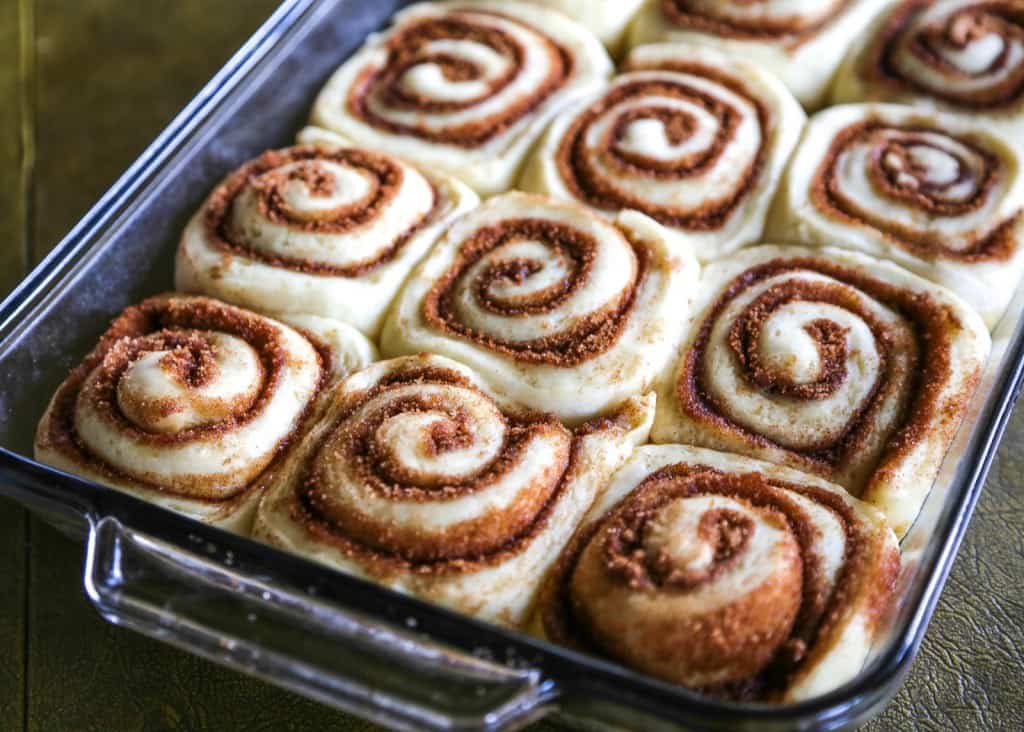
Achieving a result comparable to a commercial product requires strict adherence to specific baking techniques. The primary challenge in recreating a Cinnabon-style roll is the moisture retention within the crumb. Commercial bakeries utilize industrial mixers and humidity-controlled proofing chambers to ensure consistency. To achieve similar results in a home kitchen, bakers typically rely on the "overnight proofing" method.
By allowing the dough to undergo its primary rise in a refrigerated environment, bakers can retard the yeast activity. This process, known as cold fermentation, allows for a more complex flavor development in the dough and enables the baker to manage timing more effectively. For a household preparing a holiday breakfast, this technique allows the rolls to be assembled the night before, requiring only a final rise and bake time in the morning.
The Significance of Ingredient Ratios
The "Cinnabon" profile is characterized by an exceptionally high ratio of cinnamon to sugar. Traditional recipes often suggest one tablespoon of cinnamon per filling, but commercial versions lean toward two and a half tablespoons or more. This high concentration requires a specific type of cinnamon; the industry-standard Makara cinnamon is prized for its sweet, citrus-like notes rather than the sharp, spicy heat of common Cassia cinnamon.
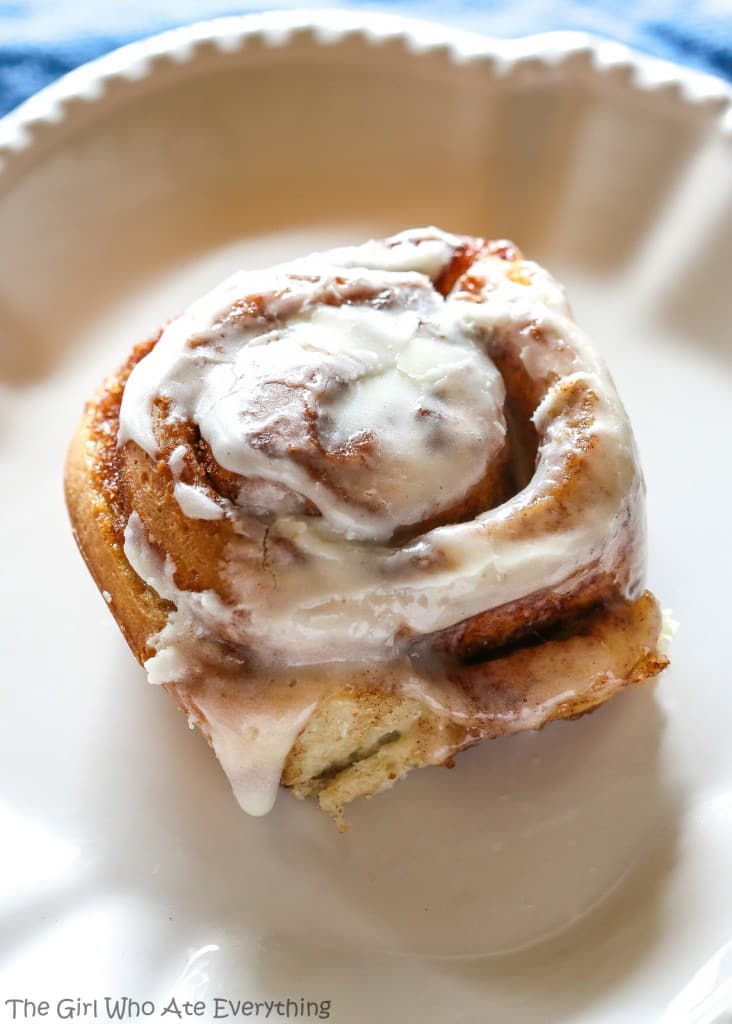
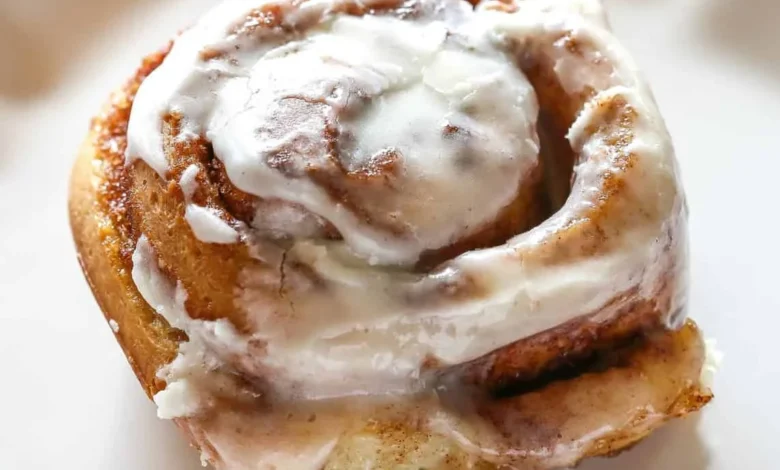
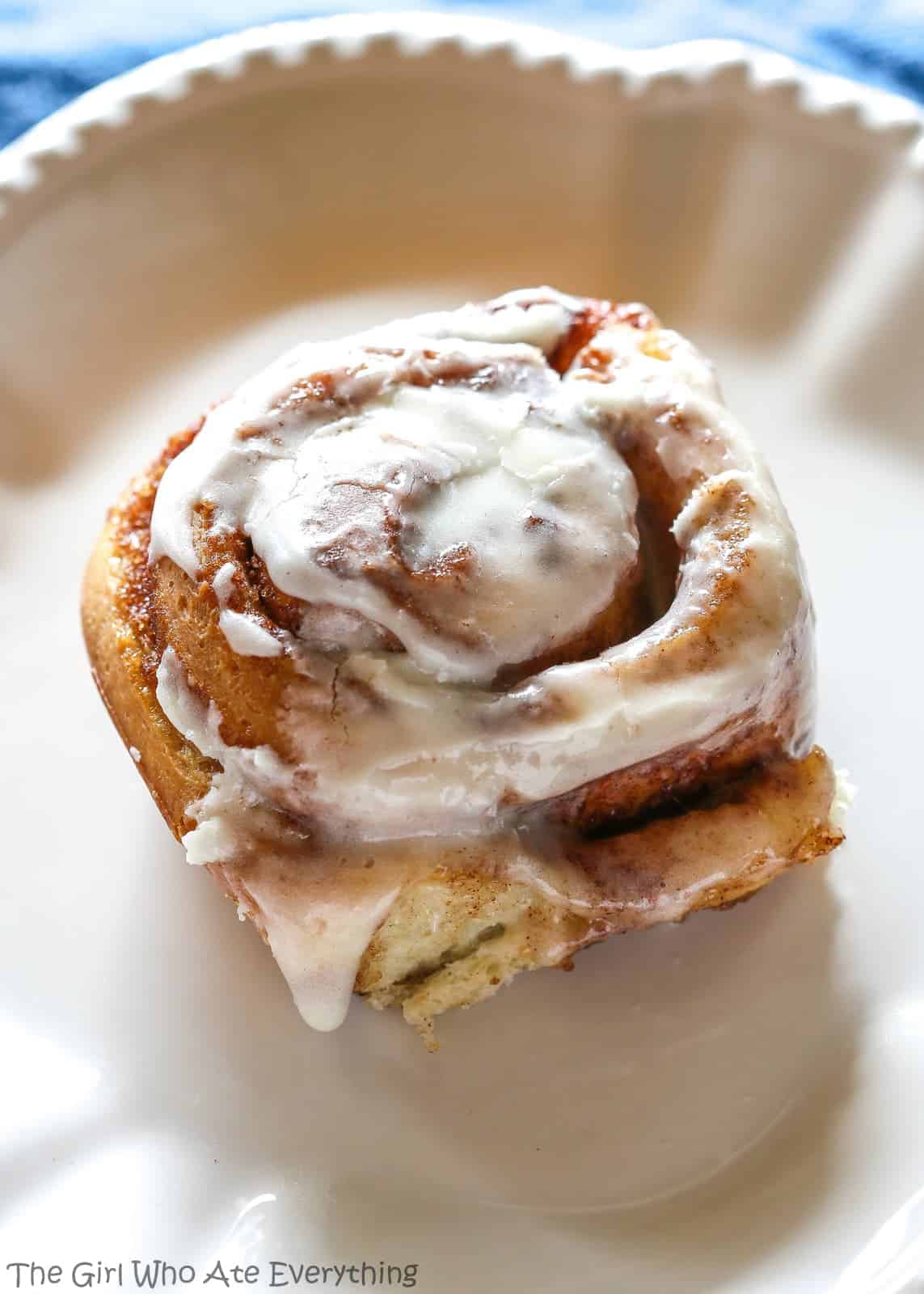
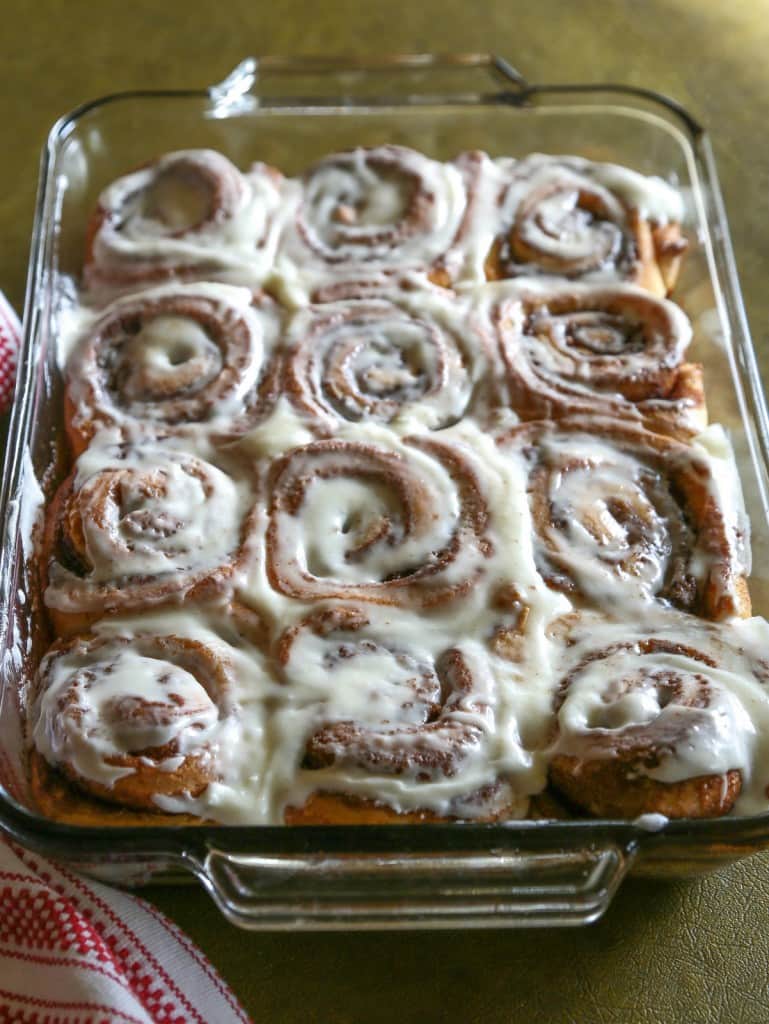
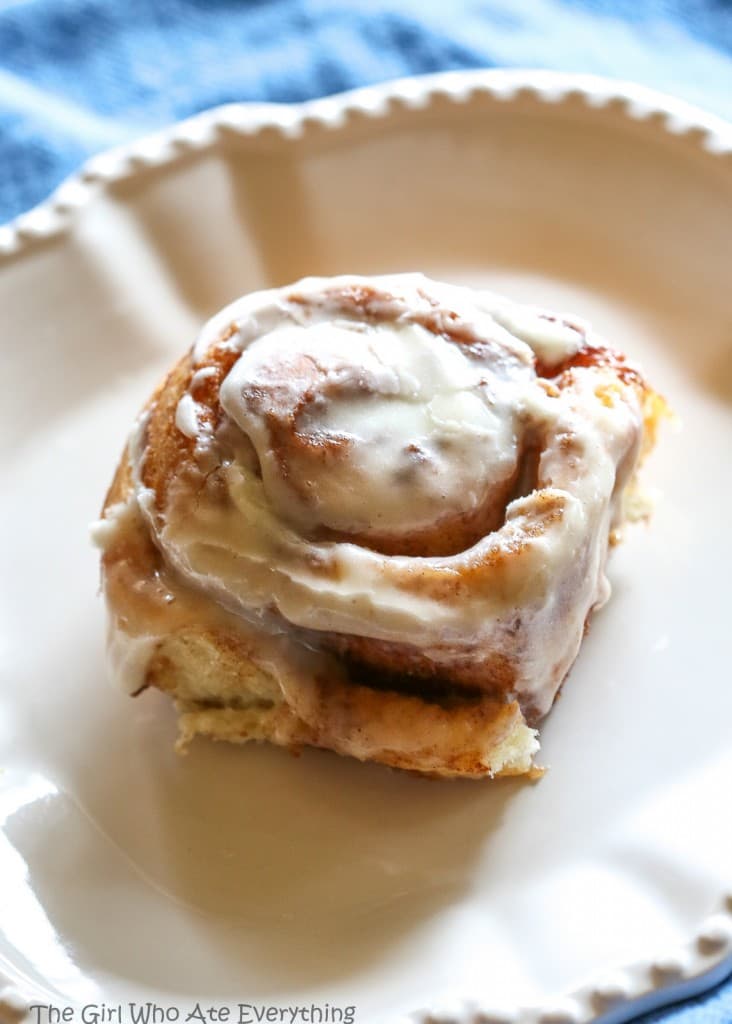
The assembly process is equally critical. The technique of applying frosting in two stages—first while the rolls are piping hot, and second after they have cooled slightly—is designed to ensure the icing penetrates the layers of the spiral. The residual heat melts the first layer, which flows into the gaps between the coils, while the second layer provides the signature thick, opaque aesthetic associated with the brand.
Nutritional and Dietary Considerations
While these rolls are a staple of celebratory breakfasts, they occupy a high-density position on the nutritional spectrum. A single standard-sized bakery roll can contain upwards of 500 to 800 calories, depending on the volume of icing and the density of the dough. Homemade versions typically follow this profile.
According to nutritional analysis for a standard 12-serving batch, a single roll yields approximately 511 calories. The macronutrient breakdown is dominated by carbohydrates, totaling roughly 83 grams, with 47 grams of sugar. The fat content, largely derived from butter and cream cheese, sits at approximately 16 grams per serving. Given these metrics, culinary experts often recommend serving these items alongside protein-heavy dishes, such as egg-based casseroles, to create a more balanced nutritional profile and prevent rapid blood sugar spikes.
Economic and Practical Implications for Home Bakers
The cost-efficiency of making cinnamon rolls at home versus purchasing them from a commercial outlet is a point of frequent discussion. While the upfront cost of ingredients—high-quality flour, yeast, butter, and cream cheese—can be significant, the cost per unit is substantially lower than retail pricing. Furthermore, the ability to control ingredient quality allows home bakers to avoid the preservatives and stabilizers often found in mass-produced, shelf-stable versions.
From a logistics standpoint, the storage of these rolls is straightforward but requires attention to moisture levels. When stored at room temperature, the high sugar content acts as a preservative for two to three days. For longer storage, refrigeration can extend shelf life to five days, while freezing remains the most effective method for preservation for up to three months. To maintain quality after freezing, bakers are advised to freeze the rolls unbaked, allowing them to proof from a thawed state before entering the oven.
Expert Analysis on Baking Trends
Food scientists and culinary historians note that the persistence of the cinnamon roll in the American diet is tied to its "comfort food" status. The combination of warm yeast dough and the aromatic properties of cinnamon triggers positive olfactory responses, which are closely linked to memory and nostalgia.
In a professional baking context, the "copycat" phenomenon represents a healthy intersection between consumer demand and product availability. When home cooks experiment with these recipes, they gain a deeper understanding of dough hydration, the chemistry of leavening agents, and the importance of temperature control in the kitchen. This educational aspect of cooking is a secondary benefit to the final product itself.
Strategic Planning for Special Occasions
For those utilizing these recipes for holiday events, success is often determined by the "mise en place"—a French culinary phrase meaning "everything in its place." The complexity of the dough-rolling process, the precision required for the filling, and the timing of the two-stage frosting application require careful coordination.
The consensus among experienced bakers is to utilize the "overnight" technique to reduce stress on the morning of an event. By focusing on the temperature of the liquid ingredients—usually milk heated to approximately 110 degrees Fahrenheit—the baker ensures that the yeast remains active without being killed. The subsequent resting period of the dough is perhaps the most important variable; under-proofed dough will result in a dense, bread-like texture, whereas properly proofed dough will yield the soft, pull-apart crumb that defines the category.
Conclusion: The Lasting Appeal
The enduring nature of the Cinnabon-style cinnamon roll is a testament to the power of simple, high-impact flavors. Whether achieved through a carefully calibrated commercial product or a meticulously executed home recipe, the sensory experience remains consistent. As home baking continues to evolve, the ability to synthesize professional techniques with household equipment will remain a hallmark of the modern kitchen. The shift toward "scratch-made" versions of commercial favorites is likely to persist as long as the value placed on tradition and home-centered hospitality remains a central pillar of culinary culture.