The intersection of public health and national agricultural policy has historically remained a niche concern, relegated to technical policy journals and regulatory agency dockets. However, the 2024 presidential campaign fundamentally altered this landscape. As the political discourse intensified, the debate over ultra-processed foods, the ubiquity of environmental toxins, and the safety of chemical herbicides migrated from the periphery to the very center of American political life.
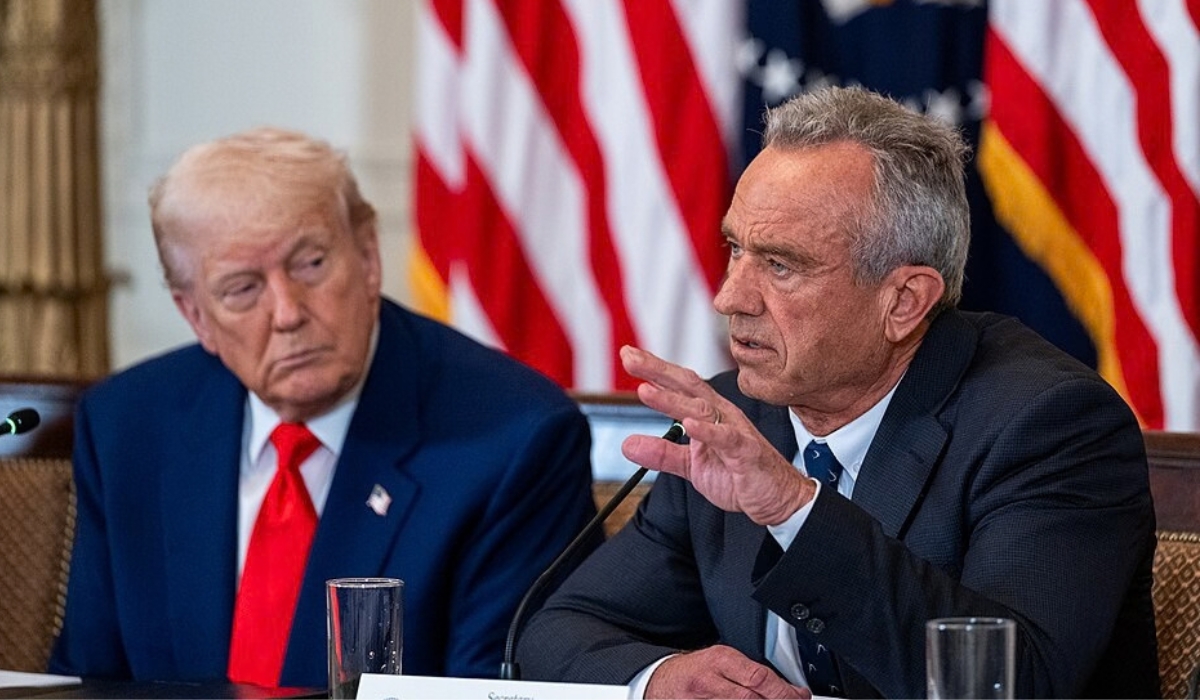
This shift was largely catalyzed by Robert F. Kennedy Jr.’s independent presidential bid, which introduced the "Make America Healthy Again" (MAHA) movement. By linguistically and ideologically anchoring his platform to Donald Trump’s "Make America Great Again" (MAGA) brand, Kennedy successfully elevated the crisis of American metabolic health and the integrity of the food supply chain into a national priority. The central thesis of MAHA—that America’s cardiovascular and obesity crisis is inextricably linked to the industrial food system—struck a chord with a broad swath of the electorate. When Kennedy suspended his campaign and subsequently endorsed Donald Trump in August 2024, the MAHA agenda was integrated into the broader administration’s framework, creating an expectation of sweeping regulatory reform.
The Conflict of Priorities: MAHA vs. MAGA
The governance phase of the administration, however, has revealed a stark divergence between the aspirations of the MAHA movement and the pragmatic requirements of the MAGA economic doctrine. While MAHA advocates for a systemic overhaul of farming practices to improve public health, the MAGA platform emphasizes national sovereignty, industrial output, and a reduction in import dependency.
This tension has resulted in a series of administrative decisions that prioritize the stability of industrial-scale production over the ecological and health-based transitions sought by reformers. The administration’s definition of "national security" has increasingly subsumed agricultural policy, viewing high-output, chemical-intensive monocultures as strategic assets rather than environmental liabilities.
The Dicamba Controversy: A Regulatory U-Turn
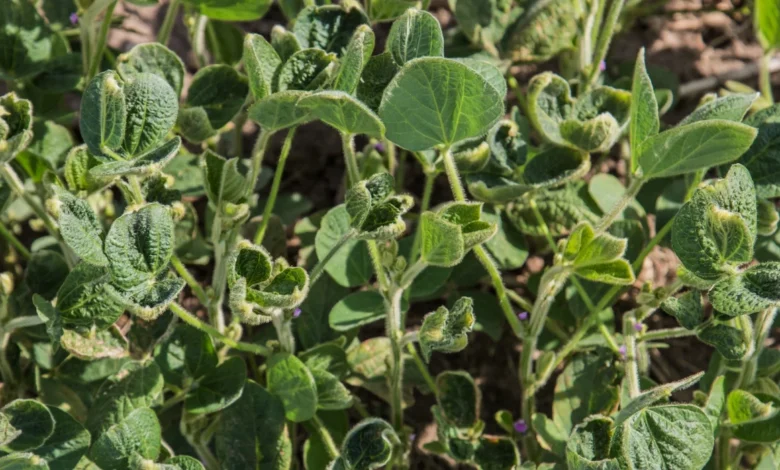
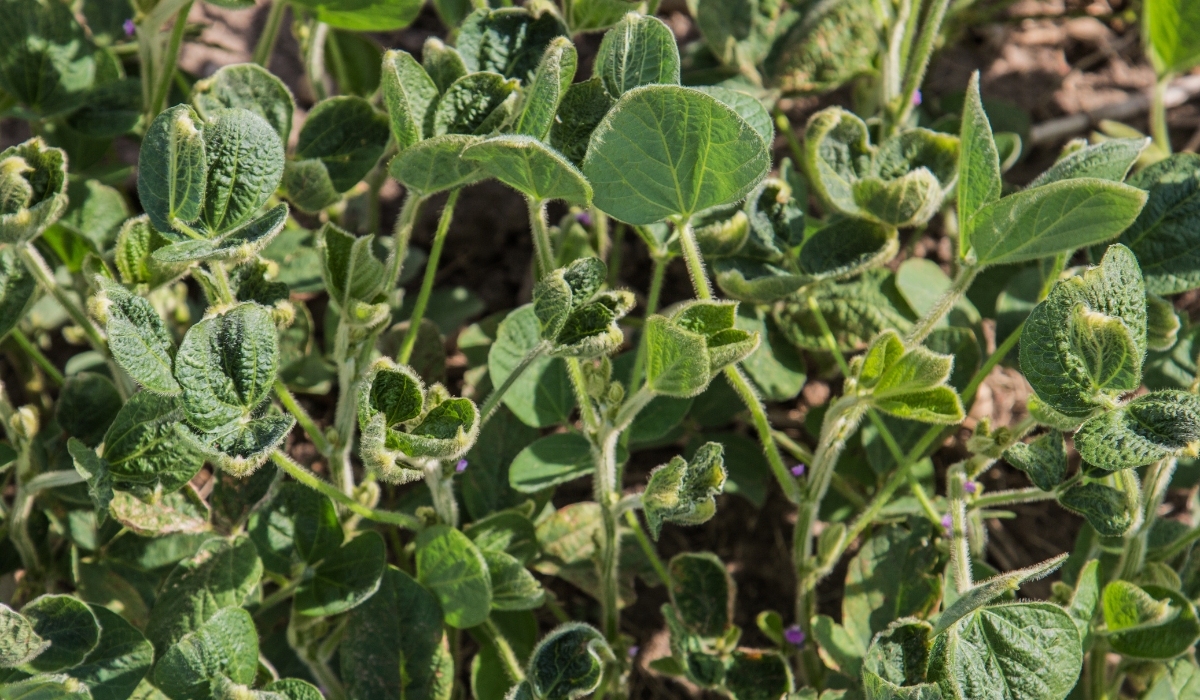
The regulatory status of dicamba serves as a primary case study in this conflict. Dicamba, a potent broadleaf herbicide, became a flashpoint for environmental and agricultural litigation due to its volatility. Unlike many pesticides that remain localized, dicamba is prone to "drift," vaporizing and migrating to neighboring fields, where it can decimate non-resistant crops, wild vegetation, and local biodiversity.
In February 2024, a federal court issued a landmark ruling, vacating the EPA’s approval for the use of dicamba on millions of acres of cotton and soybean crops. The court cited overwhelming evidence that the EPA had failed to account for the substantial, systemic risks posed by the chemical’s drift. The decision was hailed by environmental groups and farmers who had suffered years of crop loss as a significant victory for regulatory oversight.
However, the political environment shifted rapidly. By 2026, the EPA reversed course, granting new registrations for dicamba-tolerant crops. The agency justified this reversal by implementing "tighter safeguards," including lower application rates and mandatory buffer zones. Critics, however, argue that these measures are insufficient to curb the chemical’s physical properties. George Kimbrell, legal director at the Center for Food Safety, characterized the reversal as a betrayal of the agricultural community, arguing that the administration prioritized the profit margins of chemical manufacturers over the protection of the environment and non-target farming operations.
Glyphosate and the Defense Production Act
Perhaps the most definitive signal that the MAGA agenda has taken precedence over the MAHA platform is the administration’s handling of glyphosate. In February 2026, the Trump administration took the extraordinary step of invoking the Defense Production Act to protect domestic glyphosate production. By classifying the herbicide—the backbone of industrial agriculture—as a matter of "national security," the administration effectively insulated the sector from further regulatory restriction.
The rationale for this move is deeply rooted in the administration’s trade strategy. As the US seeks to decouple its economy from reliance on Chinese imports, it has identified the chemical precursors required for glyphosate production as a strategic vulnerability. Because American industrial farming relies on tens of millions of hectares of GM crops that are specifically engineered to be glyphosate-resistant, the administration concluded that a shortage of the chemical would represent a direct threat to domestic food stability.
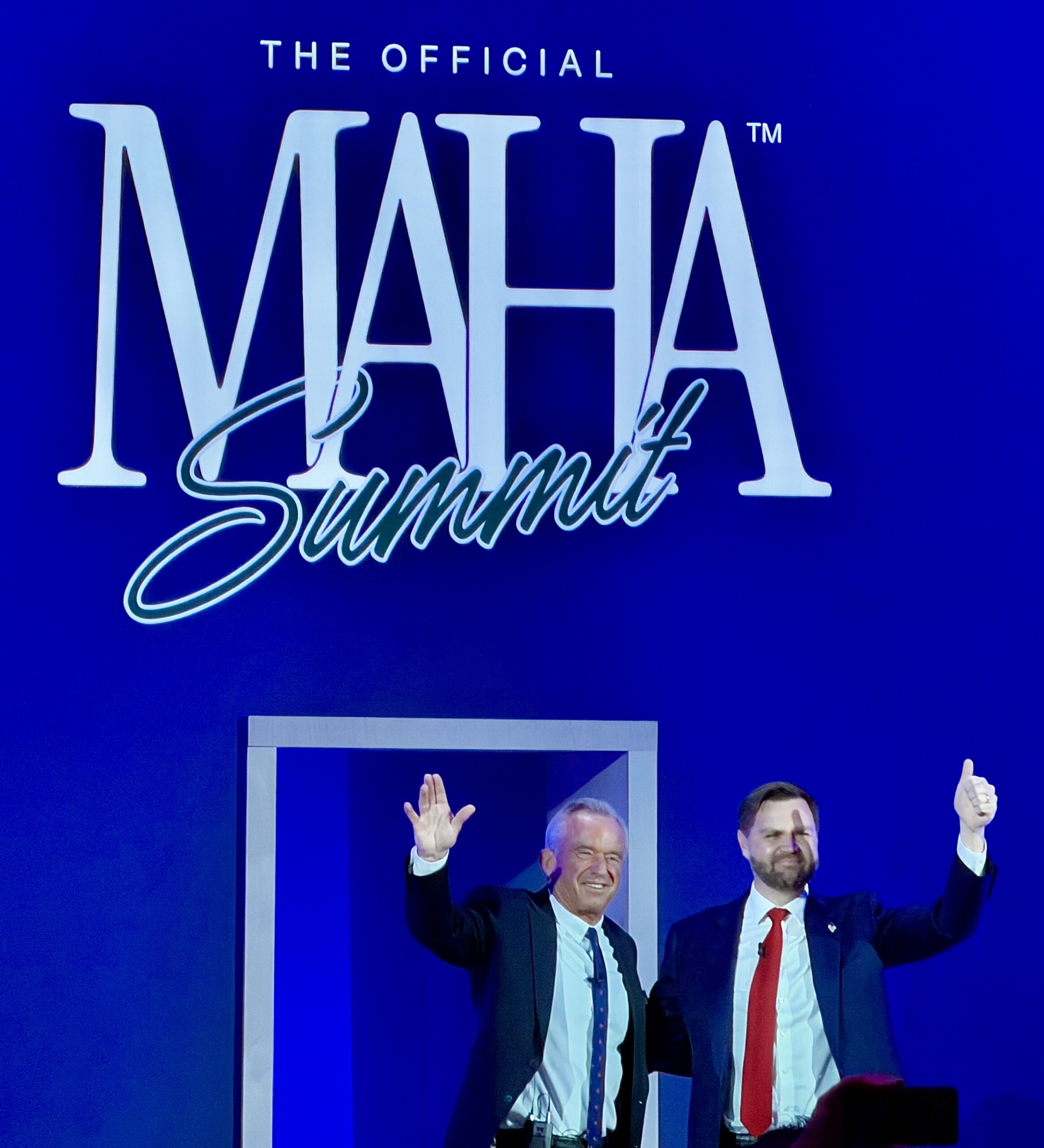
This prioritization has left many MAHA supporters disillusioned. The movement had operated under the premise that the administration would move to restrict the use of synthetic pesticides. Instead, the government has provided a robust stamp of approval for the status quo. This shift suggests that, within the current administration, the imperative of maintaining existing supply chains outweighs the goal of transitioning toward more sustainable, less chemical-dependent farming methods.
Data and Environmental Implications
The reliance on industrial monocultures creates a feedback loop that exacerbates the need for chemical inputs. Modern American agriculture has become heavily dependent on a "treadmill" of pesticides and herbicides. As natural ecological controls, such as diverse crop rotation and hedgerows, are removed to accommodate massive, uniform fields, the ecosystem becomes increasingly fragile. This fragility invites pest and disease outbreaks, which in turn necessitates higher levels of chemical intervention.
Data from the U.S. Geological Survey indicates that the intensity of pesticide use in soybean, corn, and cotton production has remained at historic highs. While the administration points to these high yields as a triumph of American productivity, ecological studies suggest that this system is increasingly susceptible to environmental shocks. Climate change, characterized by erratic weather patterns and the intensification of events such as the forecasted supercharged El Niño, threatens to destabilize these rigid systems.
A Path Toward Systemic Resilience
The debate over the future of American food production now hinges on two competing definitions of security. One view, held by the current administration, defines security as the maintenance of existing, high-output, chemical-dependent systems to ensure a steady supply of food and reduce reliance on foreign imports. The opposing view, advocated by those within the MAHA movement and agricultural scientists, defines security as the long-term resilience of the landscape itself.
True systemic resilience, according to ecological experts, is unlikely to be found in the continued, mass-scale application of agrichemicals. Rather, it is developed through the restoration of soil health, the promotion of crop diversity, and the integration of natural pest regulation. By building landscapes that are capable of absorbing shocks—such as drought, flooding, or pest surges—rather than relying on a constant, reactive input of chemicals, the agricultural sector could potentially provide a more sustainable foundation for the nation’s food supply.
Conclusion: The Unfinished Promise
As the Trump administration moves past the midpoint of its term, the initial optimism surrounding a major shift in health and agricultural policy has been tempered by the realities of political economy. The promise of "Making America Healthy Again" remains a potent rhetorical tool, yet it is currently constrained by the rigid requirements of industrial agricultural security.
The divergence between the initial campaign promises and the current regulatory trajectory highlights a fundamental challenge: in a modern, globalized, and climate-challenged world, moving away from established, chemical-intensive practices requires more than just administrative willpower—it requires a complete paradigm shift. Whether the administration will eventually integrate the goals of MAHA into its national security framework, or whether it will continue to view chemical-heavy industrialization as the only viable path to stability, remains the central question for the remainder of the term.
For the American consumer and the global environment, the outcome of this struggle will have profound implications. As the pressures on the global food system intensify, the need for a transition toward more resilient and sustainable agricultural practices becomes increasingly urgent. The question remains whether the US will lead this transition or remain committed to the industrial model that currently defines its food landscape.